Israeli Prime Minister Benjamin Netanyahu enters a high-stakes election year after the October 2023 Hamas attack weakened his security standing. Polls since late 2023 show him trailing ahead of an expected October vote, while internal disputes over conscription, a looming state budget deadline and an ongoing corruption trial intensify pressure on his coalition. Analysts say unrest in Iran — and the possibility of U.S. intervention — could boost Netanyahu politically and play a decisive role in shaping his legacy.
Iran Crisis Looms As Key Test For Netanyahu Ahead Of Crucial Israeli Elections
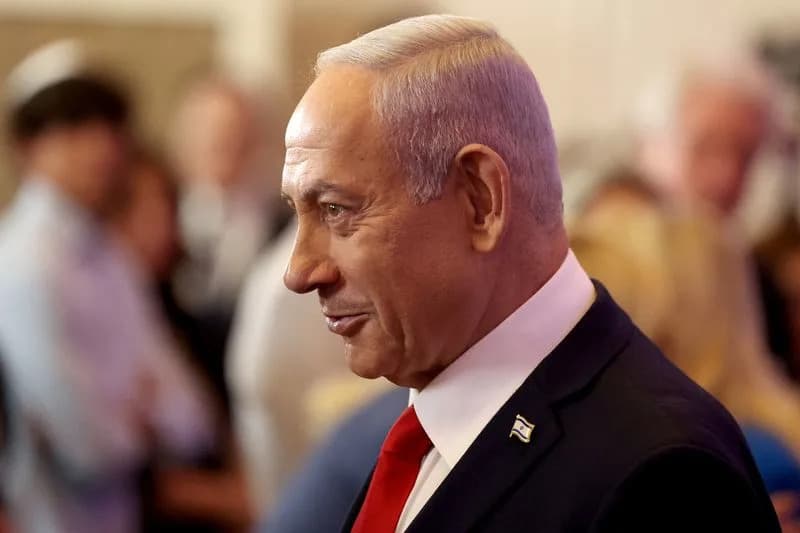
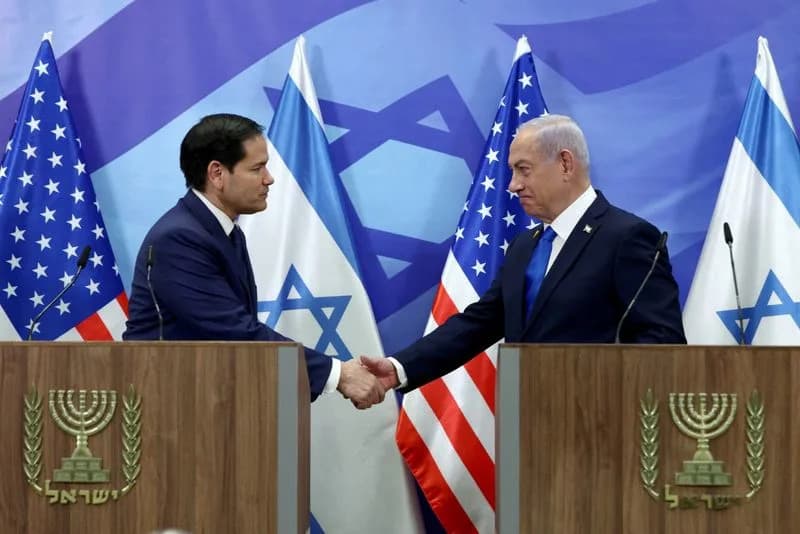
FILE PHOTO: Israeli Prime Minister Benjamin Netanyahu attends a conference in Jerusalem, July 27, 2025. REUTERS/Ronen Zvulun/File Photo
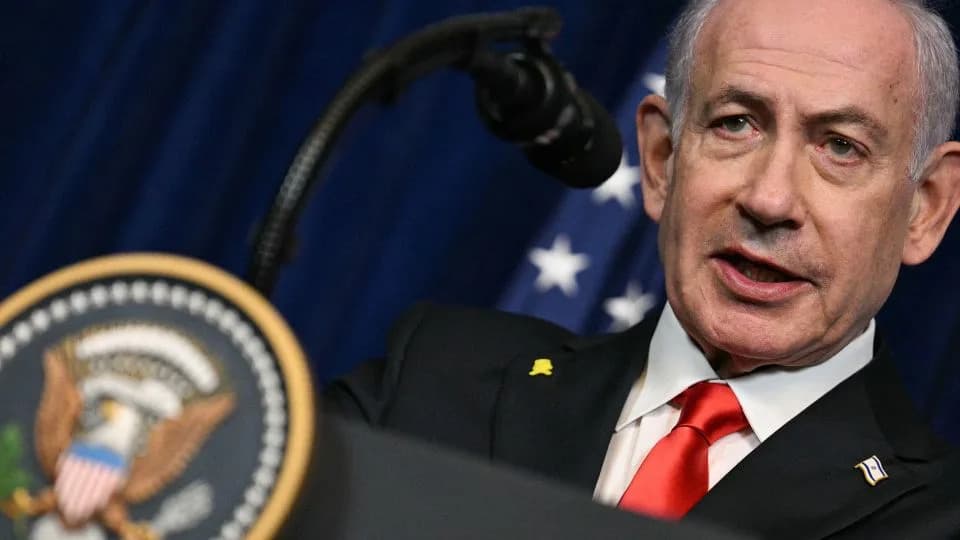
Israeli Prime Minister Benjamin Netanyahu heads into a pivotal election year for the first time since the October 2023 Hamas assault that severely dented his security credentials. Analysts say the unfolding unrest in Iran — and the prospect of U.S. intervention — could become a decisive factor in whether he is able to repair his public standing and preserve his political legacy.
Polling, Politics And The Ballot
Nationwide polls conducted since late 2023, including surveys by Israel's three main television news channels, consistently show Netanyahu trailing ahead of an expected October vote. He faces multiple domestic headwinds: a fractious right-wing coalition, a high-profile corruption trial, and growing public demand for an independent probe into the security failures surrounding the October 7 attack.
Iran And Regional Tensions
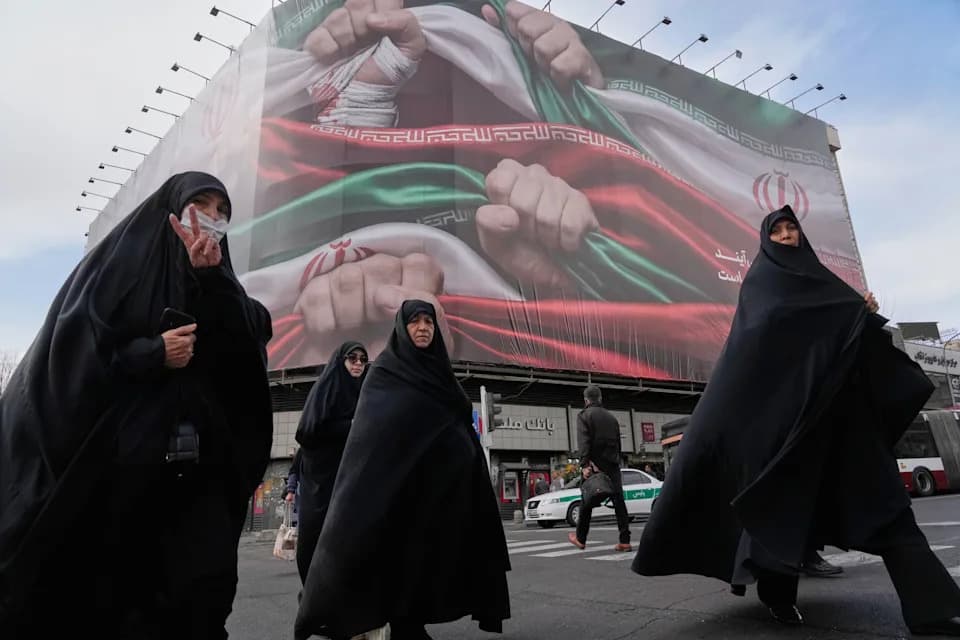
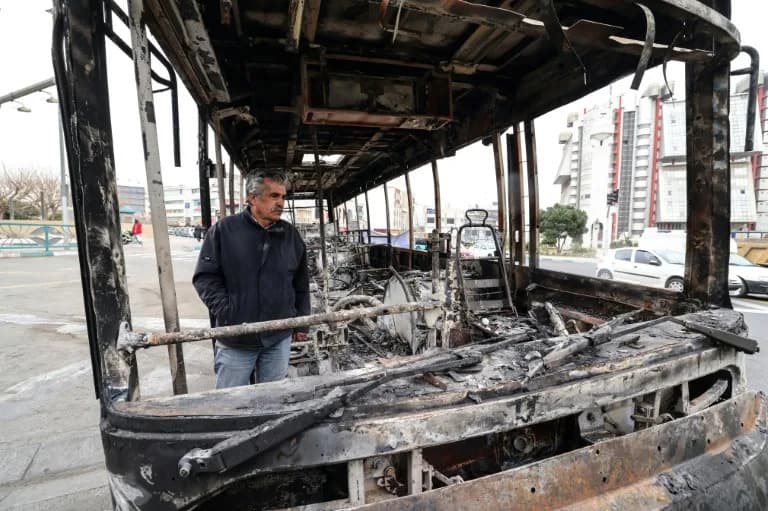
The recent unrest in Iran, combined with public threats from U.S. President Donald Trump and warnings from Tehran of possible retaliation, has elevated security concerns in Jerusalem. Israeli officials say the security cabinet has been briefed on the potential for the Iranian government to collapse and on the possibility of U.S. military intervention — though the scope and timing of any action remain unclear.
"His top goal would be to make sure that this regime is gone either by the time this term is over, or if not then, then in the next term," said Udi Sommer, a political scientist at Tel Aviv University, describing how regional developments could shape Netanyahu's legacy ambitions.
Domestic Fault Lines
Netanyahu's coalition is deeply split over a proposed military conscription law. Military service is mandatory in Israel, but ultra-Orthodox partners are pushing for expanded exemptions for their community. A compromise that satisfies those parties would likely provoke intense backlash from mainstream Israelis, particularly after the heavy military toll of the Gaza war.
Complicating the coalition's survival is a looming fiscal deadline: the government must secure Knesset approval for the state budget by the end of March. Failure to pass the budget would trigger a snap election roughly 90 days later; many commentators say an early vote as soon as June is plausible.
Legal Battles And Public Trust
Netanyahu remains on trial on charges of fraud, bribery and breach of trust, which he denies. In November he petitioned President Isaac Herzog for a pardon — a move publicly supported by Donald Trump — an unprecedented step that, if granted, would likely intensify domestic protests. Additional probes into government procurement of submarines and missile boats from Germany, and inquiries into alleged security leaks and aides' conduct during the war, have further clouded his wartime stewardship.
Human Cost
The October 7 Hamas attack killed about 1,200 people and precipitated the Gaza war, which has resulted in tens of thousands of Palestinian deaths and widespread devastation in the Gaza Strip. Families of the Israeli victims have pushed for an independent investigation into security lapses; many Israelis back their call rather than a government-led inquiry.
Outlook: The interplay of regional crisis and domestic politics means Netanyahu's electoral fate may hinge as much on events in Tehran and Washington as on debates inside the Knesset and on the Israeli street. How he navigates the Iran crisis, the conscription dispute, the budget deadline and his legal challenges will shape both the campaign and his political legacy.
Written by Maayan Lubell; edited by Rami Ayyub and Sharon Singleton.
Help us improve.