The IDF says roughly 80 brigade-level operations in the West Bank last year led to hundreds of militants neutralized and more than 1,300 weapons seized, with reported militant incidents down about 78% in 2025. Strategic concerns over high ground and defensible borders are central to Israeli arguments for maintaining security control. Political moves in the Knesset and U.S. objections have intensified debate, while diplomats say a reimagined pathway to Palestinian statehood remains politically difficult but still part of regional diplomacy.
How West Bank Security Realities Are Reshaping Israel’s Two-State Debate
How Israel’s West Bank security realities are reshaping the two-state debate
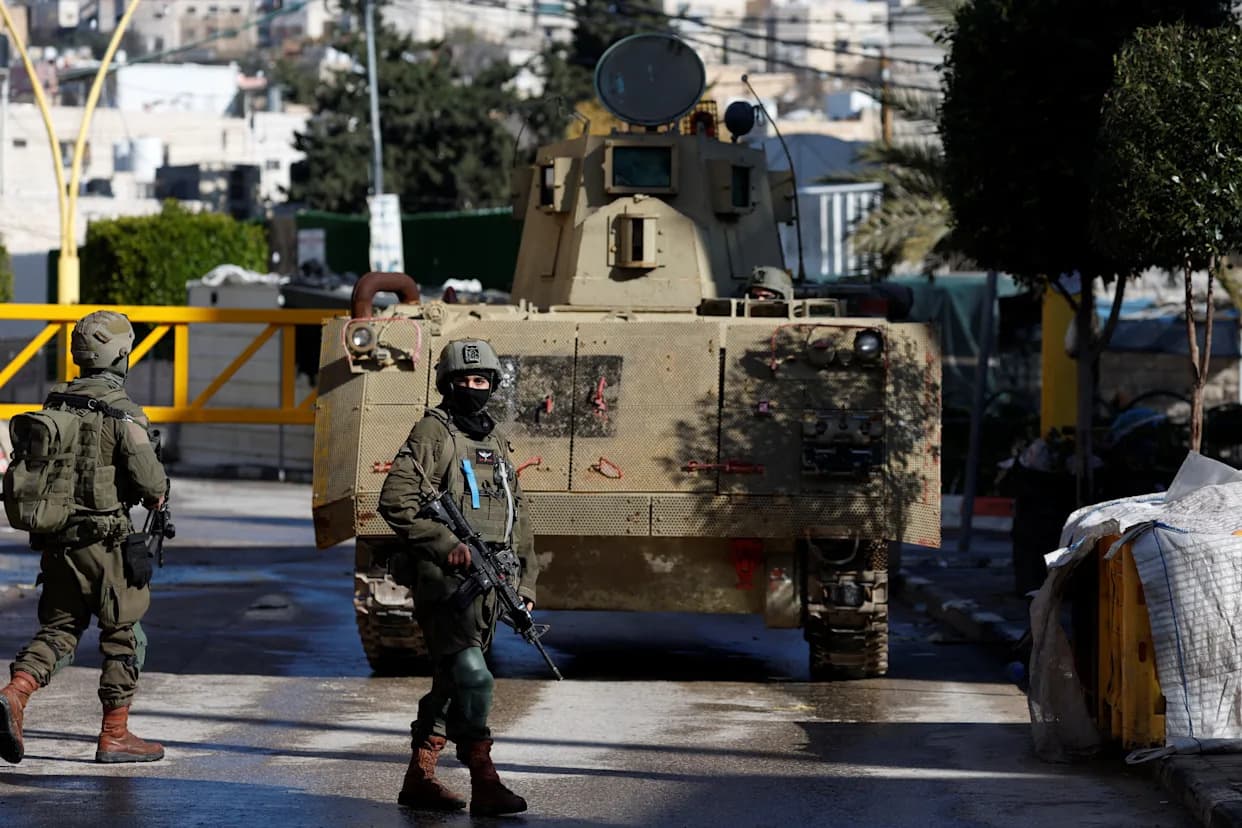
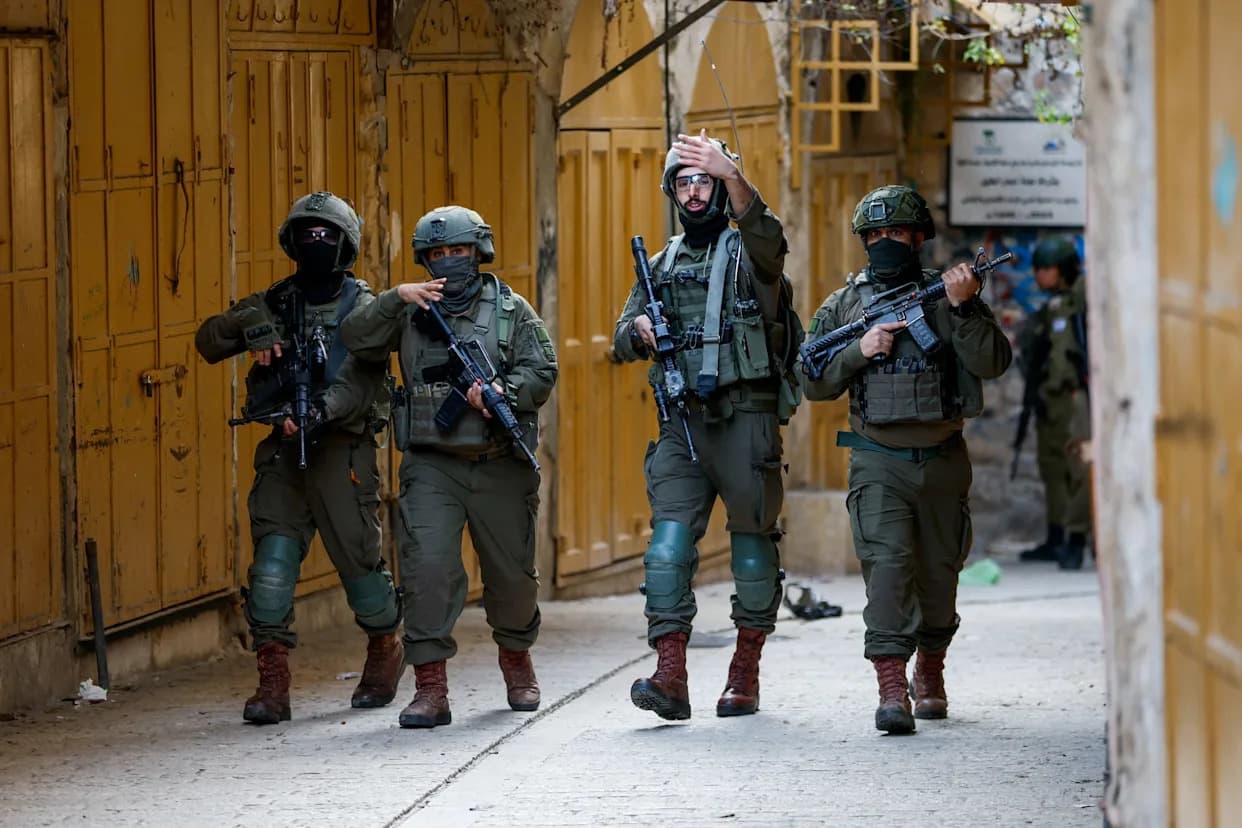
The Israel Defense Forces says it carried out about 80 brigade-level counterterror operations across the West Bank over the past year — the territory Israelis call Judea and Samaria — neutralizing hundreds of militants and confiscating more than 1,300 weapons, according to military figures released recently.
Security Trends on the Ground
The IDF reported a sharp decline in Palestinian militant activity in 2025: overall incidents were down roughly 78% from the prior year, and attacks involving firearms fell by about 86%. At the same time, the military recorded a roughly 27% rise in reported anti-Palestinian crimes in 2025.
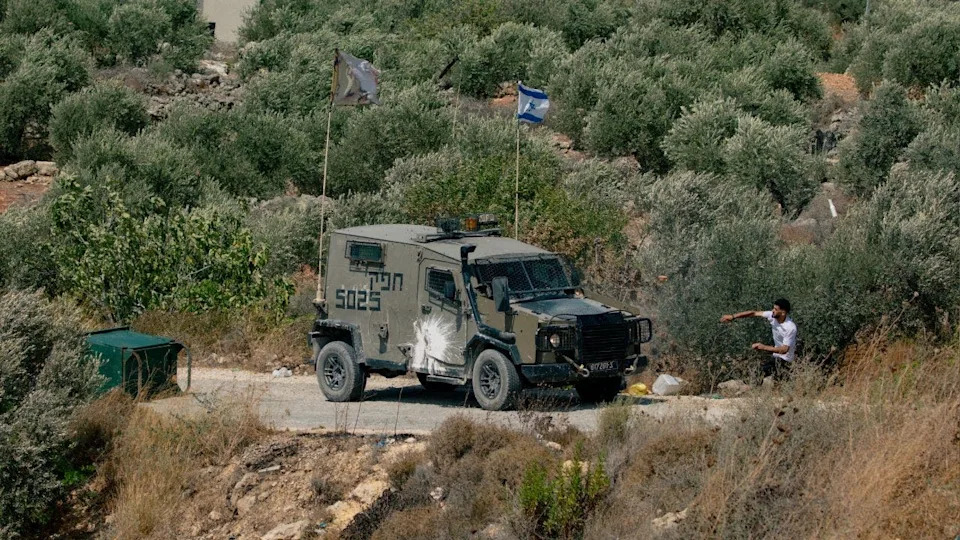
A Palestinian man throws a stone at an Israeli armed vehicle during a protest in the town of Beita, in the West Bank on July 26, 2024.(Getty Images)
Why the Territory Matters Strategically
Judea and Samaria are part of Israel’s historic heartland and are home to more than 500,000 Jewish residents and up to 3 million Palestinians. Military and security experts stress that elevated terrain in the West Bank provides lines of sight and defensive depth that affect the security of much of Israel.
"High ground, or elevated terrain, remains critical and extremely important in defending a country, its people and its sovereignty," said Lt. Col. (Ret.) Jonathan Conricus, former IDF international spokesperson and senior fellow at the Foundation for Defense of Democracies.
Political and Diplomatic Debate
Under the 1993 Oslo Accords, the West Bank was divided into Areas A, B and C with varying degrees of Palestinian and Israeli authority. Debates over sovereignty have intensified: in July 2024 the Knesset plenum rejected establishing a Palestinian state, and in July 2025 it approved a nonbinding declaration urging application of Israeli sovereignty over parts of the territory and the Jordan Valley.
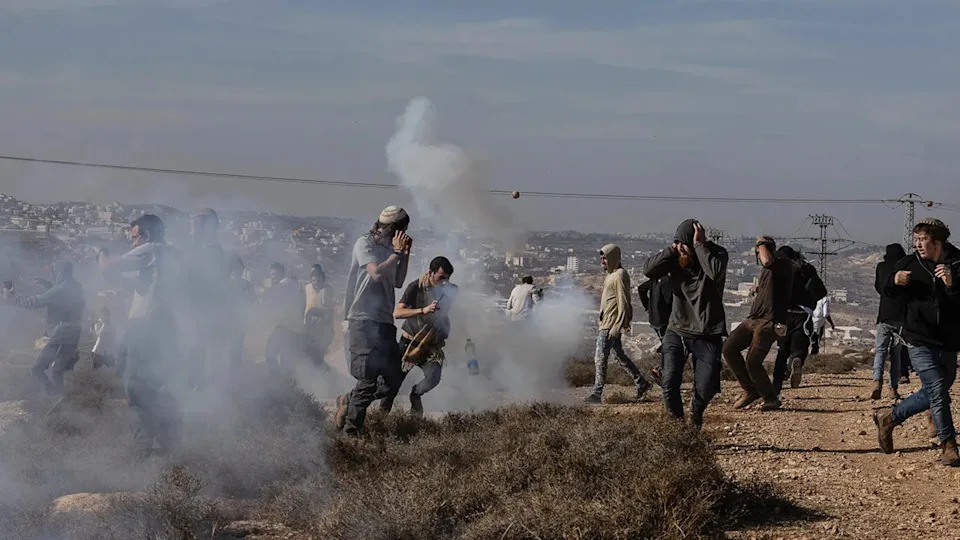
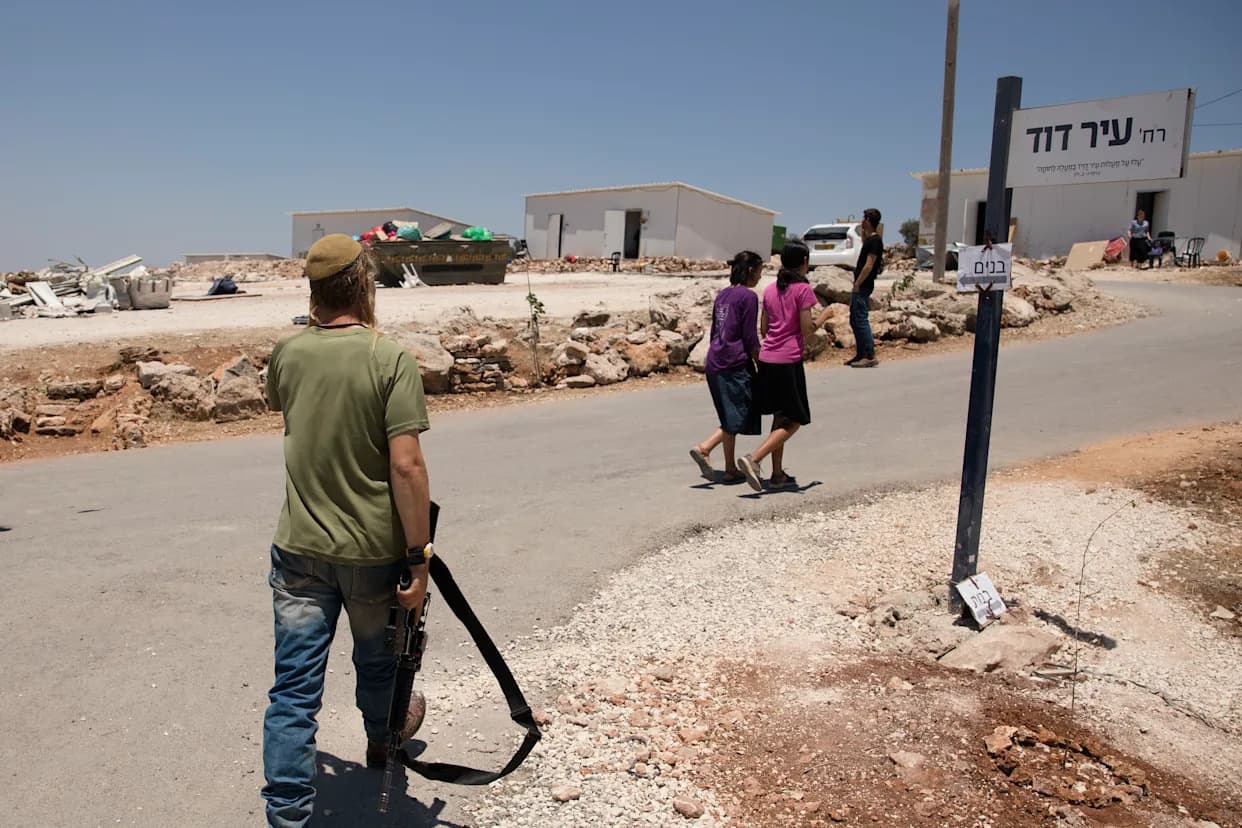
Hilltop Youth run for cover as they clash with Israeli security forces evacuating and demolishing an illegal outpost built near the Jewish settlement of Metzad east of the Palestinian city of Sa'ir in the West Bank, on Nov. 17, 2025. Israeli security forces evacuated and demolished an illegal settler outpost in the occupied West Bank on Nov. 17, with the authorities citing "severe incidents of violence."
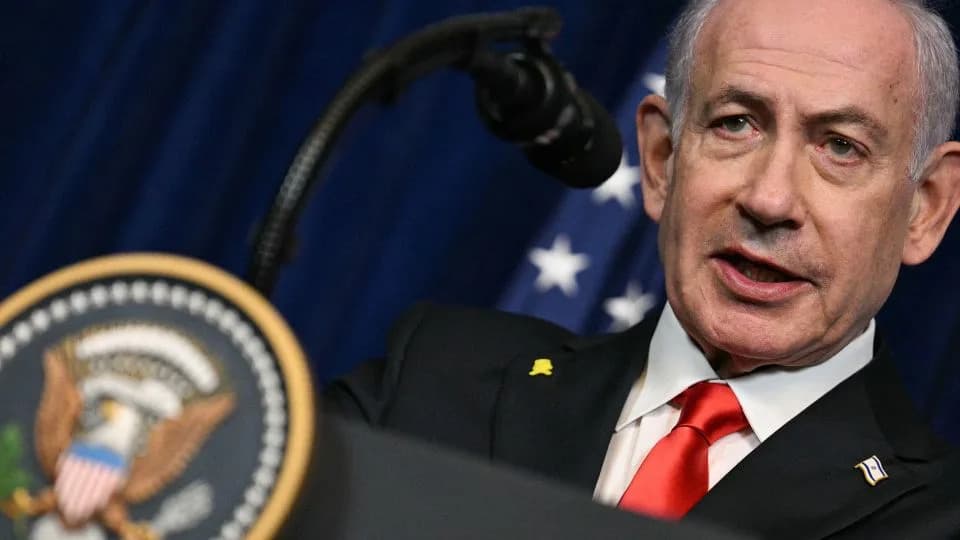
U.S. officials publicly opposed formal annexation: Vice President J.D. Vance said during a visit to Israel that "The West Bank is not going to be annexed by Israel... The policy of the Trump administration is that the West Bank will not be annexed by Israel."
Voices From Israeli Officials and Analysts
Supporters of maintaining Israeli security control argue that relinquishing military oversight of high ground would endanger the country's most populated and economically vital areas. Dan Diker of the Jerusalem Center for Security and Foreign Affairs and Yisrael Ganz, governor of Binyamin and chairman of the Yesha Council, emphasized defensibility and cited intelligence reports describing thousands of attempted attacks since Oct. 7, 2023.
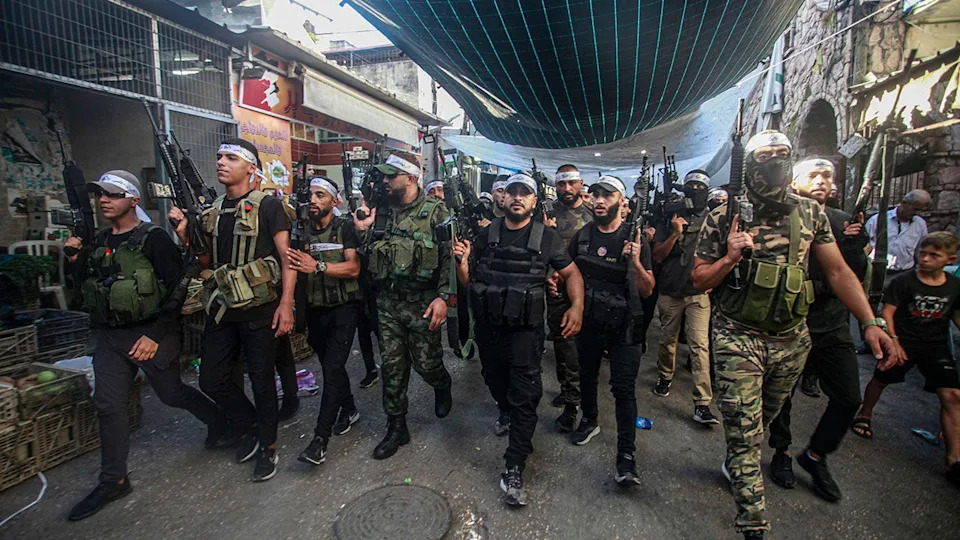
Palestinian terrorists from the Al-Aqsa Martyrs Brigades appear carrying their weapons during a military parade in the Balata refugee camp, east of Nablus, in the northern West Bank.
Yishai Fleisher, international spokesman for Hebron, highlighted the area's religious and historical significance, while former ambassador Michael Oren argued that a fully sovereign Palestinian state faces significant practical hurdles, especially absent control over borders and strategic matters.
Diplomatic Outlook and the Two-State Discussion
Dan Shapiro, a former U.S. ambassador to Israel, said the two-state idea remains embedded in diplomacy because there is no broadly accepted alternative for resolving competing national claims. He noted that any future pathway to Palestinian statehood would likely look different from Oslo-era plans and would require major political and societal changes.
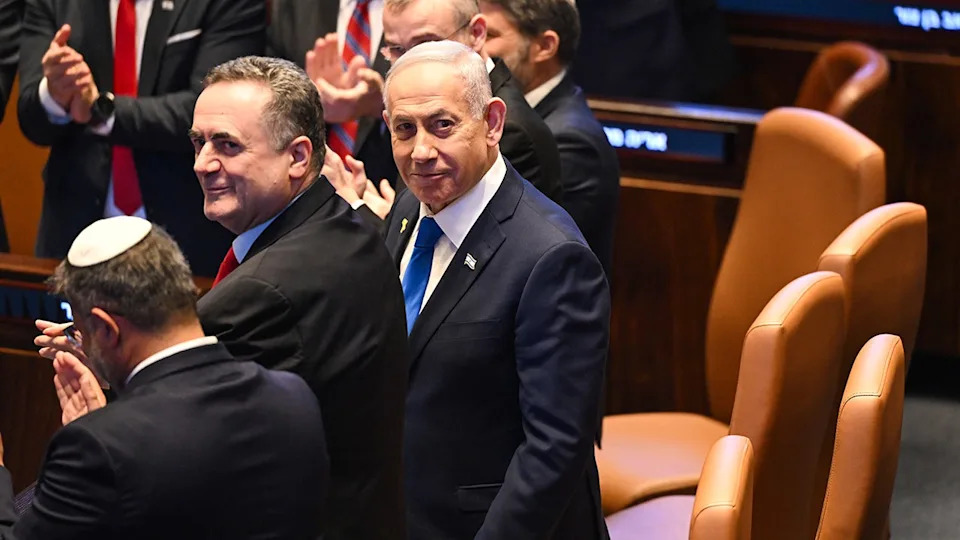
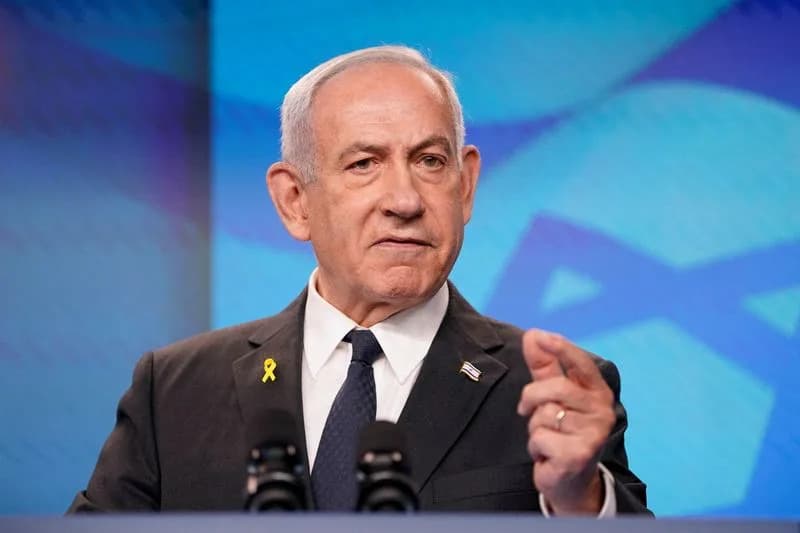
Israeli Prime Minister Benjamin Netanyahu seen as U.S. President Donald Trump prepares to deliver remarks to the Knesset on Oct. 13, 2025 in Jerusalem. President Trump is visiting the country hours after Hamas released the remaining Israeli hostages captured on Oct. 7, 2023, part of a U.S.-brokered ceasefire deal to end the war in Gaza.
Recent Incidents
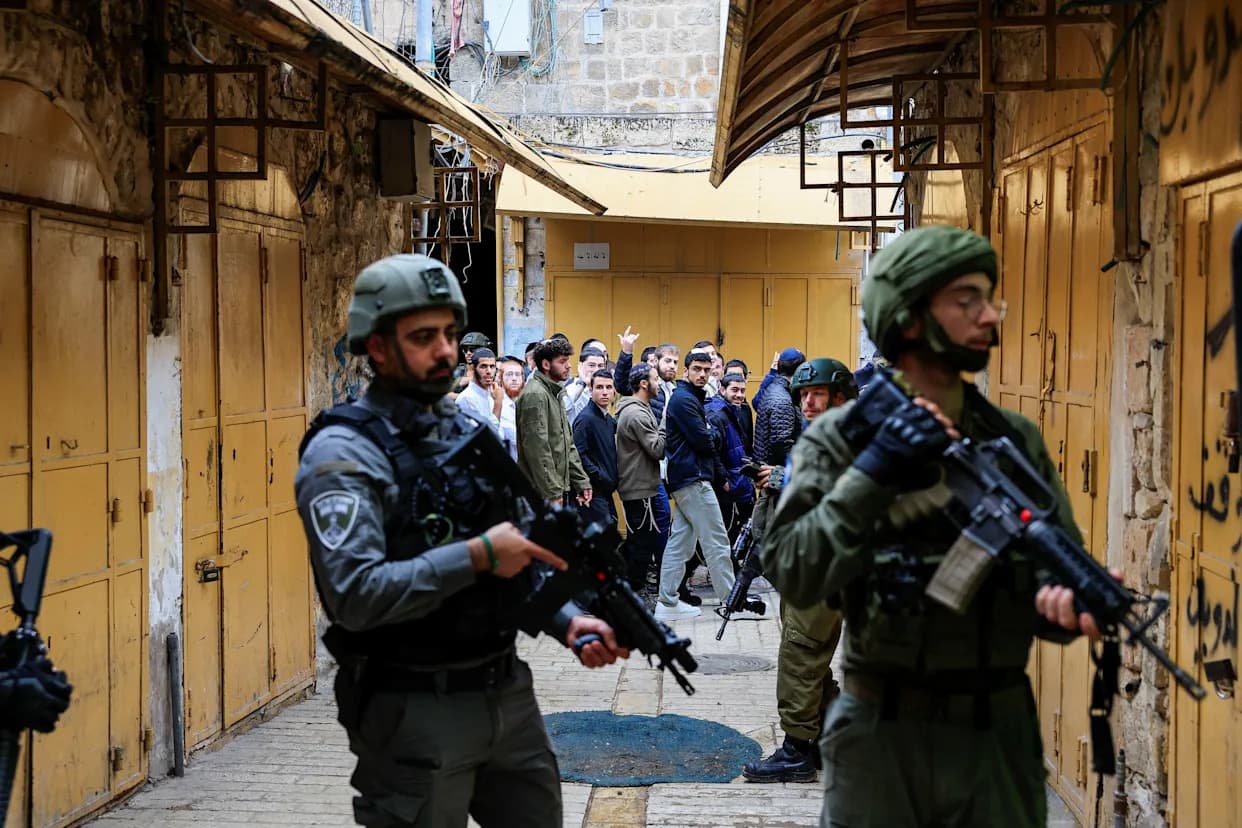
Security forces were dispatched to multiple flashpoints this month after reports of vandalism and arson targeting Palestinian property, and local authorities report continuing tensions and episodic violence across the West Bank.
Bottom line: Strong security operations have reduced militant attacks in 2025, but political divisions, ground-level violence, and strategic concerns about terrain and borders continue to complicate the debate over sovereignty and the long-term viability of a two-state outcome.
Help us improve.