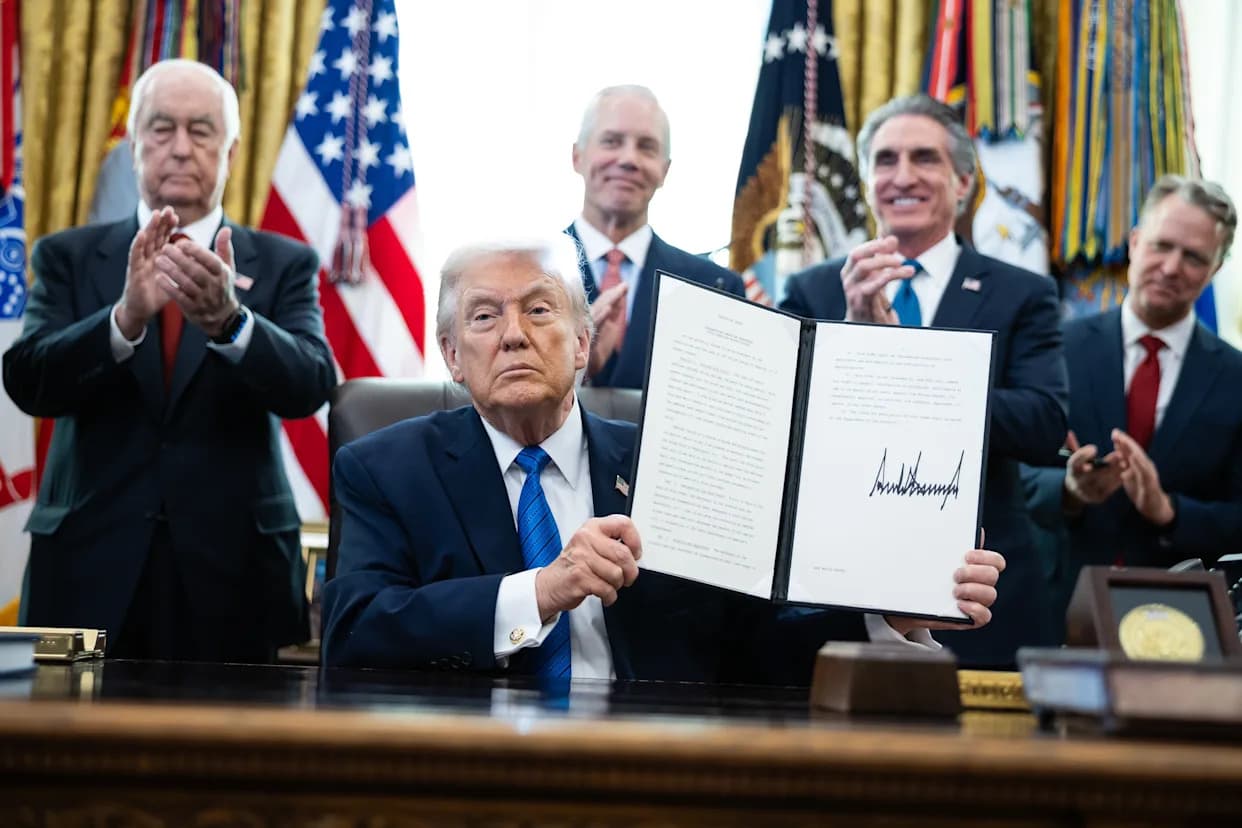
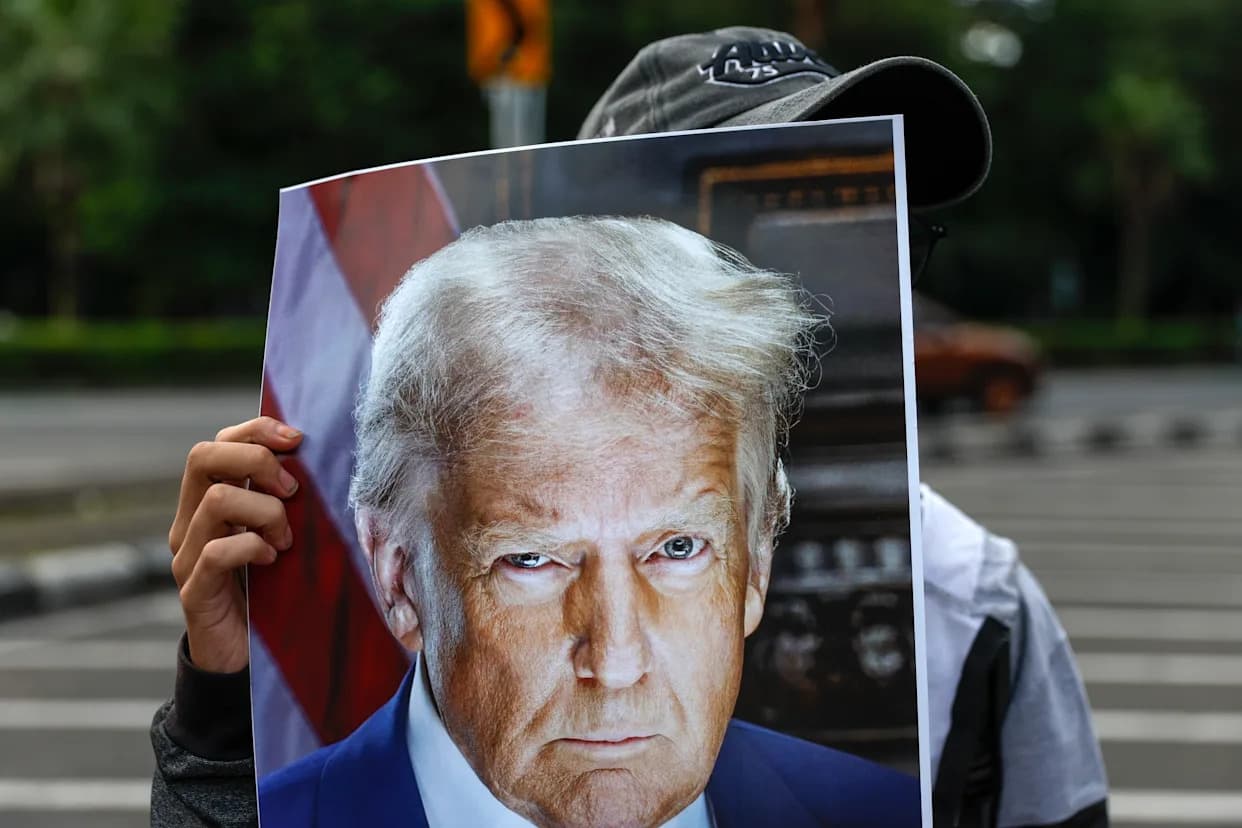
The author argues that genuinely free societies insulate citizens from the whims of leaders by constraining executive power and safeguarding individual rights. Since Donald Trump took office, the U.S. has experienced heightened political volatility — sudden tariffs, threatening rhetoric, and abrupt reversals — that make life overly dependent on one person. The piece urges both conservatives and progressives to recommit to institutional limits on power so future leaders cannot abuse the office.
Free Nations Shouldn’t Live at the Mercy of Elected Leaders’ Whims
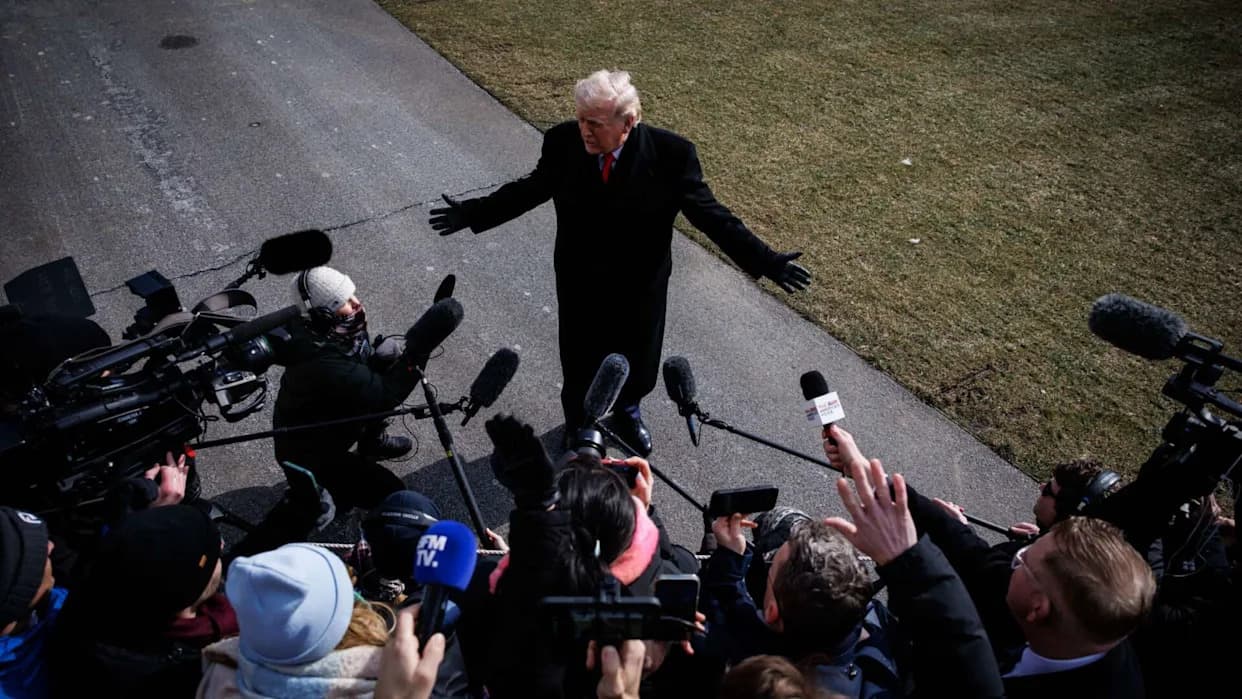
Free Nations Don't Have To Care About the Whims of Elected Officials
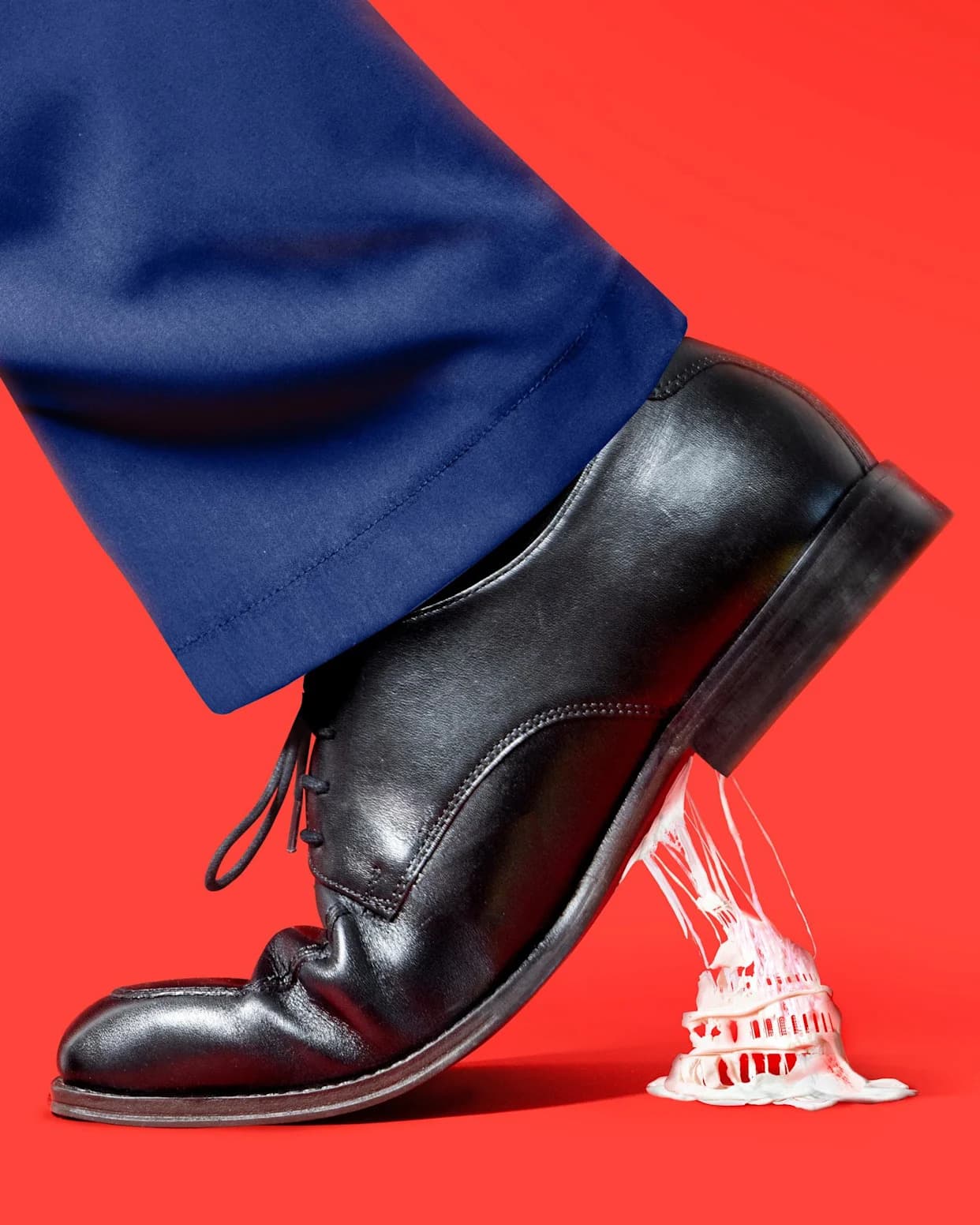
In genuinely free societies, citizens do not have to live in constant reaction to the moods, tweets, or tantrums of their leaders. When institutions constrict executive power and secure individual rights, everyday life is insulated from the personal impulses of officeholders. By contrast, the last few years in the United States have illustrated how much disruption can follow when institutions are weak and politicians wield outsized authority.
Political Whiplash and Concentrated Power
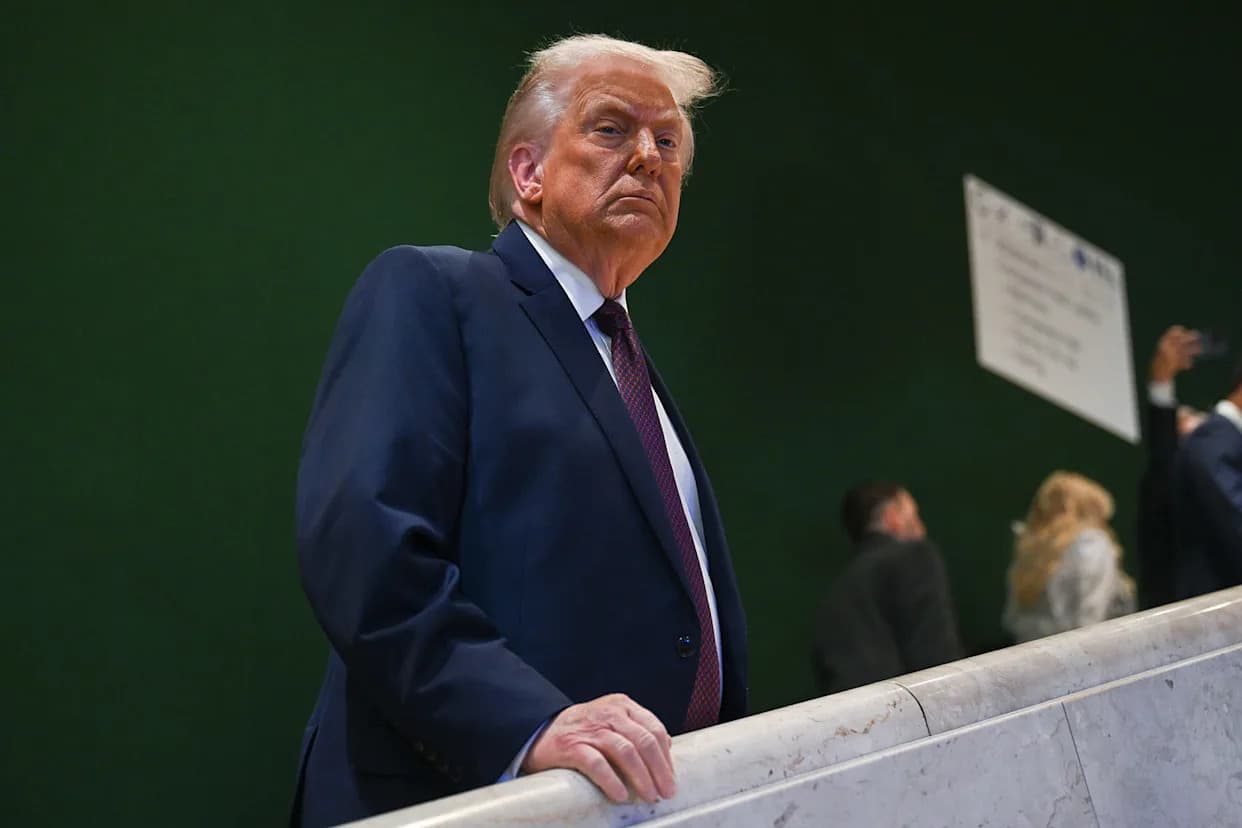
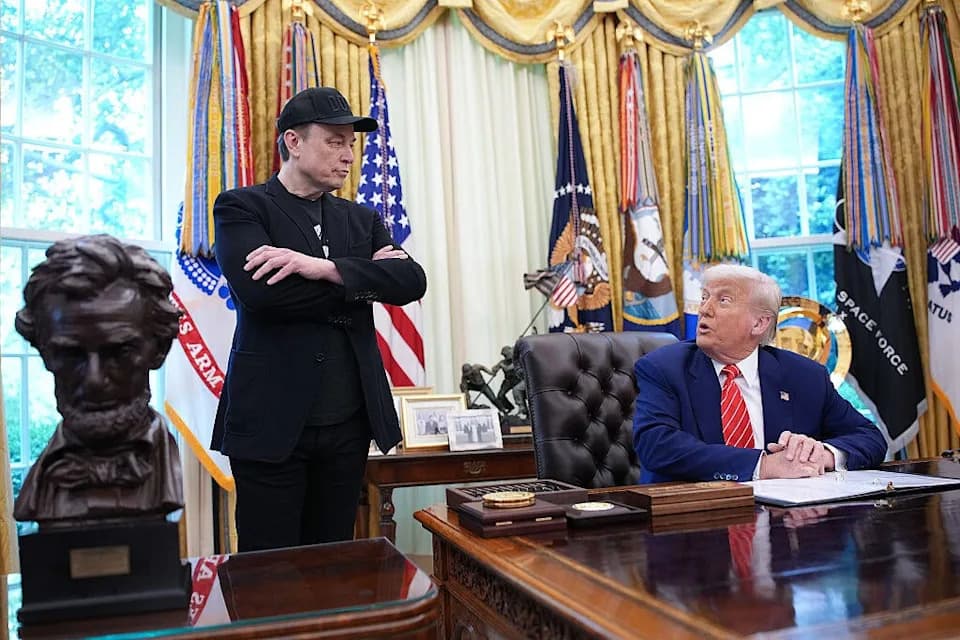
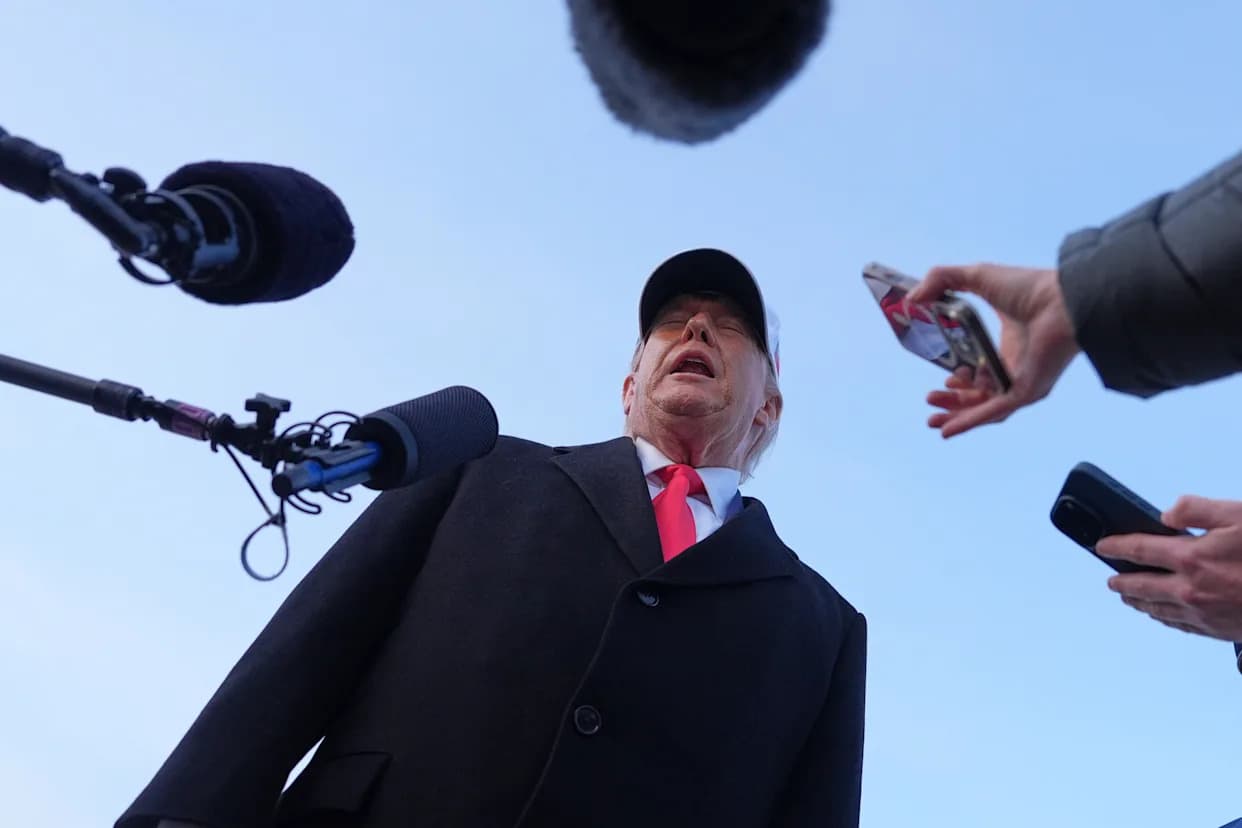
This dynamic has always existed to some degree, but since Donald Trump assumed the presidency Americans have experienced a sharper, more volatile form of political whiplash. Dominating a vast federal apparatus, Mr. Trump and his allies have often prospered amid chaos: sudden tariff threats, abrupt reversals, and brash public pronouncements that unsettle markets and foreign partners.
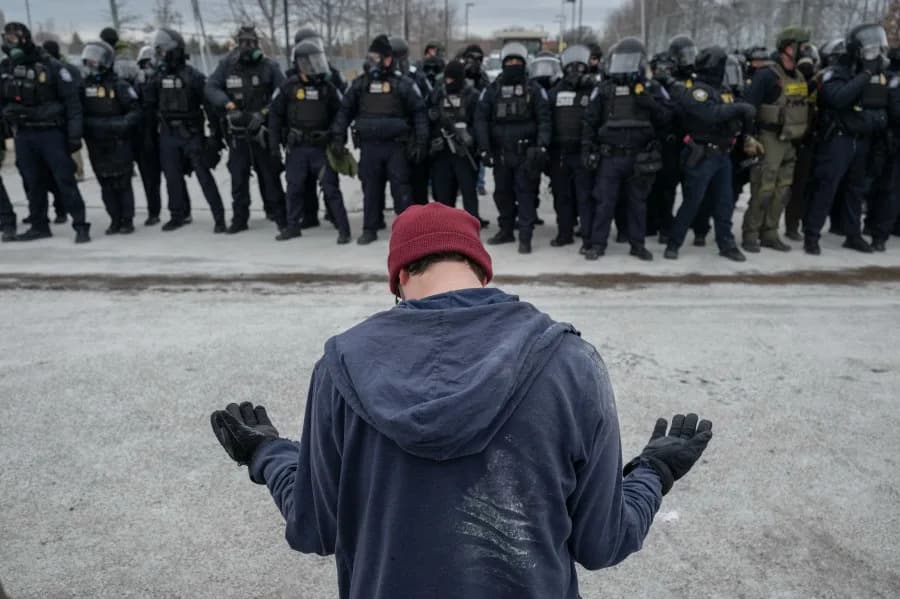
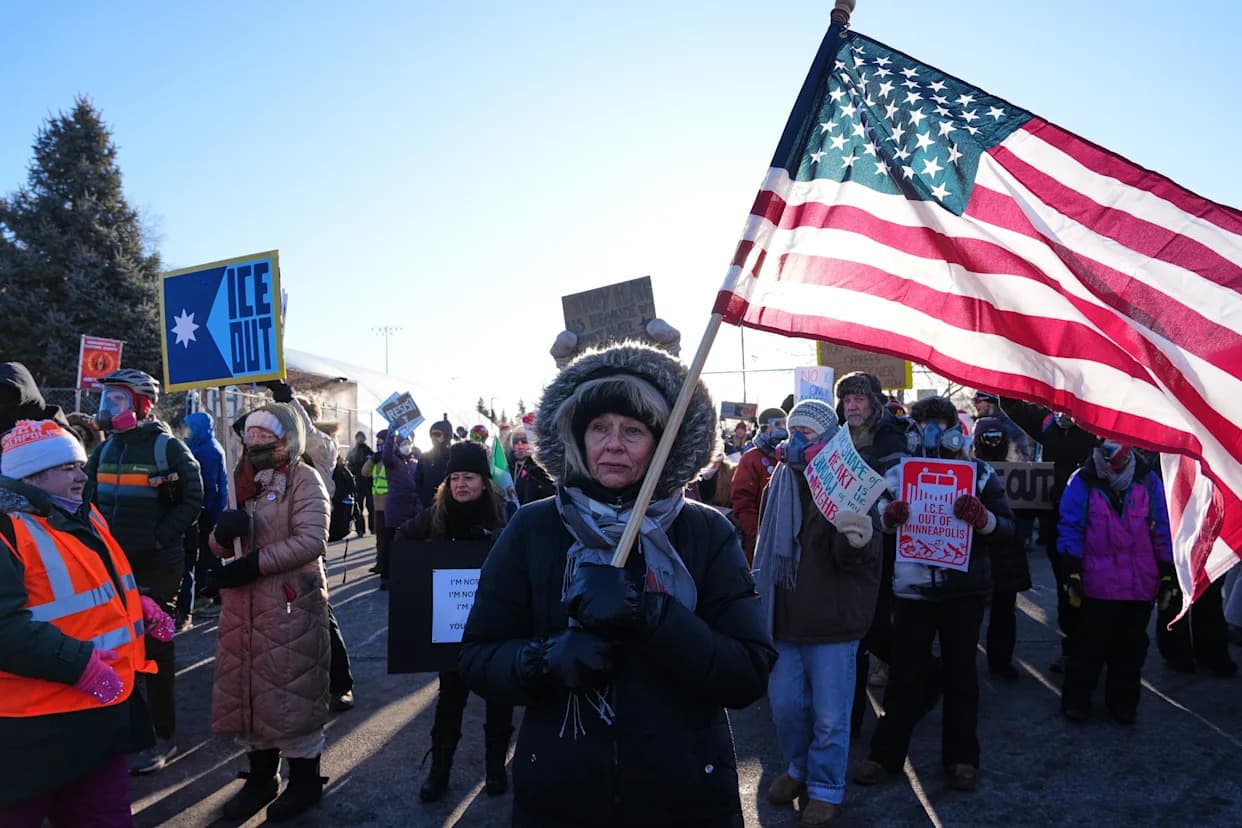
Examples that captured public attention include a tweet-driven tariff escalation strategy, a high-profile exchange in which Mr. Trump suggested he might not "think purely of peace" after failing to receive a Nobel Prize, and a publicly floated plan to acquire Greenland. At the same time, federal immigration enforcement actions in Minneapolis were compared by some observers to militarized interventions, intensifying concerns over how federal agencies are deployed.
Too often the nation breathes a sigh of relief only after a threat is withdrawn — but the uncertainty lingers. Social media speculation about a leader's health or temperament should not dictate national stability. Even rhetoric that casts a president as an almost paternal figure — some supporters have used the nickname "Daddy" — points to a worrying disposition among segments of the public to prefer strongman-style leadership over constitutional restraint.
A Call To Both Sides: Restore Limits
My hope is that opponents of Mr. Trump — including those who have long disagreed with my criticisms of progressive policies — will view this period as a teachable moment about the dangers of concentrated power. A simple, enduring maxim applies across the political spectrum: do not empower a new authority you would not want in your worst enemy's hands. Limitations on executive power protect everyone when the occupant of the office changes.
Conservatives who once championed limited government have sometimes abandoned those principles in the name of expediency. At the same time, progressives have historically sought to expand the administrative state to address social and economic problems — often through taxation, regulation, and greater governmental authority. Their goals can be laudable (environmental protection, labor standards, anti-monopoly measures), but the tools they favor expand the range of decisions placed in the hands of officials rather than individuals.
President Woodrow Wilson, an early progressive, argued for a "New Liberty" that augmented the founding focus on negative rights with a program of positive governmental action: "Without the watchful interference, the resolute interference, of the government, there can be no fair play between individuals and such powerful institutions as the trusts. Freedom today is something more than being let alone."
Since that 1912 address, the federal administrative state has grown into a dense web of agencies and regulations. The national debt and the scope of federal involvement in daily life — the article cites a $38.4 trillion figure for national obligations — underscore how large and consequential the modern state has become. Many contemporary progressives press for even more expansive taxes, benefits, and rules.
Rhetoric from some public officials adds to the debate: New York City Council Member Zohran Mamdani’s inaugural remark about replacing "the frigidity of rugged individualism with the warmth of collectivism" illustrates how appealing collectivist language can be to some, even as historical examples show collectivist systems often fall short of the warmth they promise.
Conclusion: Strengthen Guardrails, Not Personal Power
If both sides remember the importance of constitutional checks and institutional guardrails, the nation will be better protected against the whims of any single leader. Limiting executive power, reinforcing the rule of law, and restoring a shared commitment to constrained government can help ensure that policy debates are settled by institutions and democratic processes — not by the temperament of an individual.
Originally published in The Orange County Register; republished by Reason.com.
Help us improve.