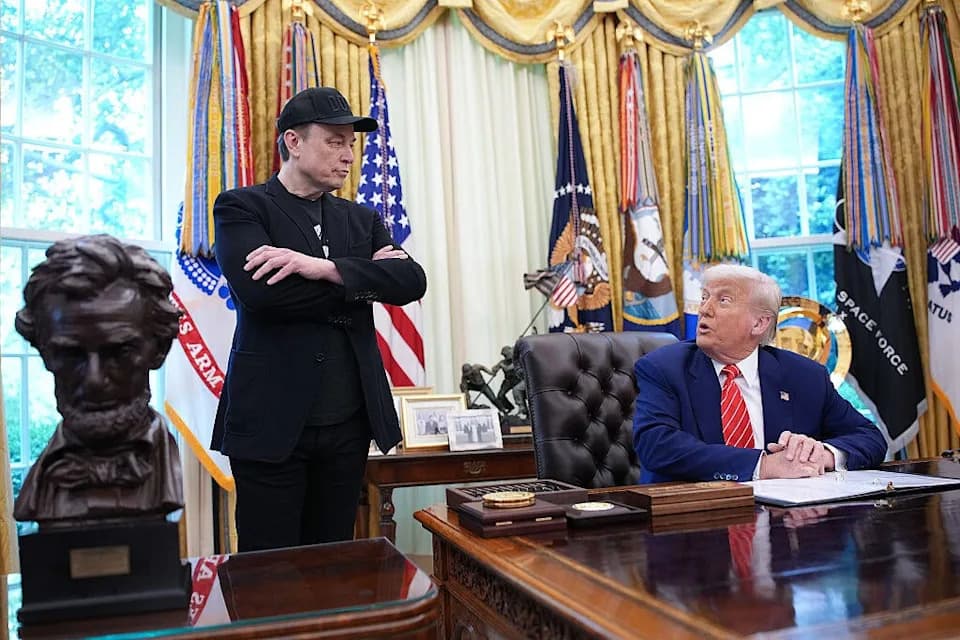
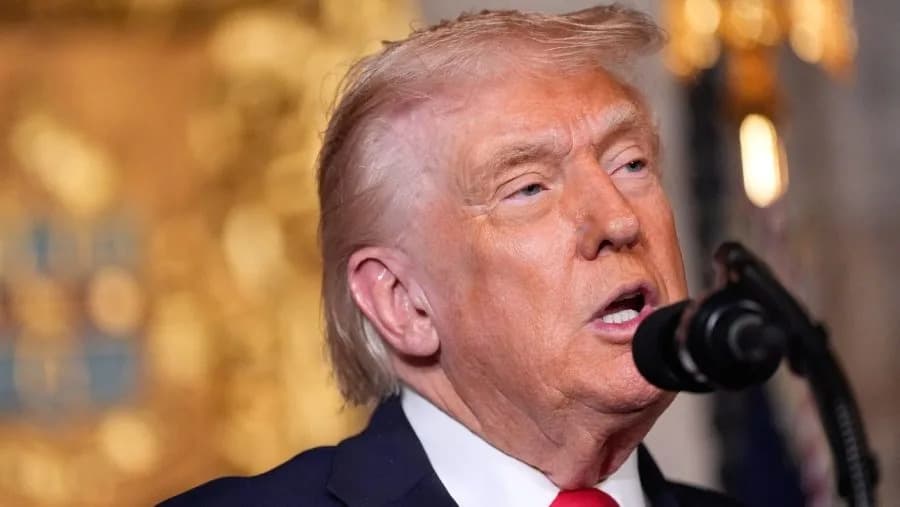
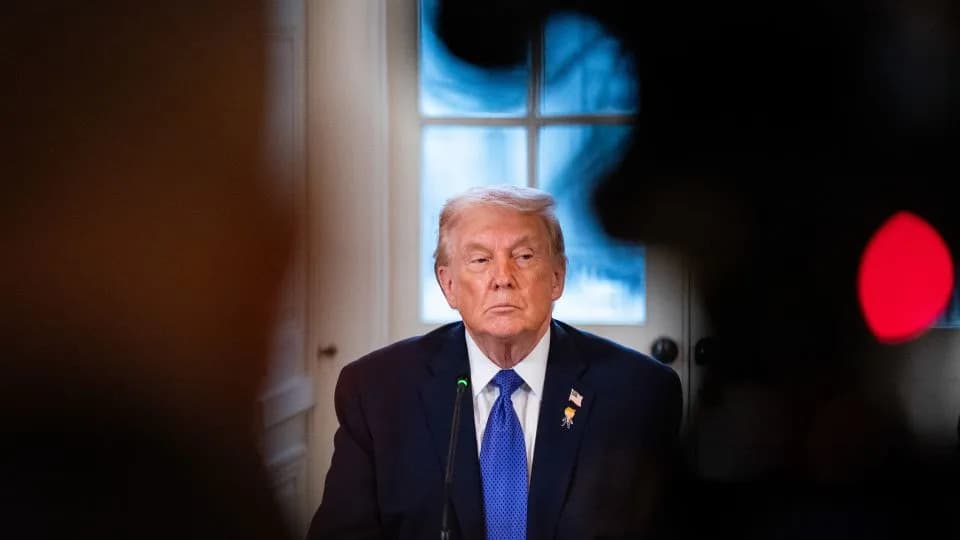
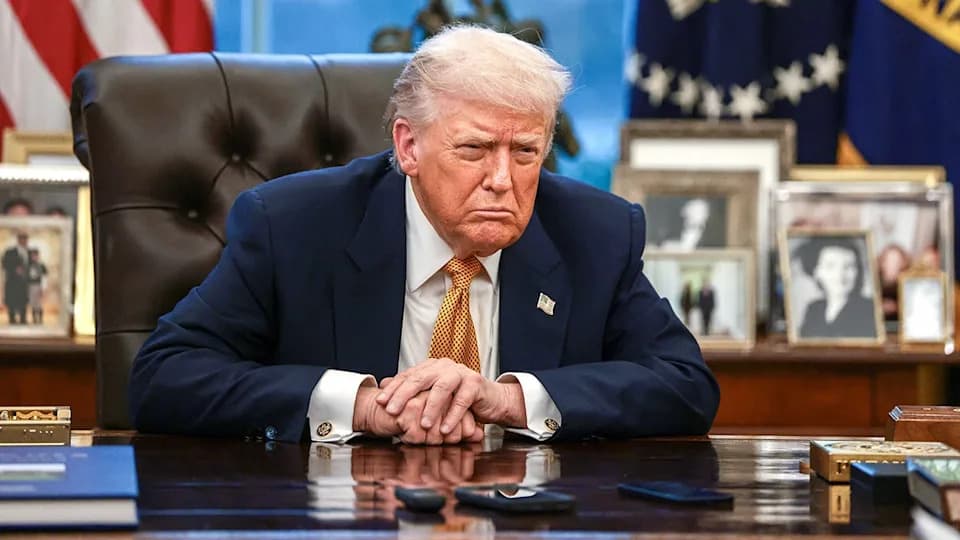
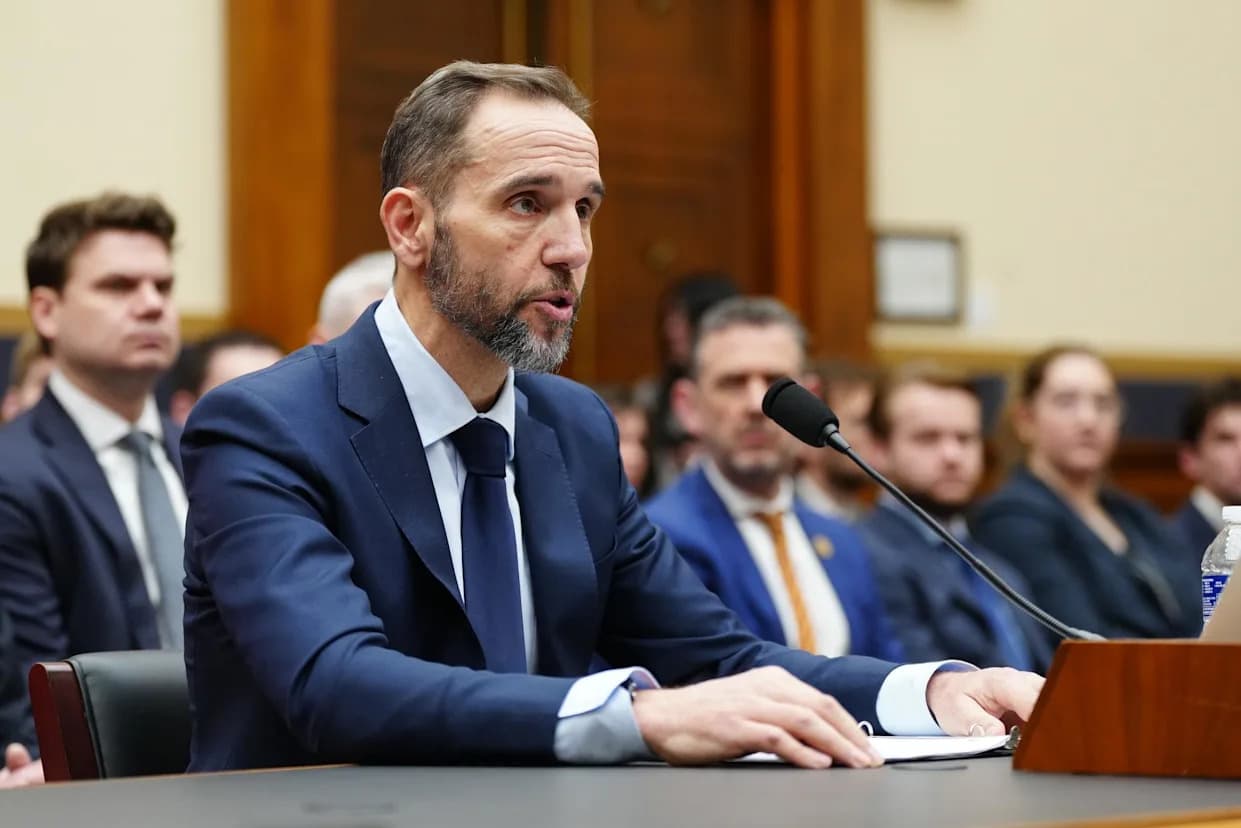
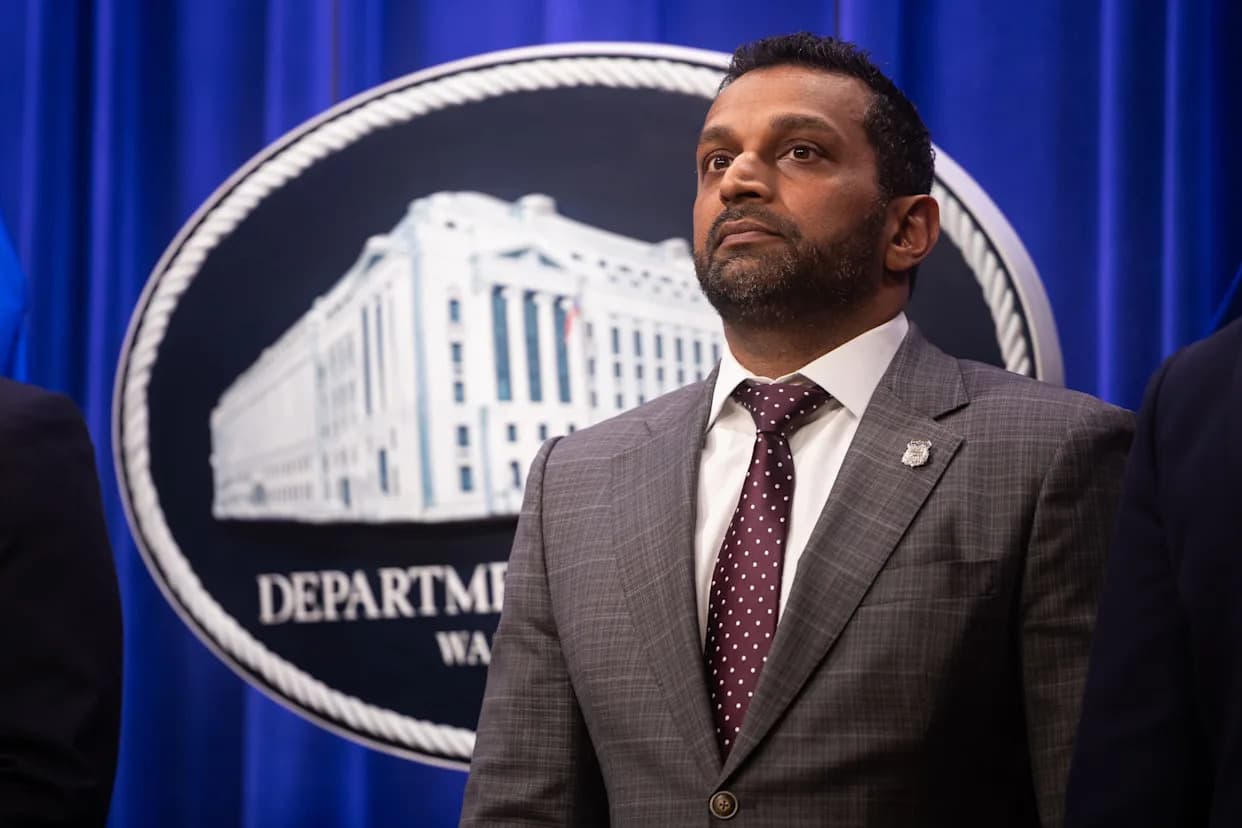
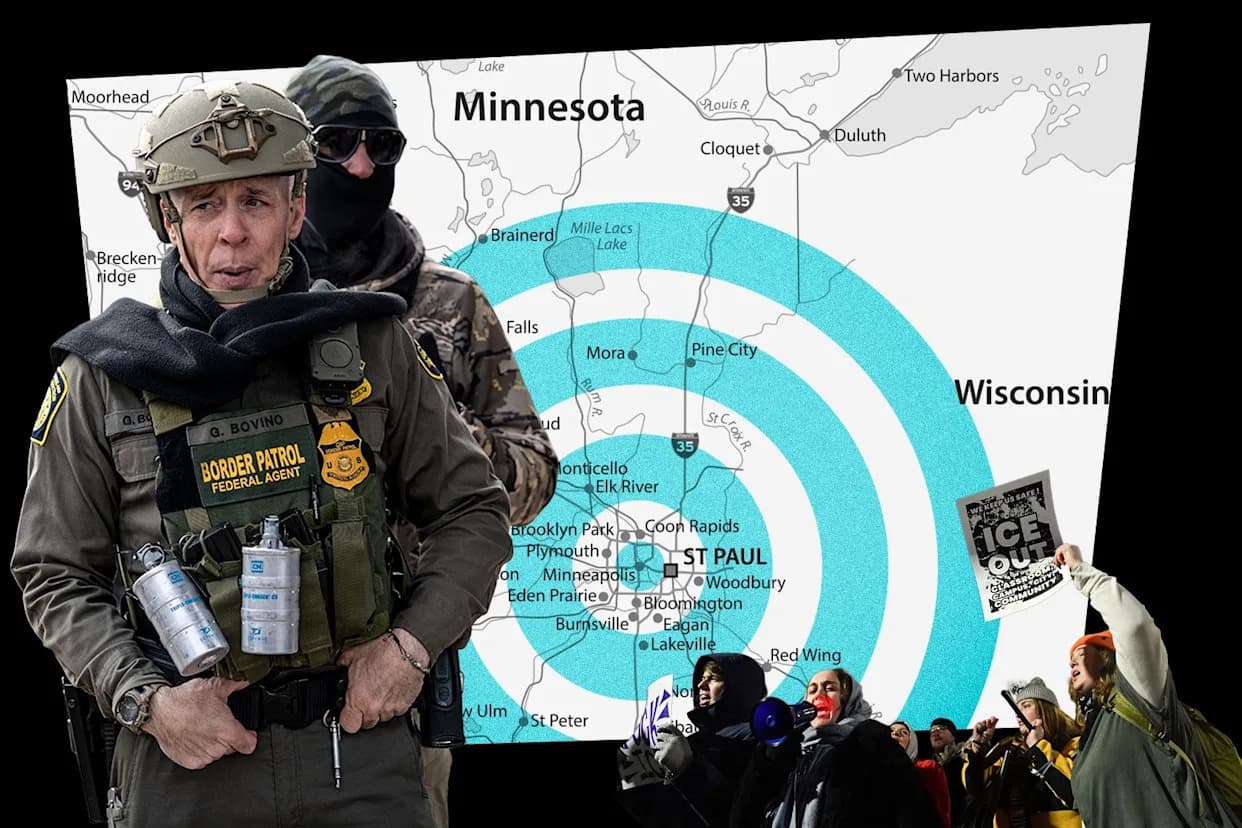
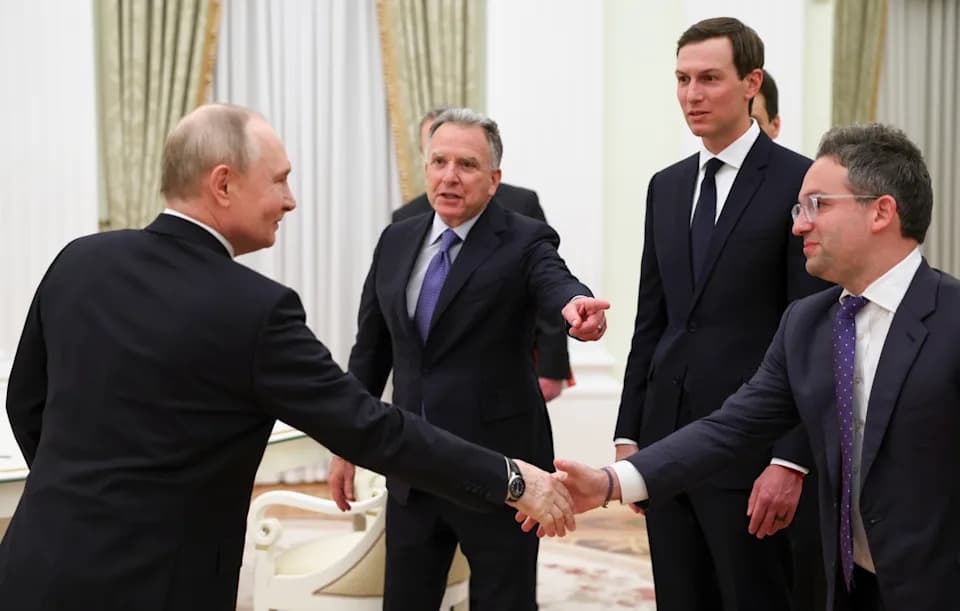
Donald Trump’s second inauguration was followed by a concerted push to expand executive authority at the expense of Congress. The administration has fired leaders at independent agencies, sought to shrink federal staff, proposed dismantling the Department of Education, and used emergency powers for tariffs and military operations. Many actions face lawsuits and potential Supreme Court review, but experts warn that broken norms and precedent may be difficult to reverse.
A Year of Executive Overreach: How Trump Has Tried to Erode Congress’s Powers
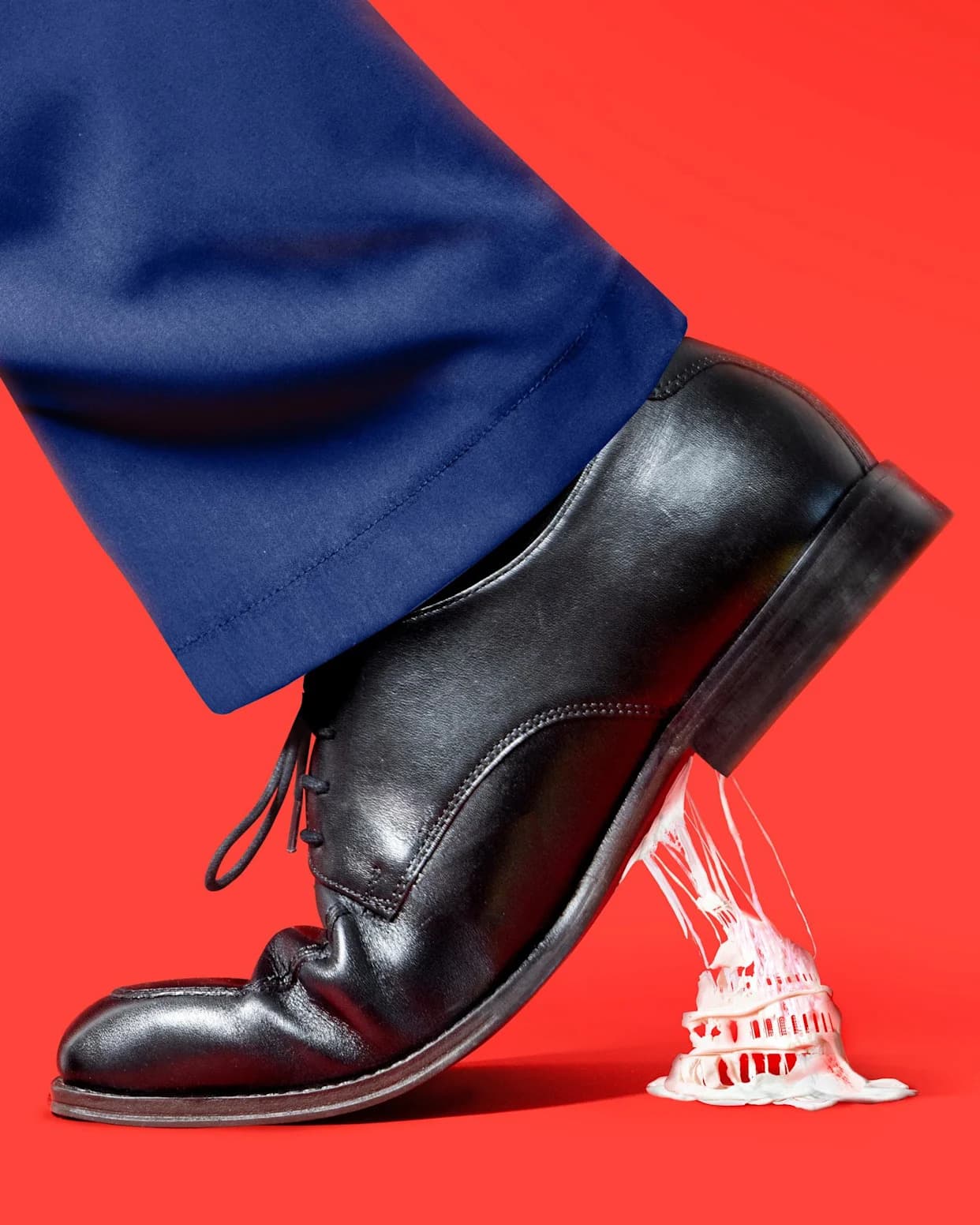
‘We’ve seen new and different ways that the executive branch has tried to intrude into congressional power’, Molly Reynolds of the Brookings Institution said.Illustration: Doug Chayka/The Guardian(Illustration: Doug Chayka/The Guardian)
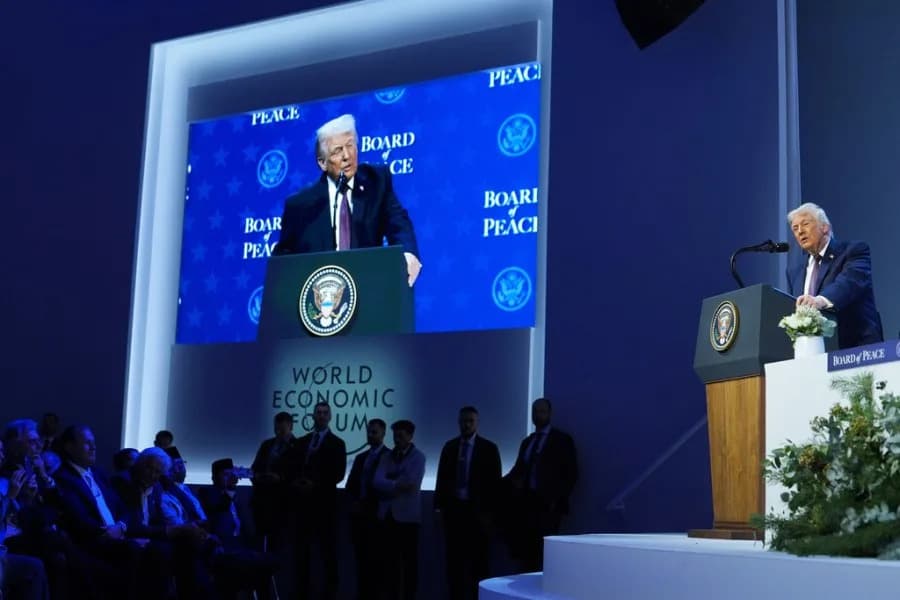
Frigid January weather moved Donald Trump’s second inauguration into the rotunda of the US Capitol — the symbolic heart of Congress. Almost immediately after leaving that room, the president embarked on a sustained effort to shift authority from lawmakers to the executive branch, according to experts and lawmakers.
Escalation of Executive Action
Over the past year, the administration has pursued a range of actions that critics say usurp congressional prerogatives: removing leaders of independent agencies, shrinking or reorganizing federal offices, withholding funds appropriated by Congress, invoking emergency authorities to impose tariffs, and authorizing a cross‑border operation that detained Venezuela’s president, Nicolás Maduro, and brought him to the United States for trial without advance notice to Congress.
“What we have seen over the past year represents a real escalation by the executive branch of its intrusion into things that are historically powers of Congress.” — Molly Reynolds, Brookings Institution
Targeting Independent Agencies
In the days after his inauguration, Mr. Trump removed Senate‑confirmed leaders of agencies designed to operate independently, including the National Labor Relations Board, the Merit Systems Protection Board and the Federal Trade Commission. In 2025, he also sought to remove a Federal Reserve governor and opened a criminal inquiry into Fed chair Jerome Powell amid disputes over interest‑rate policy — moves that legal scholars and congressional experts called unprecedented and potentially unlawful.
Workforce Cuts and Departmental Restructuring
The administration has pursued broad reductions in the federal workforce through firings and incentives to resign. It has also proposed dismantling the Department of Education and reallocating its responsibilities across other agencies — a structural change that raises legal and constitutional questions about unilateral executive authority over congressionally created institutions.
Emergency Powers and Military Action
Mr. Trump has repeatedly invoked emergency authorities to impose tariffs and justify operations abroad. The raid that captured President Maduro followed months of strikes the administration said targeted drug shipments; Democrats criticized the operation for proceeding without congressional authorization or advance notice.
Legal Challenges and Institutional Limits
Many administration actions now face litigation and are likely to reach the Supreme Court. Scholars warn that even when courts or Congress eventually act, the practical effect of eroded norms can be long‑lasting. Still, there have been moments of pushback: a small bipartisan coalition forced passage in the House of an extension of Affordable Care Act tax credits, and lawmakers approved the Epstein Transparency Act over White House resistance.
“Once set loose in this way, it’s very hard to regather presidential powers gone wild.” — Rep. Jamie Raskin
Political Context
Republicans control both chambers but hold narrow margins. Most major legislation still effectively requires 60 votes in the Senate, limiting the GOP’s ability to resolve disputes with legislation alone. That structural reality helps explain why the president has leaned heavily on executive tools to achieve policy goals — a pattern that some Republicans defend as consistent with past administrations and others warn sets dangerous precedents.
What’s Next
Legal battles and legislative skirmishes will likely determine which of these changes endure. Experts emphasize that norms and statute together once constrained executive reach; erosion of those norms, they warn, may empower future presidents of any party to expand unilateral authority.
Help us improve.