The Trump administration has increasingly labeled protests, vandalism and other unrest as "terrorism," a practice critics say dilutes the term and risks chilling constitutional rights. Video from Minneapolis shootings and other incidents has complicated official narratives, while DHS denied operating a "domestic terrorist" database referenced in footage. Legal experts and lawmakers warn that broad or politicized uses of "terrorism" weaken credibility and can blur the line between national-security and criminal-justice measures.
Trump 2.0 Sees Terrorism Everywhere — The Risks Of Expanding A Loaded Term
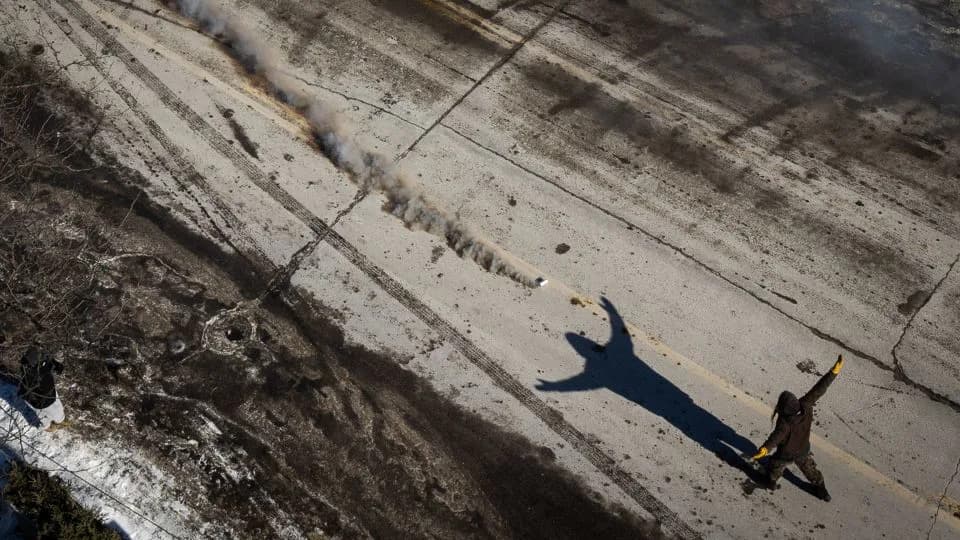
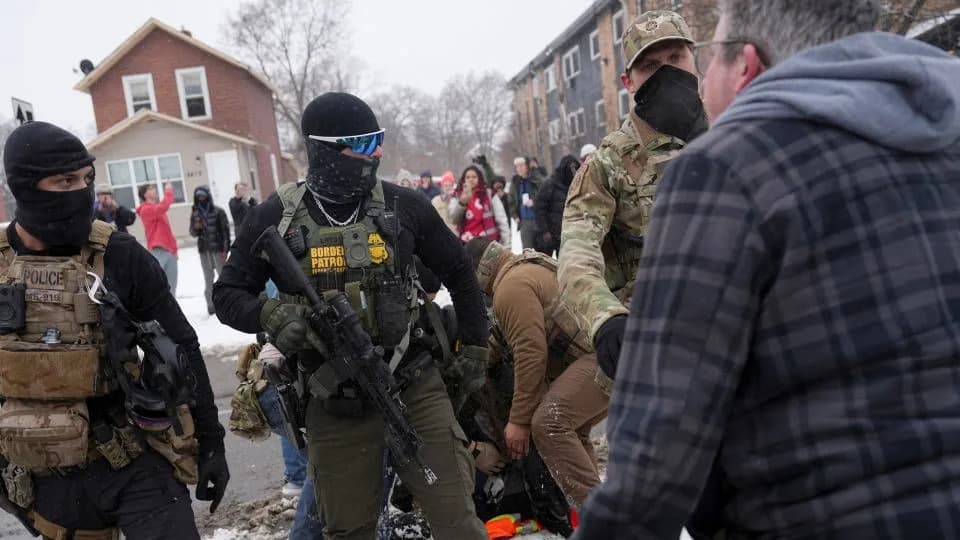
A person walks toward a tear gas canister in Minneapolis on January 24. - Ben Hovland/Minnesota Public Radio/AP
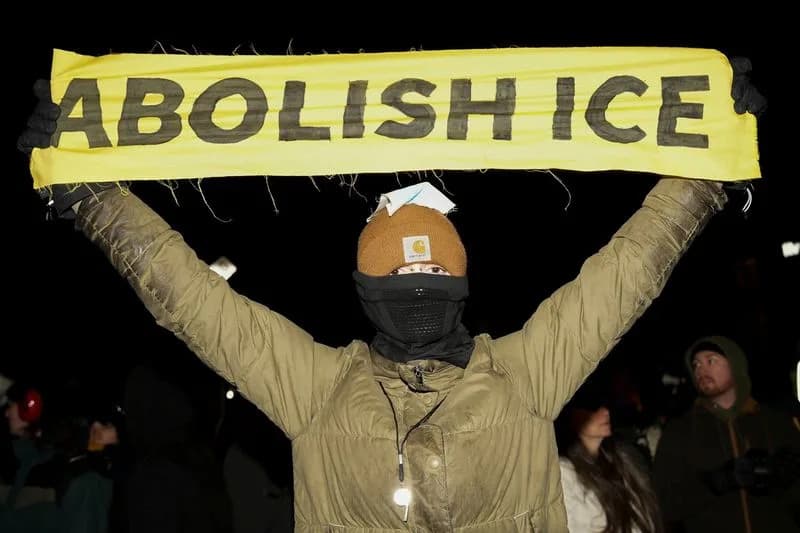
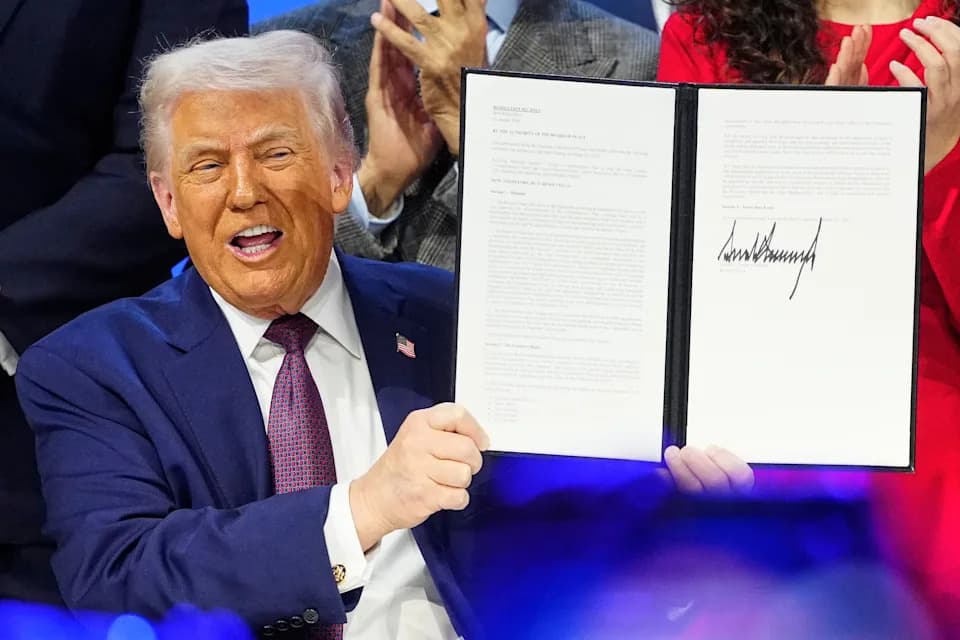
The second Trump administration frames a wide range of dissent, unrest and foreign threats with one of the most consequential labels in public life: "terrorism." Critics warn that stretching the definition to encompass protests, vandalism and political opponents weakens the term, risks chilling speech, and blurs the line between legitimate law enforcement and political repression.
Minneapolis Shootings And The 'Domestic Terrorist' Label
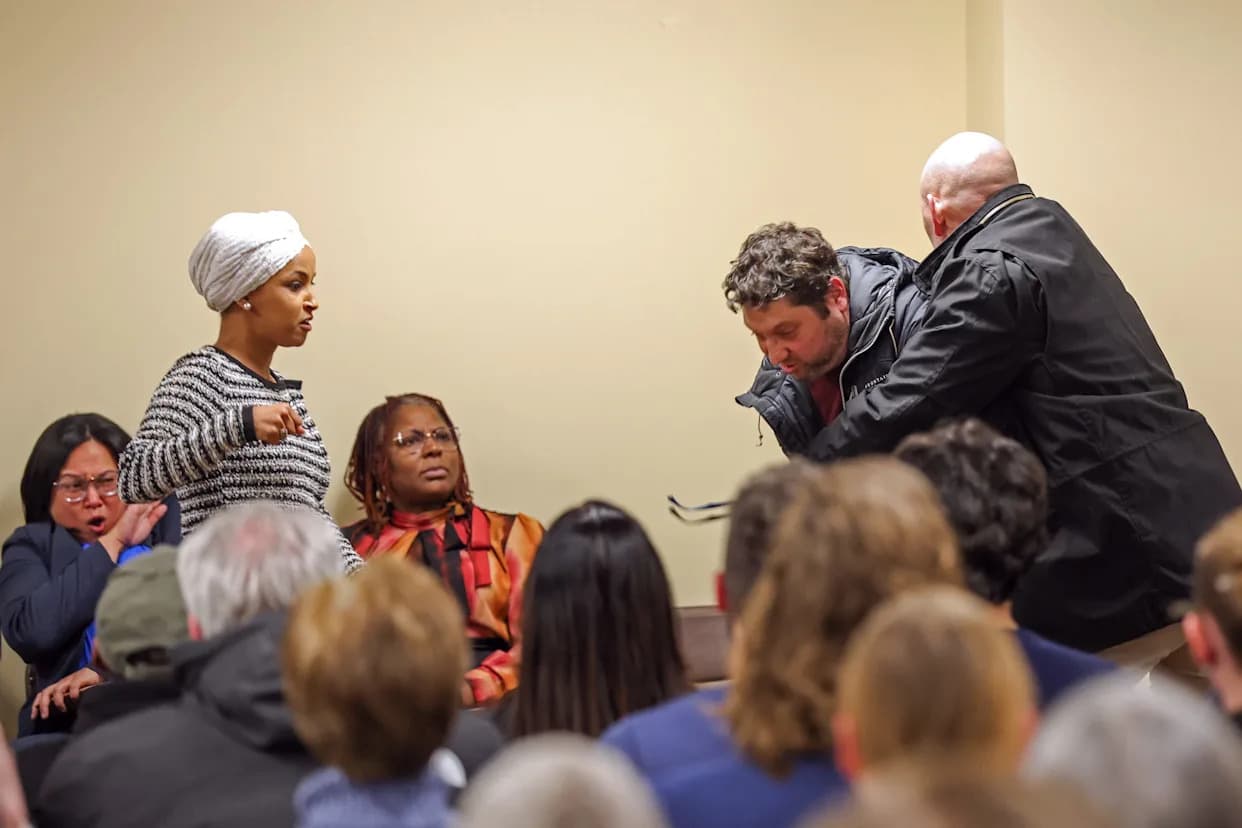
Two Minneapolis incidents this month — the fatal shootings of Alex Pretti and Renee Good by federal agents — prompted sharp public debate after some administration allies and conservative commentators described the victims as "domestic terrorists." Video released of both incidents has complicated official accounts and intensified scrutiny of how federal agents describe and treat protesters and suspects.
Claims Of A 'Database' And Official Denials
In video captured earlier this year in Portland, Maine, a masked agent is heard telling an observer: "We have a nice little database, and now you're considered a domestic terrorist." The Department of Homeland Security later told reporters that "there is no database of domestic terrorists run by DHS," a clarification that prompted questions about who, if anyone, is compiling such lists and how such data are being used.
Portland, National Guard Plans And Rhetoric
Last September, the White House announced it would send federal forces to Portland, Oregon, describing the mission as an effort to "Crush Violent Radical Left Terrorism." The move sparked further protests and was later constrained by courts that blocked broader planned federal deployments, including use of the National Guard in some cities.
Foreign Policy Uses Of 'Terrorism'
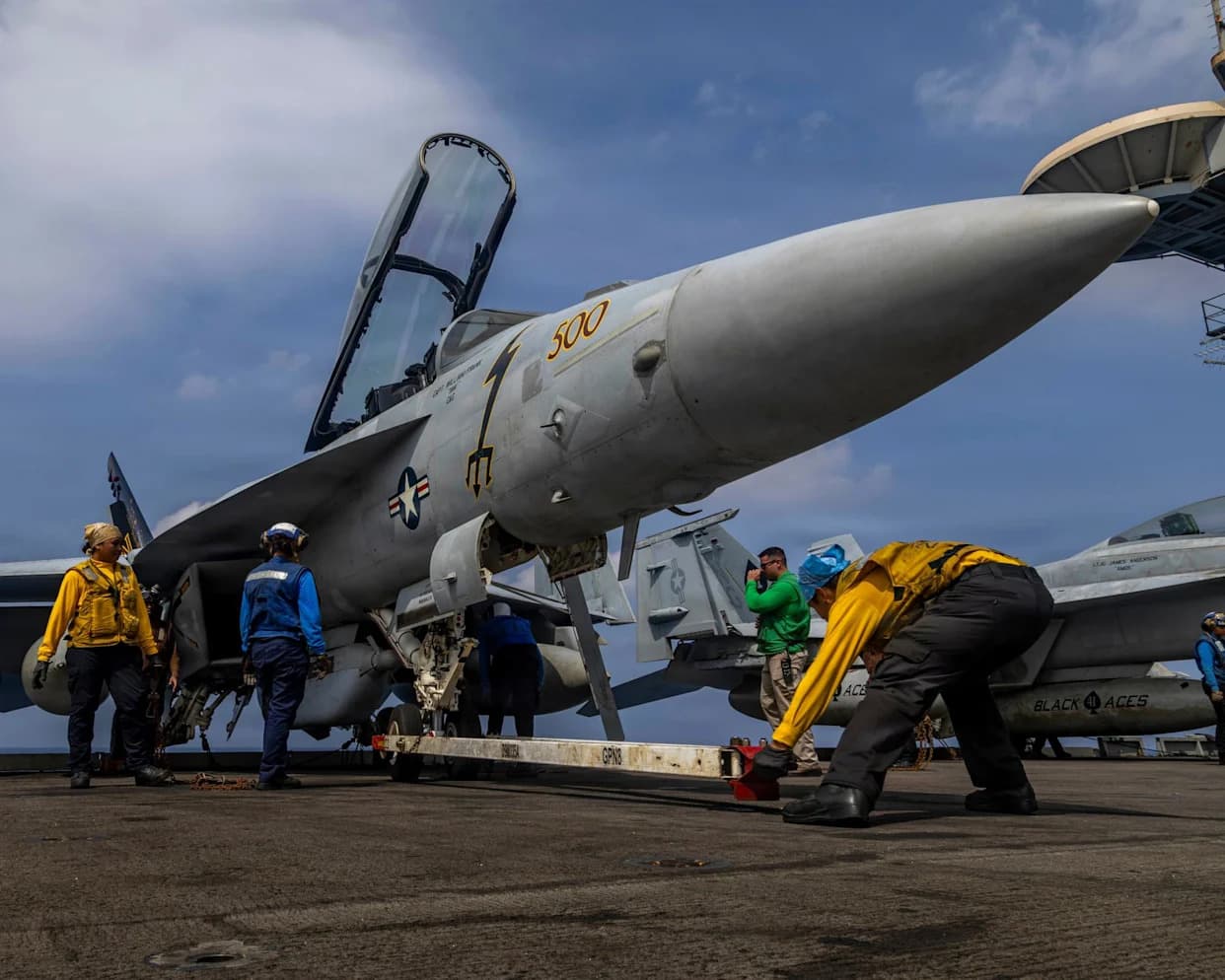
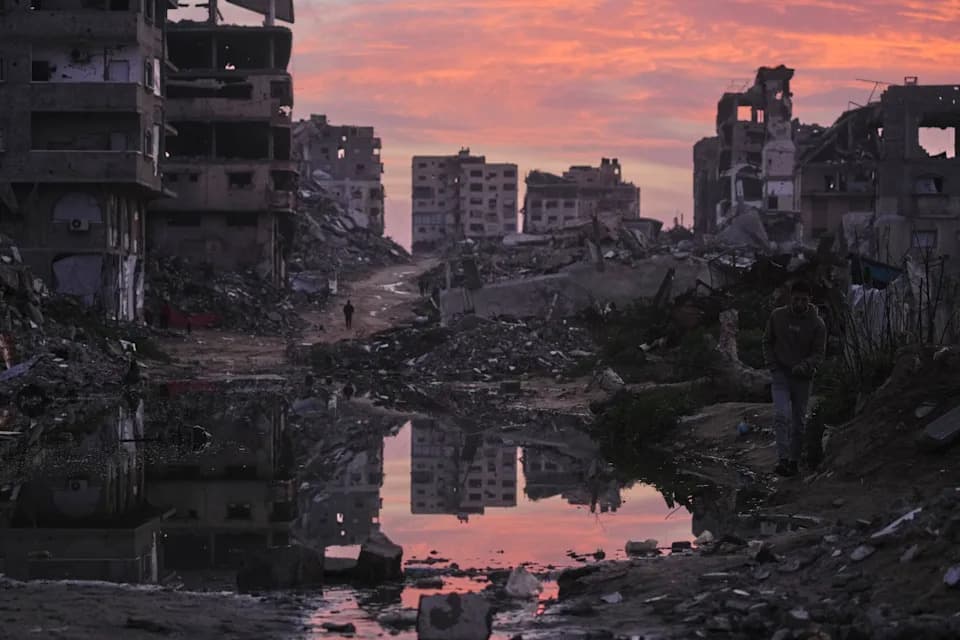
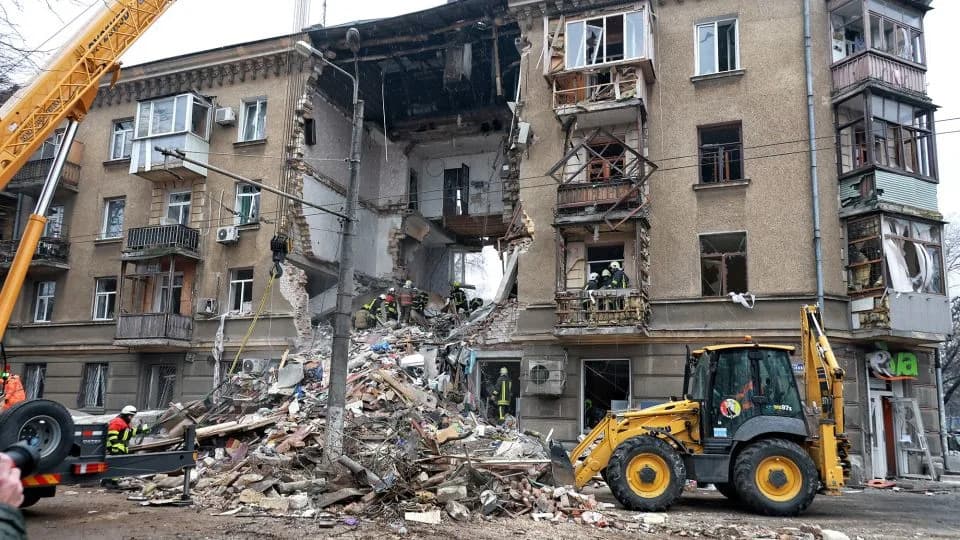
The administration has also applied "terrorism" language in foreign operations — for example, in operations targeting alleged drug-running vessels described in some briefings as part of a fight against "narco-terrorists." Legal experts and human-rights observers have cautioned that treating interdiction, criminal activity or drug trafficking as terrorism can lead to extrajudicial approaches and muddy the boundary between national-security and criminal-justice responses.
There have been public claims and some reporting about aggressive actions abroad and strong rhetoric toward foreign leaders accused of illicit ties to drug networks. Some such claims remain disputed or unverified in public records; reporting and official statements should be judged on the available evidence.
Legal Definitions And Expert Warnings
U.S. law includes a specific definition of terrorism that focuses on acts intended to intimidate or coerce a civilian population or government by endangering life or violating criminal law. Many legal and national-security experts say that label does not neatly fit acts of protest, vandalism or isolated violent incidents without evidence of a broader effort to intimidate a population.
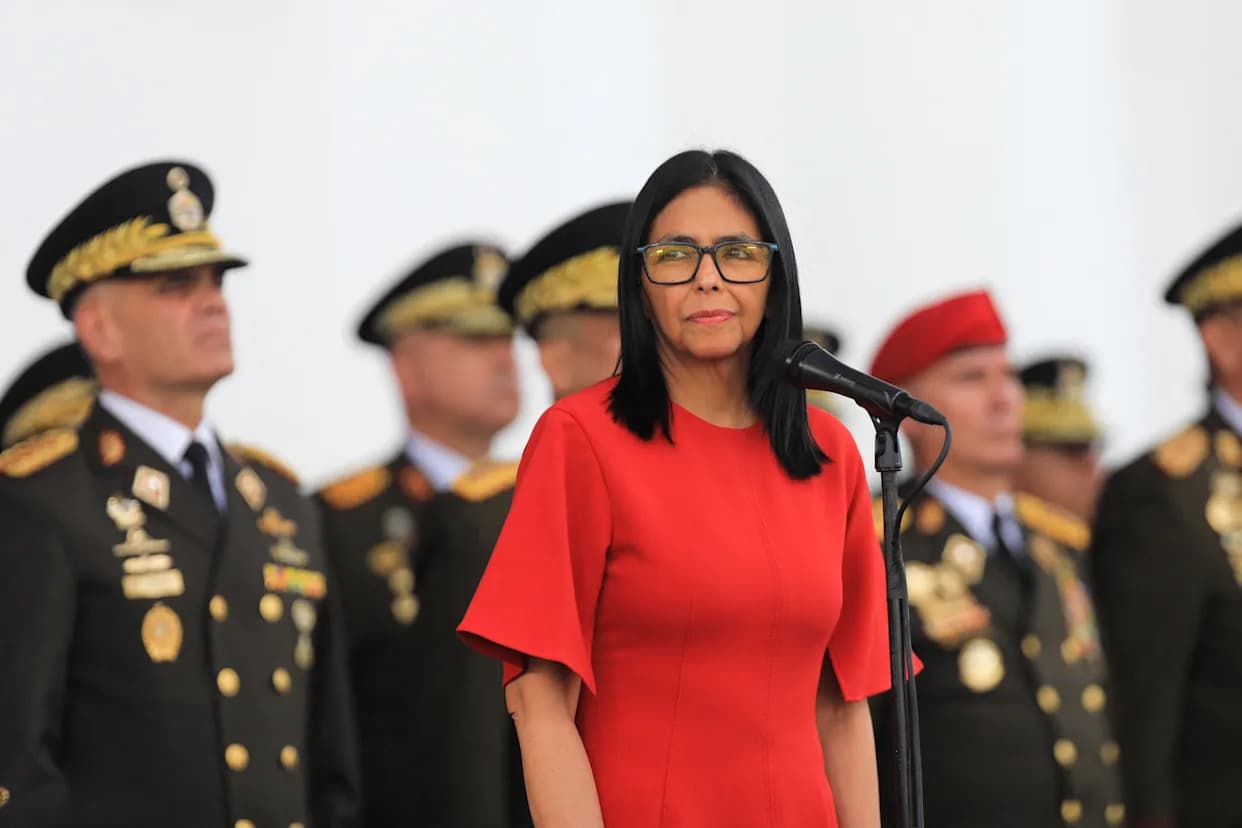
"They Are Using The Term Terrorist To Basically Define Any Group Of People Who Criticize Them," Juliette Kayyem, Former DHS Official And CNN Analyst, Said Of The Administration's Rhetoric.
Similarly, a senior Justice Department official observed that some widely used descriptions do not map cleanly onto the statute's legal definition and cautioned against prejudging incidents without a clear factual record.
Political And Constitutional Consequences
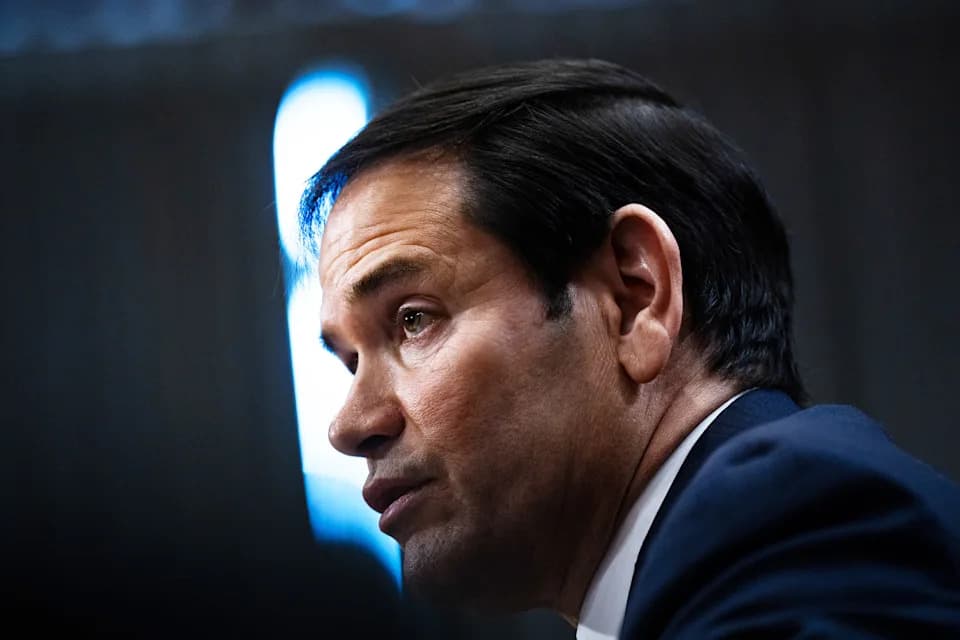
Critics, including Sen. Cory Booker, argue that conflating protest and political opposition with "terrorism" undermines government credibility and risks chilling First Amendment protections for free speech and peaceful assembly. When inflammatory labels are applied broadly, they can delegitimize dissent and normalize an atmosphere of political hostility that may feed escalating violence.
Broader Climate Of Political Violence
The nation has seen several high-profile killings and attacks in recent years that underscore heightened political tensions. Observers warn that misuse of charged terms like "terrorism" could contribute to a climate in which violence becomes an extension of political disagreement rather than an aberration to be universally condemned.
Conclusion
Language matters. Reserving the term "terrorism" for conduct that meets its legal and moral meaning helps protect civil liberties and ensures that security measures remain proportionate and accountable. Broad, politically motivated applications of the term risk eroding public trust, stretching legal authorities, and deepening social division.
Help us improve.