Summary: The authors contend that the Trump administration’s second-term agenda relies on cruelty and intimidation across multiple policy areas. They highlight lethal maritime strikes, family separations and mass deportation threats, the illegal deportation of Kilmar Abrego Garcia, a ban on transgender military service, and the closure of USAID as emblematic actions. These policies have prompted legal challenges and raised questions about America’s moral leadership.
Fear and Loathing in Trump’s America: When Policy Becomes Punishment
“You’ve got to be taught / To hate and fear / You’ve got to be taught from year to year… You’ve got to be carefully taught.”
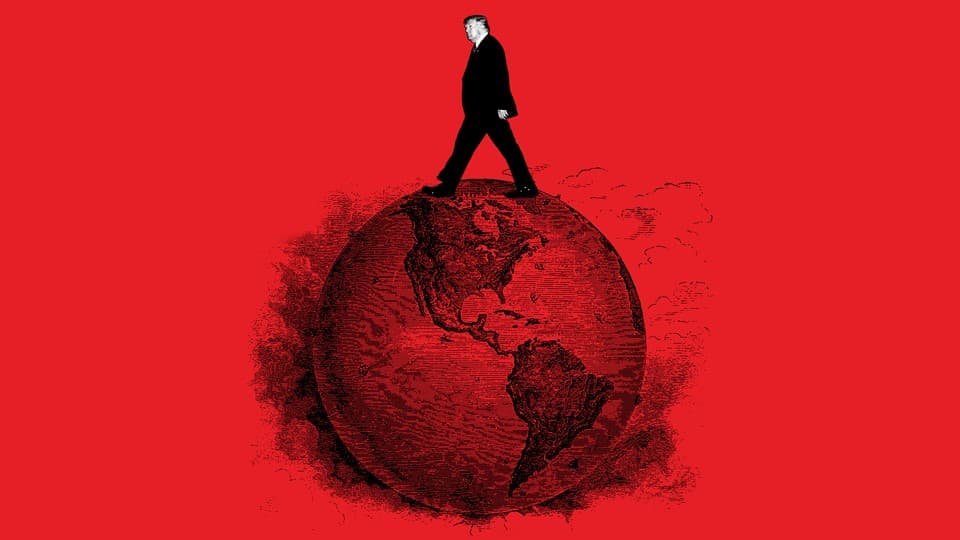
The authors argue that President Trump has embraced the lesson Lieutenant Joseph Cable describes in the musical South Pacific: rather than unlearning taught prejudices, his rhetoric and policies often amplify them. Across immigration, national security, and domestic social policy, the administration’s approach frequently relies on cruelty and intimidation as instruments of governance.
Cruelty Framed as Deterrence
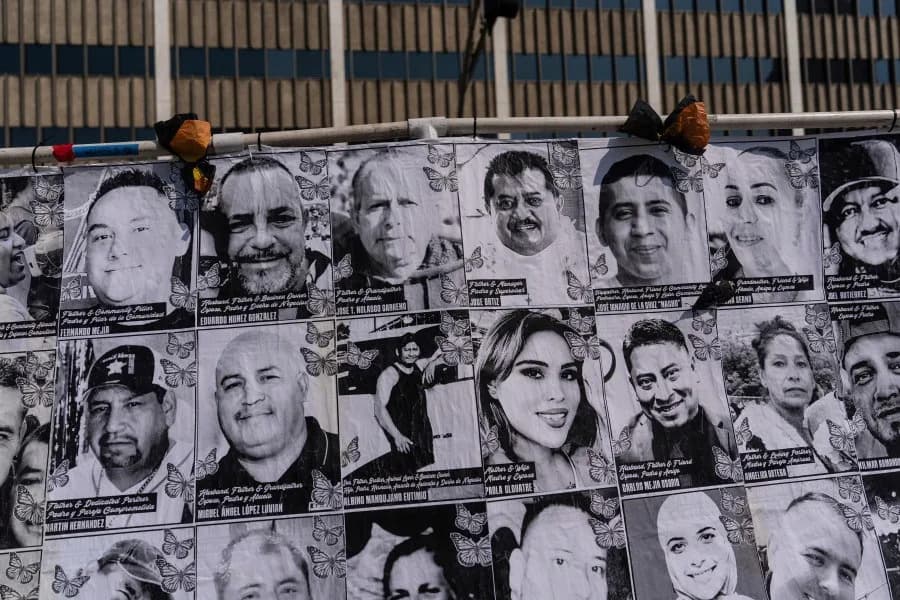
In September, U.S. forces struck a speedboat off Venezuela’s coast suspected of carrying narcotics; when two men clung to an overturned hull, a follow-up strike killed them. The administration defended the action as a deterrent—"to serve notice"—but critics note the strikes may not deter the impoverished fishermen and farmers who crew such boats and that killing survivors forecloses opportunities to gather intelligence on trafficking networks.
Immigration: Separation, Deportations, and Fear
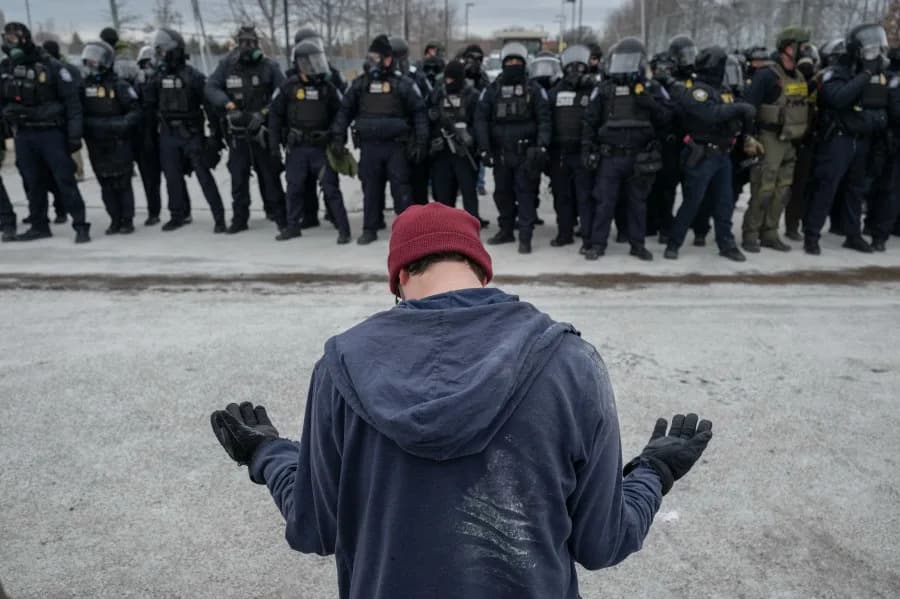
Immigration policy is where the pattern of punitive measures is most pronounced. During the president’s first term, thousands of migrant children were separated from their families. On the first day of the second term, the administration dismantled a task force that had been working to reunite separated children with their families. Executive orders proposed mass expulsions, revocation of birthright citizenship for children of immigrants, and expanded use of military resources to maximize detentions and arrests, including longstanding residents.
The administration halted the U.S. refugee-resettlement program and restricted asylum access, moves described by critics as "breathtaking in scope and cruelty." After an attack that killed two National Guard members, thousands of Afghan refugees—including people who had assisted U.S. forces and face persecution if returned—were threatened with deportation.
Notable Cases and Domestic Actions
In March 2025, Kilmar Abrego Garcia, a Salvadoran man living in the U.S., was deported to El Salvador and sent to CECOT, a mega-prison known for harsh conditions. Officials later called the removal an "administrative error," but initial refusals to seek his return persisted even after the Supreme Court ordered the government to "facilitate" his repatriation. When Abrego was returned to the U.S. on smuggling charges, ICE reportedly threatened to deport him elsewhere; a federal judge ordered his release pending further proceedings.
On Christmas Day 2024, the president publicly denounced 37 men whose death sentences had been commuted by his predecessor. After taking office, many of those men were transferred to a federal supermax facility where inmates are housed in near-total isolation—overriding policies that consider inmates’ medical needs and security risks when making placement decisions.
Early in the second term, the administration also banned transgender Americans from serving in the military, ended careers of service members who were serving honorably, moved transgender women into men’s prisons in some cases, and threatened to withhold federal funds from hospitals that provide gender-affirming care to minors.
Targeted Funding Cuts and Global Impact
The administration froze $185 million in federal funds to Minnesota day care centers amid fraud allegations that were amplified by political podcasters; critics said the action disproportionately targeted Somali immigrant providers. In January, $10 billion intended for child care and social services in several Democratic-led states was similarly frozen; a federal judge temporarily blocked that move.
Perhaps the most consequential international cut was the shuttering of the U.S. Agency for International Development (USAID). The administration characterized the agency’s programs as wasteful; independent analysts note USAID’s long record in global health, development, and humanitarian relief and warn that closing it could have severe consequences, with estimates suggesting millions of lives could be affected by 2030.
Public Reaction and Moral Questions
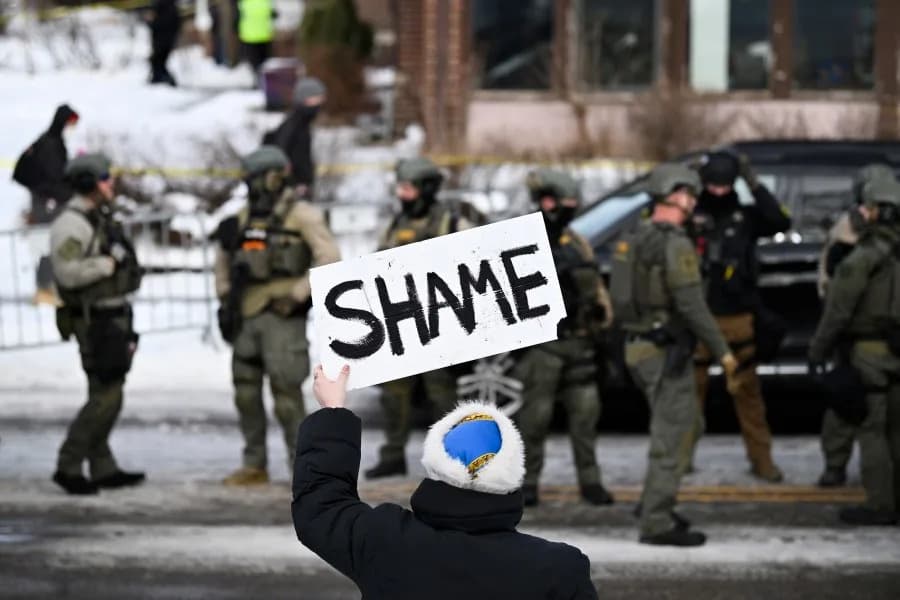
A recent poll cited in the piece finds that 61 percent of Americans say the U.S. should be a moral leader, but only 39 percent believe it currently is—a fall from 60 percent in 2017. The authors echo Dr. Martin Luther King Jr.’s warning that the greater tragedy may be the "appalling silence" of too many good people when cruelty goes unchallenged.
“The ultimate tragedy is not the oppression and cruelty of the bad people but the appalling silence of the good people.” — Dr. Martin Luther King Jr.
Authors: Glenn C. Altschuler is the Thomas and Dorothy Litwin Emeritus Professor of American Studies at Cornell University. David Wippman is emeritus president of Hamilton College.
Copyright 2026 Nexstar Media, Inc. All rights reserved. This material may not be published, broadcast, rewritten, or redistributed.
Help us improve.