Quick Take: President Trump began 2026 by rejecting a "lame duck" label and pursuing a forceful agenda at home and abroad. The administration says it has removed Nicolás Maduro in Venezuela and plans to assert control over oil exports, has pressured for Greenland and Cuba concessions, and is expanding immigration enforcement despite controversy over the death of a Minneapolis resident. Federal Reserve Chair Jerome Powell alleged a politically tinged inquiry into Fed renovations, while advisers reportedly presented military options for Iran — a mix that raises questions about institutional independence, regional stability and domestic political costs.
Trump Rejects ‘Lame Duck’ Tag, Escalates Global Ambitions and Domestic Retribution
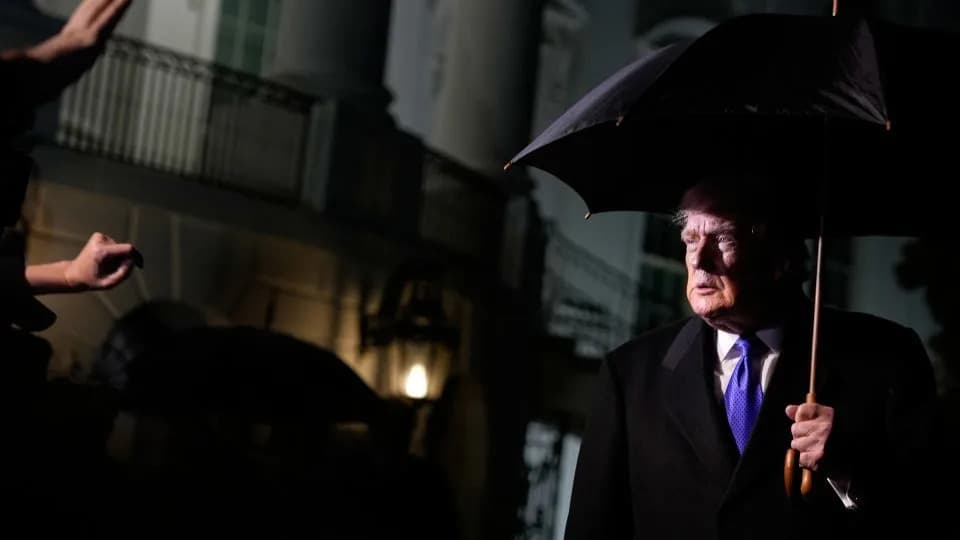
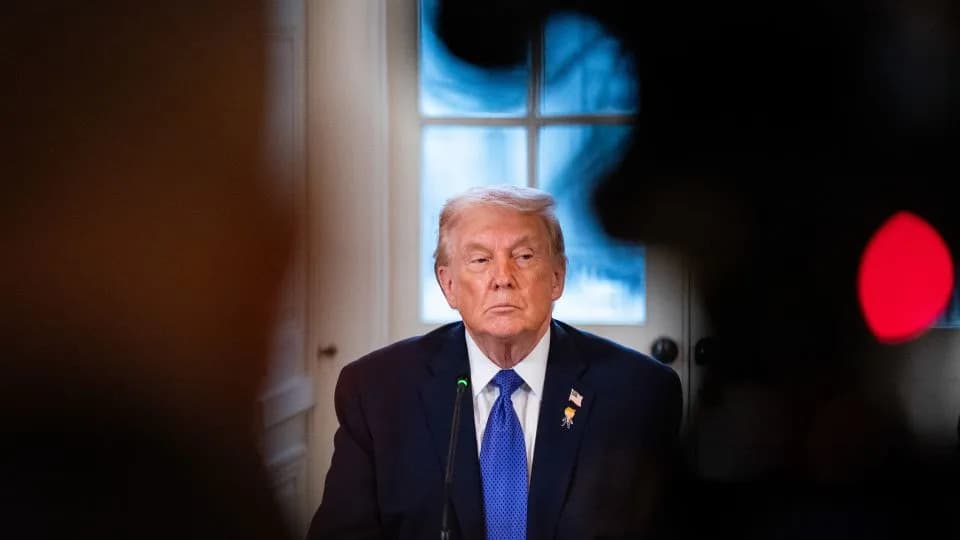
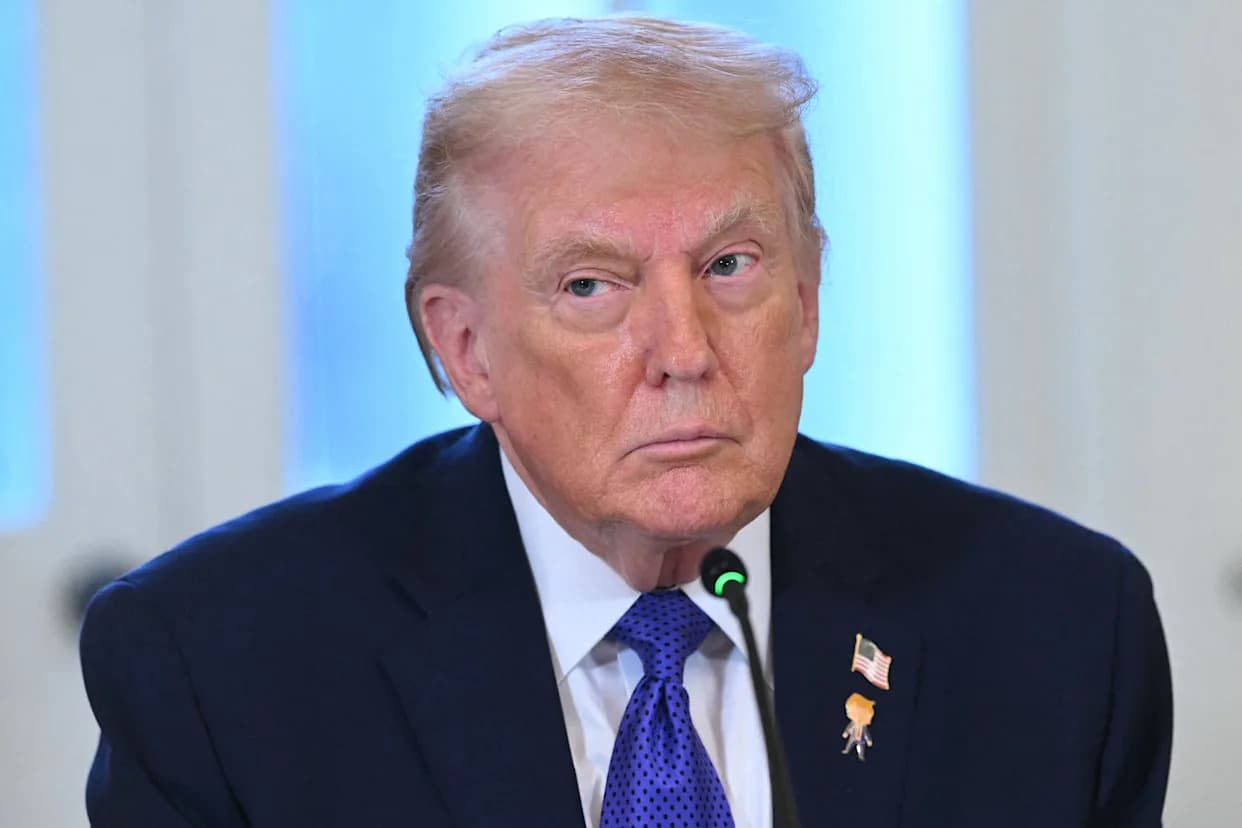
President Donald Trump speaks with reporters before departing on Marine One from the South Lawn of the White House on January 9, in Washington. - Alex Brandon/AP
So much for the idea that the White House occupant is a powerless lame duck. President Donald Trump has intensified a strategy of retribution at home, assertive power abroad, and uncompromising control of domestic institutions as 2026 begins.
The opening week of the year could prove decisive for Trump’s second term, after many predicted his authority would wane under the constraints that often accompany term-limited presidencies. Instead, the administration has signaled a willingness to press forward aggressively on multiple fronts.

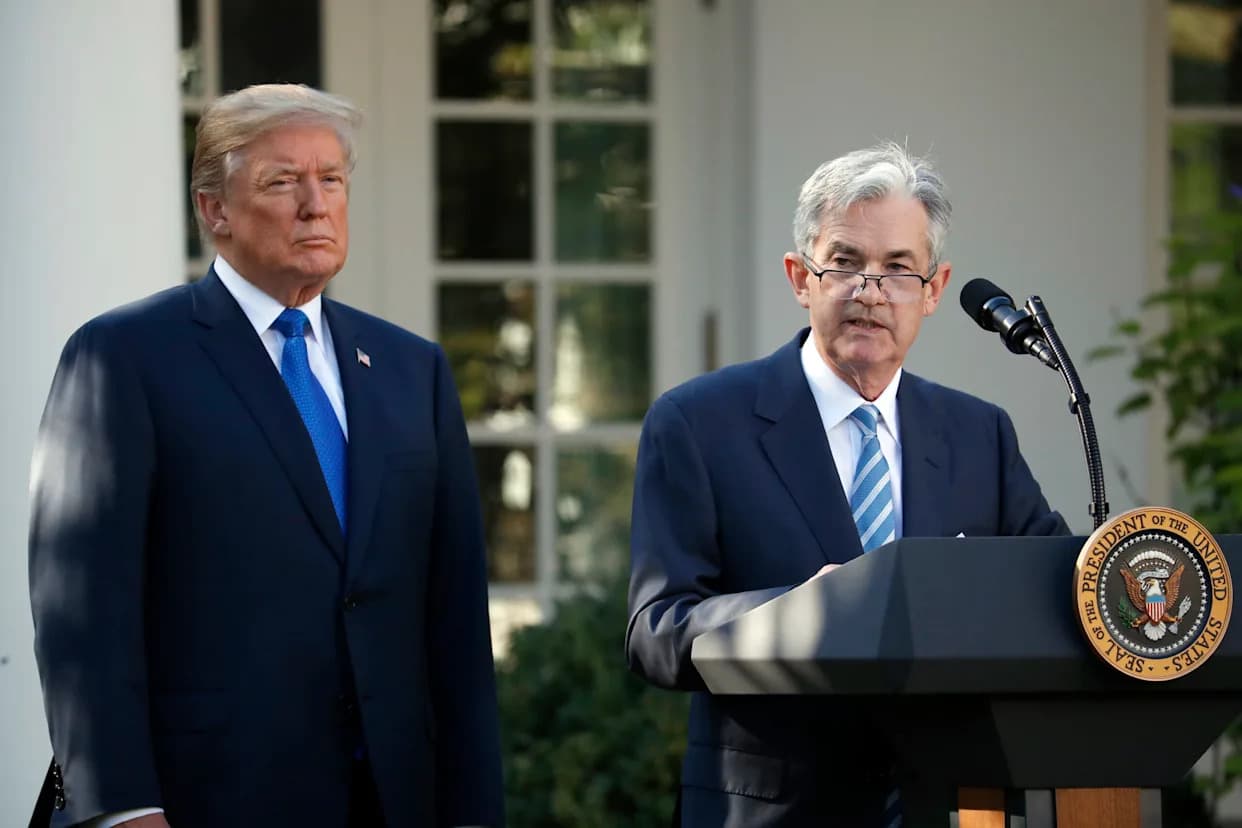
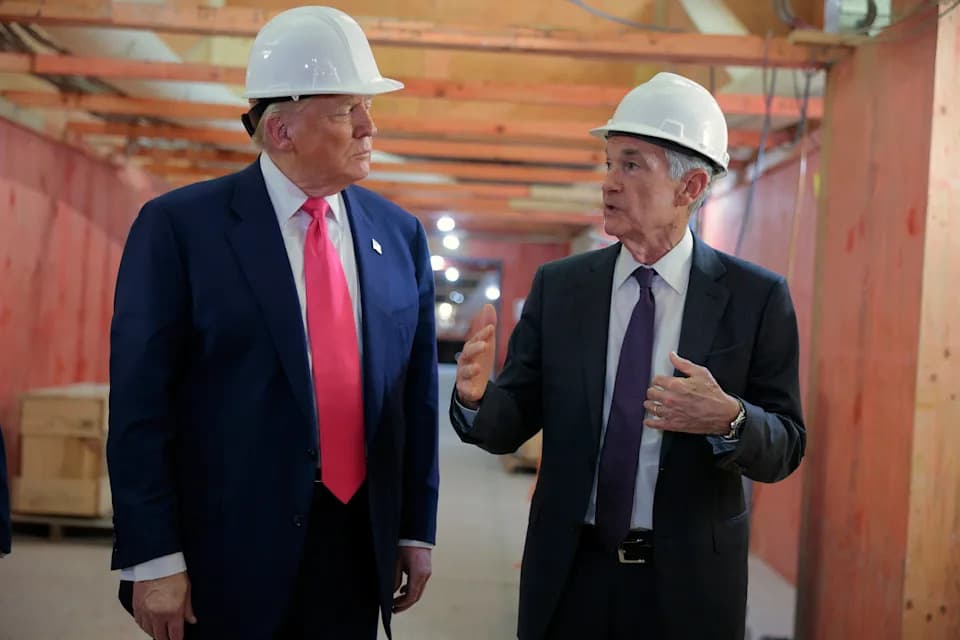
President Donald Trump and Federal Reserve Chair Jerome Powell tour the Federal Reserve’s $2.5 billion headquarters renovation project on July 24, 2025, in Washington, DC. - Chip Somodevilla/Getty Images
Domestic Moves: Enforcement, Culture And Contention
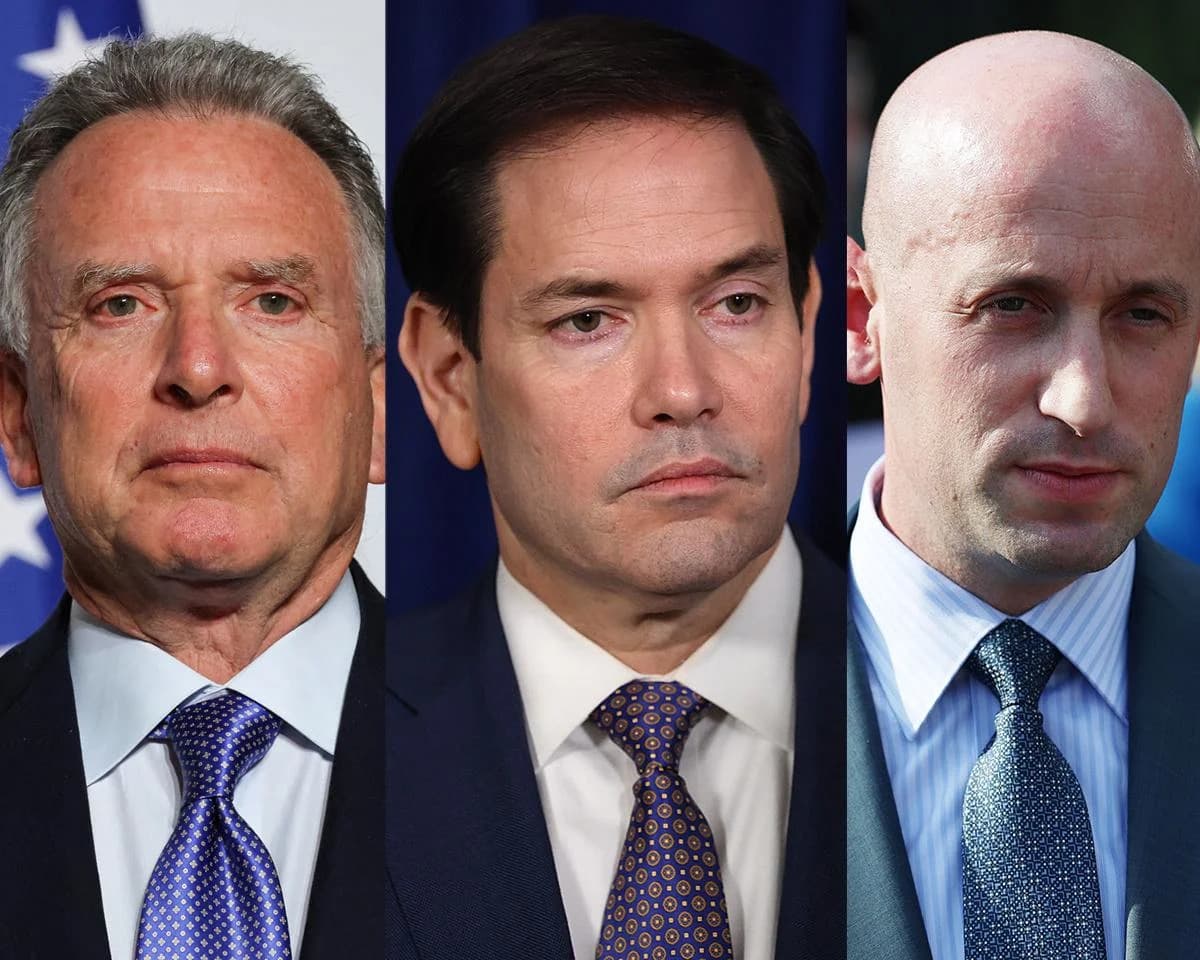
The administration has doubled down on immigration enforcement and cultural priorities. Officials say they will continue expanded ICE operations despite controversy following the death of Minneapolis resident Renee Goodby, a case that produced competing accounts and video footage that local and federal officials interpret differently.
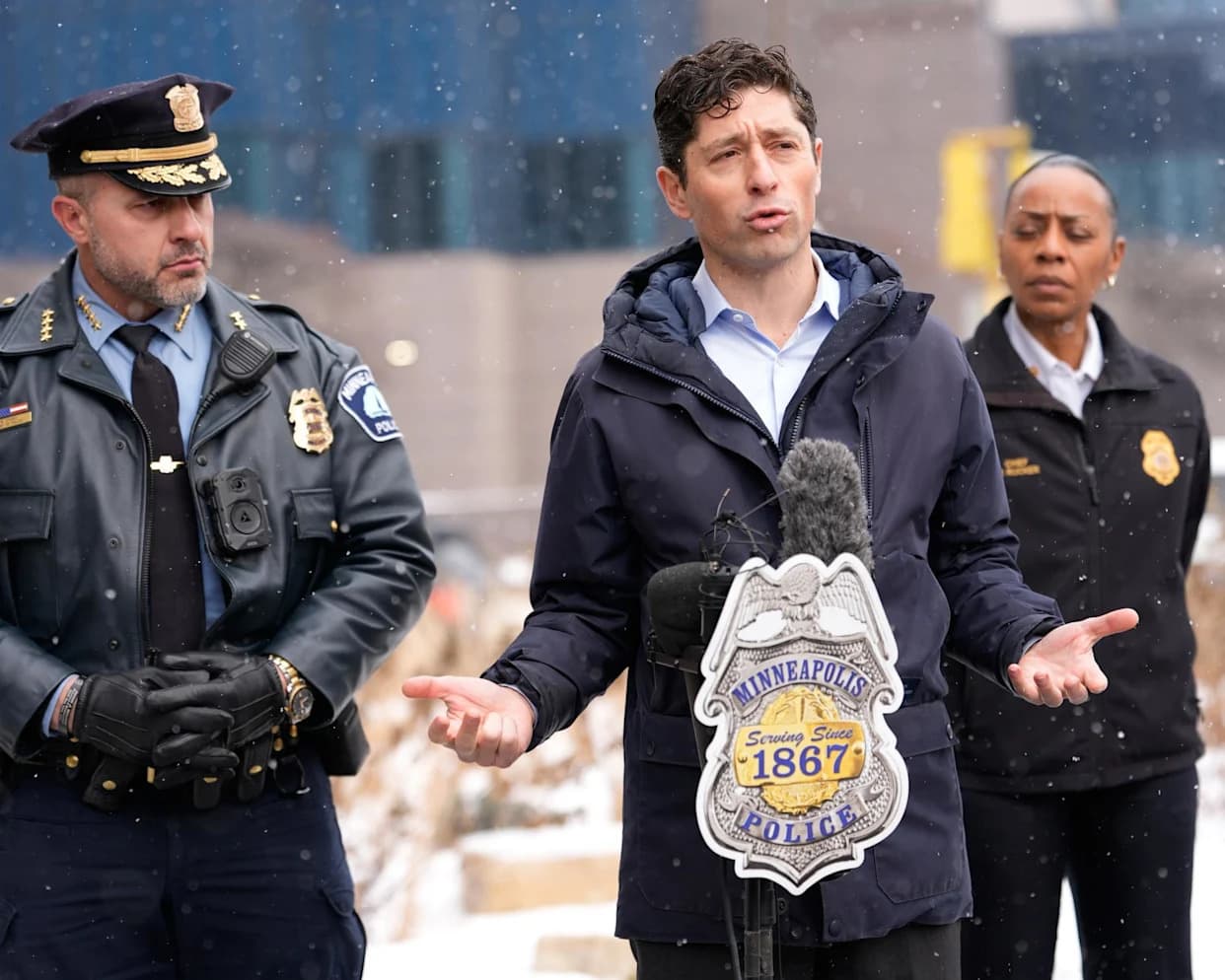
Homeland Security Secretary Kristi Noem defended the agency’s response and described the vehicle involved as a weapon, while Minneapolis Mayor Jacob Frey called the shooting an example of a federal agent exercising reckless power. The dispute underscores how the administration’s hardline enforcement agenda is deepening partisan tensions and fueling local pushback.

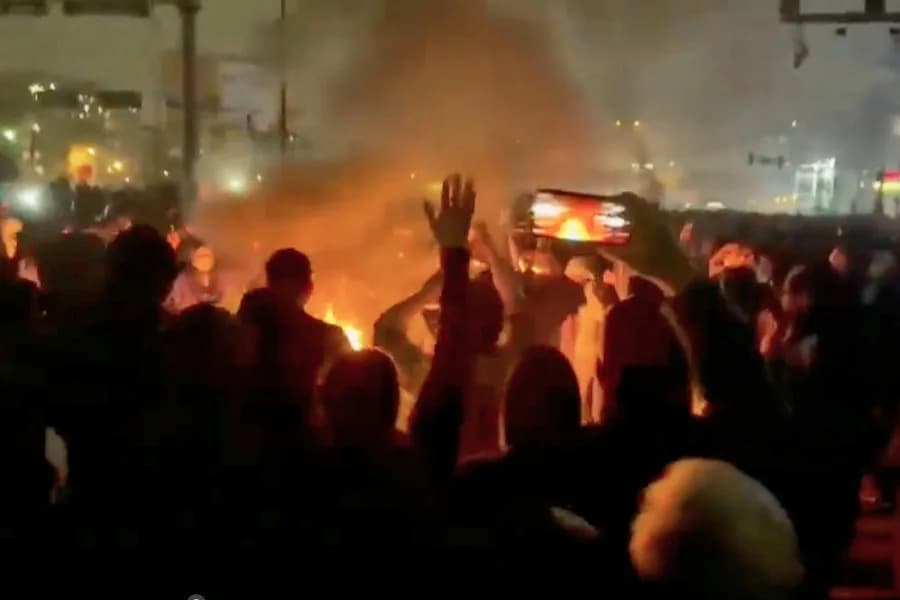
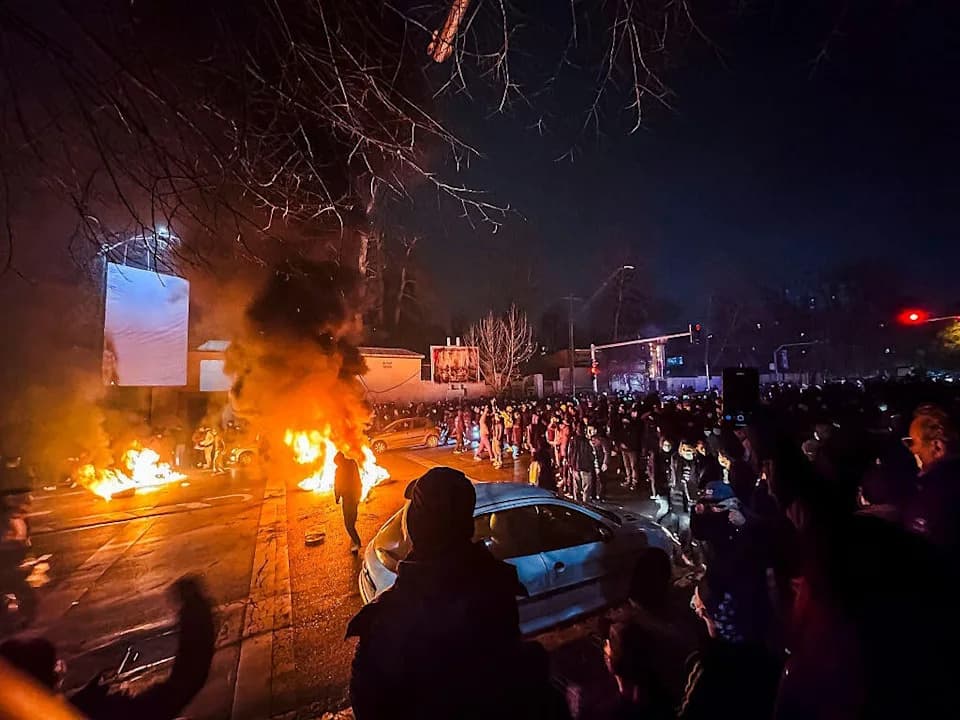
Iranians gather while blocking a street during a protest in Tehran, Iran on January 9. - MAHSA/Middle East Images/Getty Images
At the same time, the White House is pressing cultural changes across public institutions — from the Kennedy Center to the Smithsonian — and targeting diversity, equity and inclusion initiatives in universities, law firms and businesses as part of a broader ideological agenda.
Foreign Policy: Venezuela, Greenland, Cuba And The Fed Controversy
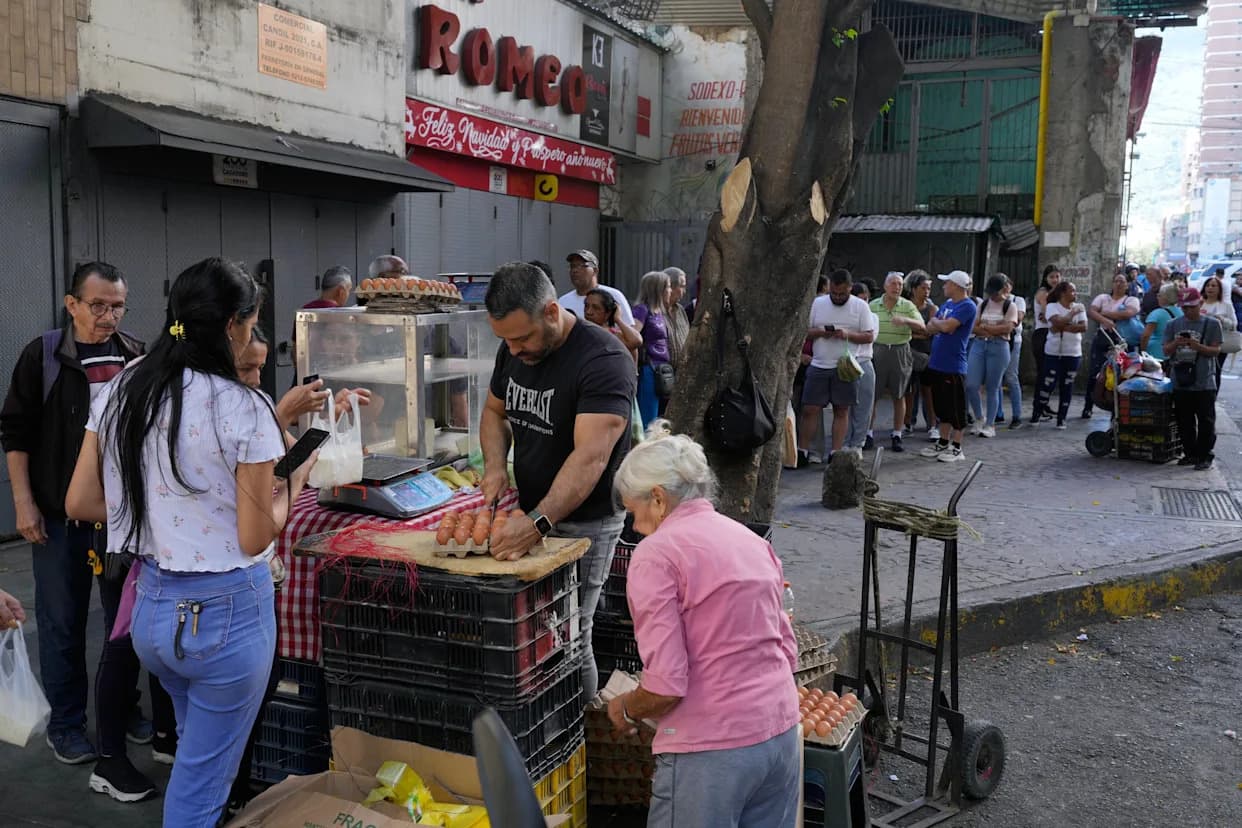
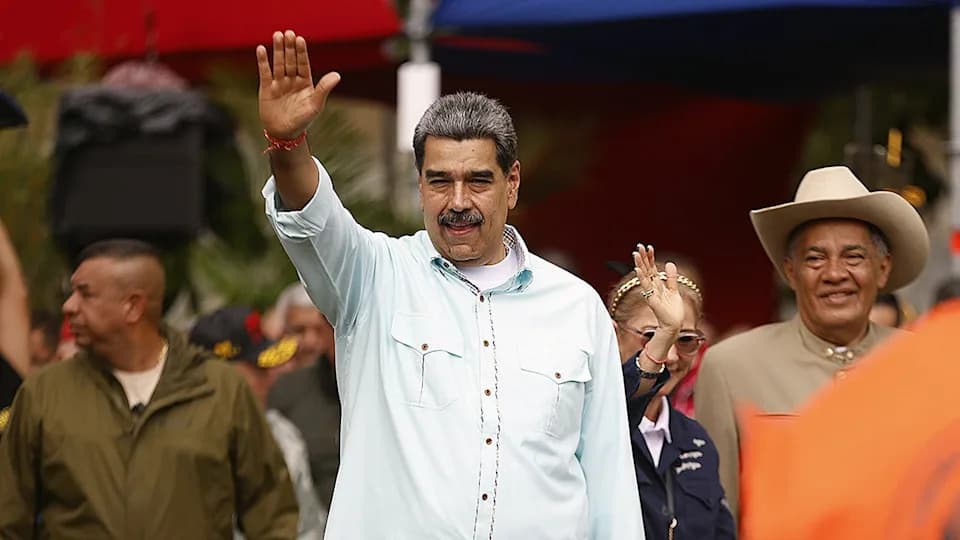
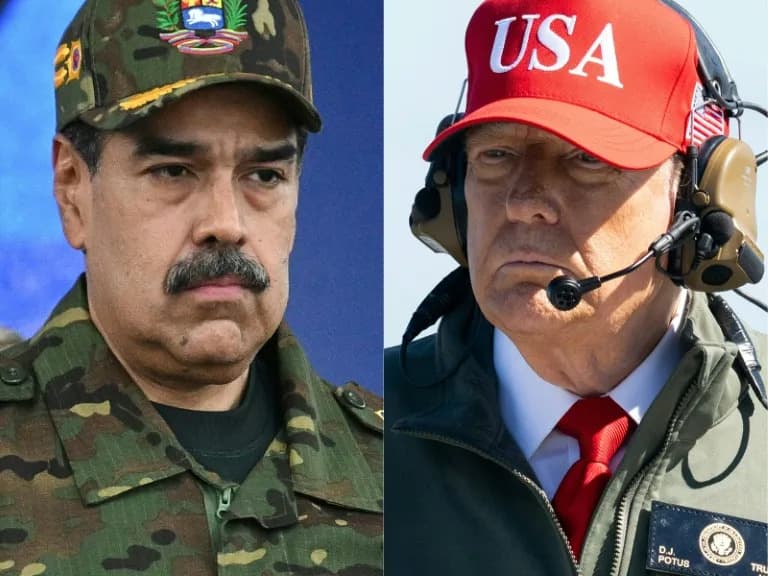
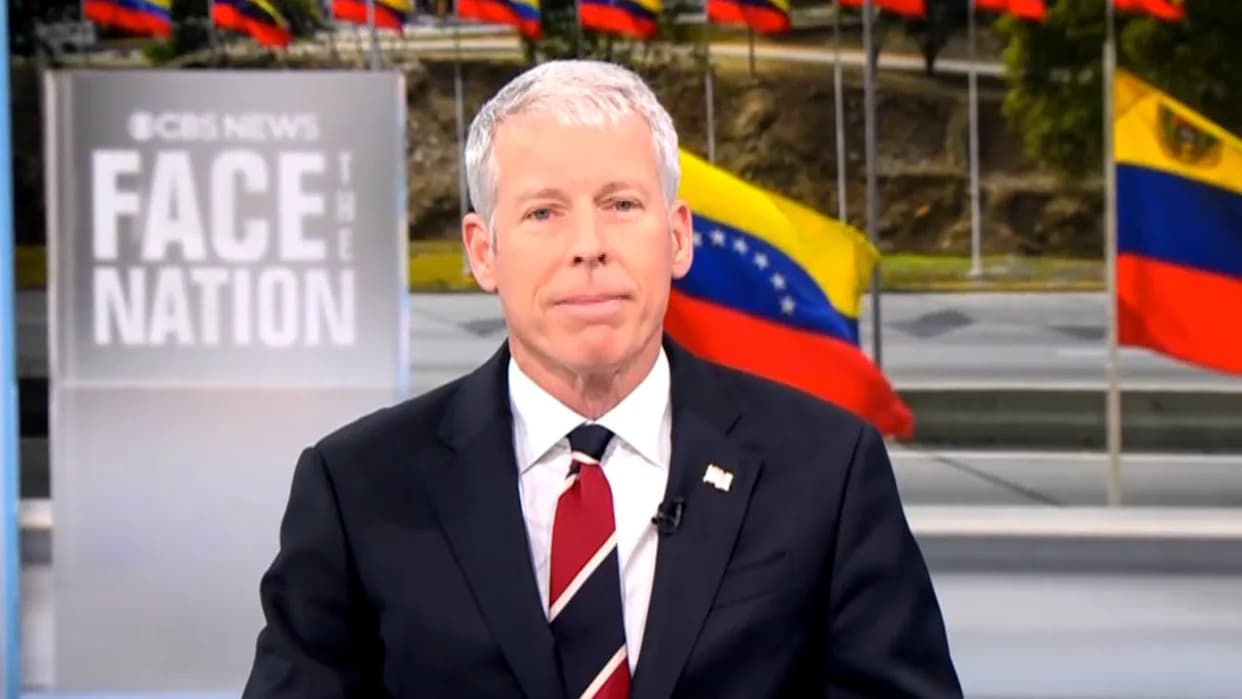
The administration has signaled ambitions to exert stronger control in the Western Hemisphere. Officials have said the U.S. removed Nicolás Maduro from power in Venezuela and plan to oversee aspects of the country’s oil exports — a move critics call a return to imperial-style influence and supporters describe as stabilizing and pragmatic. The White House has also publicly pressed for control of Greenland and stepped up pressure on Cuba, framing those moves as part of a new hemispheric strategy.

Federal law enforcement agents detain a person in Minneapolis, Minnesota, on Sunday. - Victor J. Blue/Bloomberg/Getty Images
Over the weekend, Federal Reserve Chair Jerome Powell disclosed that federal prosecutors have opened an inquiry into renovations at the Fed’s headquarters. Powell characterized the inquiry as politically motivated and as evidence of Justice Department "weaponization" after his refusal to accede to presidential pressure for large interest-rate cuts. Administration officials declined to comment on investigative specifics.
Iran And The Risks Of Military Options
Advisers have reportedly presented the president with a range of options for responding to Iran amid mass protests and a violent crackdown. The White House has warned Tehran against a harsh response to demonstrators, and Trump has threatened force if the regime escalates repression. Policymakers face difficult trade-offs: direct U.S. intervention could hasten political change, but it could also intensify a crackdown, spark reprisals against U.S. forces and allies, or trigger broader regional instability.

President Donald Trump takes questions from the members of the press aboard Air Force One on Sunday en route back to the White House from Palm Beach, Florida. - Samuel Corum/Getty Images
Analysts warn that a collapse of Iran’s clerical regime could produce multiple outcomes — from democratic transition to the rise of a secular strongman or civil war — each carrying very different regional consequences. The U.S. military is already stretched by a sizable naval presence near Venezuela, raising questions about how much additional engagement Washington can sustain without greater risks.
Political Fallout And Institutional Strain
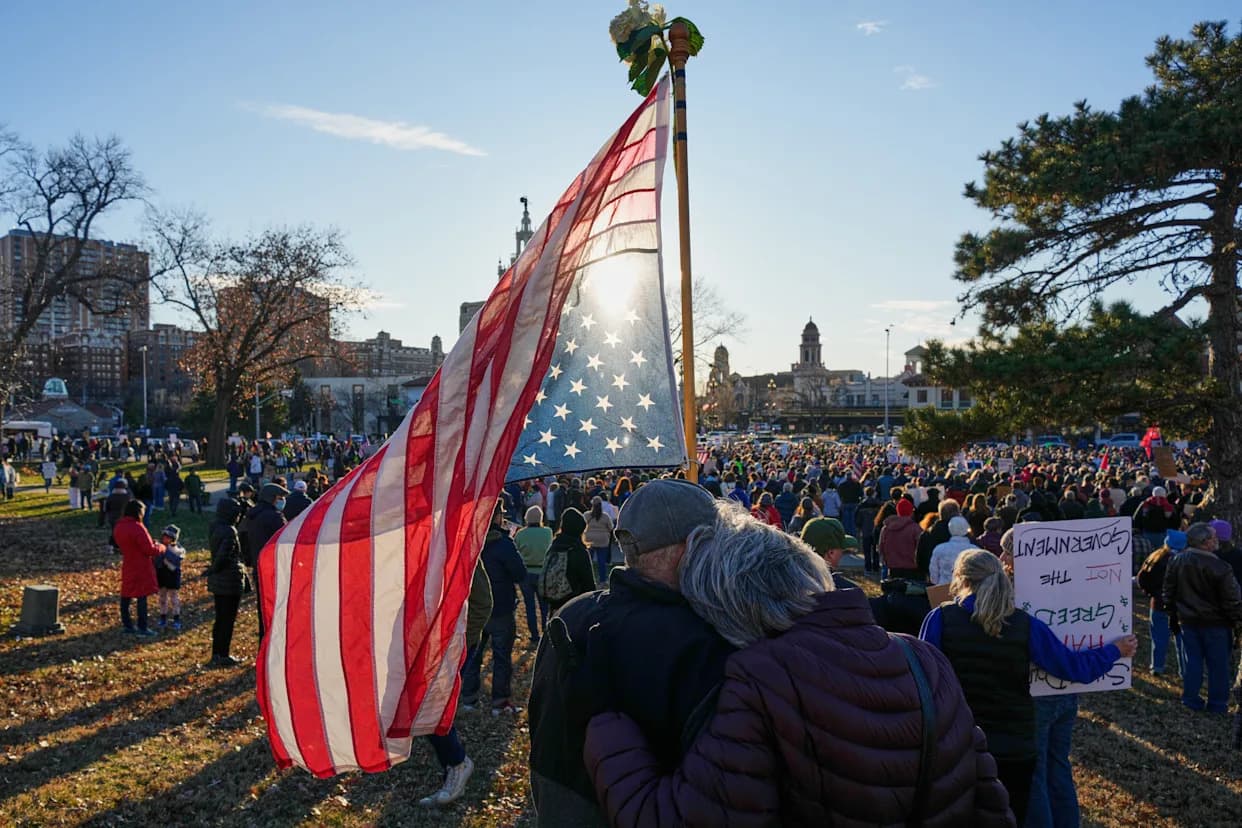
Trump’s posture risks alienating some voters who prioritize economic issues. Last week, the White House faced congressional setbacks related to war powers in Venezuela and the expiration of enhanced Obamacare subsidies. GOP discipline in the House shows signs of strain, though the president’s influence over primary challenges keeps broader defections in check.
By advancing an agenda built on forceful action abroad and intensified enforcement at home, the administration is testing longstanding institutions and norms — from the Federal Reserve’s independence to international post–World War II arrangements that have underpinned alliances and trade. Critics say the approach risks rewarding strongmen and empires while undermining smaller nations’ sovereignty and global stability.
Conclusion
On the administration’s terms, its second presidency has achieved many of its short-term goals: tougher border enforcement, cultural and institutional reshaping, and a more muscular posture on the global stage. But those gains come with heightened geopolitical and domestic risks. If the president’s push for dominance continues unchecked, America and the wider world could face significant and lasting change.
Note: This article summarizes claims and developments reported by administration officials and other sources; some events and characterizations are disputed by local or independent observers.
Help us improve.