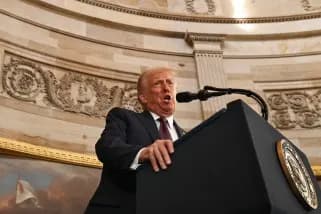
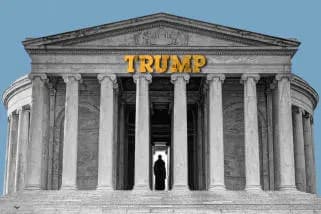
In his first year back in the White House, President Trump pushed sweeping changes across federal staffing, immigration enforcement, foreign policy, trade and the institutions of Washington. The administration implemented large workforce reductions, expanded deportations and used tariffs and military strikes as central tools of policy. Many moves—executive orders, agency overhauls, legal challenges and high-profile renovations—have provoked legal battles, international concern and intense domestic debate.
Nine Themes That Defined President Trump's First Year Back: Cuts, Deportions, Tariffs and Institutional Overhaul
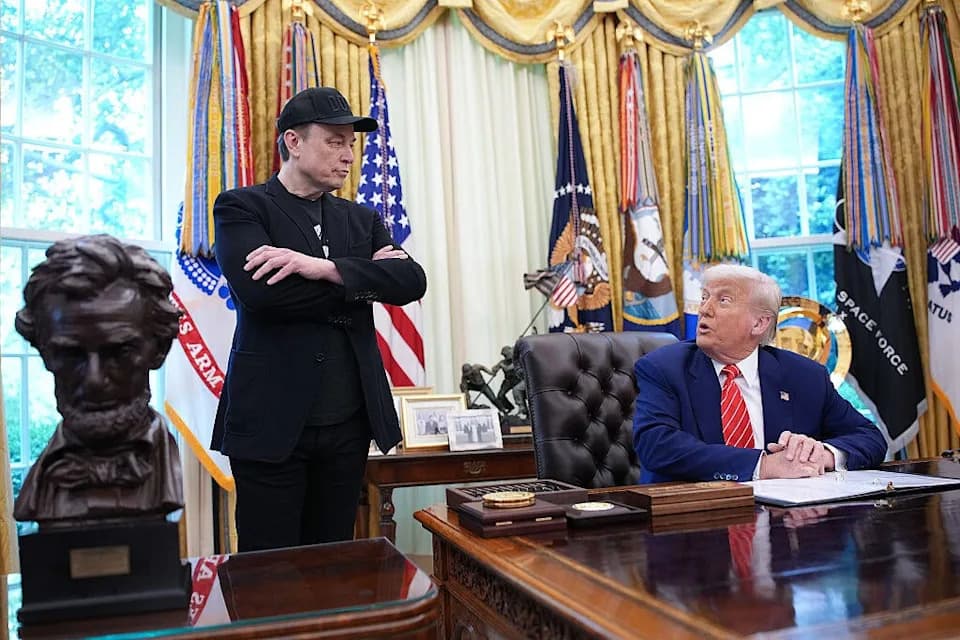
President Trump and Elon Musk speak to reporters in the Oval Office of the White House on May 30, 2025. / Credit: Getty Images
Washington — In the 12 months since Donald Trump returned to the presidency, his administration pursued sweeping changes across government operations, immigration enforcement, foreign policy and the capital's institutions. Below are the nine dominant themes that shaped his first 365 days in office, summarizing major actions, claims and controversies.
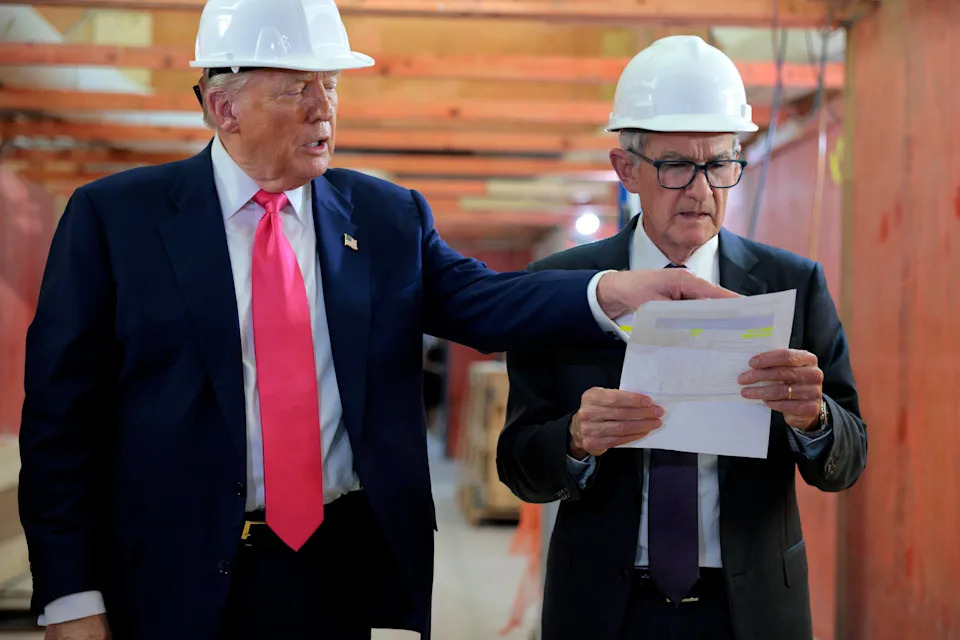
President Donald Trump and Federal Reserve Chair Jerome Powell tour the Fed's headquarters renovation project on July 24, 2025, months before the Fed received subpoenas on the project from the Justice Department. / Credit: Chip Somodevilla / Getty Images
Slashing The Federal Workforce And Restructuring Agencies
The administration, led publicly by the so-called Department of Government Efficiency (DOGE), launched an aggressive campaign of buyouts, reductions in force and office closures intended to eliminate waste and shrink the federal workforce. By November the administration reported a reduction of more than 317,000 federal positions, partially offset by roughly 68,000 new hires, according to the Office of Personnel Management; some cuts were later reversed after court challenges. DOGE and the White House claimed large budget savings, but independent analysis judged the savings to be a small fraction of those claims. Agencies perceived as out of alignment with presidential priorities—such as the U.S. Agency for International Development and parts of the Department of Education—faced deep cuts or proposals to shift programs to other departments.

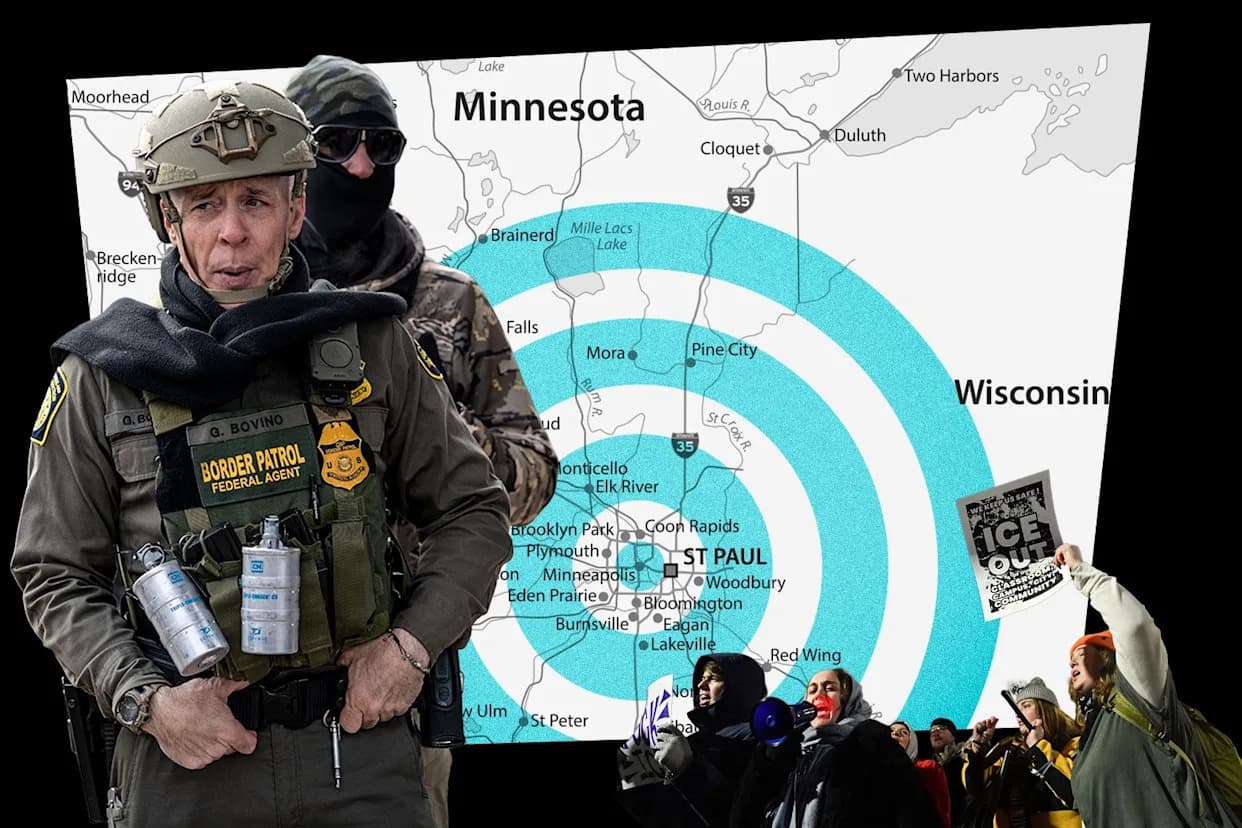
Immigration and Customs Enforcement agents in Minneapolis on January 14. / Credit: Alex Kormann/The Minnesota Star Tribune
Settling Scores, Targeting Rivals And Rewarding Allies
The Justice Department pursued investigations and prosecutions involving a number of President Trump's political opponents, while the White House publicly called for probes into other figures. Simultaneously, Mr. Trump used clemency and pardons to commute or erase charges for numerous allies and political figures. The administration also revoked security clearances for several former and current national security officials and moved to remove or discipline federal officials it deemed adversarial. These actions prompted accusations that law enforcement and executive tools were being used for political ends; the administration denies directing prosecutions.
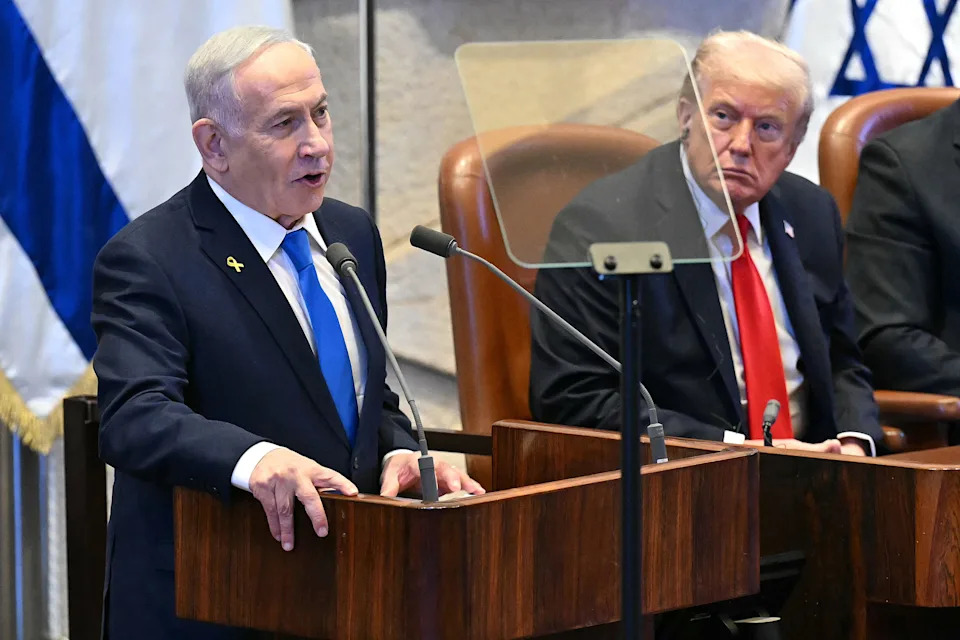
President Trump listens to Israeli Prime Minister Benjamin Netanyahu as he addresses the Knesset in Jerusalem on Oct. 13, 2025, after Israel and Hamas struck a ceasefire deal. / Credit: SAUL LOEB/Pool/REUTERS
Mass Deportations And Intensified Immigration Enforcement
Immigration enforcement was a central priority. The Department of Homeland Security reported approximately 1.9 million "self-deportations" and more than 622,000 formal removals by mid-December, while Immigration and Customs Enforcement recorded holding roughly 73,000 detainees — a historic high — with plans to expand capacity to detain more migrants. The administration negotiated agreements with a wide range of countries to accept deportees, including several nontraditional partners. At the same time, enforcement raids in multiple U.S. cities, the deployment of National Guard units to assist federal agents, and high-profile incidents in custody generated litigation and widespread protest.
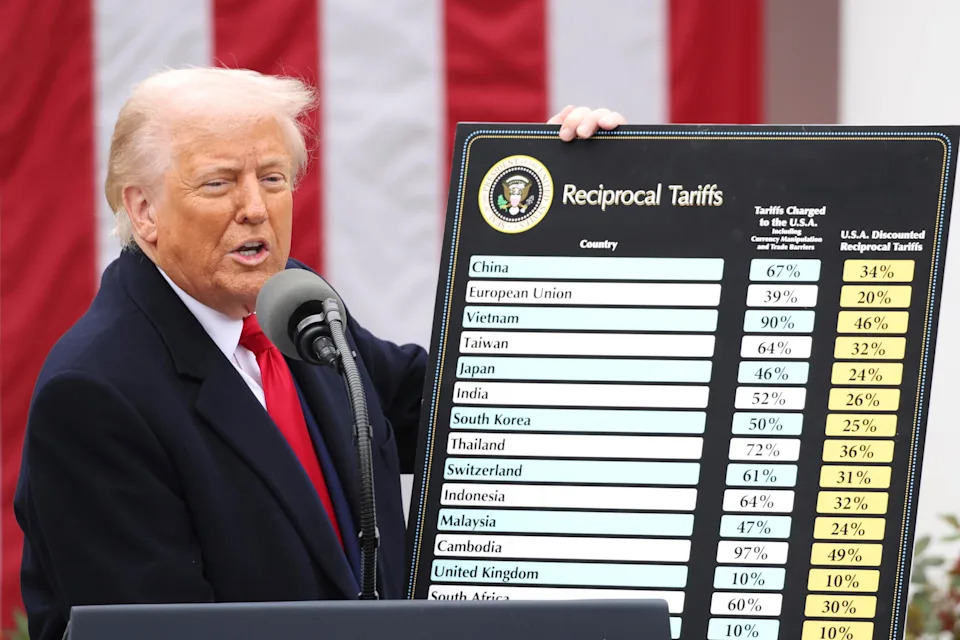
President Donald Trump displays a chart with new reciprocal tariffs during a 'Liberation Day' event in the Rose Garden at the White House on April 2, 2025. / Credit: Sipa USA
Flexing Military Power And Realigning Foreign Policy
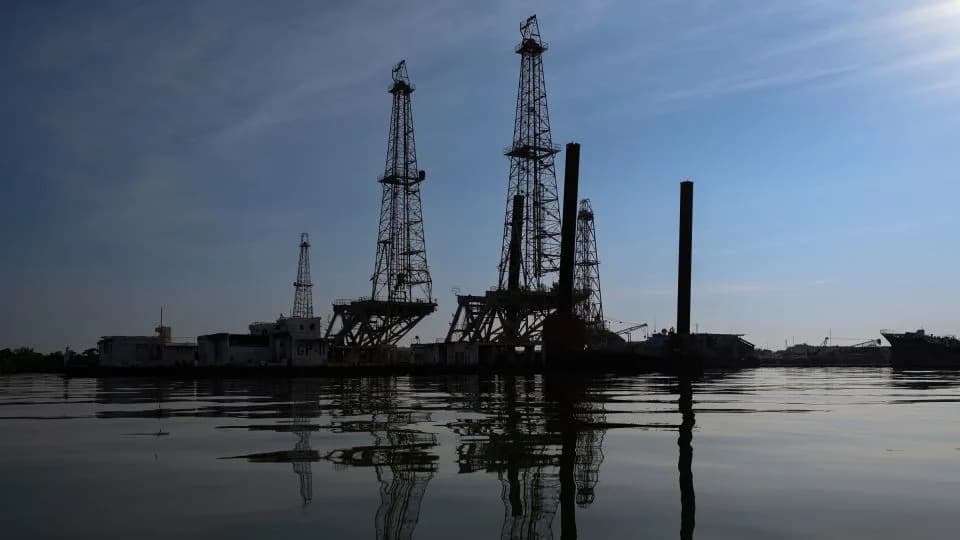
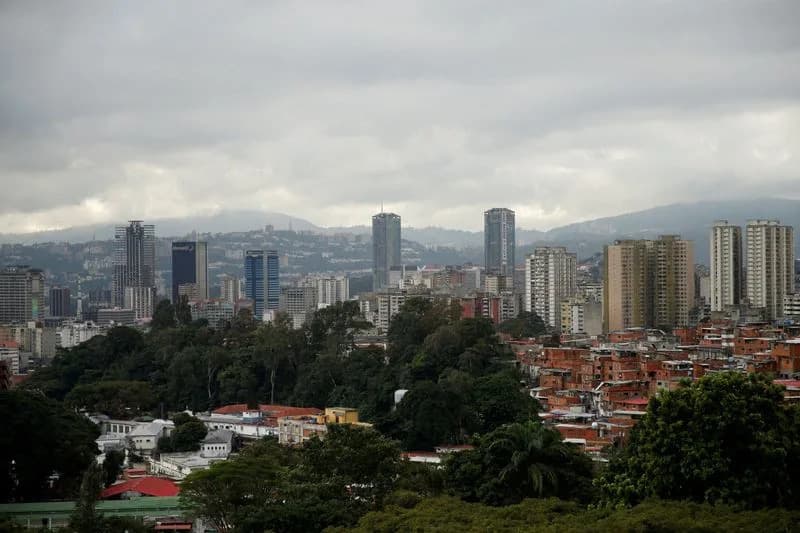
The administration demonstrated a willingness to use military force abroad and to upend longstanding alliances. It ordered strikes on Iranian nuclear sites in an operation called "Operation Midnight Hammer" and carried out dozens of maritime strikes it said targeted drug-smuggling vessels. The White House said U.S. forces captured Venezuelan President Nicolás Maduro on Jan. 3 and announced plans to take control of key Venezuelan oil infrastructure; these claims and related policy moves have been widely reported and remain highly controversial. The president has also promoted a hemispheric-focused "Donroe Doctrine" and pursued bold, sometimes unilateral actions—such as a campaign to acquire Greenland—that alarmed allies. The administration helped broker a ceasefire between Israel and Hamas in October, which officials say returned living hostages and produced a fragile, ongoing peace process.
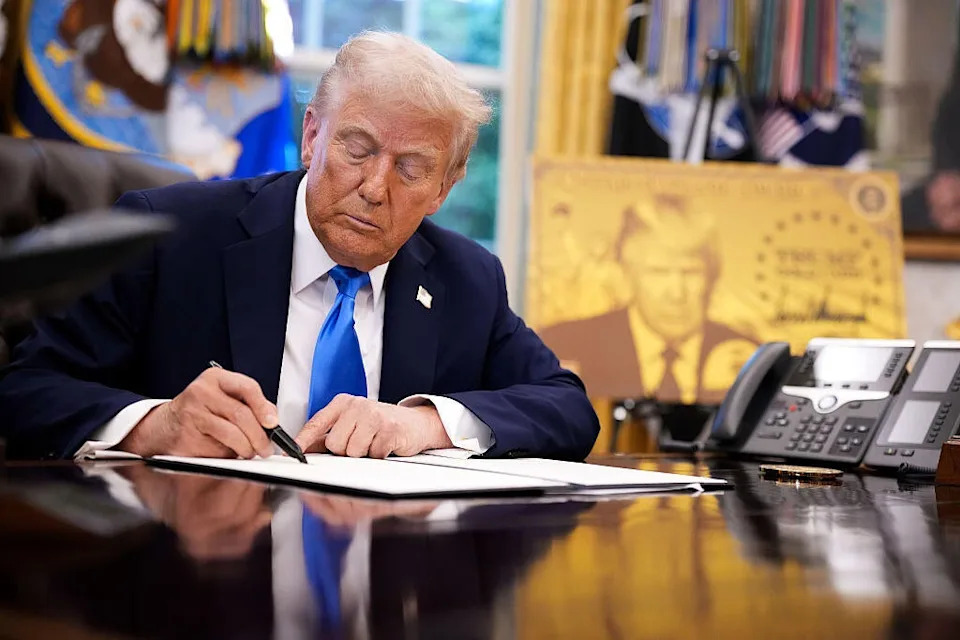
President Trump signs an executive order in the Oval Office at the White House on Sept. 19, 2025. / Credit: Andrew Harnik / Getty Images
Tariffs, Trade And Economic Policy
Tariffs returned as a central economic tool. The president styled himself the "tariff king," imposing new levies—most prominently on Chinese goods—that briefly raised tensions and the risk of a trade war across multiple sectors. Officials argued tariffs brought substantial revenue to the U.S.; economists warned consumers often bear much of the cost. The stock market rose during the year, while inflation, wages and employment indicators showed mixed results. The administration negotiated a partial trade understanding with China following an October summit between Mr. Trump and President Xi Jinping.
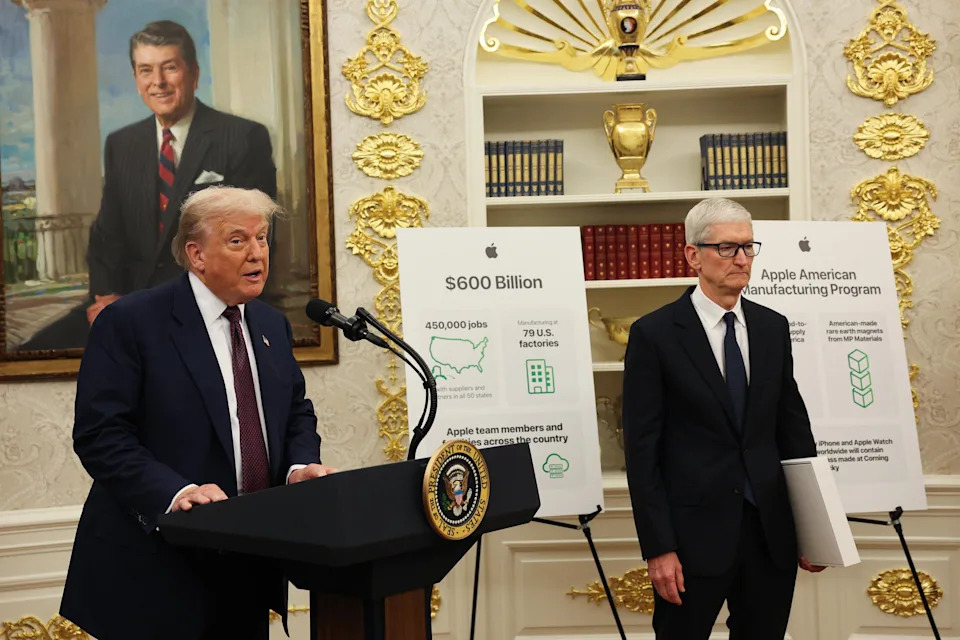
President Trump speaks during an event with Apple CEO Tim Cook in the Oval Office of the White House on Aug. 6, 2025. / Credit: / Getty Images
Expanding Executive Power And Legal Tests
With unified Republican control of Congress, White House policy still relied heavily on unilateral action. The president signed a historically large number of executive orders in his first year back, and used emergency authorities to impose tariffs—an approach now before the Supreme Court. Unilateral military actions, National Guard deployments to U.S. cities and creative budgetary moves during a prolonged funding standoff generated new constitutional and legal challenges about the limits of presidential power.
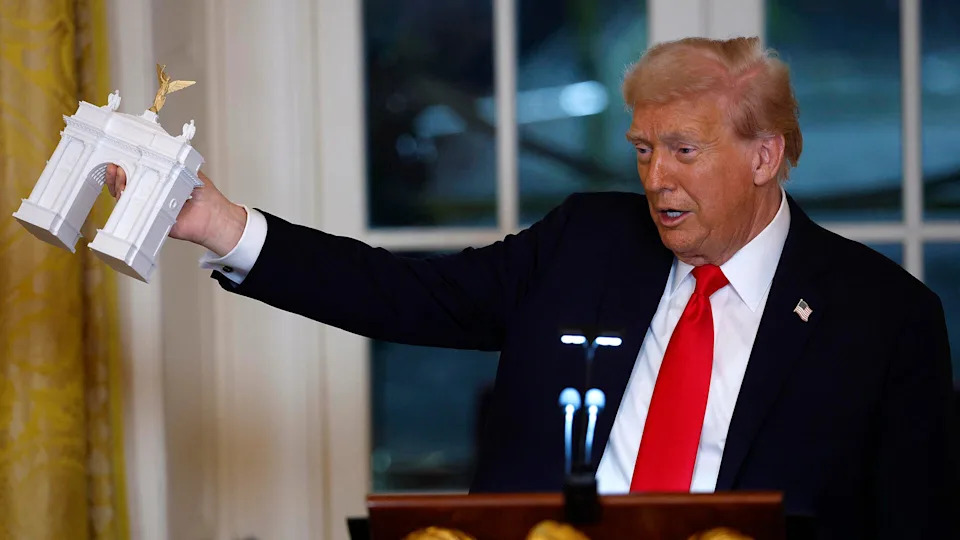
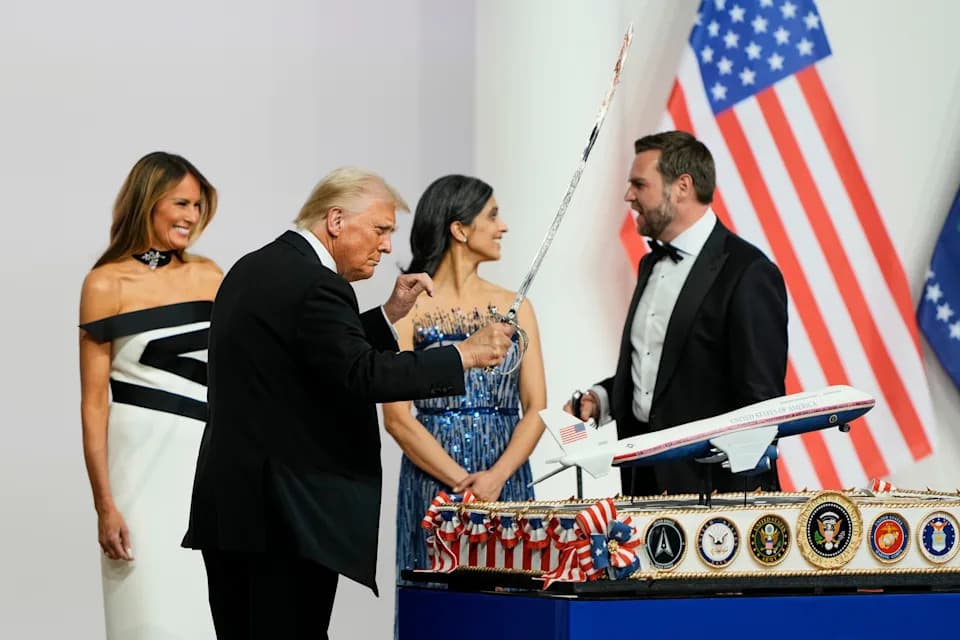
President Trump holds a model of an arch as he delivers remarks during a ballroom fundraising dinner in the East Room of the White House on Oct. 15, 2025. / Credit: Kevin Dietsch / Getty Images
Bending Institutions And Pressuring Organizations
The administration pressed federal agencies, universities, law firms and private employers to conform to its priorities. It sought to curtail diversity, equity and inclusion programs, withdrew federal funding or threatened legal action against universities over campus protests and policies, and revoked contracts and clearances for firms perceived as adversarial. The American Bar Association sued over what it described as an intimidation policy toward law firms. Several universities reached settlements or agreements with the administration to avoid further action.
Dealmaking With Corporations And Foreign Governments
Rather than seeking broad legislative solutions, the White House favored bespoke deals with companies and countries. Negotiations produced commitments—some new, some preexisting—from technology and manufacturing firms to invest in U.S. operations, and the administration pursued private-sector agreements to lower prices for certain drugs, including GLP‑1 weight-loss treatments. It also pursued a proposed sale of TikTok's U.S. operations to American buyers and pressed for corporate transactions that could include special oversight provisions.
Remaking The White House And Washington's Landscape
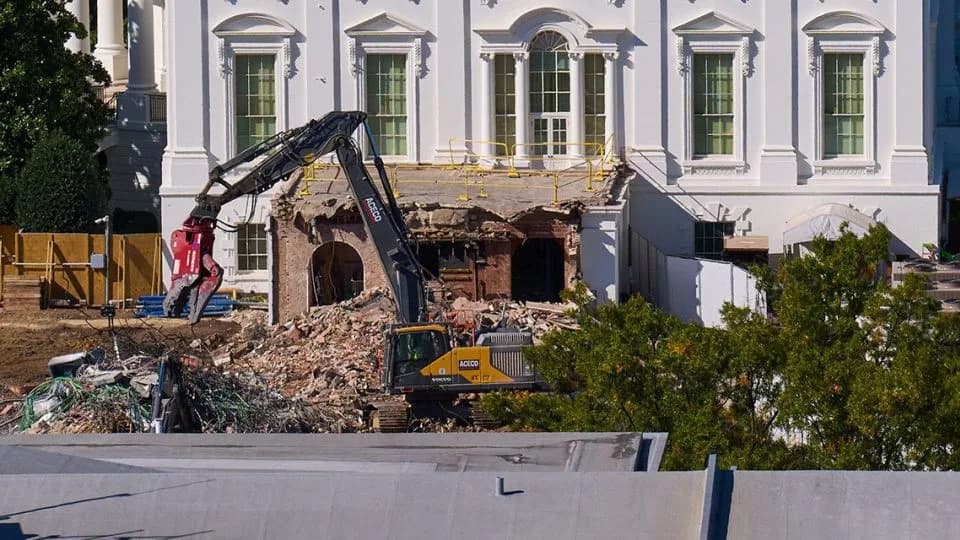
The president moved quickly to put his personal stamp on the executive mansion and the capital. He demolished the East Wing to make way for an expanded ballroom project the administration says will be privately funded and has grown in estimated cost to roughly $400 million. Additional renovations included changes to the Rose Garden and Oval Office, a high-profile "Presidential Walk of Fame," and proposals to rename or rebrand major institutions in Washington. These efforts have drawn scrutiny over donor influence, preservation standards and the broader symbolism of the changes.
Note: The article summarizes claims and reported actions by the administration and official sources. Several items remain contested in court or in international diplomacy and are presented with qualifying language where appropriate.
Help us improve.