President Donald Trump’s early actions in his renewed term — including the removal of Venezuela’s leader, moves to secure access to Venezuelan oil, talk of annexing Greenland and threats of strikes on Iran — have unsettled allies and revived talk of spheres of influence. European and Asian partners have reacted with alarm or careful restraint, while analysts warn these moves could strengthen rivals such as China and Russia or push regional powers to hedge. The White House says the posture restores U.S. influence, but experts warn of risks to international norms and stability.
Trump’s Raw Power Shakes Postwar World Order — Allies Alarmed, Rivals Poised
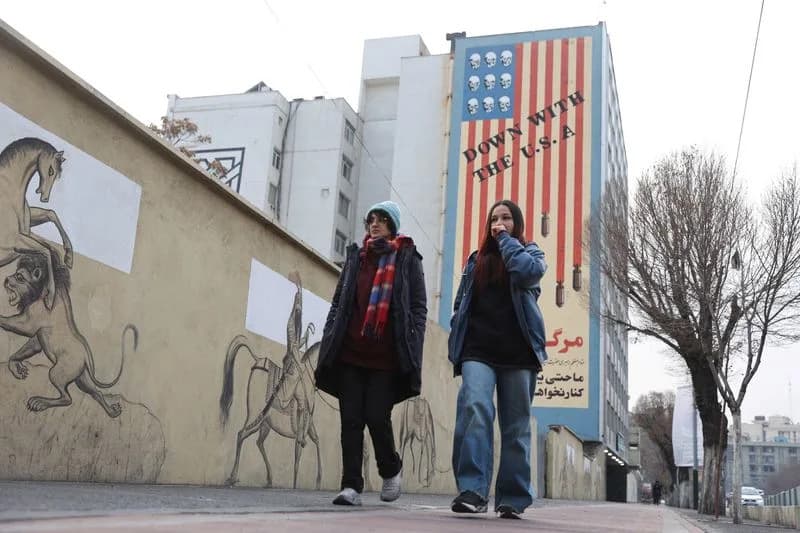
People walk next to an anti-US mural in Tehran. Majid Asgaripour/WANA via REUTERS
WASHINGTON/TOKYO/LONDON/BEIJING/MEXICO CITY, Jan 13 (Reuters) - In the opening weeks of his renewed term, President Donald Trump has pursued a string of forceful actions and blunt declarations that many analysts say have disrupted the rules-based international system the United States helped build after World War Two.
He has overseen an operation that toppled Venezuela’s leader, publicly pressed to secure control of the country’s oil resources, floated the idea of annexing Greenland — even by force — and warned that Iran could face renewed U.S. strikes. The rapid succession of actions and rhetoric around the first anniversary of his inauguration has left governments and analysts worldwide scrambling to gauge what comes next and whether these shifts are reversible under a future administration.
Spheres Of Influence Resurgent
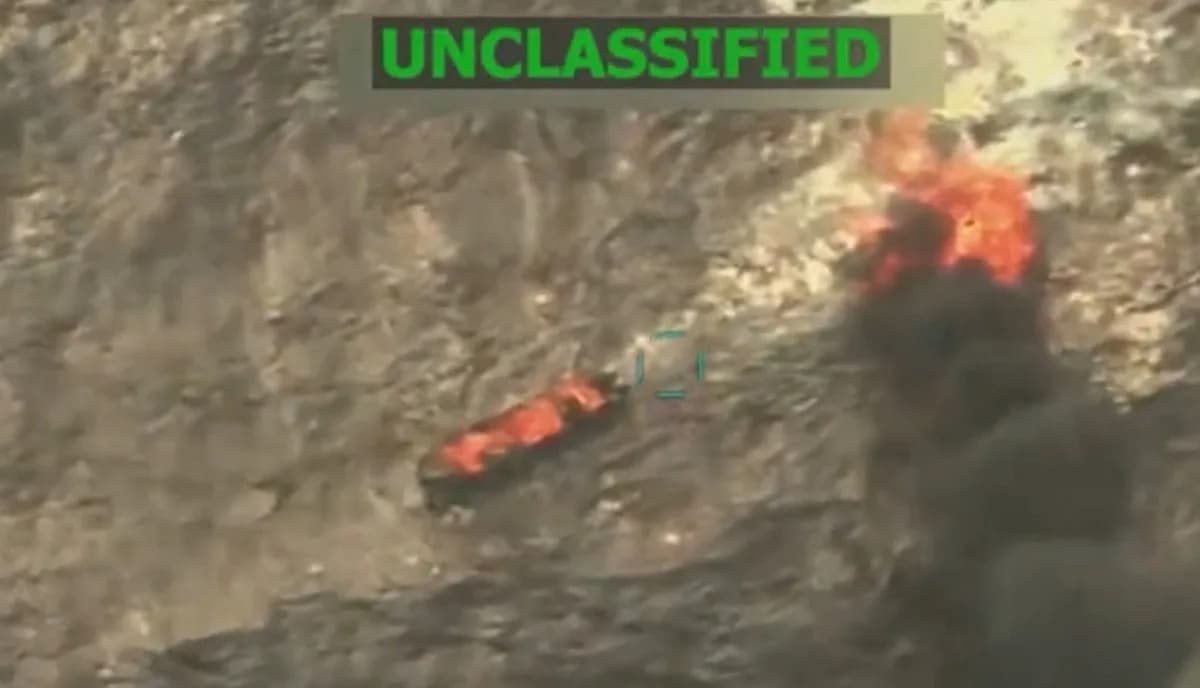
In a matter of months, the administration has shown a renewed appetite for exercising raw American power, from the bombing of Iranian nuclear facilities in June to the January 3 operation in Venezuela. Reporting for this story included interviews with more than a dozen current and former officials, diplomats and independent analysts in Washington and capitals worldwide.
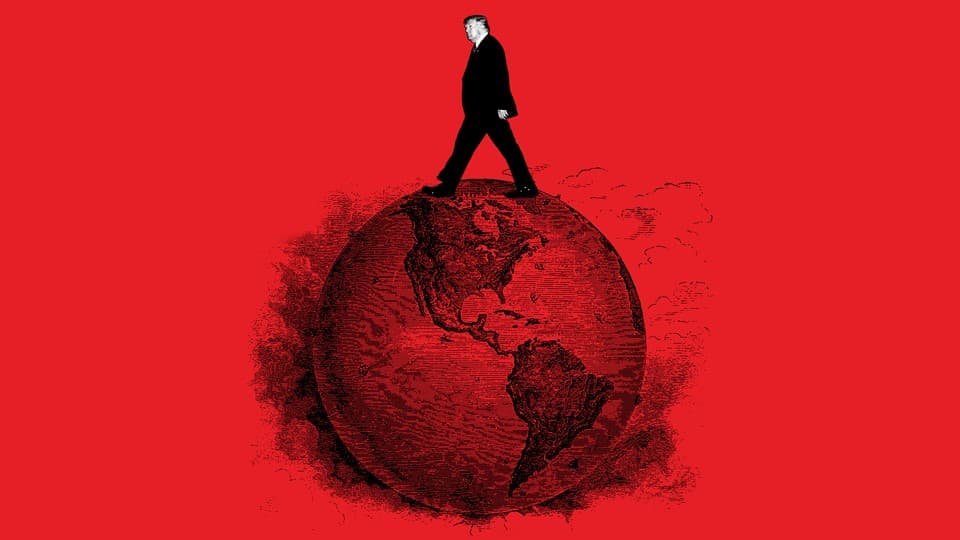
At the global level, Trump’s approach resembles a revival of 19th-century great-power logic: carving out spheres of influence. His team has reframed the Monroe Doctrine into what some now call the 'Donroe Doctrine', signaling an emphasis on U.S. predominance across the Western Hemisphere.
‘Everyone expected Trump to return to office with bluster,’ said Brett Bruen, a former Obama administration foreign policy adviser. ‘But this bulldozing of the pillars that have long undergirded international stability and security is taking place at an alarming and disruptive pace.’
Allies Respond With Alarm And Caution
European and Asian partners have reacted with a mix of alarm, caution and hedging. German President Frank-Walter Steinmeier warned of a ‘breakdown of values’, and some European leaders have proposed bolstering NATO presence in the Arctic after Mr. Trump’s repeated comments about Greenland — an autonomous territory of Denmark and part of a NATO ally.
Japan and South Korea have also voiced concerns. Itsunori Onodera, a senior Japanese lawmaker and former defense minister, described the Venezuela operation as a clear example of changing the status quo by force. Some Japanese parliamentarians even debated whether greater deterrence options, including discussion of a nuclear umbrella, should be revisited in light of shifting U.S. signals.
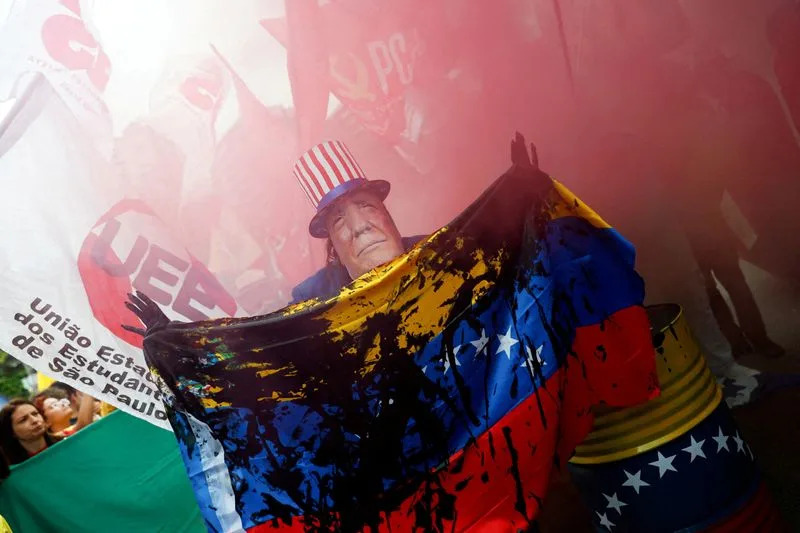
FILE PHOTO: A man wears a mask depicting U.S. President Donald Trump during a protest against U.S. strikes on Venezuela and the capture of its President Nicolas Maduro, in Sao Paulo, Brazil January 5, 2026. REUTERS/Tuane Fernandes/File Photo
Most allied governments have responded cautiously in public, mindful of strategic ties with Washington. A British official said privately that publicly scolding the U.S. president would not advance their aims, while Mexican officials — though critical — emphasized the limits of how far denunciations could go given close economic and political ties.
White House Rationale And Risks
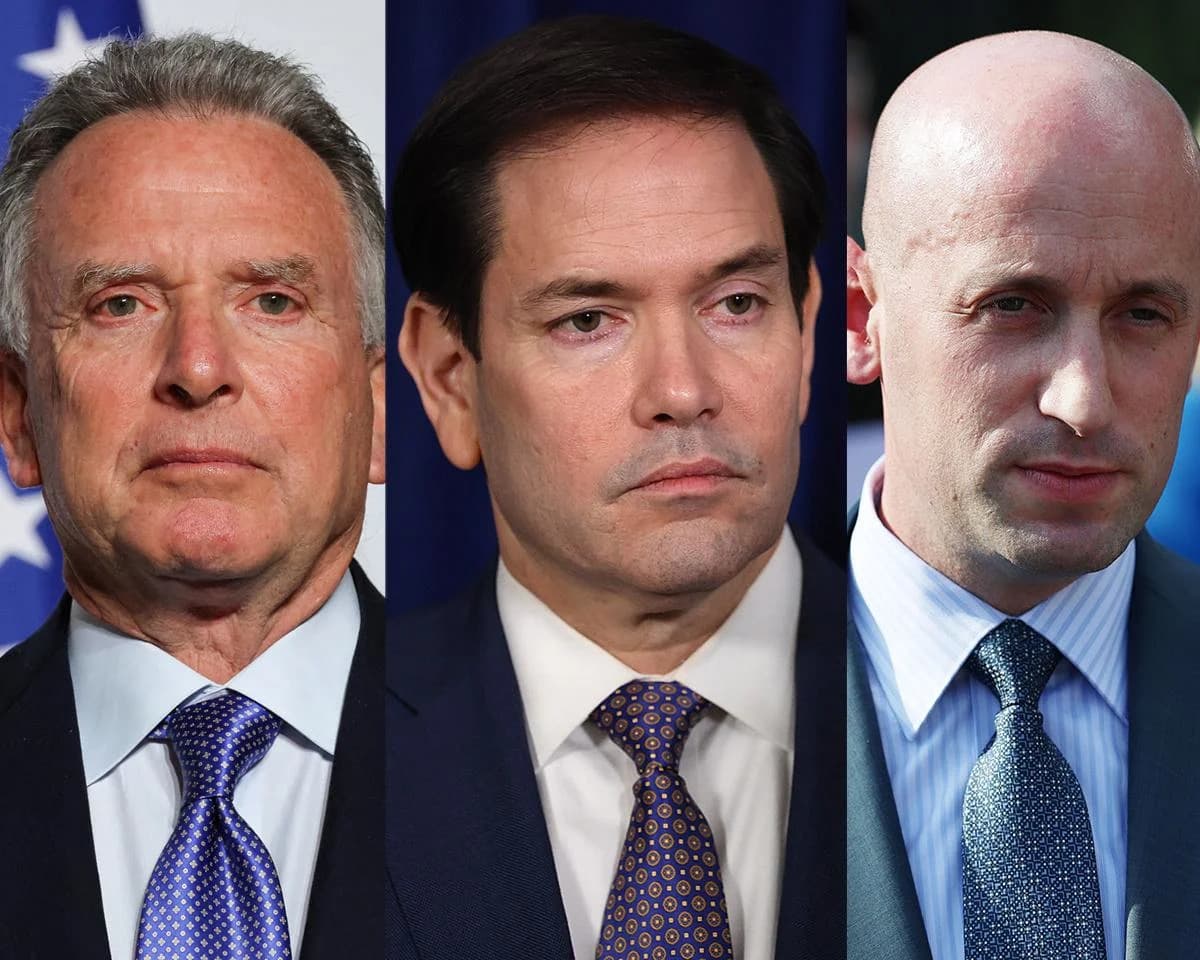
White House officials argue the policies — a focus on the Americas, displays of military strength, tougher border controls and broader use of tariffs — reflect voter mandates to restore U.S. influence. Stephen Miller, a senior White House adviser, framed the posture bluntly: ‘We live in a world, in the real world ... that is governed by strength, that is governed by force, that is governed by power.’
But analysts warn the approach carries risks. Heavy-handed U.S. actions, and explicit interest in Venezuelan oil, could push regional players such as Brazil closer to China, deepen global polarization, and embolden other powers to pursue coercive policies of their own. Experts also caution that relying on force without clear international backing may erode longstanding norms such as respect for territorial integrity and the rule of law.
In Moscow and Beijing, observers said the U.S. operation in Venezuela underscored that power politics remain central to international affairs — a dynamic that could benefit rivals pursuing their own regional ambitions.
Outlook
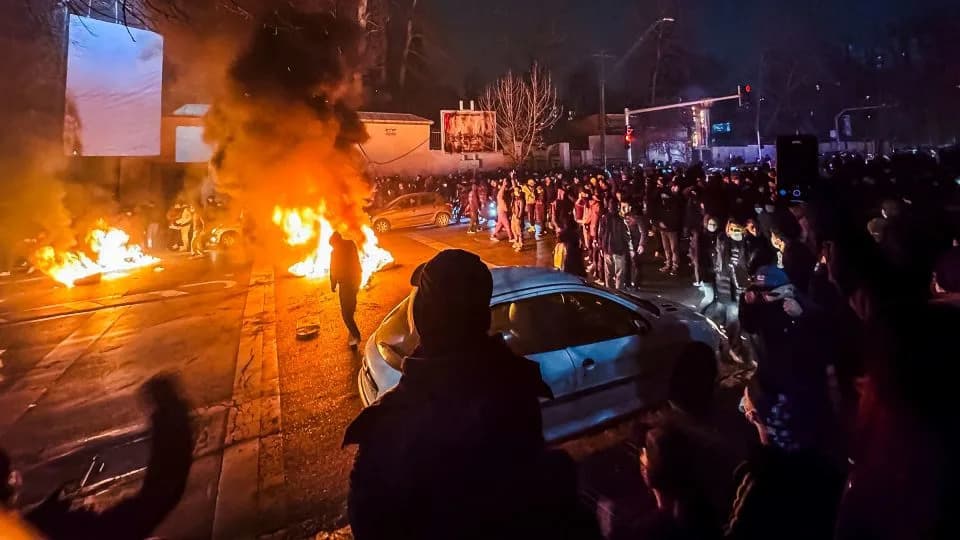
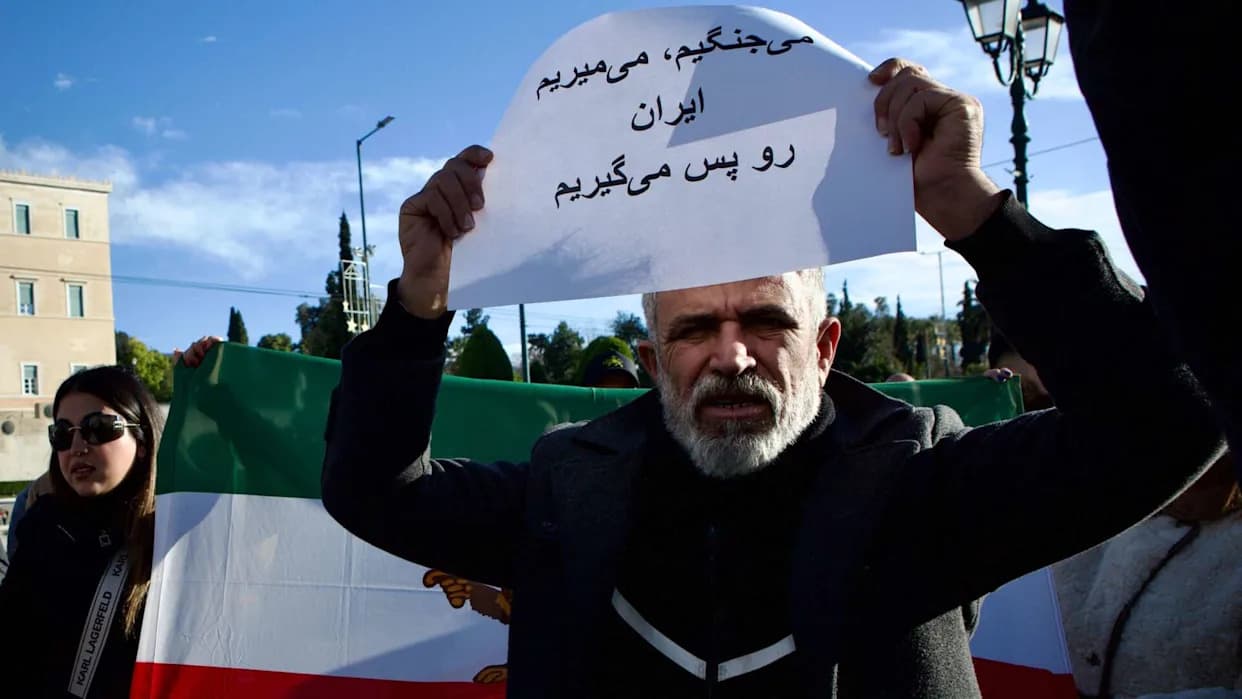
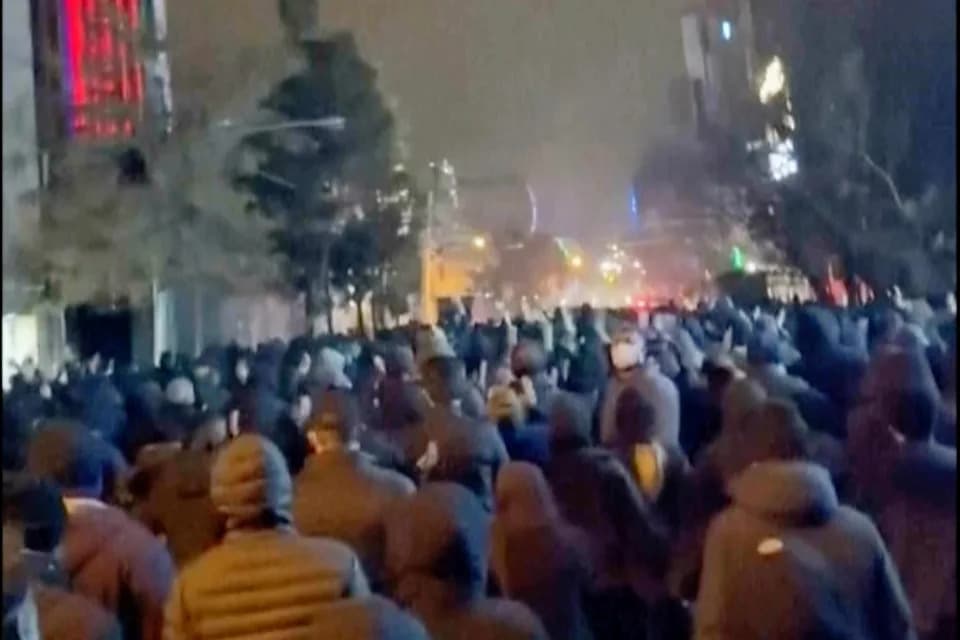
President Trump has signaled his willingness to contemplate further foreign military actions — not only in the Americas but potentially in places such as Iran, where he said he was weighing options amid domestic unrest. Whether this assertive phase represents a long-term strategic pivot or a temporary burst of unilateralism will depend on political developments in Washington and responses from allies and adversaries abroad.
(Reporting by Matt Spetalnick in Washington, John Geddie in Tokyo, Antoni Slodkowski in Beijing, Elizabeth Piper in London, Kyu-seok Shim in Seoul, Michelle Nichols in New York, David Brunnstrom and Patricia Zengerle in Washington, Diego Ore and Stephen Eisenhammer in Mexico City, and Jonathan Spicer in Ankara; Writing by Matt Spetalnick; Editing by Don Durfee and Daniel Wallis)
Help us improve.