President Donald Trump has taken a string of aggressive domestic and foreign actions in the first weeks of the year, including a criminal inquiry touching the Federal Reserve, a reported U.S. operation in Venezuela and intensified immigration raids that have sparked local unrest. Some Republican allies and financial commentators have expressed alarm, while Democrats highlight economic dissatisfaction ahead of the midterms. The moves raise questions about institutional independence, diplomatic ties and political consequences as voters prepare to decide control of Congress.
From Minneapolis to Venezuela, Trump Raises the Stakes Ahead of the Midterms
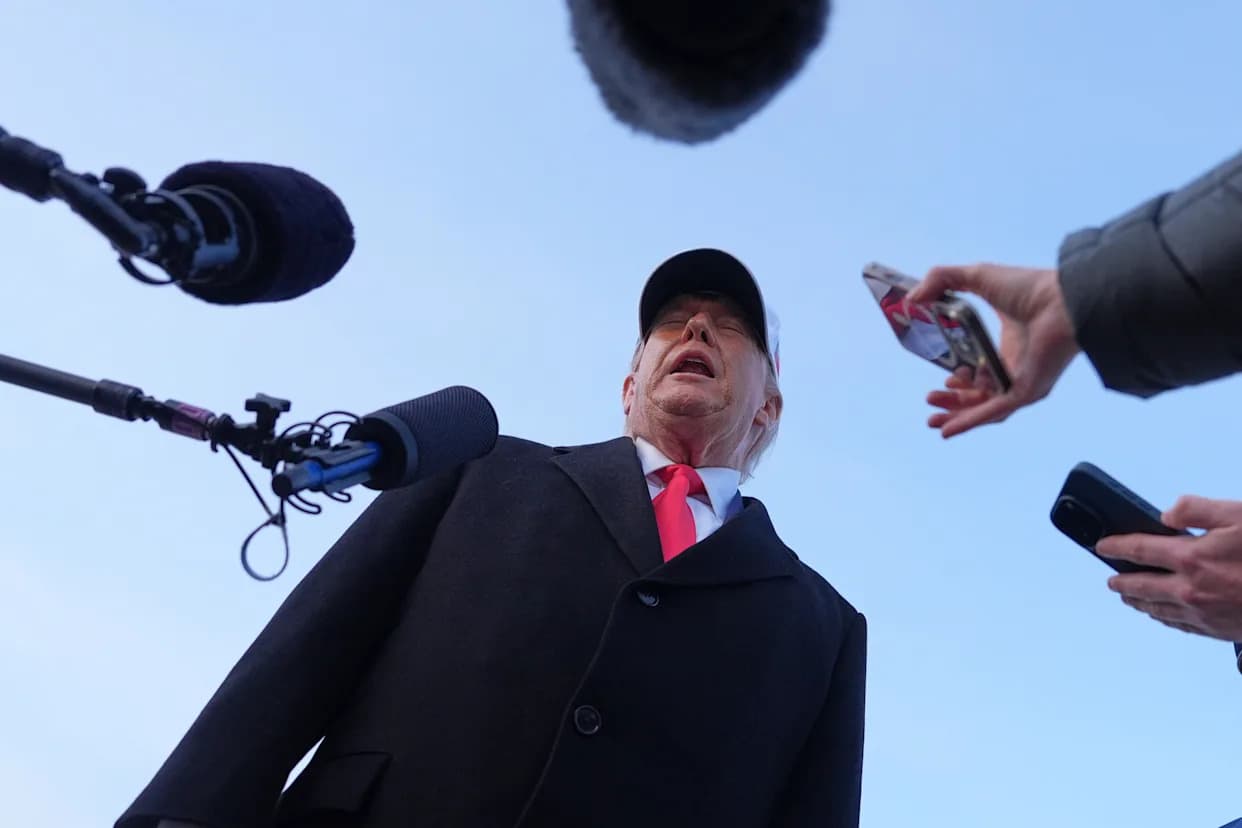
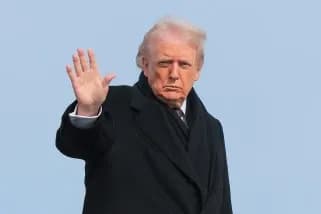
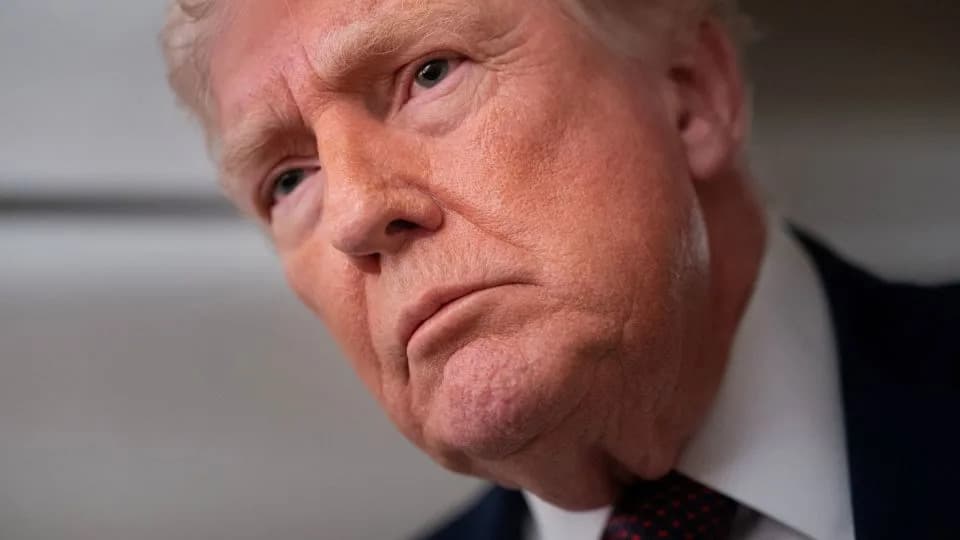
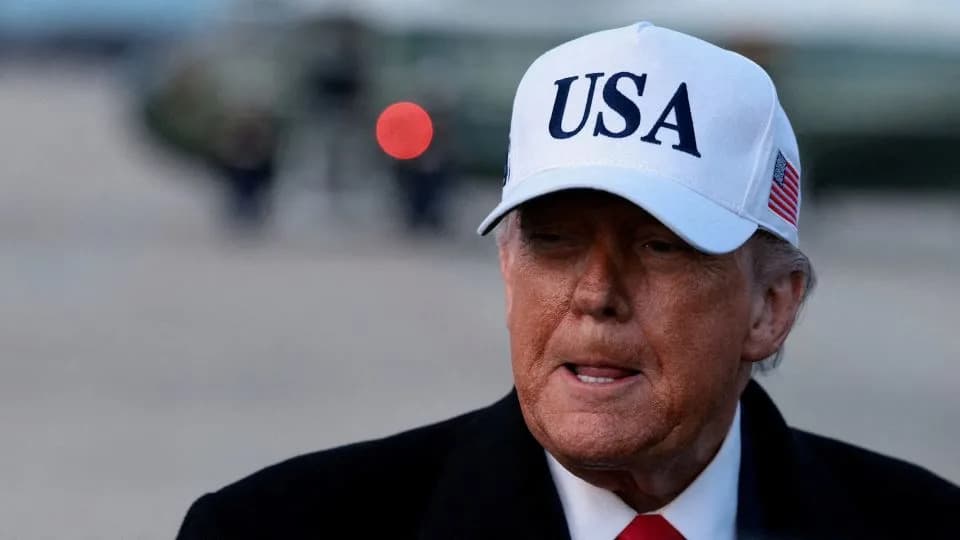
President Donald Trump speaks with reporters at Joint Base Andrews, Tuesday, Jan. 13, 2026, in Joint Base Andrews, Md. (AP Photo/Evan Vucci)
It is barely two weeks into the new year, and President Donald Trump has launched a series of controversial actions at home and abroad — from a criminal inquiry touching the Federal Reserve and intensified immigration raids in U.S. cities to an asserted U.S. role in Venezuela and broader threats toward other foreign leaders. The moves have unsettled some Republican allies, drawn sharp criticism from opponents and heightened political tensions as voters prepare for this fall's midterm elections.
Federal Reserve Probe Stirs Concern
Officials disclosed that the Federal Reserve has become the subject of a criminal inquiry after Chair Jerome Powell testified about building renovations at the central bank. The Justice Department has pursued cases involving several Trump critics in recent months, but a probe touching the Fed — an institution charged with setting monetary policy independently of politics — alarmed some conservative voices and Wall Street commentators.
“The presidency has gone rogue,” said Joanne B. Freeman, a historian at Yale, reflecting broader unease among some observers.
Critics warn that politicizing the Fed could undermine confidence in the U.S. financial system and backfire by increasing borrowing costs, even though the president has repeatedly pushed for lower interest rates. Commentators such as Fox Business host Maria Bartiromo said many on Wall Street do not want to see a public fight over the Fed.
Foreign Policy: A Shift From "America First"?
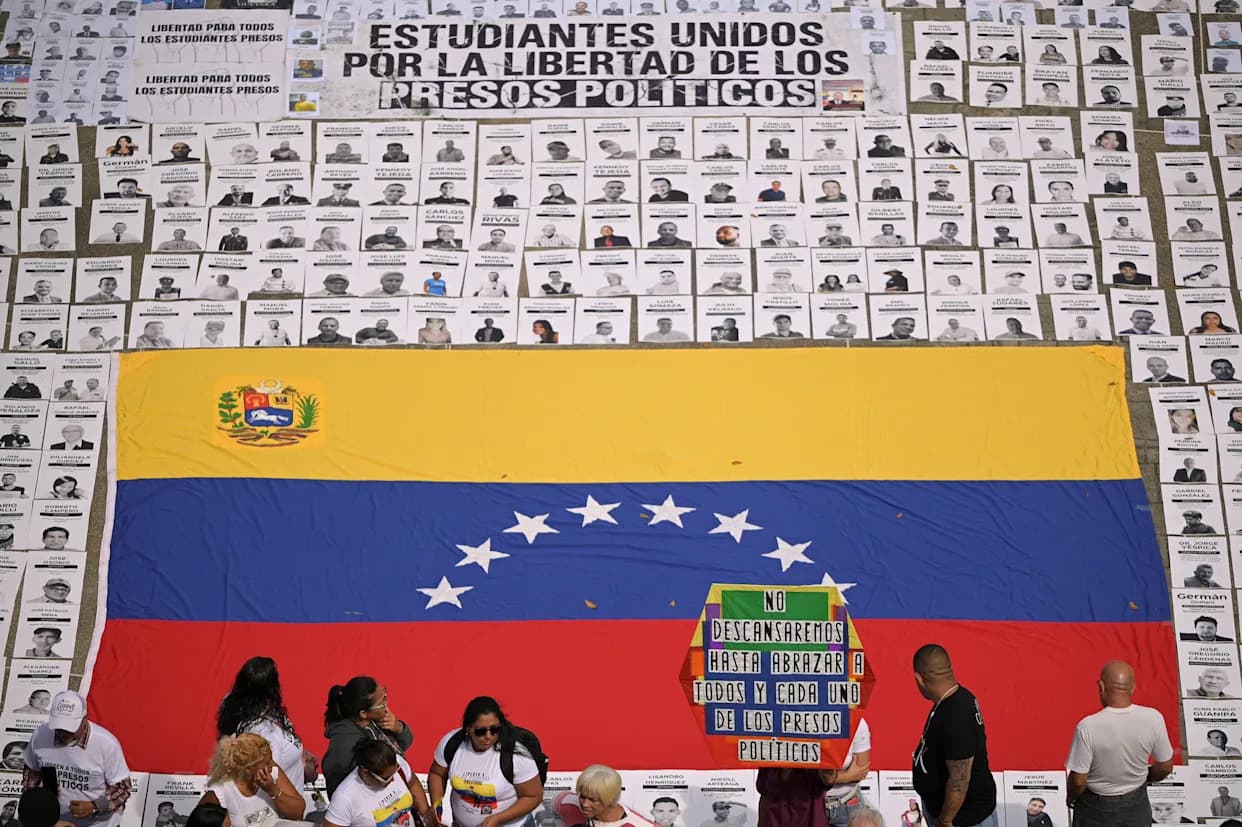
The administration has also expanded U.S. involvement overseas, in ways that depart from the narrower "America First" message the president emphasized while campaigning. The report details a recent U.S. military operation aimed at removing Venezuelan President Nicolás Maduro and his wife. The White House has framed the action in part as a response to alleged drug trafficking and as an opportunity to influence Venezuelan oil sales; the president even posted a meme calling himself the "acting president of Venezuela."
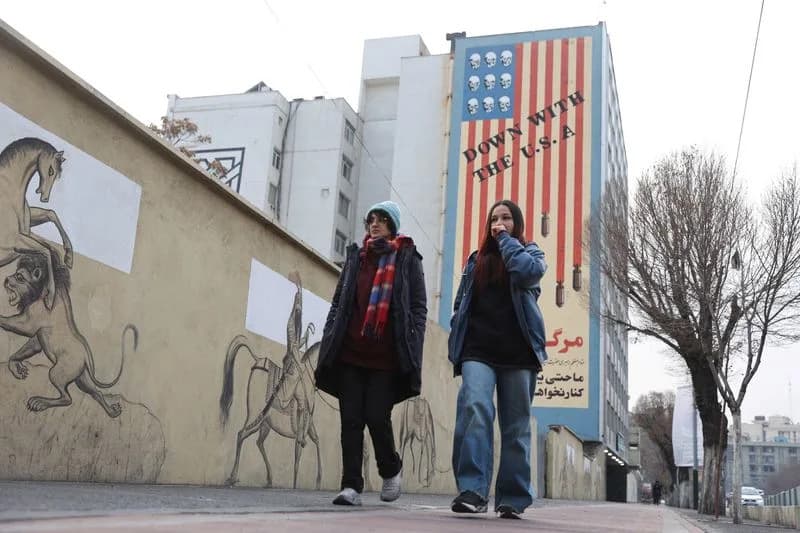
Trump has also issued public threats toward Cuba and Iran, and suggested the U.S. will control Greenland "one way or the other," a statement that raised diplomatic questions given Greenland's status as a Danish territory and Denmark's NATO membership.
Immigration Raids and Domestic Fallout
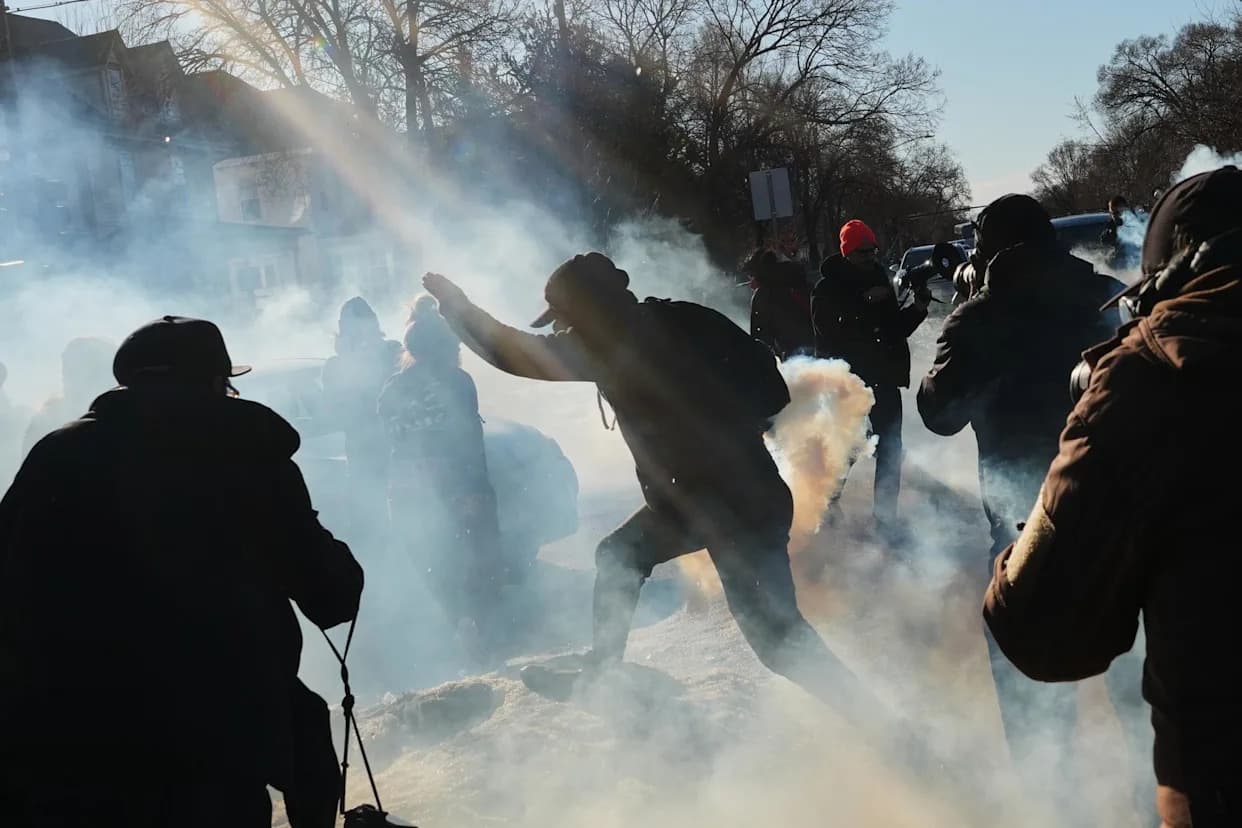
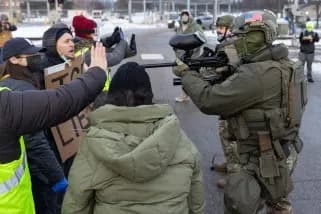
At home, intensified immigration enforcement has sparked chaotic scenes and deep local unease. The administration sent roughly 2,000 immigration agents to Minnesota amid allegations of fraud in parts of the Somali community. In one high-profile incident, a federal agent shot and killed 37-year-old Renee Good in Minneapolis. Federal officials say the agent acted in self-defense, while local officials and bystanders — and widely circulated videos — have raised questions about that account.
Cleveland Mayor Justin Bibb, who leads the Democratic Mayors Association, said the raids have produced "chaos, confusion and uncertainty" in many cities, and that residents are alarmed by the new enforcement actions.
Political Stakes and the Midterms
All of these developments come as voters prepare to weigh in at the ballot box in November, when control of Congress is on the line. Democrats are already emphasizing economic concerns; a December AP-NORC poll found that only 31% of U.S. adults approved of Trump's handling of the economy, the lowest economic approval rating he has seen in AP-NORC polling.
Democratic and progressive activists caution that Trump may double down on power-consolidating moves if he feels cornered. "Authoritarians don’t willingly give up power," said Ezra Levin, co-founder of Indivisible. Meanwhile, Republican officials remain publicly steadfast: Kiersten Pels, an RNC spokesperson, said the president is prioritizing Americans' safety and expects voters to reward those efforts in November.
As lawmakers, judges and voters react to the unfolding developments, the coming months are likely to determine whether these high-stakes moves help or hurt the president politically — and what they mean for U.S. institutions and international relationships.
Help us improve.