The article explains how domestic politics — especially economic concerns and the upcoming midterms — are shaping President Trump’s foreign-policy decisions. Vice President JD Vance acknowledged enforcement mistakes in Minneapolis while urging Democratic cooperation to reduce clashes with ICE. Meanwhile, Trump stepped back from a bid to acquire Greenland after political and market backlash, signaling a shift toward prioritizing domestic campaigning and economic stability.
How Domestic Politics Are Driving Trump’s Foreign Moves — From Minneapolis to Davos
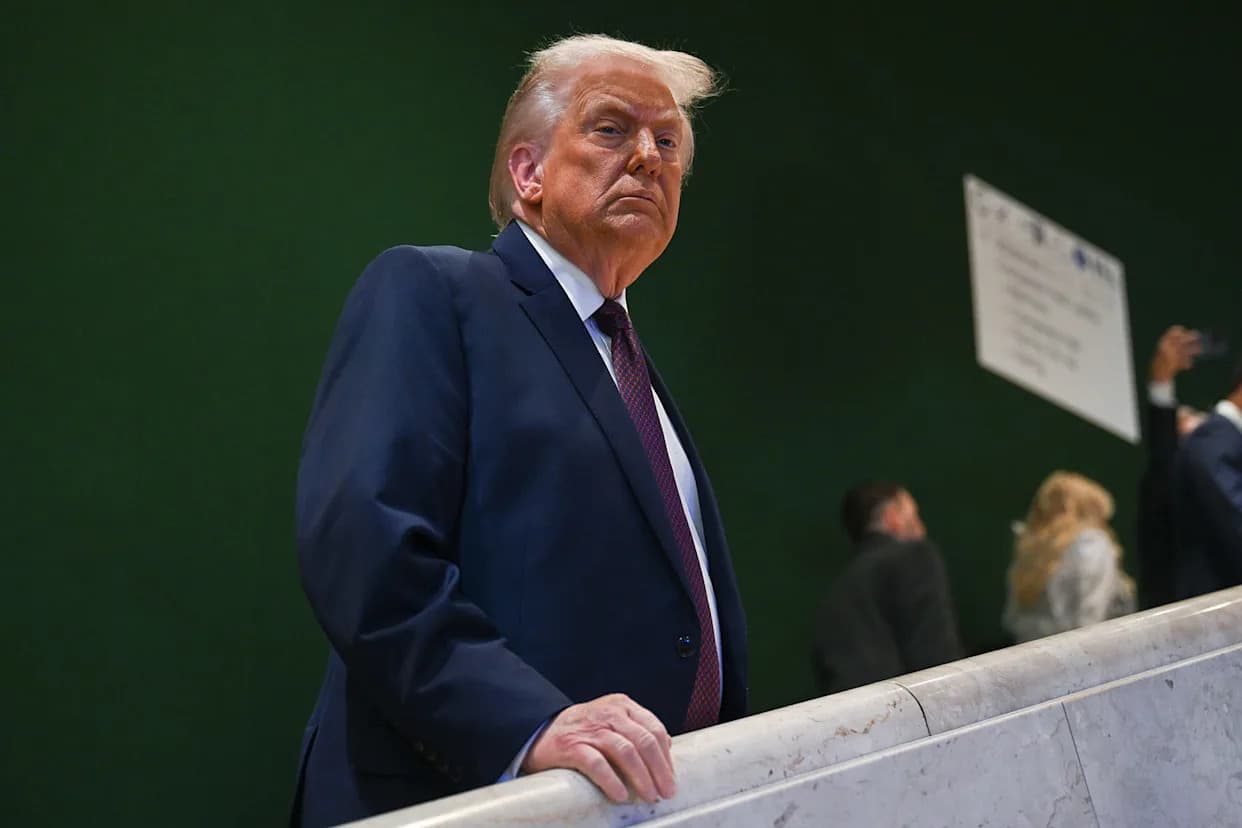
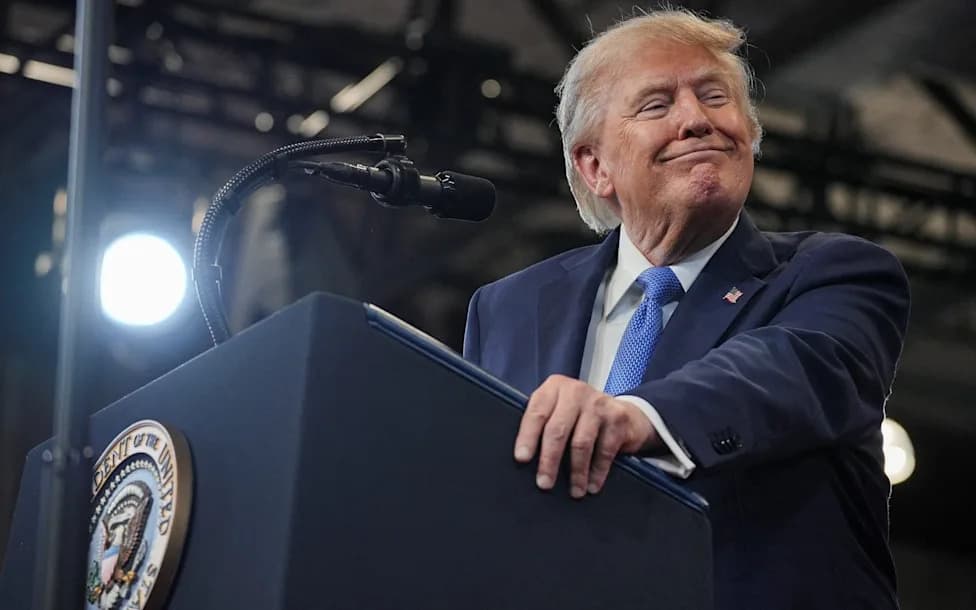
President Donald Trump at the World Economic Forum in Davos, Switzerland on Thursday. (Harun Ozalp / Anadolu / Getty Images)(Harun Ozalp)
The latest developments in Minneapolis and at the World Economic Forum in Davos highlight a simple reality for the Trump administration: foreign-policy ambitions are tightly bound to domestic political calculations. From immigration enforcement clashes to a shelved plan to secure Greenland, economic and electoral concerns are steering decisions in Washington.
Minneapolis: Enforcement, Tension and Political Pressure
Vice President JD Vance acknowledged Thursday that federal immigration enforcement in Minneapolis has not always been handled perfectly, but he used his visit to press a broader political point: Democrats should cooperate with the Trump administration to reduce clashes around Immigration and Customs Enforcement (ICE) operations.
Speaking after a roundtable with business and law-enforcement leaders, Vance said he did not need public endorsements from Minnesota Gov. Tim Walz or Minneapolis Mayor Jacob Frey. "I just don’t need that," he said. "What I do need is for local officials to empower their authorities to help federal officials so enforcement can be less chaotic and more targeted."
Vance conceded that mistakes have been made. Responding to a question in Toledo, Ohio, he echoed President Trump’s comment that ICE officers will "make some mistakes sometimes," adding that human error is inevitable in law enforcement while stressing that most officers perform properly. In Minneapolis, he acknowledged there are "occasionally videos" suggesting some agents did not do everything right but also expressed sympathy for federal officers he said face harassment from a small number of far-left agitators.
Tensions in the city have risen since a federal officer shot and killed Renee Nicole Good, 37, during an encounter on Jan. 7. The administration has suggested, without presenting conclusive evidence publicly, that Good was connected to protesters and posed a threat as she drove away.
Davos and Greenland: Retreat After Market and Political Pushback
At the World Economic Forum in Davos, President Trump left without securing ownership of Greenland. Instead, he described a "framework for a future deal" that he said would give the United States greater access to the strategically important North Atlantic island — an outcome critics called largely symbolic given existing U.S. defense access to the region.
Trump also abandoned earlier threats to invade or impose tariffs on countries supporting Denmark’s sovereignty over Greenland. Those threats drew criticism from European leaders and unsettled global markets: bond yields rose and major stock indexes fell, signaling the political and economic risks of escalating into a trade dispute with allies.
Why Domestic Politics Mattered
Analysts say the Greenland episode underscores how much Trump’s foreign-policy moves are constrained by domestic considerations. With many voters unhappy about the economy, the president must weigh actions that could spook markets or raise consumer prices — both of which could undermine Republican prospects ahead of the midterm elections.
Senior White House officials appear to be recalibrating: Chief of Staff Susie Wiles told reporters on the way to Davos that the president plans to travel less internationally in the coming months and focus more on domestic campaigning to help Republican candidates in November.
Other Notable Developments
- An internal ICE document from May reportedly said agents can enter homes of people facing deportation without warrants signed by judges.
- Former special counsel Jack Smith testified publicly before Congress, alleging the president engaged in a "criminal scheme" to overturn the 2020 election.
- CEOs of major health insurers testified in hearings about rising health-care costs.
- The FCC announced guidance on equal-time obligations for certain talk shows.
- A New York judge ruled a GOP-held congressional district in New York City unconstitutional and ordered a new map; the decision is likely to be appealed.
- Court records show President Trump’s son Barron contacted London police last year regarding an alleged assault of a woman he knew overseas.
- New polling from The New York Times and Siena College shows the president’s approval ratings underwater on several issues, with Democrats holding a small lead on the generic congressional ballot.
Taken together, the events in Minneapolis, Davos and Washington illustrate how economic realities and the electoral calendar shape — and sometimes limit — presidential foreign-policy initiatives.
Help us improve.