President Trump and senior aides have adopted an openly force-centered rhetoric as they push to assert U.S. dominance across the Western Hemisphere, including plans against Venezuela and Nicolás Maduro. Trump told The New York Times his only effective limit was his own conscience, while advisers emphasized power and leverage over legal constraints. The administration relies on a controversial late-1980s DOJ opinion and has reduced the traditional role of the Office of Legal Counsel, prompting new congressional and legal challenges.
Trump’s Foreign Policy Takes a King-Like Tone: Force, Leverage and Claims of Broad Executive Power
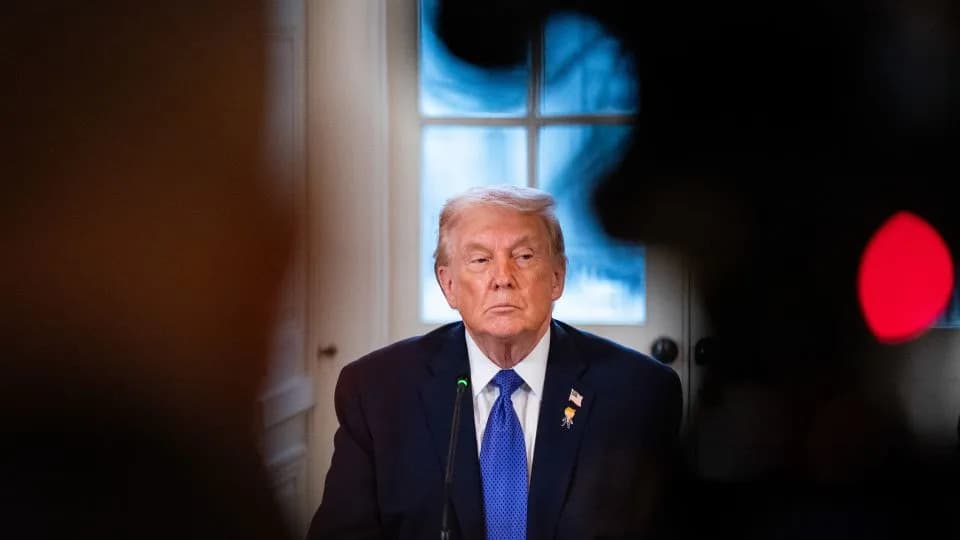
US President Donald Trump during a meeting with oil executives in the East Room of the White House in Washington, DC, US, on Friday, Jan. 9, 2026. - Al Drago/Bloomberg/Getty Images
Two months ago, President Donald Trump and his allies dismissed protesters who carried “No Kings” signs as overly dramatic. But recent statements and actions by Trump and senior aides have taken on an unmistakably monarchical tone, emphasizing raw power, unilateral authority and a willingness to use military force to shape outcomes in the Western Hemisphere.
Claims of Personal Limits — and Personal Authority
In a New York Times interview this week, Trump suggested the only real constraint on his global actions was his own judgment. Asked whether any limits constrained his global authority, he replied:
“Yeah, there is one thing: My own morality. My own mind. It’s the only thing that can stop me.”
When pressed, Trump said he would abide by international law — but he also implied he would decide which international-law constraints applied. The Times described the remark as the clearest statement yet of his worldview.
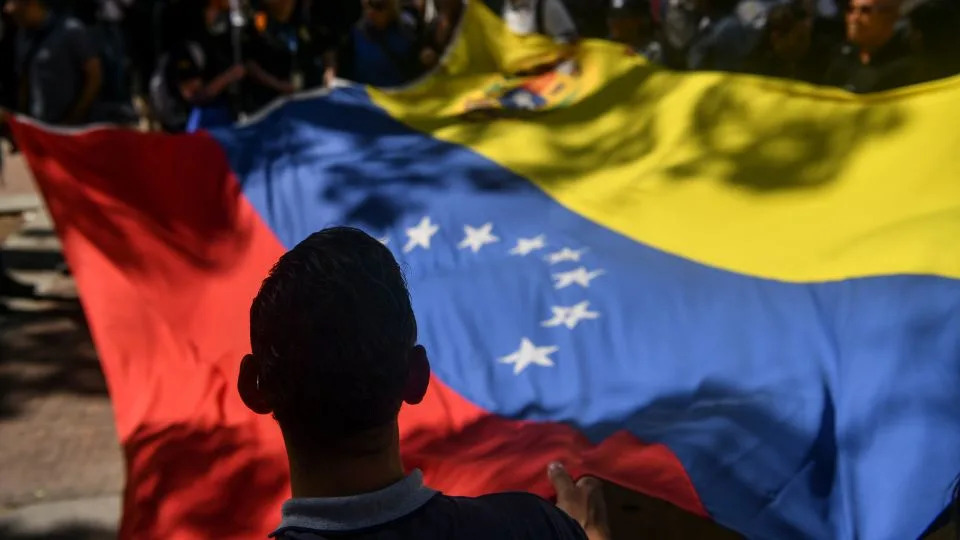
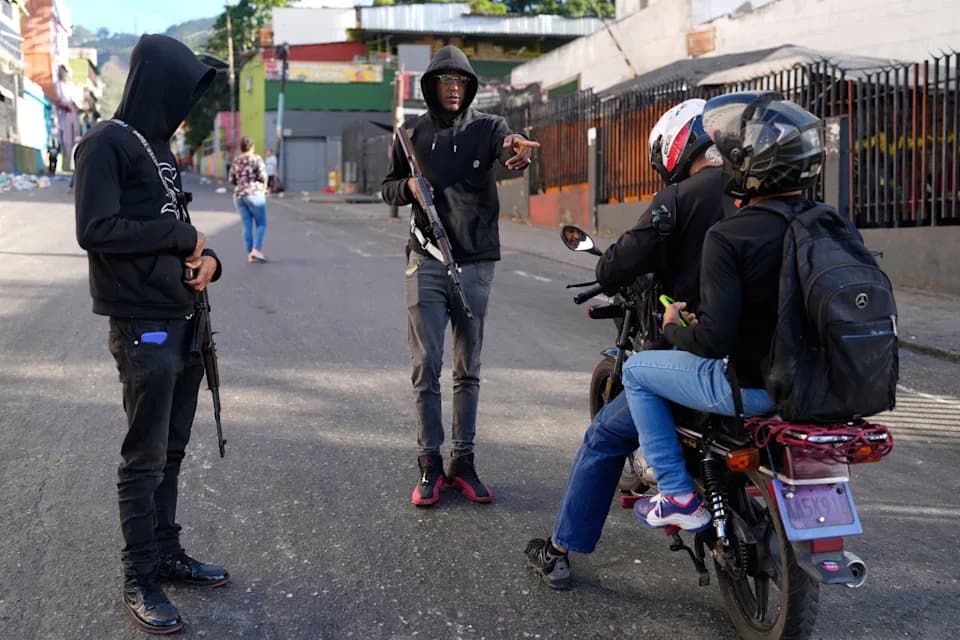
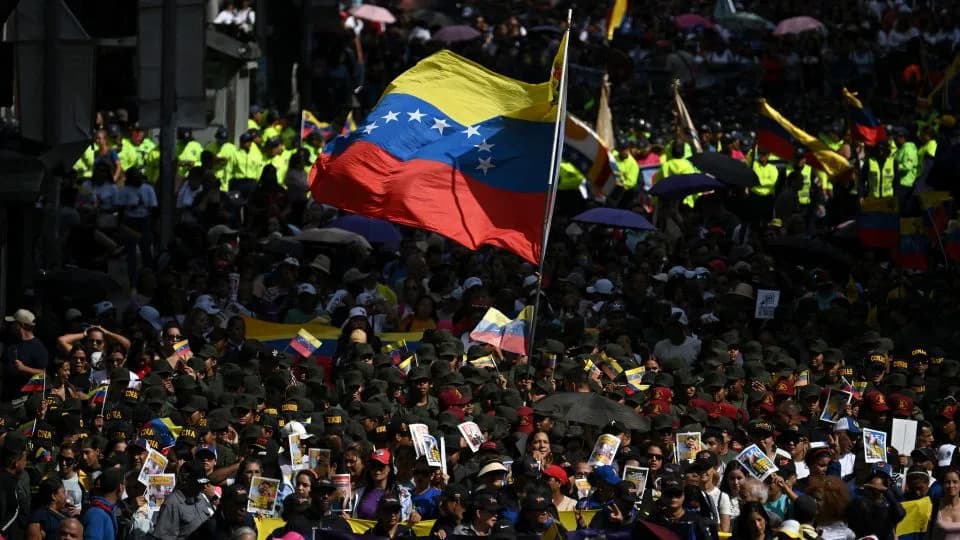
Government supporters wave a Venezuelan flag during a demonstration on January 8, 2026 in Caracas, Venezuela. - Carlos Becerra/Getty Images
Administration Rhetoric: Power Over Restraint
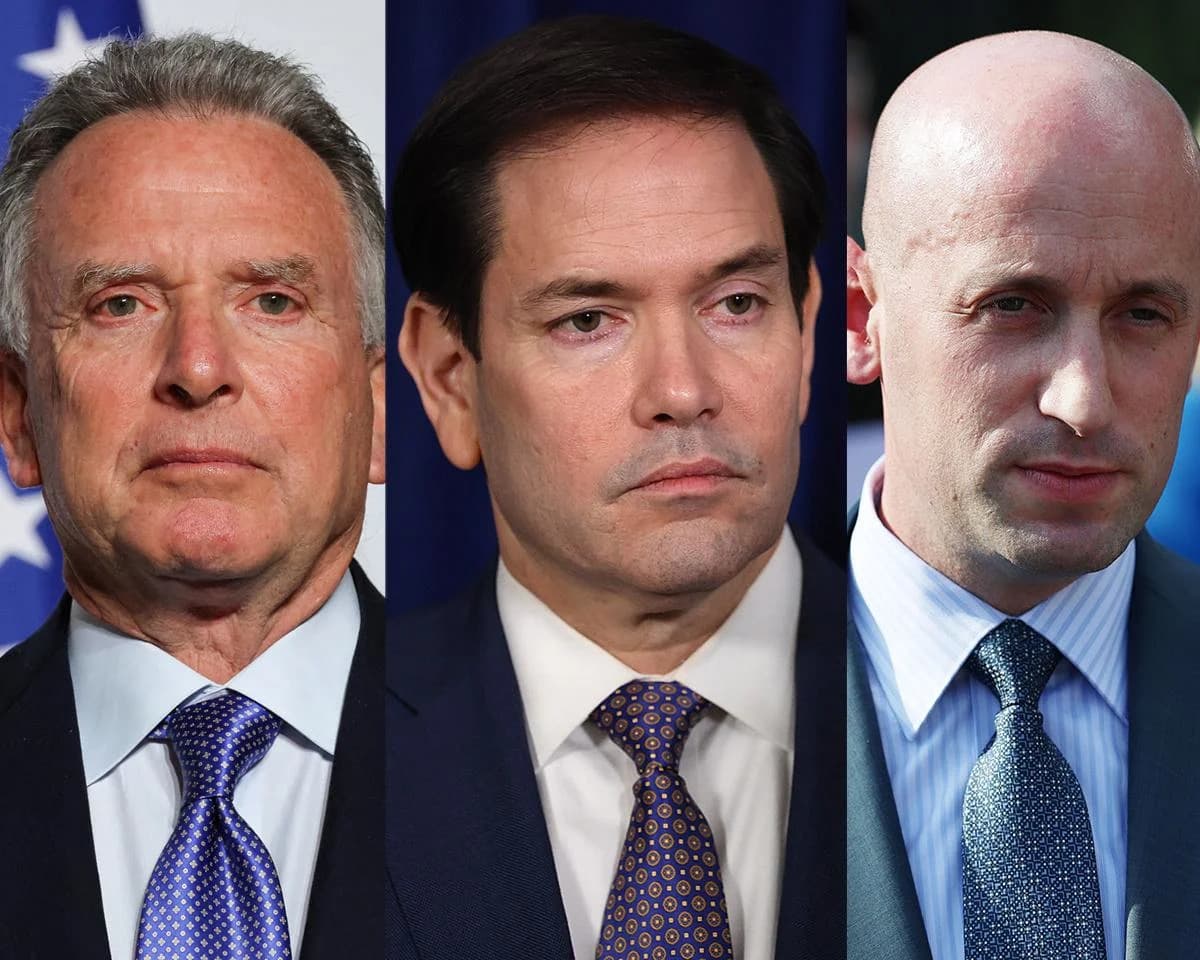
Senior officials have echoed that force-forward posture. White House press secretary Karoline Leavitt said U.S. leverage over Venezuela meant “decisions are going to continue to be dictated by the United States of America.” Adviser Stephen Miller told CNN the world is “governed by strength, by force, by power,” urging America to assert itself “without apology.”
Those comments accompany concrete claims of broad executive authority. The administration framed the operation against Nicolás Maduro not primarily as a military action but as law enforcement: an effort to capture an indicted individual with the military playing a supporting role. That justification leans on a controversial late-1980s Department of Justice opinion that has been interpreted to give presidents wide latitude to send U.S. forces into foreign countries when pursuing an indicted person.
Differences From Past Precedents
Comparisons have been made to the 1989 Noriega case, but important distinctions exist: Congress had explicitly authorized actions related to Manuel Noriega, and Panama had declared war on the United States. Those conditions are not present in the current Venezuela context. After the Senate advanced a war powers resolution this week — with five Republicans joining Democrats — Vice President J.D. Vance dismissed it as “fake” and “unconstitutional,” saying it would not change near-term policy.
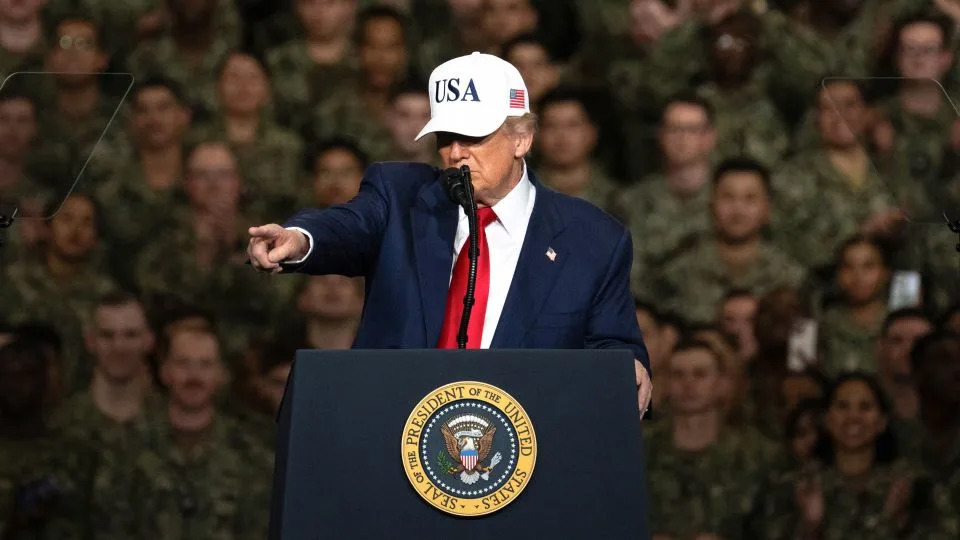
US President Donald Trump gestures as he delivers a speech to US Navy personnel on board the US Navy's USS George Washington aircraft carrier at the US naval base in Yokosuka on October 28, 2025. - Philip Fong/AFP/Getty Images
Legal Postures and Institutional Changes
The administration has asserted other wide authorities, including claiming the power to use lethal force against suspected drug traffickers on the high seas without judicial review. It also has pushed to reframe how legality is assessed in the executive branch. Early in the term, Trump signed an executive order diminishing the traditional role of the Justice Department’s Office of Legal Counsel (OLC), stating in effect that the legal views of the president and attorney general should control federal employees’ conduct.
Administration statements have further suggested service members should not be the ones to evaluate the legality of presidential orders. Leavitt said in November, “All orders, lawful orders are presumed to be legal by our service members,” reflecting a doctrine that places primary responsibility for legal judgments with civilian leadership.
History of Provocative Proposals
Trump has publicly entertained or advocated measures in the past that legal experts called unlawful, including endorsing torture or targeted killings during the 2016 campaign and suggesting in 2020 the bombing of Iranian cultural sites — a proposal many argued would violate international law. Advisers also say he sometimes raises illegal options privately.
What This Means
Taken together, rhetoric and policy moves signal an administration comfortable claiming expansive presidential powers and testing legal and institutional limits. Whether congressional checks, courts or international institutions will constrain that trajectory remains an open and consequential question for U.S. foreign policy and the rule of law.
For more coverage and analysis, see related reporting from The New York Times and CNN.
Help us improve.