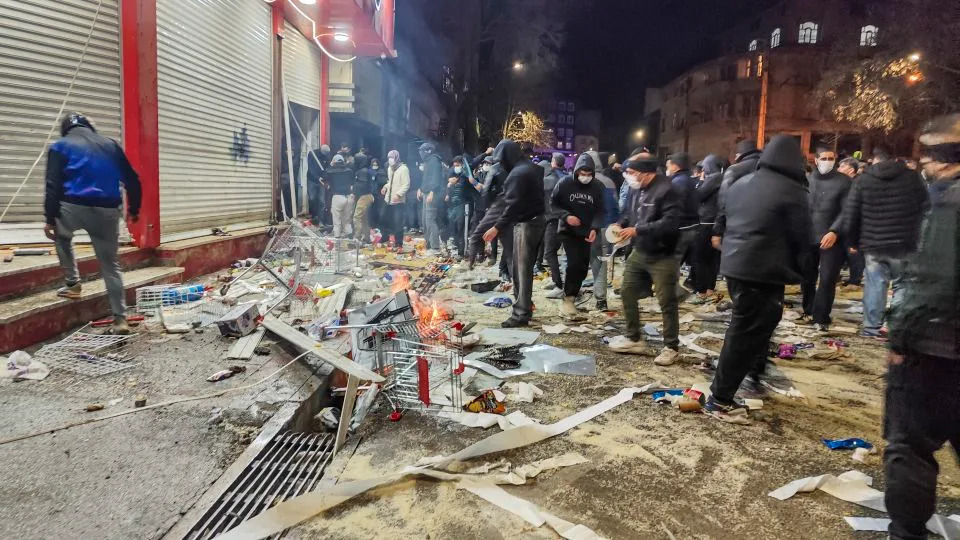
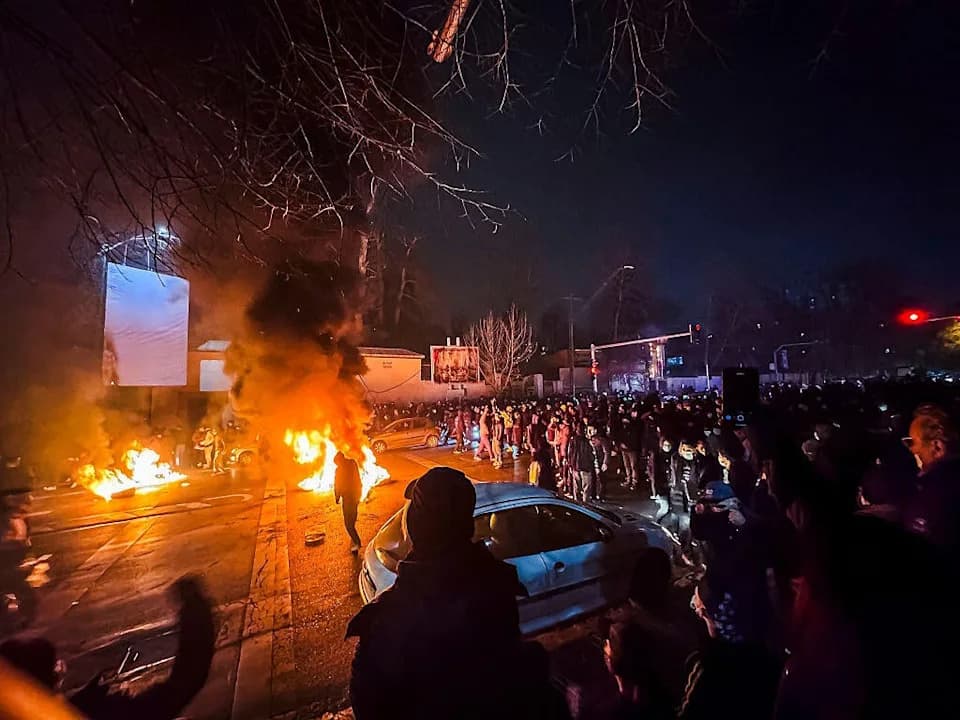
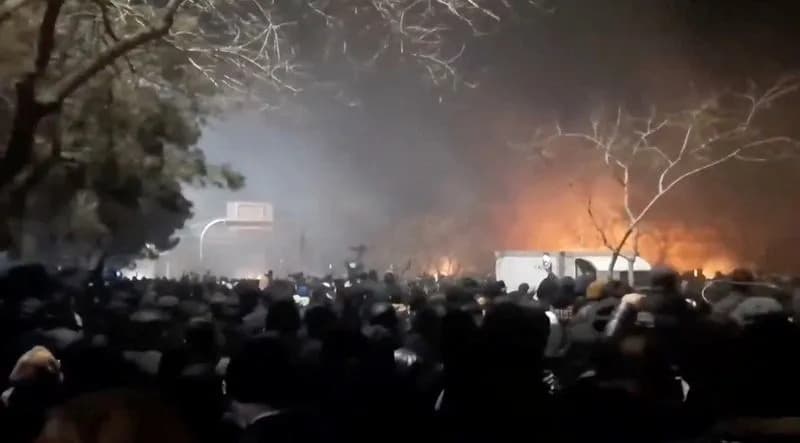
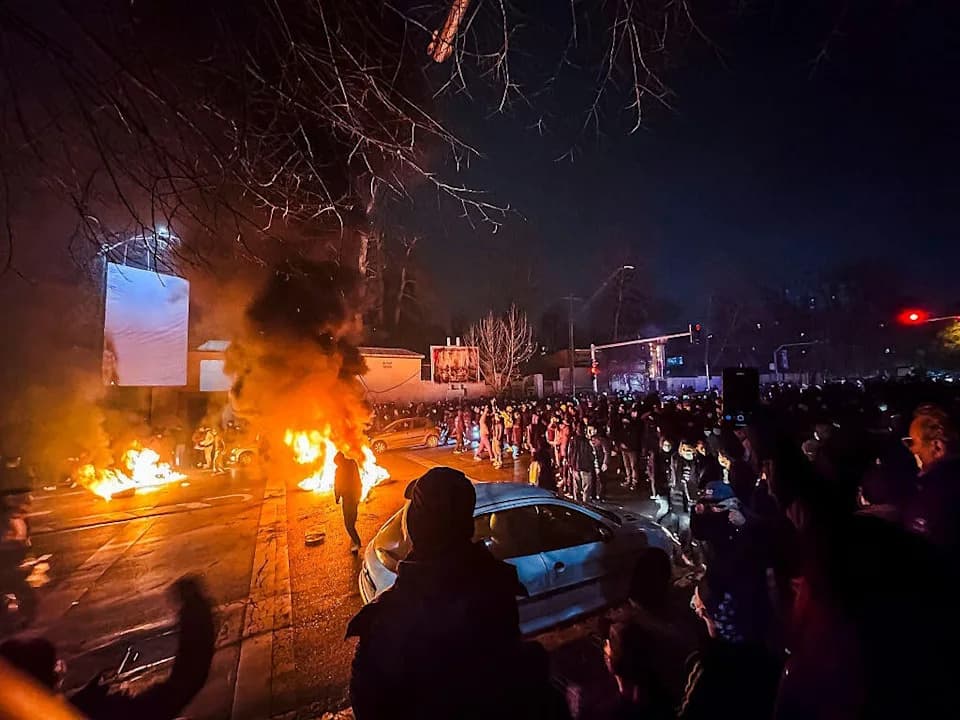
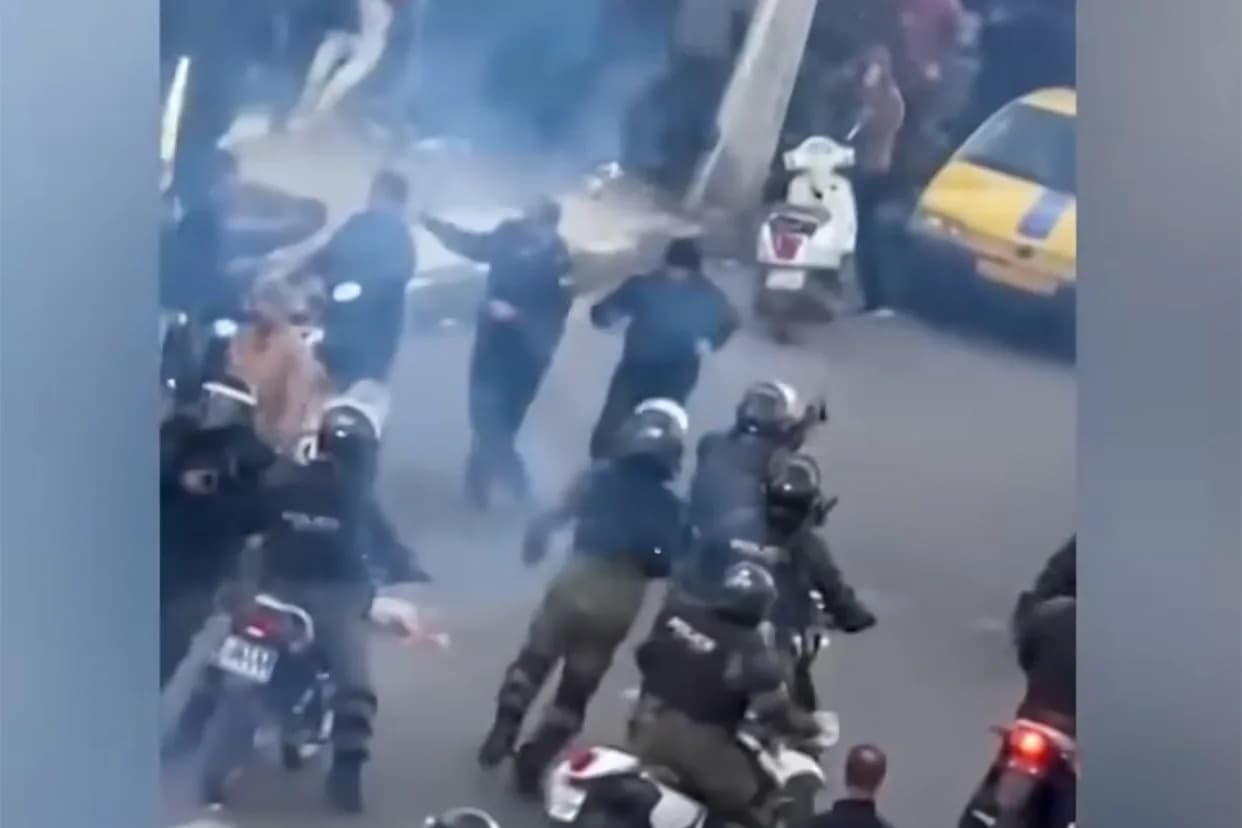
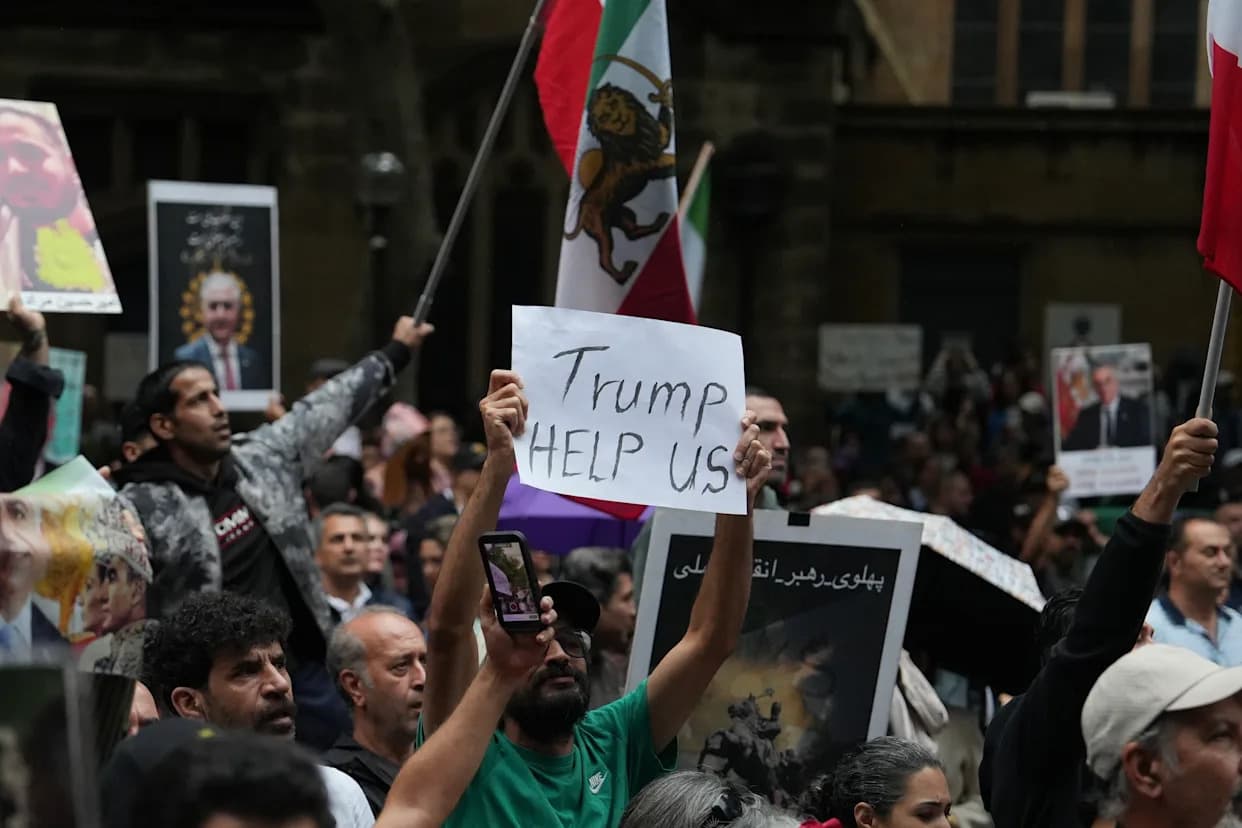
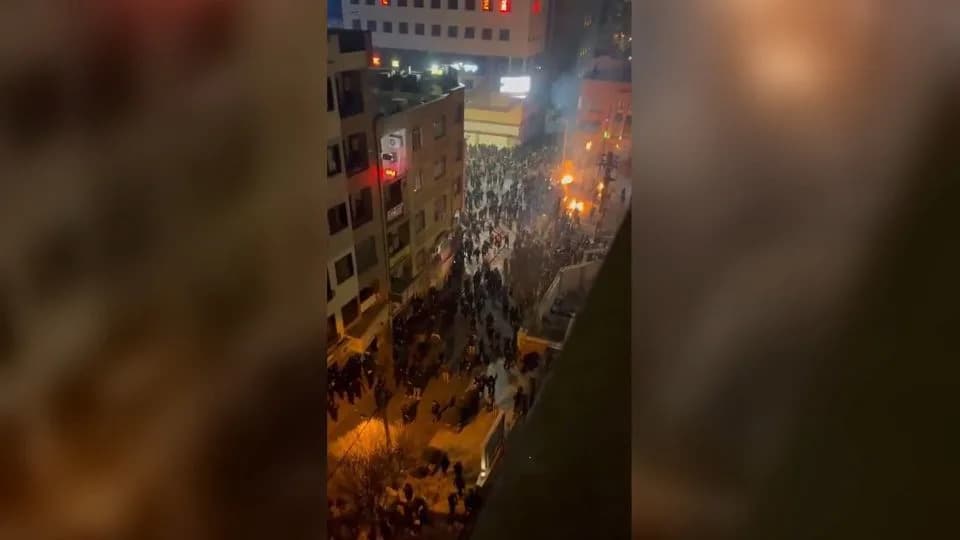
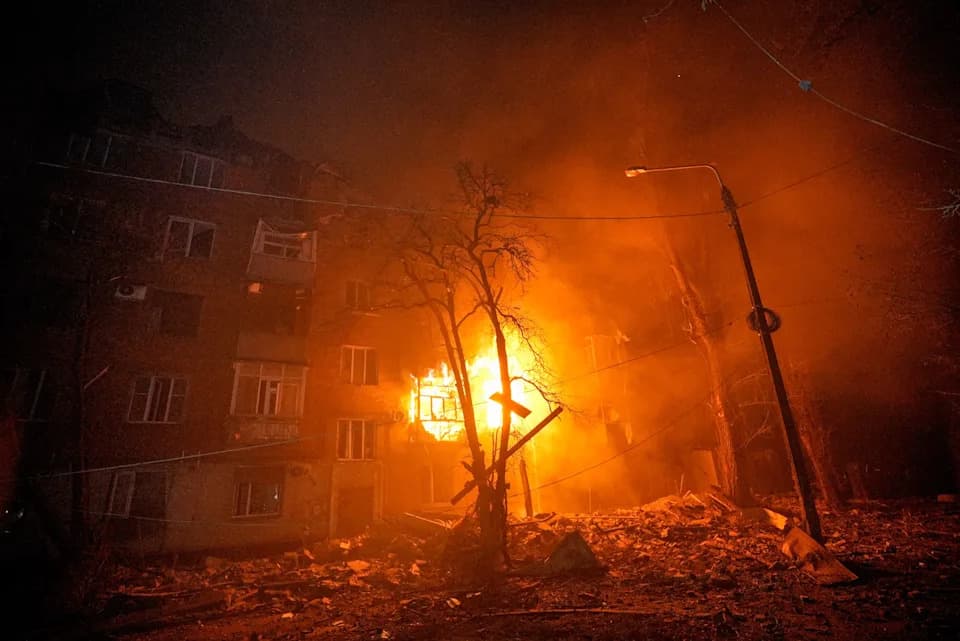
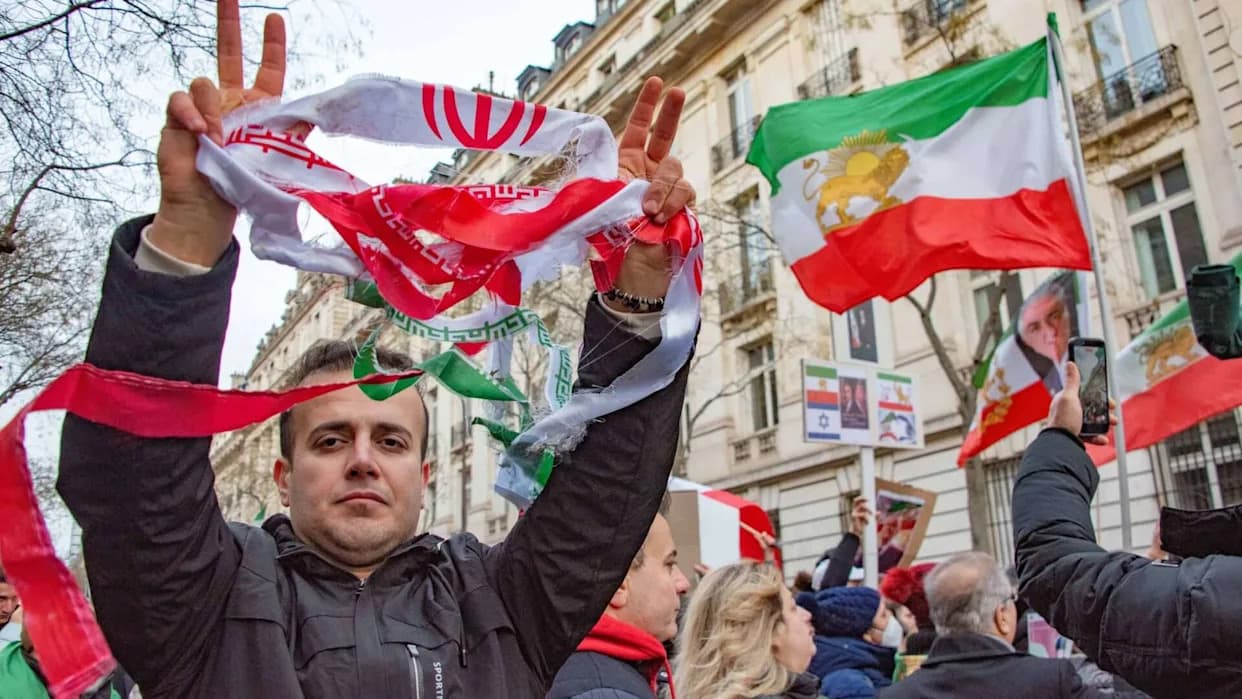
Anti-government demonstrations have erupted across all 31 of Iran’s provinces in a wave of unrest that many analysts call the most serious challenge to the Islamic Republic in years. Authorities imposed a widescale communications blackout that experts describe as unprecedented in scope, largely isolating Iran from the outside world amid deadly clashes.
How the Protests Began
The unrest began roughly two weeks ago in Tehran’s historic bazaars after a sharp spike in prices for staple goods and the central bank’s decision to end a program that let some importers buy U.S. dollars at preferential rates. Merchants — known as bazaaris — responded by closing shops, triggering strikes that quickly spread to more than 180 cities and towns and evolved from economic grievances into broader anti‑regime demonstrations.
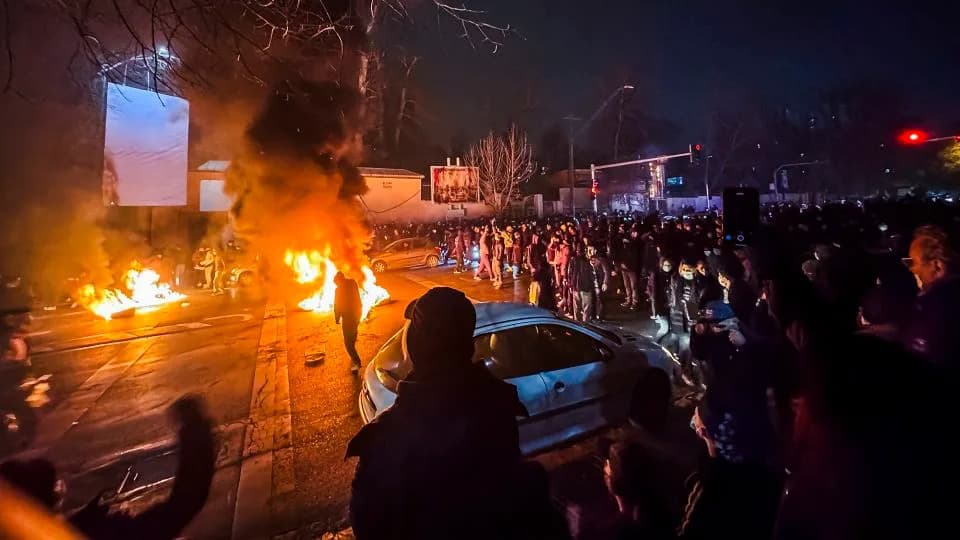
Protesters block a street during a demonstration in Kermanshah, Iran, on Thursday. - Kamran/Middle East Images/AFP/Getty Images
Economic Drivers
Inflation, shortages and currency volatility pushed prices of essentials such as cooking oil and chicken dramatically higher and, in some cases, off store shelves. The central bank’s policy change removed a subsidy on foreign exchange that many traders relied on, prompting immediate price increases and shuttered businesses that catalyzed public anger.
The Bazaaris’ Political Weight
The fact that the protests started with bazaaris is notable: historically they have been an important, often regime‑supporting social and economic force in Iran. Their decision to strike signals the depth of economic distress and carries symbolic weight that helped the demonstrations spread rapidly.
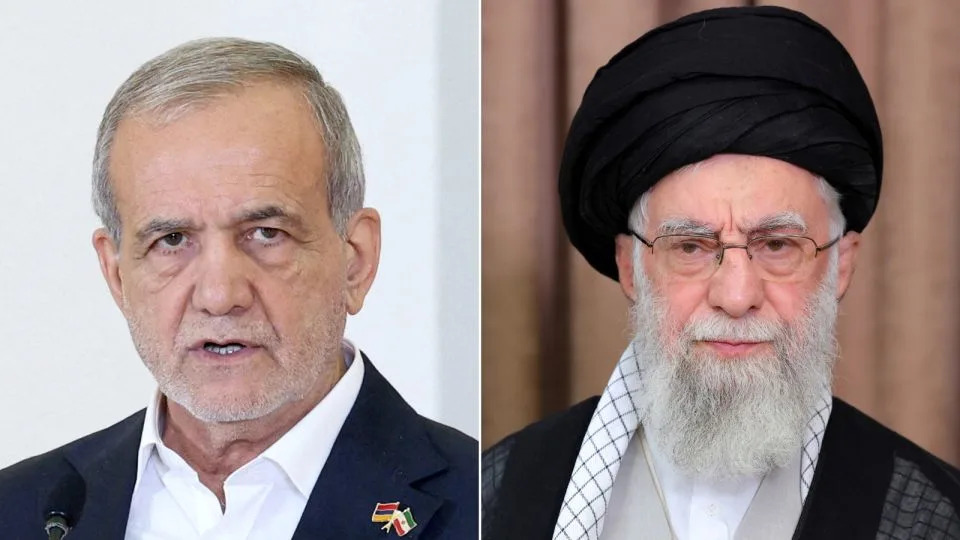
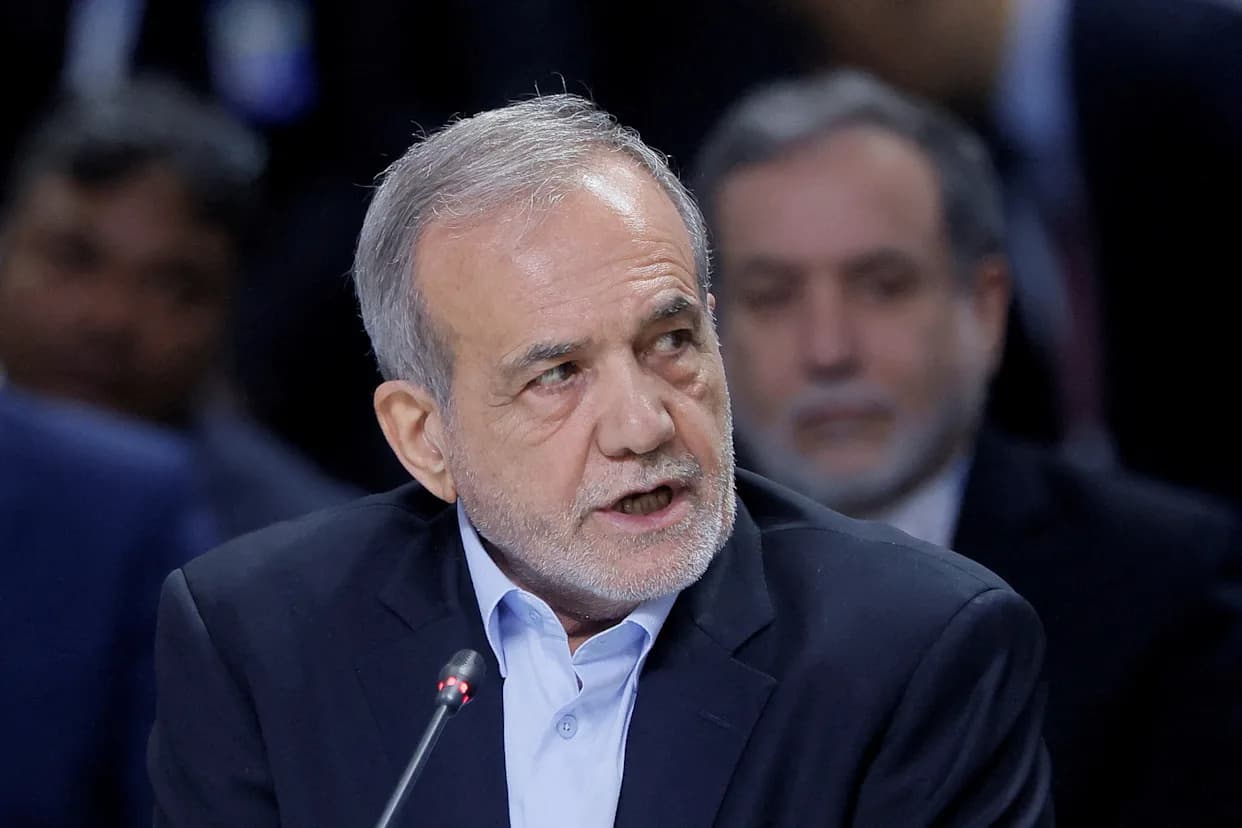
The powers of Iran's president (currently Masoud Pezeshkian, pictured on left) are limited. Supreme Leader Ali Khamenei is the ultimate authority on all major matters. - Reuters
Government Response and Human Cost
Authorities have sought to separate economic protesters from demonstrators they portray as seeking regime change, labeling the latter "rioters" and foreign‑backed "mercenaries". Human rights monitors report a heavy toll: the U.S.‑based Human Rights Activists News Agency (HRANA) has said more than 500 people — including children — have been killed and nearly 10,700 arrested, numbers that news organizations say could not be independently verified.
Tehran’s prosecutor warned that some acts of vandalism could be prosecuted as moharebeh ("waging war against God"), a charge that can carry the death penalty under Iranian law.
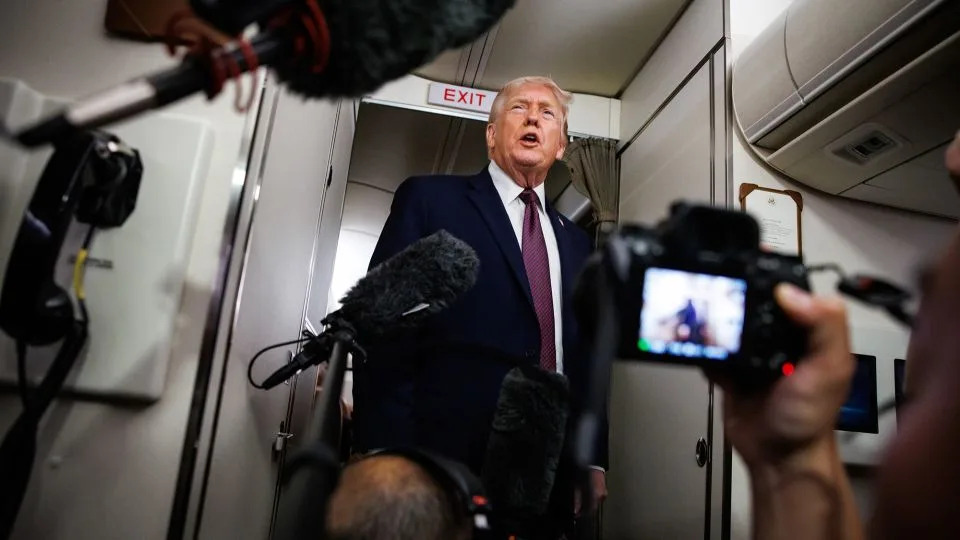
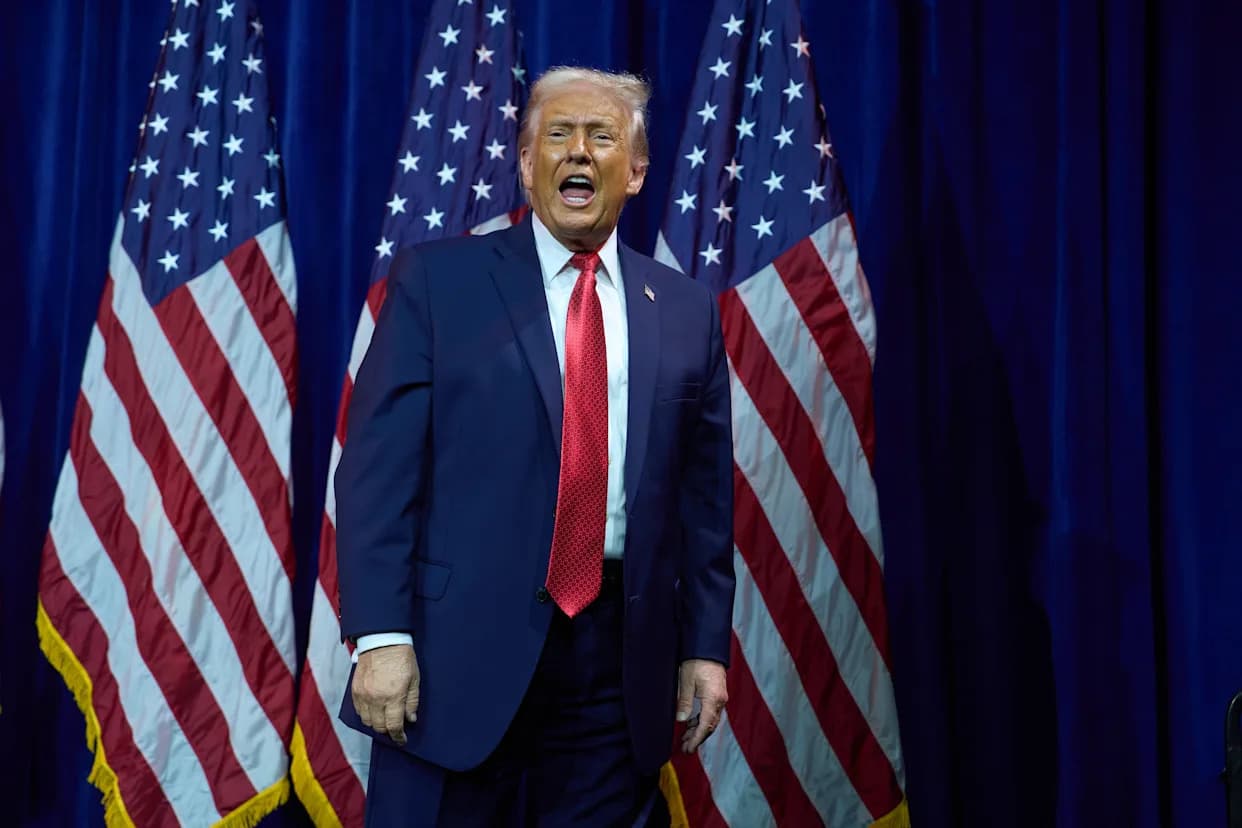
US President Donald Trump takes questions aboard Air Force One on Sunday. - Samuel Corum/Getty Images
Political Context
Iran has been governed as a theocracy since the 1979 revolution. Though President Masoud Pezeshkian, elected in 2024, has presented a more pragmatic agenda, ultimate authority rests with Supreme Leader Ayatollah Ali Khamenei. Analysts point to long‑running corruption, mismanagement, environmental strains and weakened regional influence as underlying causes of public frustration.
International Reactions And The U.S. Role
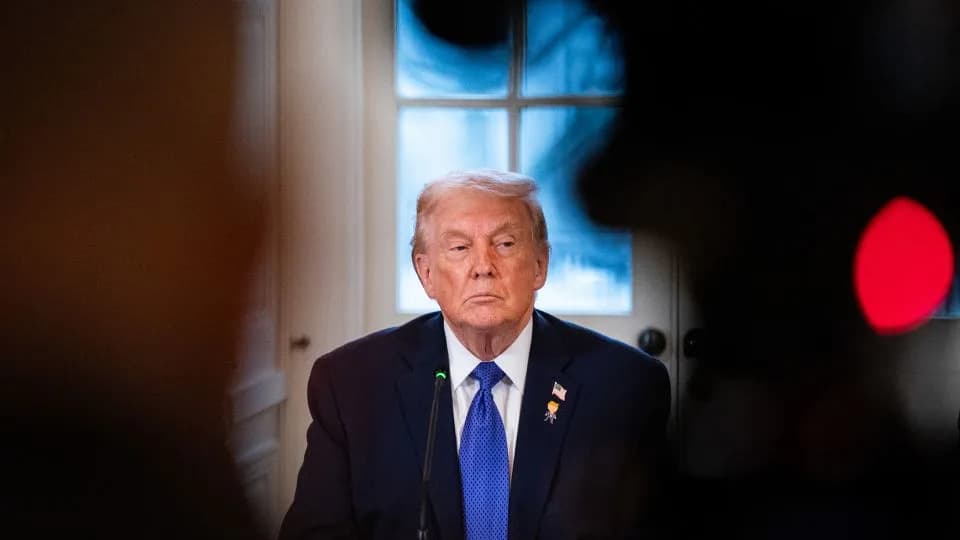
U.S. President Donald Trump has warned of "very strong options," saying the military is reviewing possible responses. He also announced punitive measures including a 25% tariff on countries doing business with Iran. Iran says it is open to negotiations on terms of "mutual respect and interest," and officials have said diplomatic channels remain open.
Observers warn that external pressure and regional military actions last year — including strikes on Iran‑linked targets — have eroded Tehran’s regional leverage and intensified domestic critique.
What Comes Next
The situation remains fluid. Key questions include whether the protests will retain momentum, how far the government will go in enforcing laws and using force, whether international pressure will rise, and whether economic reforms or concessions can defuse tensions. Scholars warn that coercion may be the regime’s primary remaining tool, while many Iranians remain skeptical about the prospects for meaningful reform.
Note: Casualty and arrest figures are based on reports from human rights groups and media outlets and have not been independently verified by all news organizations.