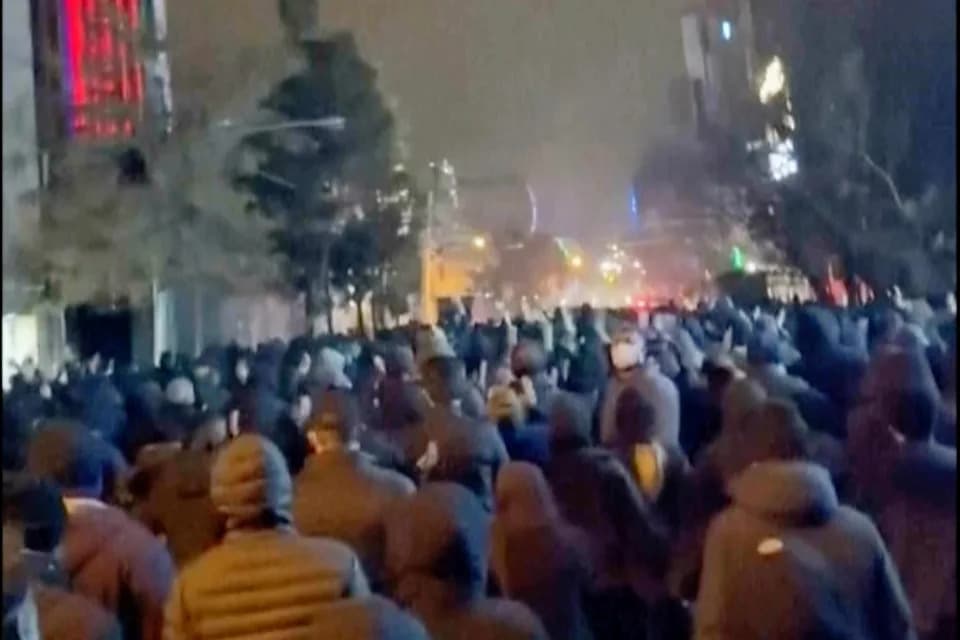
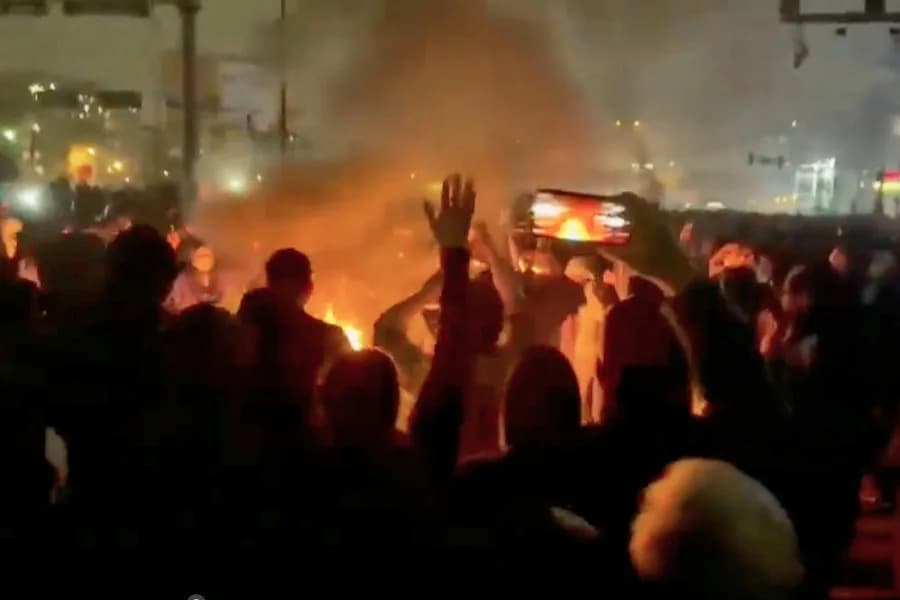
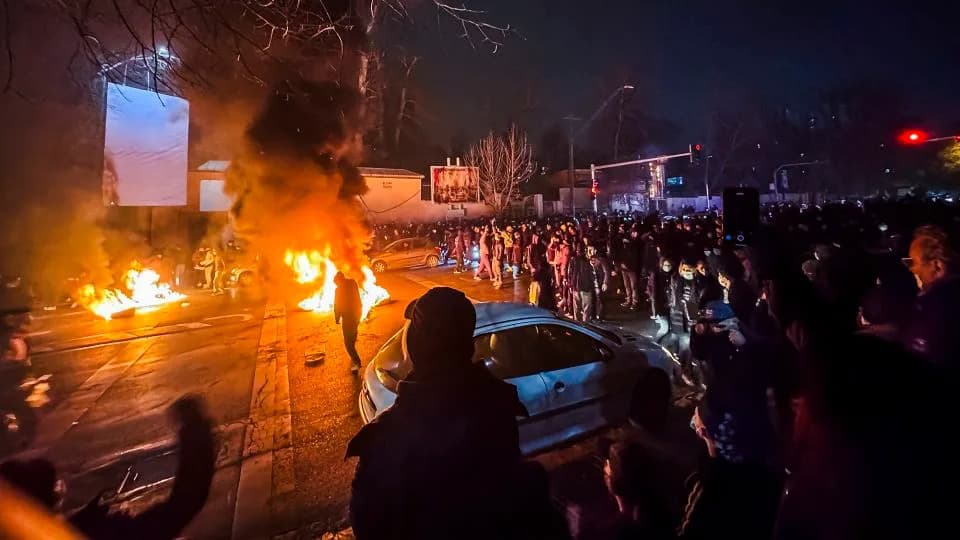
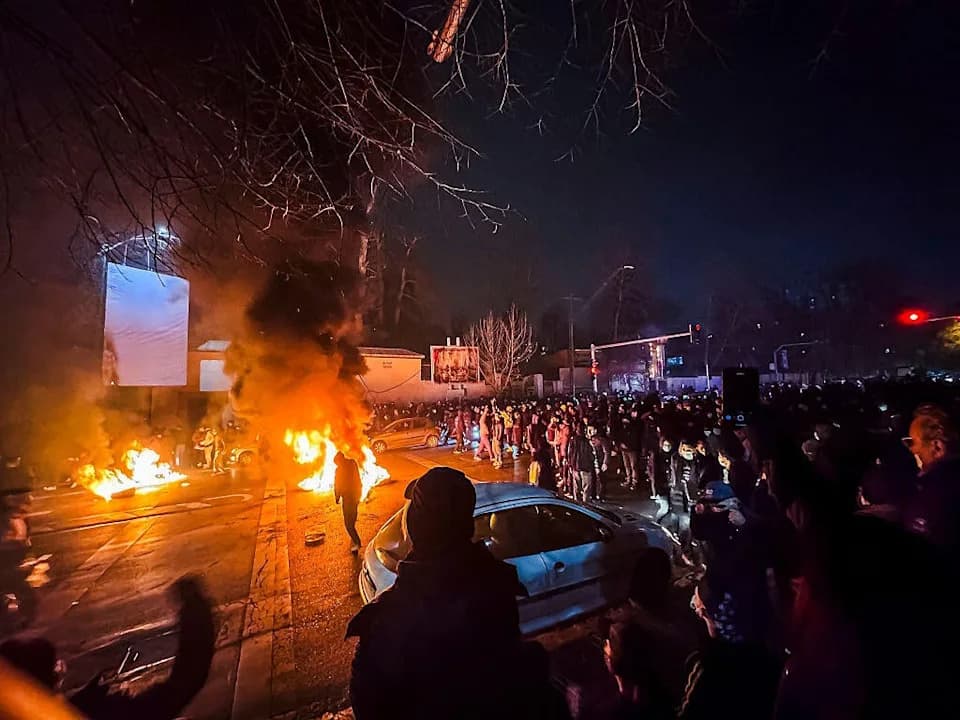
The U.N. Security Council will hold an emergency session after the U.S. requested review of Iran’s deadly crackdown on nationwide protests. Rights groups report at least 2,615 deaths, and the IFRC confirmed an aid worker was killed. The G7 warned of possible new sanctions while China, Turkey and other regional actors urged restraint. Airlines have adjusted routes and services amid security concerns.
UN Security Council to Hold Emergency Session After US Requests Review of Deadly Iran Crackdown
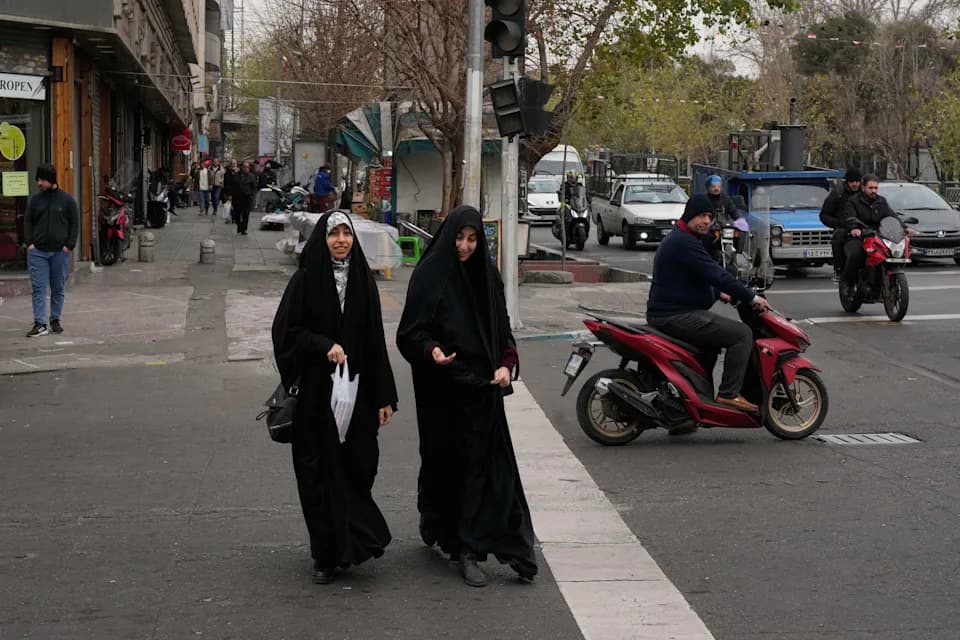
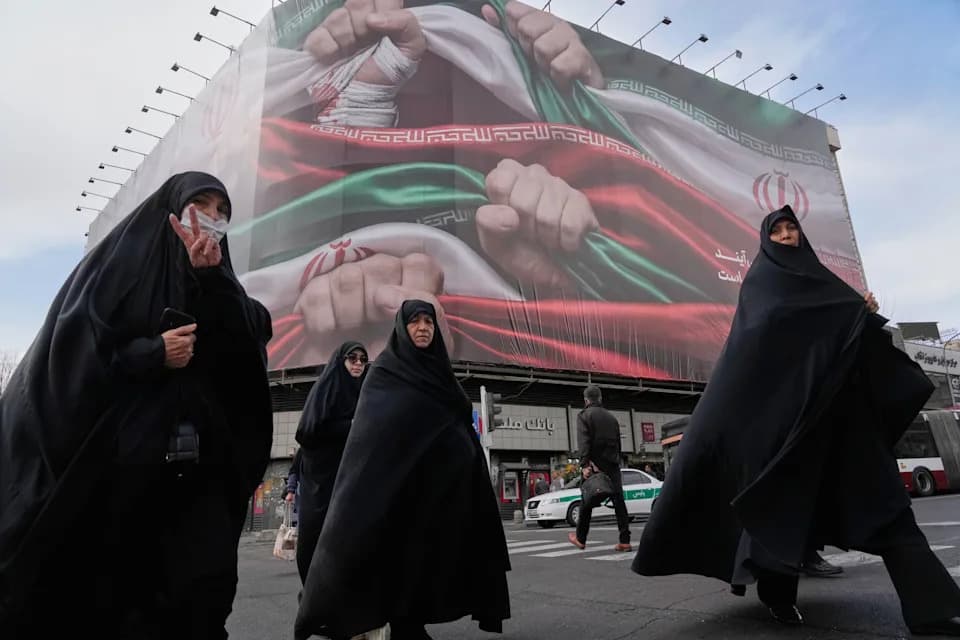
Women cross an intersection in downtown Tehran, Iran, Thursday, Jan. 15, 2026. (AP Photo/Vahid Salemi)(ASSOCIATED PRESS)
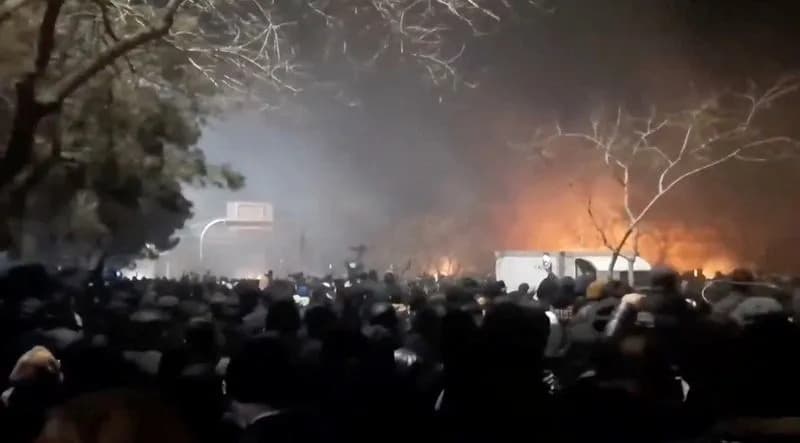
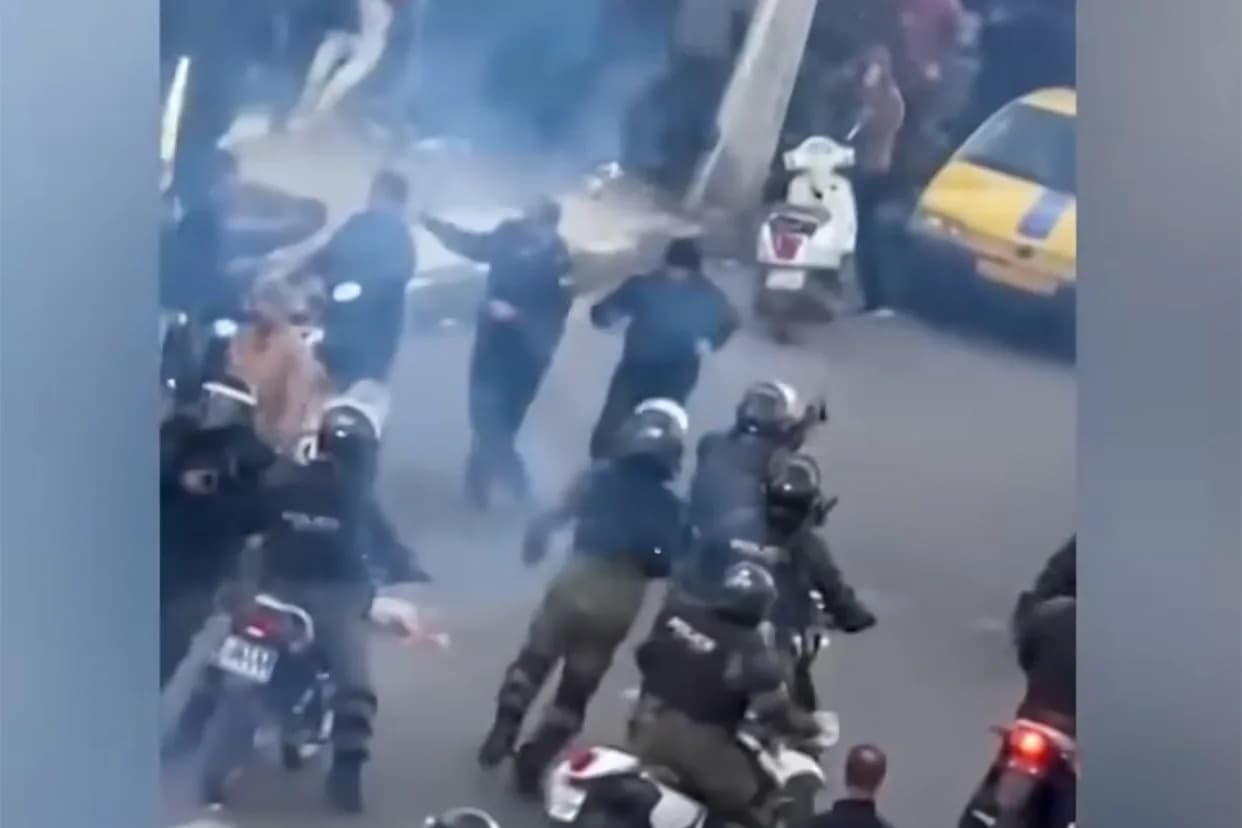
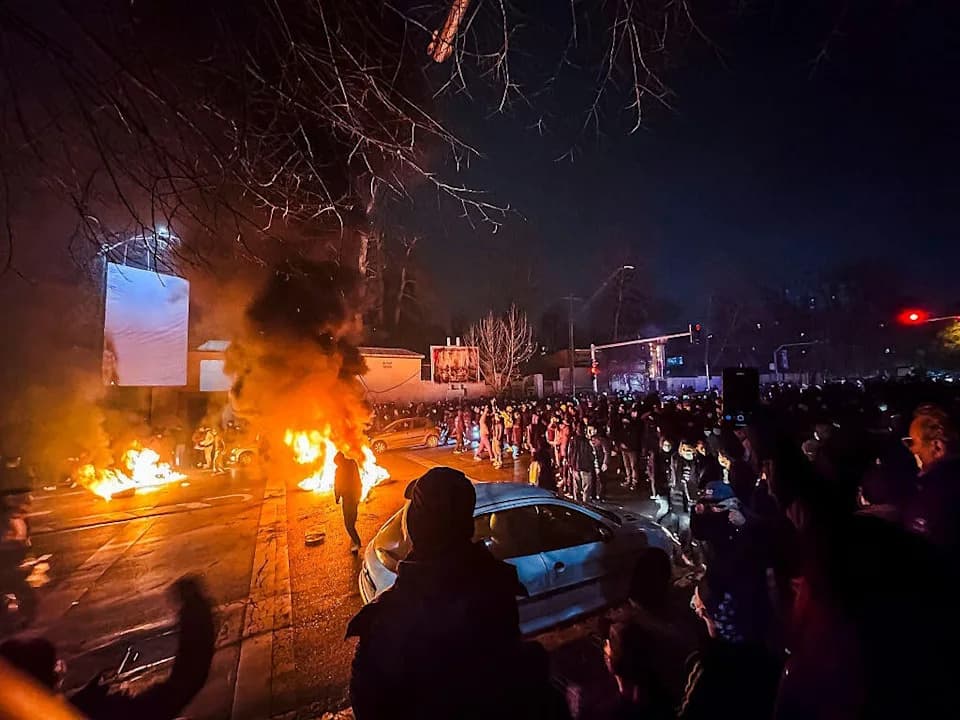
The U.N. Security Council has scheduled an emergency meeting at the request of the United States to consider the recent, deadly wave of protests across Iran and the government’s forceful response. International rights groups report an exceptionally high death toll, and global leaders have issued warnings while calling for restraint and dialogue.
High Toll and Humanitarian Losses
Rights groups say at least 2,615 people have been killed in Iran’s nationwide crackdown, a level of bloodshed not seen there for decades and reminiscent of the unrest surrounding the 1979 Islamic Revolution. The International Federation of Red Cross and Red Crescent Societies (IFRC) confirmed that a local aid worker, Amir Ali Latifi of the Iranian Red Crescent Society, was killed on Jan. 10 while on duty in Gilan province, and that several others were wounded.
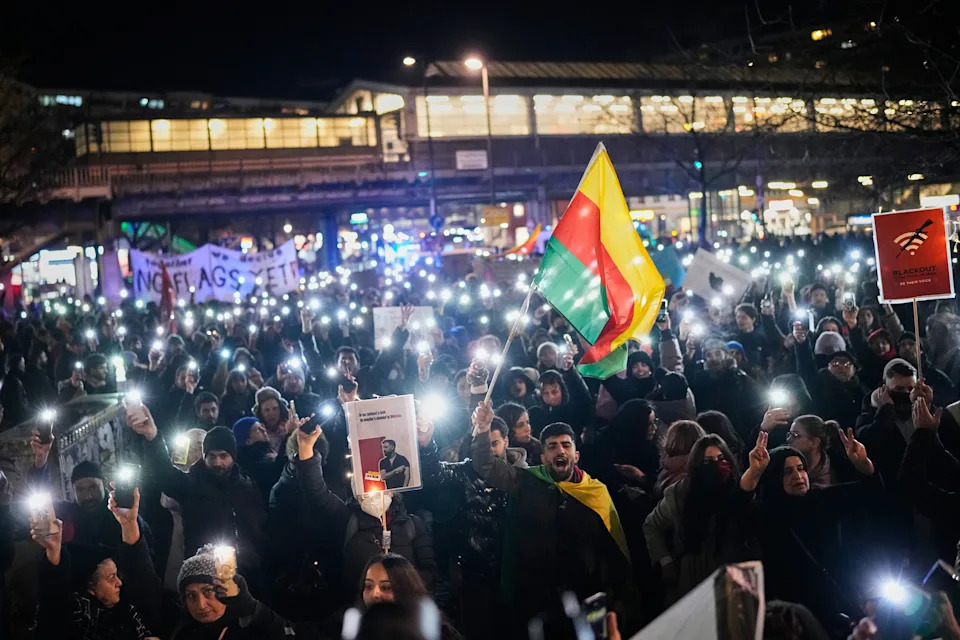
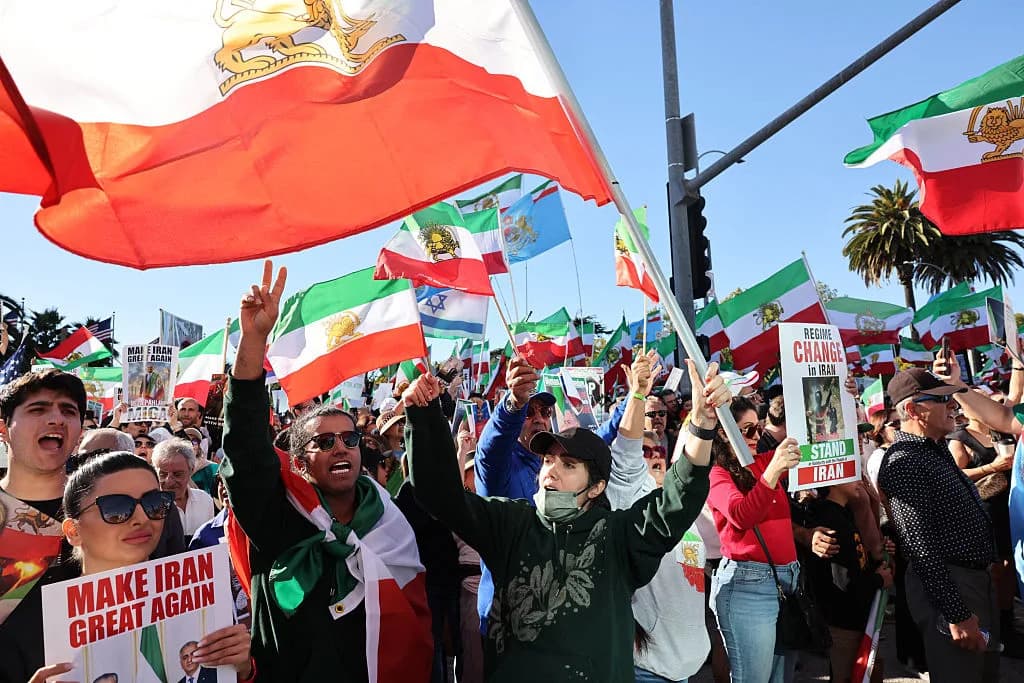
Protesters participate in a demonstration in support of the nationwide mass protests in Iran against the government, in Berlin, Germany, Wednesday, Jan. 14, 2026. (AP Photo/Ebrahim Noroozi)(ASSOCIATED PRESS)
Security Measures and Regional Tension
In Tehran the sound of gunfire subsided on Thursday, though authorities briefly closed Iranian airspace to commercial flights without explanation. Some personnel at a major U.S. base in Qatar were advised to evacuate, and the U.S. Embassy in Kuwait temporarily restricted staff travel to multiple military installations in the country. European carrier Lufthansa said it would suspend night flights to Tel Aviv and Amman for five days and would reroute planes to avoid Iranian and Iraqi airspace amid growing regional security concerns.
Contested Reports of Executions and Detentions
One focal point of international attention has been the case of 26-year-old Erfan Soltani. Relatives and some foreign media reported that Soltani faced execution after arrest during protests; President Donald Trump hailed reports that a death sentence had been lifted as 'good news' in a post on Truth Social. Iranian state media and judicial authorities denied that Soltani had been condemned to death, saying he remains in custody at a detention facility outside Tehran and is accused of 'propaganda activities against the regime.'
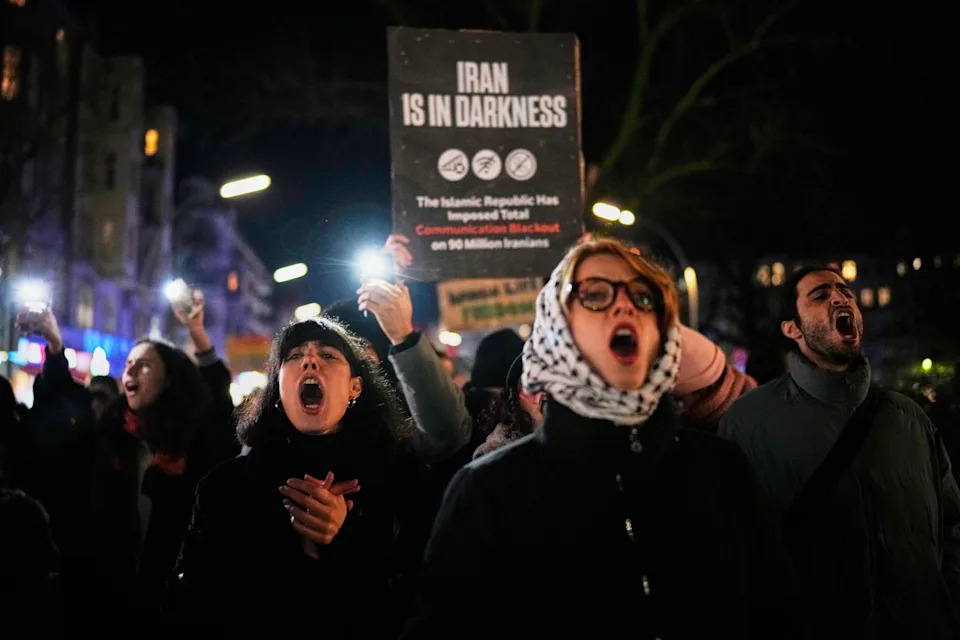
Protesters participate in a demonstration in support of the nationwide mass protests in Iran against the government, in Berlin, Germany, Wednesday, Jan. 14, 2026. (AP Photo/Ebrahim Noroozi)(ASSOCIATED PRESS)
Diplomacy, Sanctions Threats and Calls for Restraint
The G7 foreign ministers — representing Canada, France, Germany, Italy, Japan, the United Kingdom, the United States and joined by the EU's top diplomat — issued a joint statement expressing grave concern about the high number of reported deaths and condemning the deliberate use of violence by security forces. They warned they remain prepared to impose additional restrictive measures if Iran continues to crack down in violation of international human rights obligations.
China's foreign minister, Wang Yi, spoke with Iranian official Abbas Araghchi, who described the situation as 'now stable' and urged a greater role for China in regional peace efforts. Wang stressed the importance of restraint, dialogue and safeguarding national stability. Turkey’s foreign minister Hakan Fidan likewise opposed any foreign military intervention and emphasized diplomacy and economic remedies for structural problems that fuel unrest.
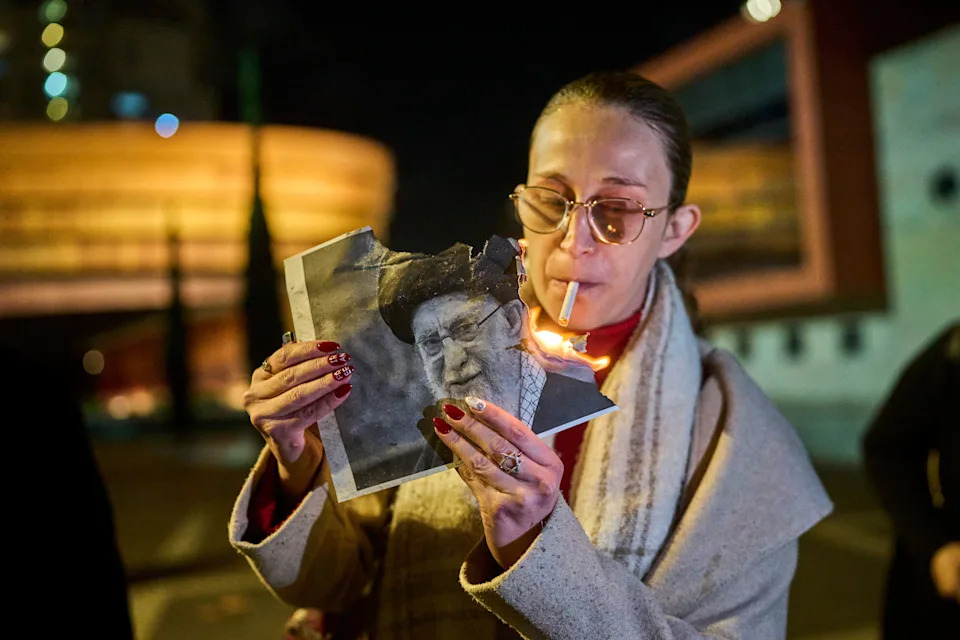
A demonstrator lights a cigarette with a burning poster depicting Supreme Leader Ayatollah Ali Khamenei during a rally in support of Iran's anti-government protests, in Holon, Israel, Wednesday, Jan. 14, 2026. (AP Photo/Ohad Zwigenberg)(ASSOCIATED PRESS)
Regional and Human Effects
The unrest is also visible in regional travel and religious life. The annual Shiite pilgrimage to the shrine of Imam Musa al-Kadhim in Baghdad saw a marked drop in Iranian visitors, according to hoteliers and local residents. New Zealand’s foreign minister publicly condemned the crackdown as 'appalling' and said Wellington had raised concerns with Iran’s embassy.
What Comes Next
The Security Council session will test international consensus on how to respond diplomatically to Iran’s internal crisis. Countries face a balance between condemning alleged human-rights abuses, avoiding wider regional escalation and determining whether additional sanctions or diplomatic pressure are appropriate.
Key names and facts: Reported deaths: 2,615; IFRC staff killed: Amir Ali Latifi (Jan. 10, Gilan province); detained protester at center of controversy: Erfan Soltani.
Help us improve.