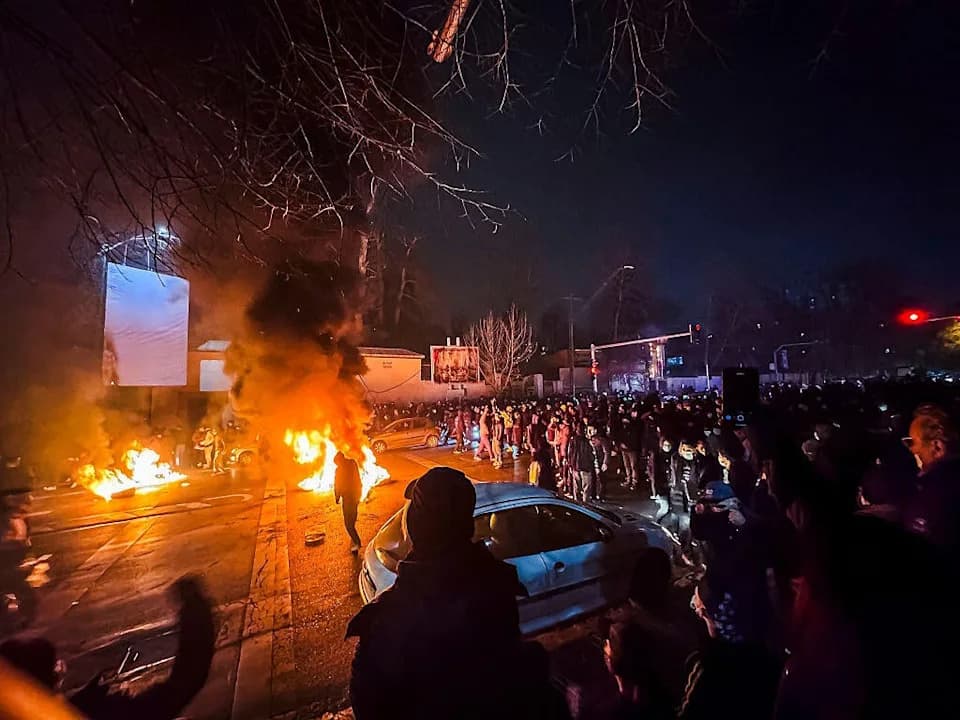
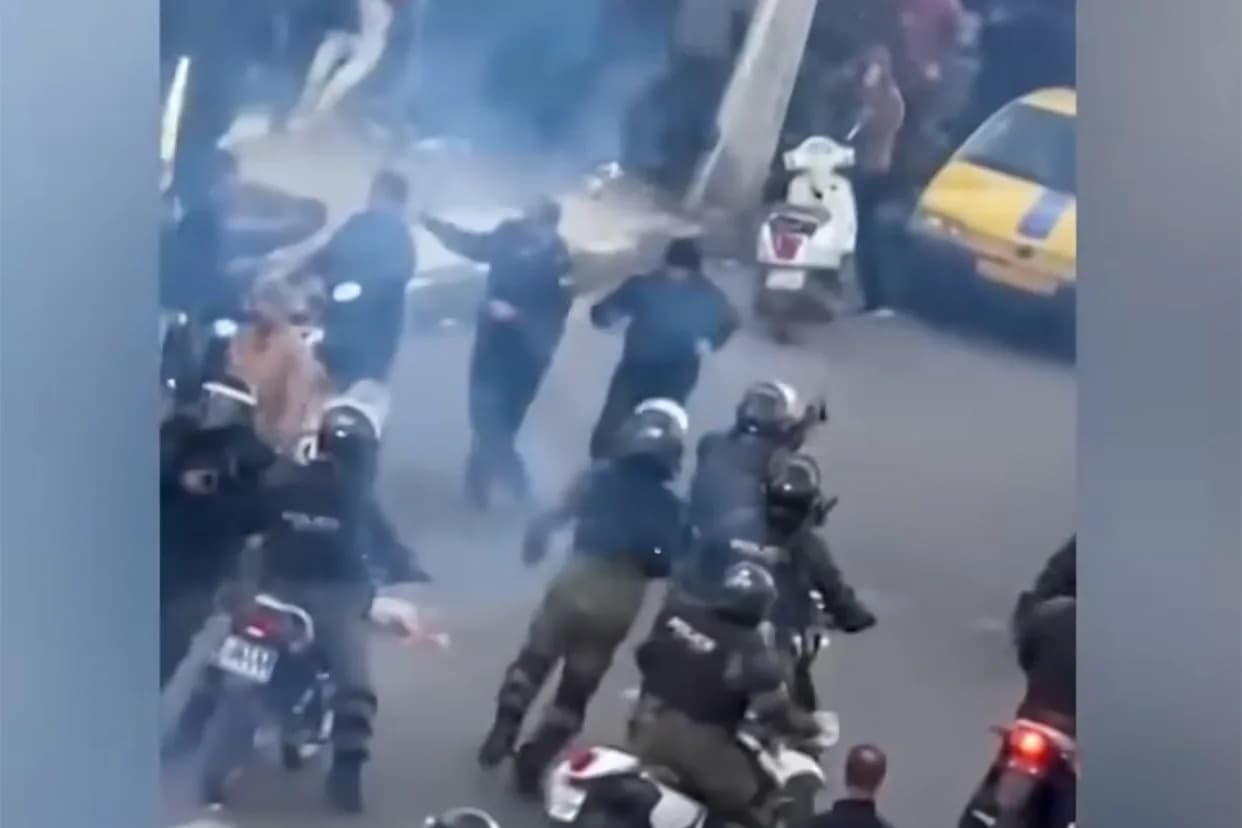
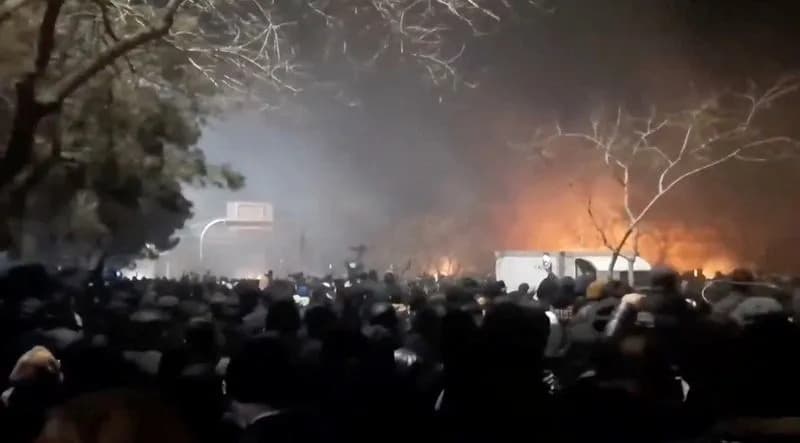
President Masoud Pezeshkian has pledged a broad economic overhaul and said his government is 'ready to listen' amid two weeks of increasingly violent protests sparked by a late-December currency collapse and rising living costs. Officials are drawing a distinction between peaceful demonstrators and what they call foreign-trained 'rioters,' while state media report 109 security personnel killed and activists say the toll is higher. The UN urged restraint, Iran declared three days of mourning, and monitoring groups reported a prolonged nationwide internet blackout.
Iran’s President Pledges Economic Overhaul as Nationwide Protests Escalate
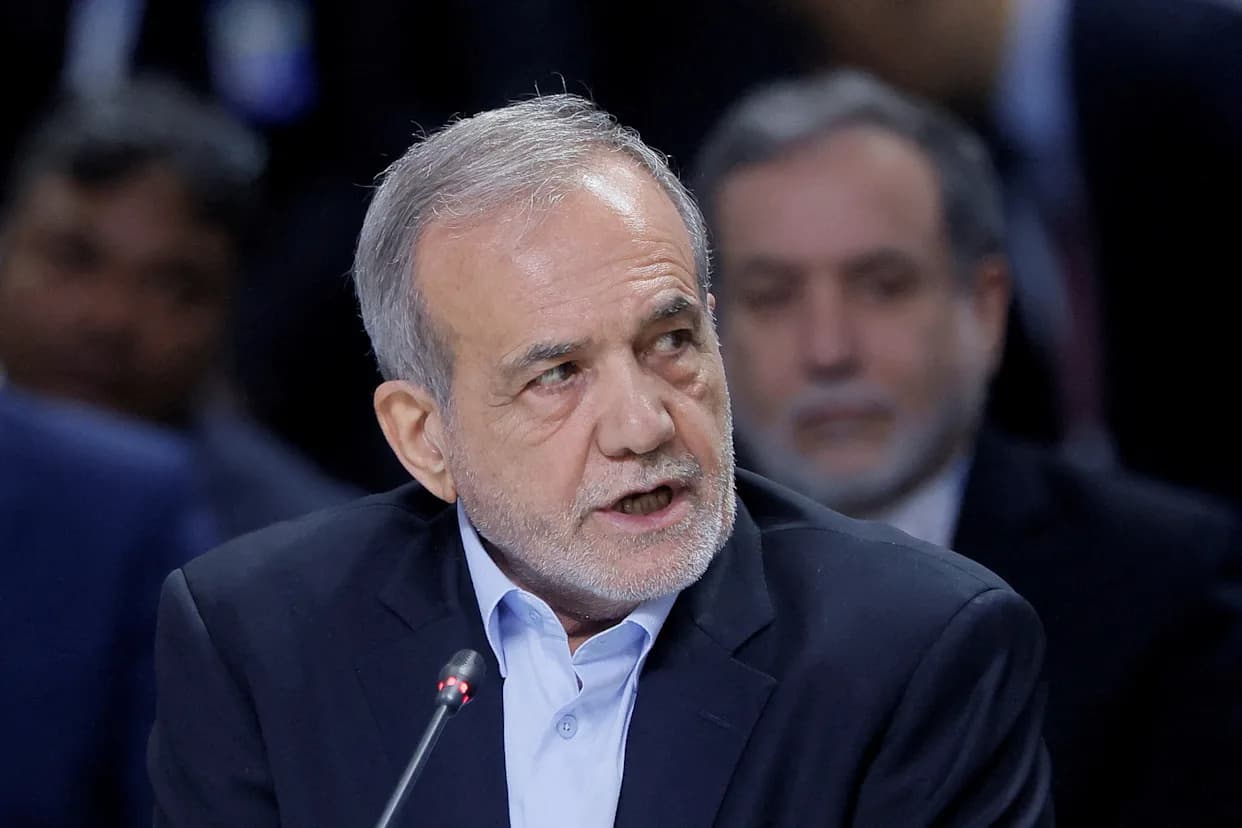
Iranian President Masoud Pezeshkian has promised economic changes and said his government is 'ready to listen to its people"[File: Maxim Shemetov/Reuters]
President Masoud Pezeshkian has pledged a comprehensive overhaul of Iran's struggling economy and said his administration is 'ready to listen to its people' after two weeks of nationwide demonstrations that have grown increasingly violent.
In a conciliatory interview on state television, Pezeshkian said his government was committed to addressing deep-rooted economic problems while also accusing the United States and Israel of fomenting deadly unrest. He urged families to dissuade young people from joining what officials describe as 'rioters' and 'trained terrorists,' according to the semiofficial Tasnim news agency.
'The government’s duty is to solve problems, respond to grievances, and not allow rioters to disrupt the country,' he said, adding that his administration aims to distribute resources fairly regardless of party, ethnicity, province, dialect or language.
Economic Roots and Escalation
The crisis followed a sharp plunge in the Iranian currency in late December after years of economic strain, triggering mass protests over soaring living costs and high inflation. Those demonstrations have since broadened, taking on a more political and anti-government character.
Al Jazeera’s Tehran correspondent Tohid Asadi said officials have spent recent days trying to distinguish between peaceful protesters and what they describe as foreign-trained rioters, while also acknowledging citizens' anger over 'soaring prices, high inflation and the drastic devaluation of the local currency.'
Casualties, Government Response and International Reaction
State media reported that 109 security personnel have been killed during the unrest; opposition activists say the death toll is higher and includes dozens of protesters. Al Jazeera has not independently verified the figures. Authorities announced three days of national mourning and a nationwide internet blackout that monitoring groups say has lasted more than 60 hours.
Parliament Speaker Mohammad Bagher Ghalibaf, a former Islamic Revolutionary Guard Corps commander, distinguished between peaceful demonstrators and armed 'terrorists' and issued a stark warning to Washington, saying that in the event of an attack on Iran, 'the occupied territories [Israel] as well as all US bases and ships will be our legitimate target.'
United Nations Secretary-General Antonio Guterres said he was 'shocked' by reports of violence and called on Iranian authorities to exercise maximum restraint and avoid disproportionate use of force. Iran’s interior ministry said unrest was subsiding, while the attorney general warned participants they could face severe penalties, including capital punishment.
Diplomatic Fallout
Iran summoned Britain’s ambassador over what it described as interventionist comments by the British foreign minister and a protester replacing the Iranian flag at the London embassy with a pre-1979-style flag. Authorities also called for a nationwide rally to condemn what state media described as 'terrorist actions led by the United States and Israel' inside Iran.
Note: Many casualty figures and some official claims remain unverified by independent sources.
Help us improve.