The U.S. Treasury on Jan. 23 sanctioned nine vessels of Iran's so-called "shadow fleet" and eight related firms, accusing them of moving hundreds of millions of dollars in Iranian oil and fuel to foreign markets. Treasury Secretary Scott Bessent said the funds are being diverted to support repression, regional proxies and weapons programs rather than public services. The move comes amid international outrage over a deadly crackdown on protesters and U.S. warnings — including mention of an "armada" headed toward the region.
U.S. Sanctions Nine 'Shadow Fleet' Tankers, Targeting Oil Revenues Linked to Iran's Crackdown
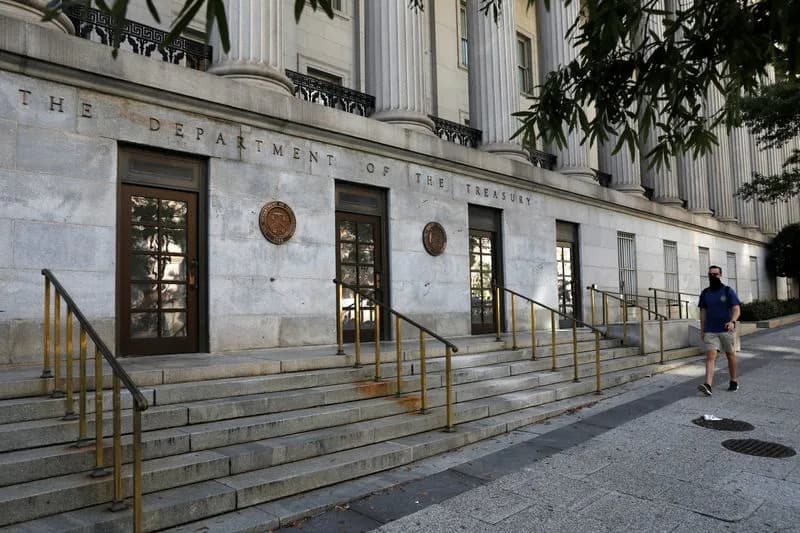
Signage is seen at the United States Department of the Treasury headquarters in Washington, D.C., U.S., August 29, 2020. REUTERS/Andrew Kelly
WASHINGTON — The U.S. Treasury on Jan. 23 announced sanctions on nine vessels it describes as part of Iran's so-called "shadow fleet," along with eight related companies, as the Trump administration stepped up pressure after a deadly crackdown on protesters in Iran.
What the Treasury Says
The Treasury Department said the sanctioned ships and their owners or managers — including entities based in India, Oman and the United Arab Emirates — have carried hundreds of millions of dollars' worth of Iranian oil and petroleum products to foreign markets.
"Today's sanctions target a critical component of how Iran generates the funds used to repress its own people," Treasury Secretary Scott Bessent said in a statement. He added that Treasury will continue to trace funds the regime is attempting to move outside Iran.
The Shadow Fleet Explained
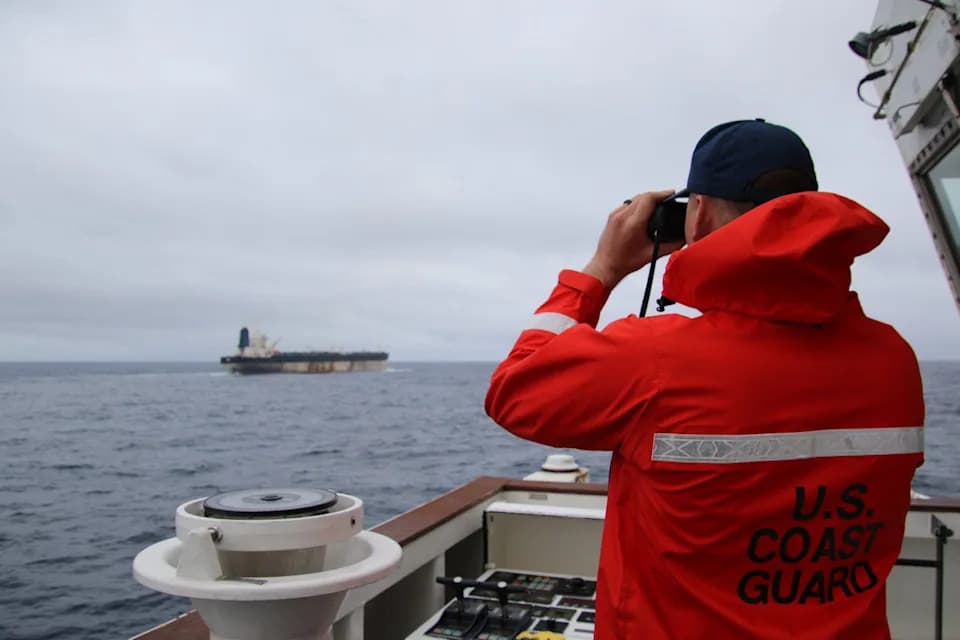
Analysts use the term "shadow fleet" for vessels that transport oil subject to sanctions. These ships are often older, operate under opaque ownership structures and sail without the top-tier insurance required by major oil companies and many ports, making them harder to track and regulate.
Context And Regional Tensions
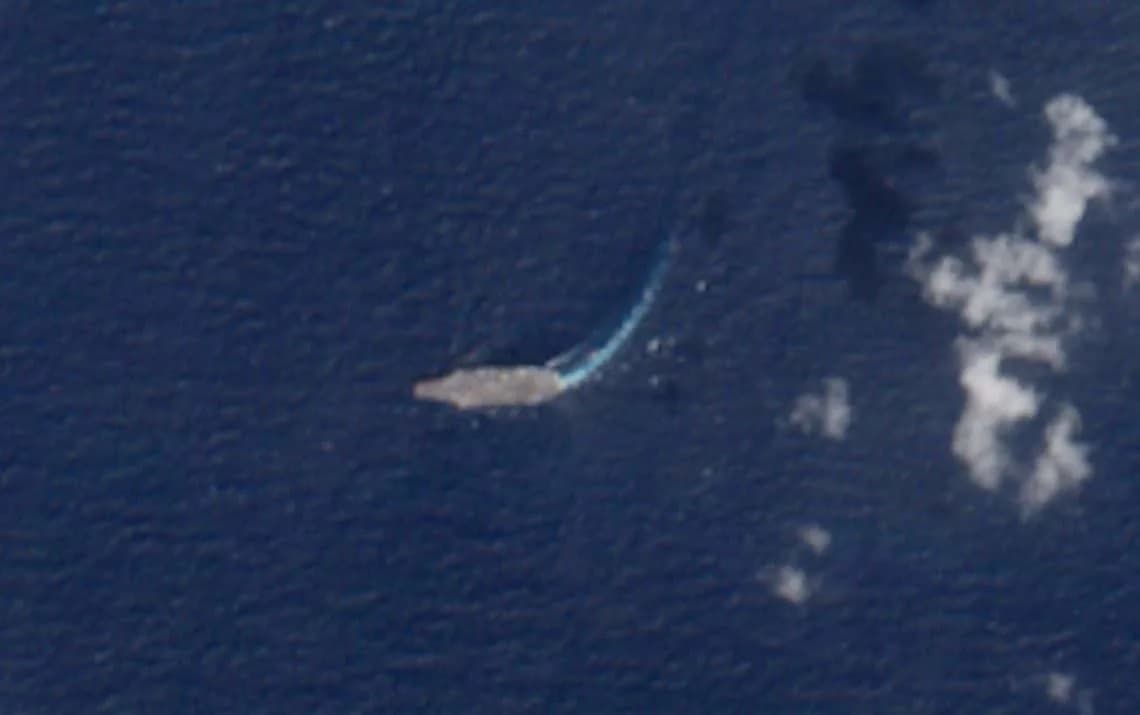
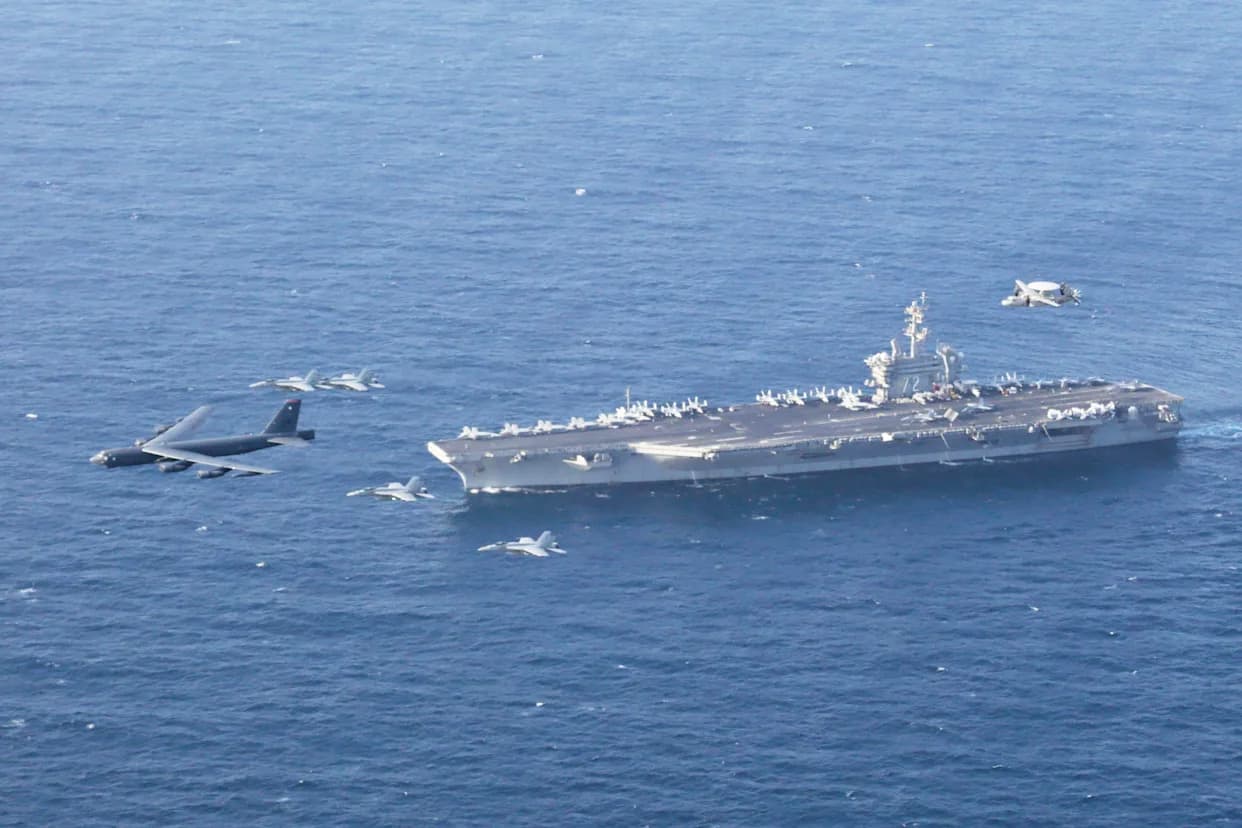
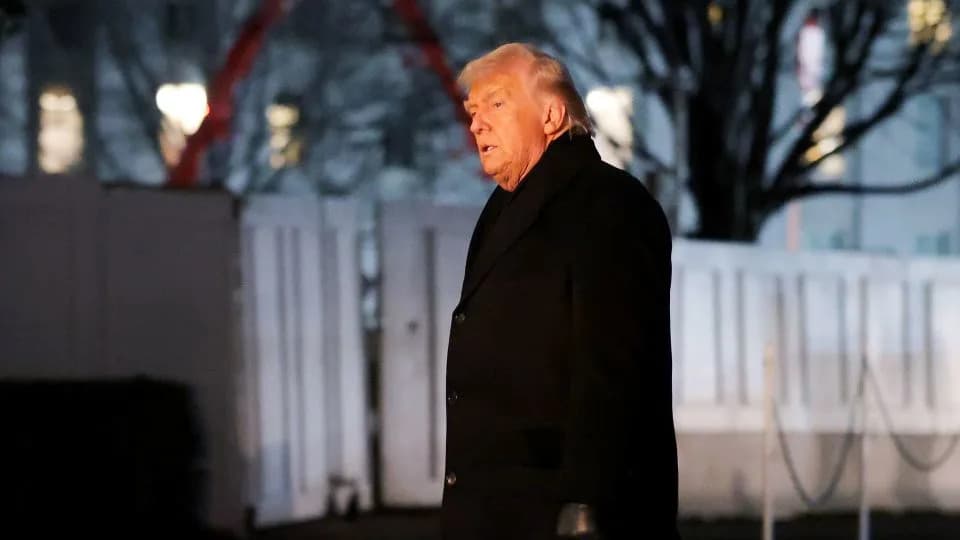
Rights groups say thousands, including bystanders, were killed during unrest in Iran, describing the response as the harshest crackdown since the 1979 revolution. President Donald Trump has repeatedly warned of action in response to the killings, and on Thursday said an "armada" was heading toward the region — though he expressed hope it would not be needed. U.S. officials said the aircraft carrier USS Abraham Lincoln and several guided-missile destroyers are expected to arrive in the Middle East in the coming days.
Iran has maintained its nuclear program is for peaceful purposes. The Treasury noted that oil revenues it targeted are being diverted away from public services and toward regional proxy forces, weapons programs and security services.
Sanctioned Vessels
Named vessels subject to the sanctions include the Sea Bird, Al Diab II and Cesaria (flagged by Palau), and the Avon and Chiron 5 (flagged by Comoros). The Treasury also designated eight associated companies and management firms tied to those ships.
Reporting by Daphne Psaledakis, Susan Heavey and Timothy Gardner. Edited for clarity.
Help us improve.