Using SLAC’s synchrotron X-rays, researchers uncovered erased Greek lines in the Codex Climaci Rescriptus that list star coordinates attributed to Hipparchus. The fragile palimpsest, compiled in the 5th–6th centuries C.E. and overwritten multiple times, yielded readable entries after careful low-dose, hair-width scans. Team leader Victor Gysembergh says the recovered coordinates demonstrate remarkable naked-eye precision and will help explain how pre-telescopic astronomers mapped the sky.
Lost for 2,150 Years: SLAC Synchrotron Reveals Erased Star Map Attributed to Hipparchus
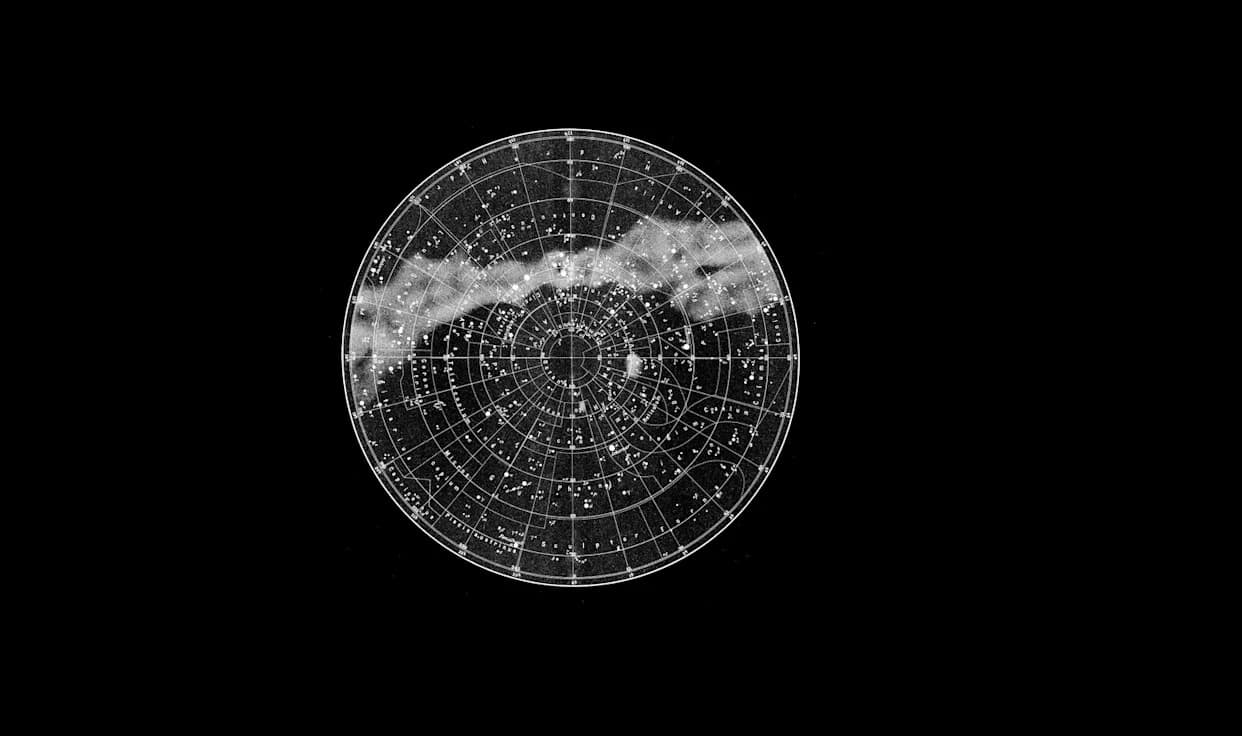
Scientists Deciphered Humanity’s Earliest Star Mapmikroman6
Researchers have recovered previously erased entries from an ancient star catalog long attributed to the Greek astronomer Hipparchus by reading beneath overwritten text on a palimpsest using the SLAC National Accelerator Laboratory’s synchrotron.
How a Synchrotron Brings Hidden Ink Back to Life
A synchrotron accelerates electrons to near light speed to produce intense, tunable X-rays. By adjusting the beam to target specific chemical elements in ink, scientists can detect traces of writing that were scraped away and overwritten. In this case, the synchrotron revealed calcium-rich ink that matched Greek lines listing star coordinates.
The Manuscript: Codex Climaci Rescriptus
The recovered entries come from the Codex Climaci Rescriptus, a composite palimpsest compiled by Christian monks in Egypt in the 5th–6th centuries C.E. Over the following two centuries some leaves were reused as many as six times. The surviving collection includes material from at least ten different Greek and Aramaic manuscripts, later overwritten with Syriac translations of the works of Saint John Climacus.
From Museum Cases to the Synchrotron Beam
Under the direction of archaeologist and translator Victor Gysembergh (Sorbonne University), pages from the Codex were transported from the Museum of the Bible in Washington, D.C., in humidity-controlled cases and hand-carried to preserve the fragile parchment. At SLAC, the team scanned targeted areas with very short, low-dose X-ray pulses—about ten milliseconds—and limited each scan to regions no wider than a human hair to minimize radiation exposure.
What Was Found and Why It Matters
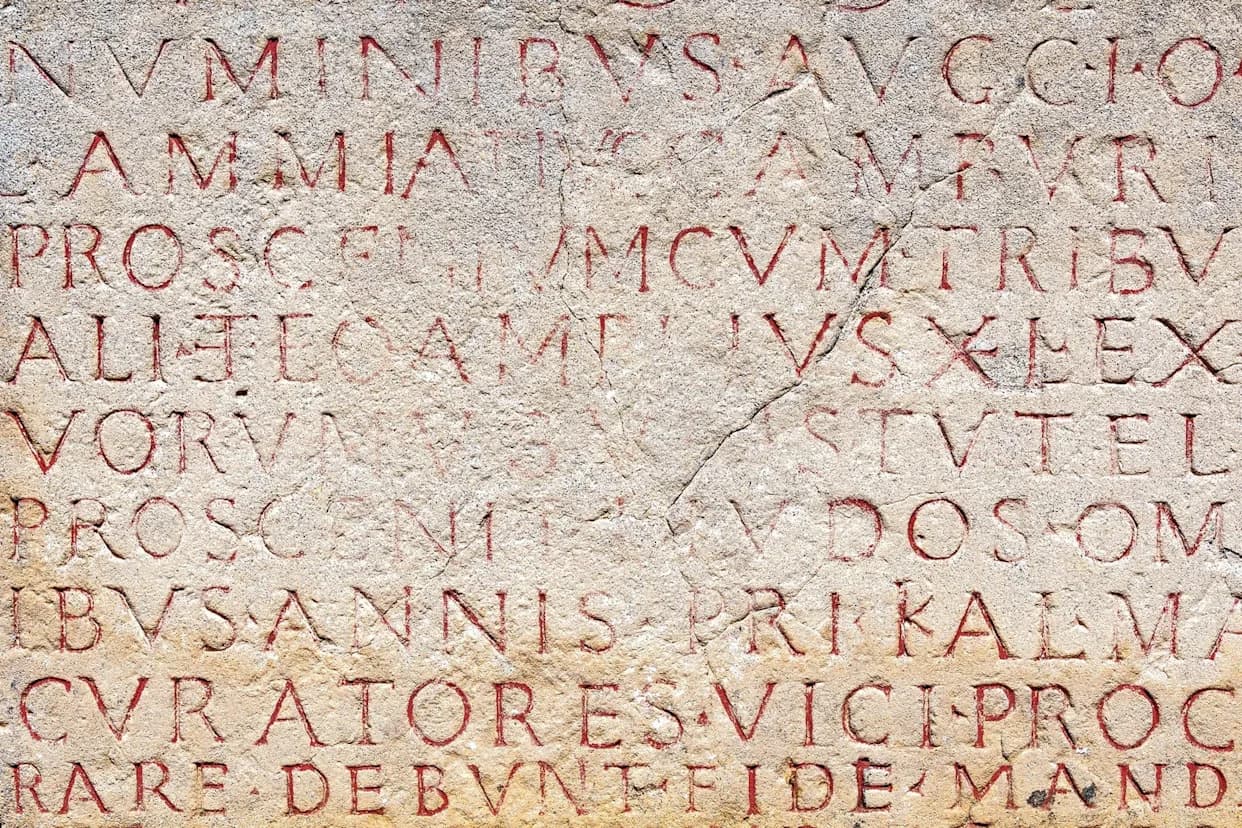
When 11 pages were scanned, faint smudges and nearly invisible marks resolved into readable lines of ancient Greek that correspond to star coordinates. These entries appear consistent with cataloging methods attributed to Hipparchus, who lived roughly 2,150 years ago and is credited with pioneering the first known star catalog, identifying precession of the equinoxes, introducing a magnitude scale for star brightness, and making other foundational astronomical observations.
“The goal is to recover as many of these coordinates as possible,” Gysembergh told KQED, noting that the recovered measurements show unusually high naked-eye precision.
Why the Technique Works
Different inks have distinct elemental fingerprints. By tuning X-rays to those elements, later and earlier inks can be distinguished even when the original script is invisible to the naked eye. The calcium-rich ink used in the underlying astronomical entries made them particularly amenable to synchrotron detection.
Broader Significance
These recovered coordinates allow historians to better understand how ancient astronomers, without telescopes, calibrated naked-eye observations into systematic sky maps. Combined with other artifacts such as the Farnese Atlas—an ancient Roman statue bearing a sky depiction thought to reflect Hellenistic star maps—this evidence helps reconstruct the methods and precision of early observational astronomy.
Decoding and translating the recovered lines is ongoing. Each newly revealed coordinate improves our view of how early scientists organized celestial observations and advanced astronomy centuries before optical instruments existed.
Help us improve.