The U.S. Department of Justice released audio of Ehud Barak speaking with Jeffrey Epstein in which Barak suggests Israel should absorb "one more million" Russian-speaking immigrants, saying authorities can now be more "selective" about newcomers. He disparages earlier immigrant waves from North Africa and the Arab world and advocates loosening Orthodox control over personal-status law to enable wider conversion. The recording spotlights tensions over religion, race and demographic policy and recalls past cases — notably the Beta Israel migration from Ethiopia — that exposed persistent discrimination.
Barak–Epstein Audio: What the Recording Reveals About Israel’s Demographic Strategy
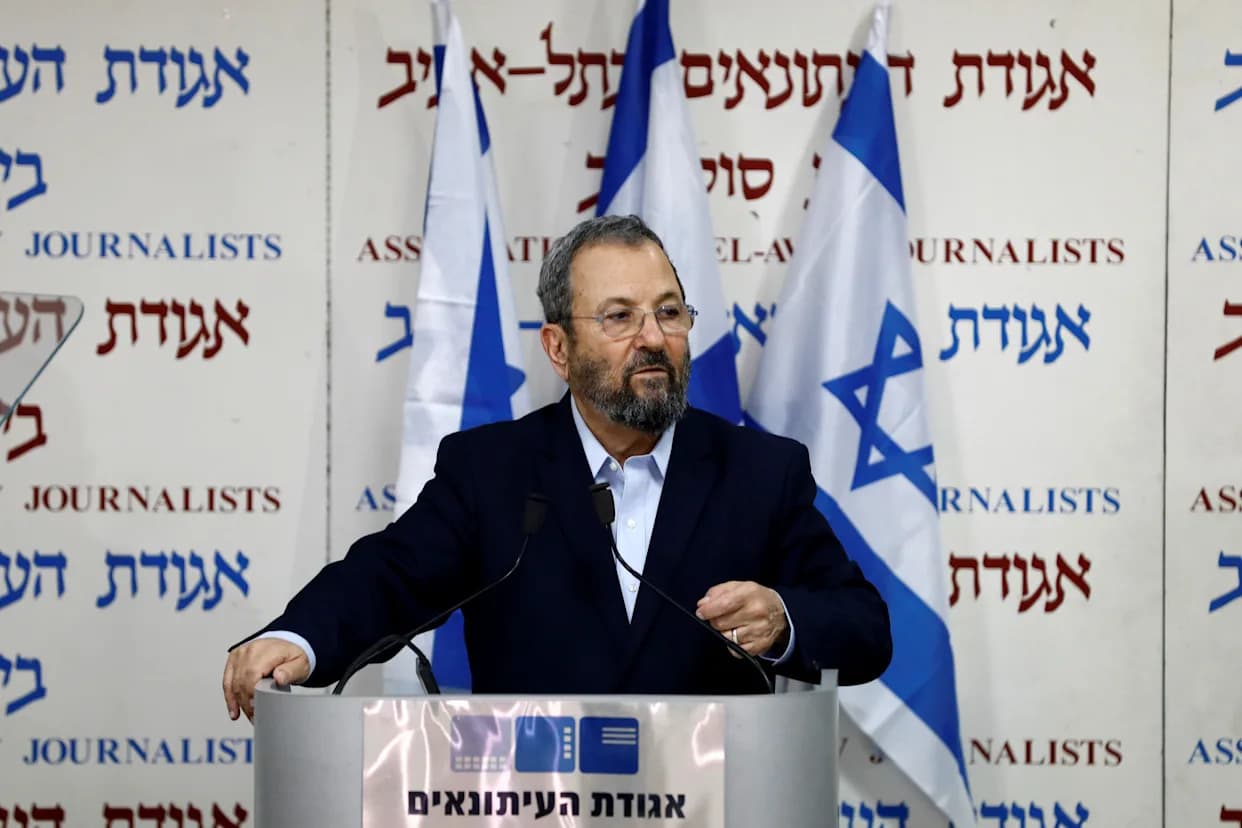
Former Israeli Prime Minister Ehud Barak delivers a statement in Tel Aviv, Israel [File: Corinna Kern/Reuters]
Audio of former Israeli prime minister Ehud Barak speaking with Jeffrey Epstein — released by the U.S. Department of Justice as part of a large tranche of files — has renewed scrutiny of Israel’s immigration policies and exposed controversial remarks about population planning and past immigrant waves.
What the Recording Says
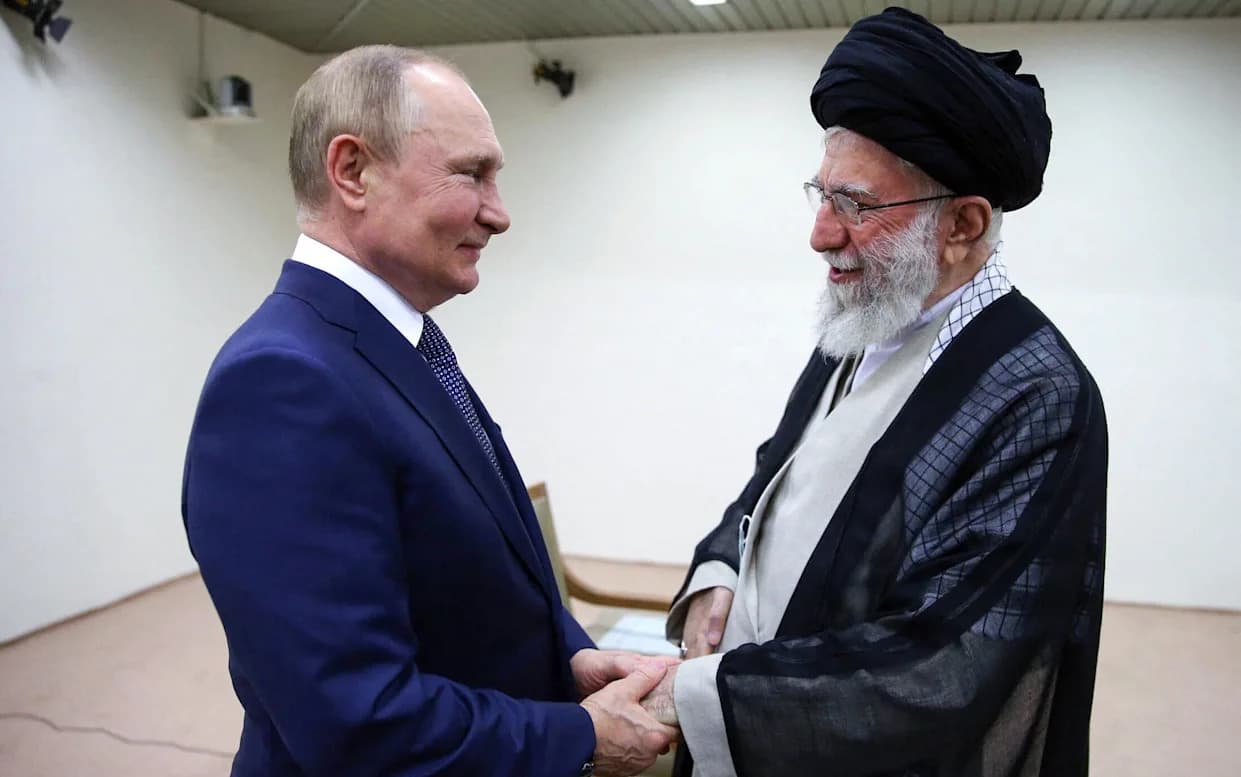
In an undated conversation, Barak tells Epstein that he had told Russian President Vladimir Putin that Israel should absorb “one more million” Russian-speaking immigrants. He argues that modern authorities can be more "selective" and "can control the quality much more effectively" than in earlier periods, a comment that has been widely interpreted as referring to largely white, Slavic populations.
"We can easily absorb another million. I used to tell Putin always, what we need is just one more million," Barak says in the recording.
Context And Historical Background
Before the state’s founding in 1948 and during its early years, major immigration streams included Eastern European (Ashkenazi) Jews and Sephardi and Mizrahi Jews from the Middle East and North Africa. The fall of the Soviet Union in 1989 triggered a major wave of migration: official figures show 996,059 immigrants from former Soviet republics arrived in Israel between 1990 and 2009. Those immigrants have in many cases leaned toward the political right.
Religious, Racial And Social Fault Lines
On the tape, Barak appears to belittle earlier immigrant waves when he says Israel took Jews "from North Africa, from the Arabs, from whatever," a phrase critics say reflects prejudiced attitudes toward Sephardi, Mizrahi and non-European Jews. He also discusses weakening the Orthodox rabbinate’s control over personal-status matters — marriage, funerals and the legal definition of who is a Jew — and suggests that eased rules could open the door to large-scale conversions.
"I believe we have to break the monopoly of the Orthodox rabbinate on marriage and funerals and whatever, and on the definition of a Jew," Barak says. "[This would], in a sophisticated, certain manner, open the gates for massive conversion into Judaism. It’s a successful country, many will apply."
Policy Implications And Incentives
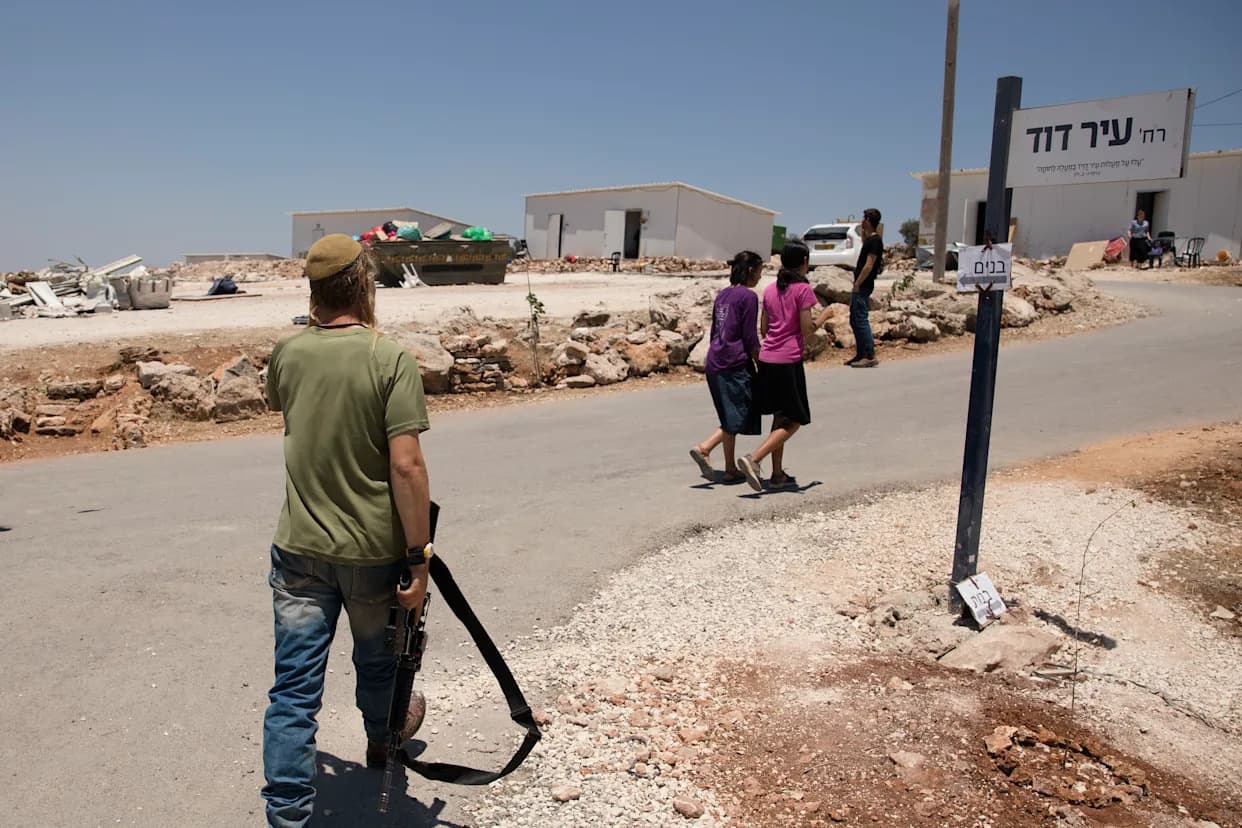
For decades, Israeli governments have actively encouraged immigration. Recent incentives include a 2026 budget measure that grants new immigrants and returning residents (who lived abroad for ten or more years) a zero percent income tax rate for 2026 and 2027, with rates scheduled to rise afterward. Critics say such incentives can accelerate demographic change and may influence settlement patterns, including moves to West Bank settlements by some newcomers.
The Ethiopian Experience And Racism Concerns
Past large-scale transfers, notably the migration of tens of thousands of Beta Israel (Ethiopian Jews) in the 1980s and 1990s, exposed persistent racial inequalities. Ethiopian Israelis have reported discrimination, social exclusion and incidents of police violence; many describe feeling treated as second-class citizens. At the same time, Ethiopian Israelis possess rights that Palestinian Arab citizens of Israel do not, and they have not lived under the military occupation of the West Bank and Gaza.
What This Means
The Barak–Epstein recording raises questions about how immigration policy is discussed by senior figures and about the role of ethnicity, religion and social engineering in state planning. The remarks have provoked debate about discrimination, the influence of demographic strategy on Israeli politics, and the legal and moral dimensions of targeted immigration.
Note: The recording is undated and its remarks represent Barak’s statements in conversation; they should be considered alongside broader reporting and official responses as they emerge.
Help us improve.