Summary: SpaceX grounded Falcon 9 after an upper-stage failed to perform a deorbit burn following a Feb. 2 Starlink launch — the fourth such upper-stage anomaly in 19 months. Two previous FAA-mandated probes lasted about two weeks, suggesting a possible return to flight around Feb. 16, which would miss Crew‑12’s Feb. 11 target but align with its original Feb. 15 date. The sample size is small, so final timing will depend on the current investigation.
Falcon 9 Grounded After Fourth Upper-Stage Anomaly in 19 Months — What It Means for Crew‑12
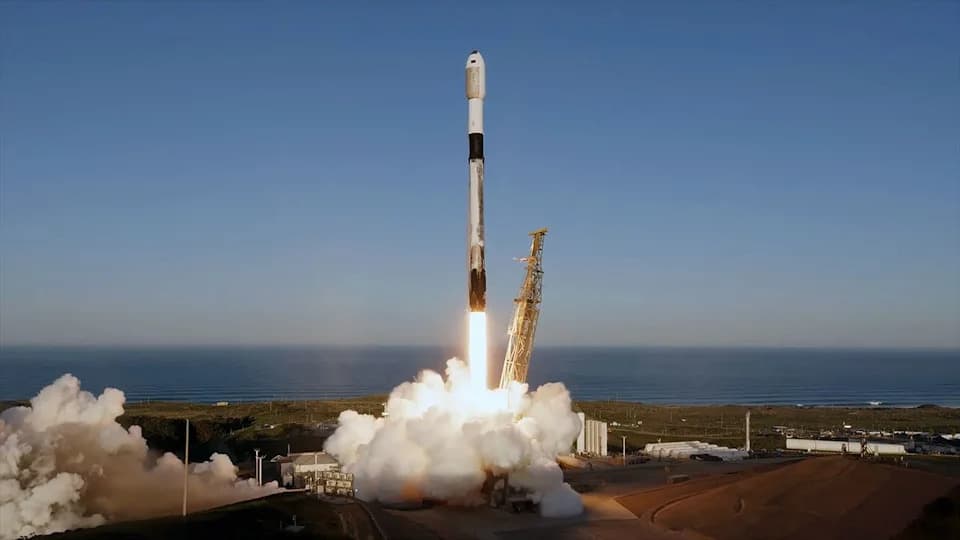
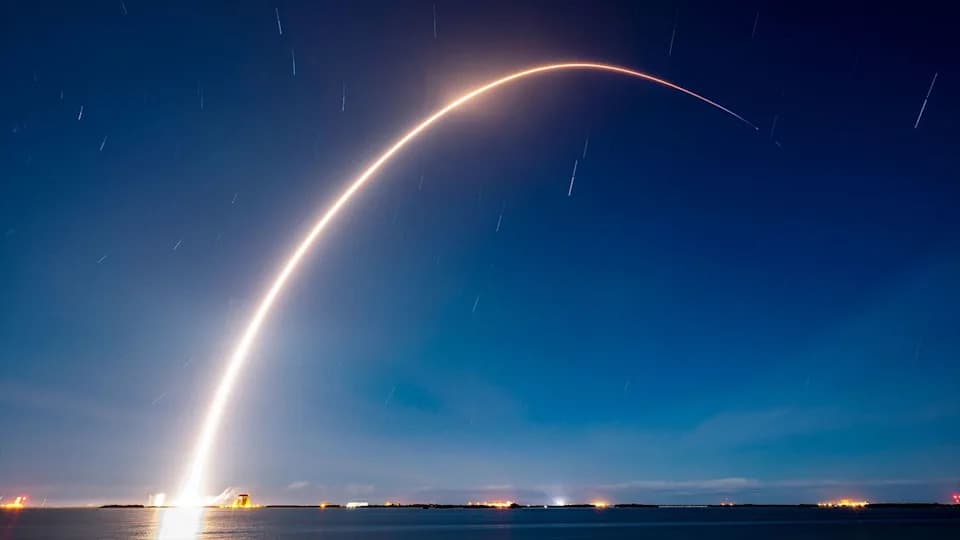
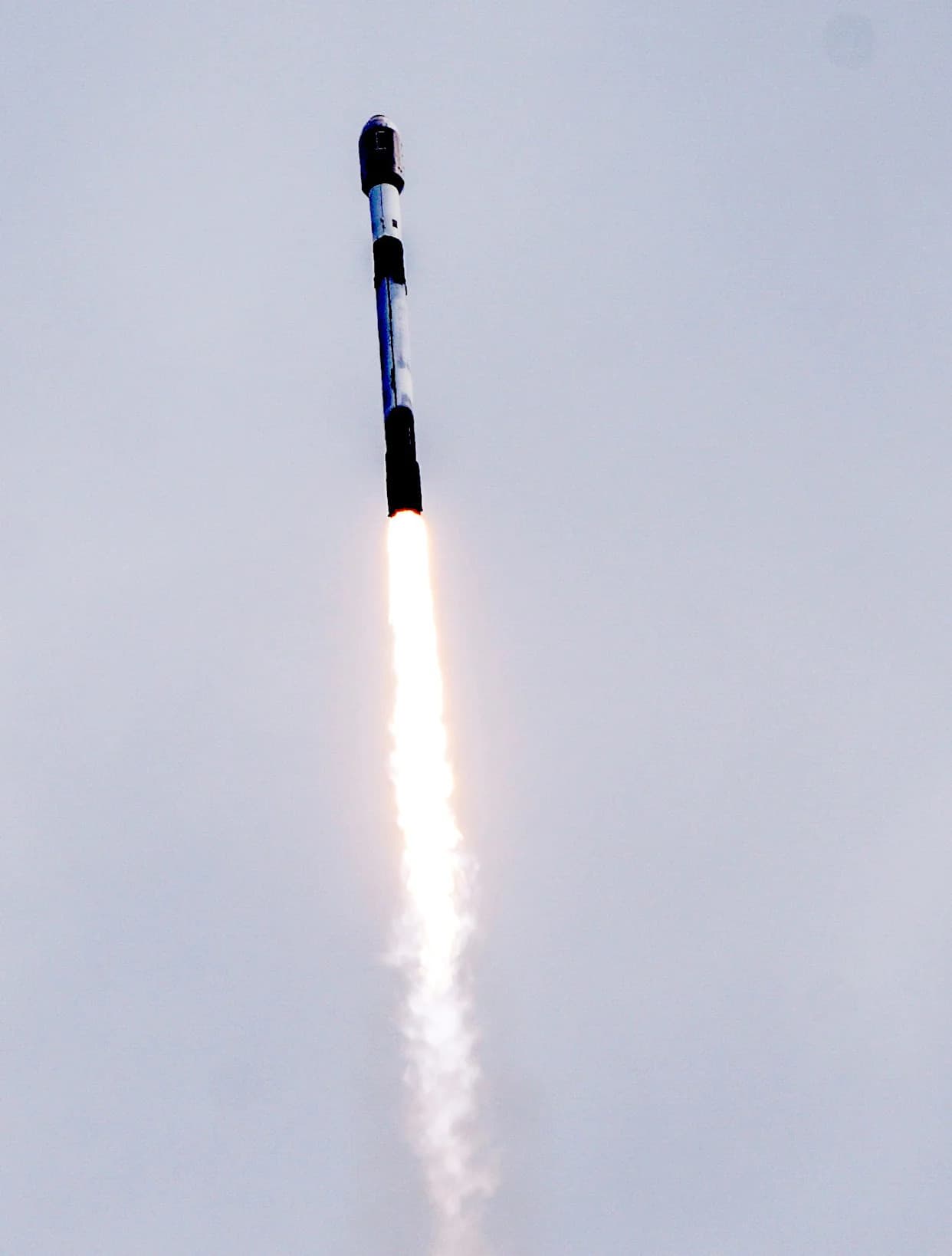
A SpaceX Falcon 9 rocket launches 25 Starlink satellites to orbit from California's Vandenberg Space Force Base on Feb. 2, 2026. | Credit: SpaceX
SpaceX has paused Falcon 9 launches after the rocket's upper stage failed to perform a planned deorbit burn following a recent Starlink mission on Feb. 2. The first stage performed normally and landed on a drone ship, but the upper stage reentered uncontrolled, prompting a company anomaly review that the U.S. Federal Aviation Administration (FAA) required.
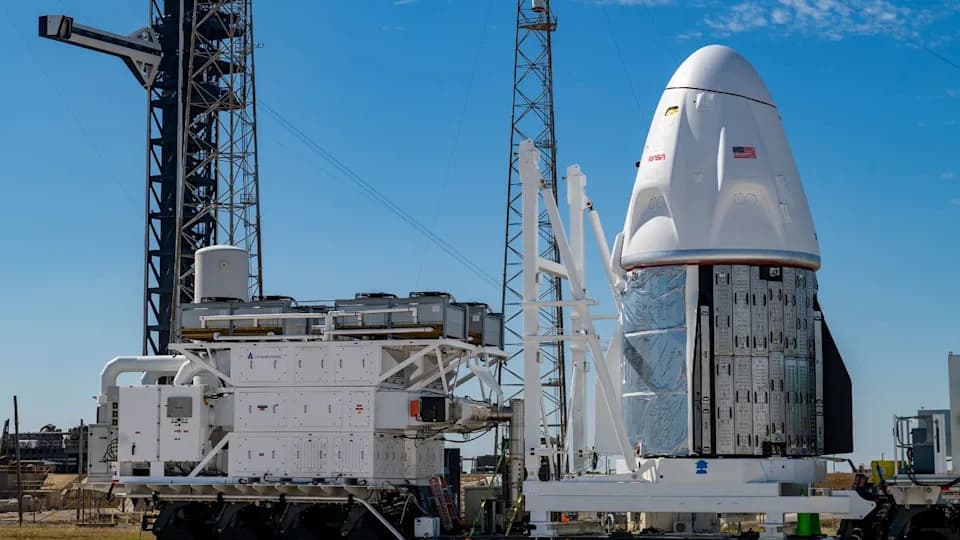
Why this matters: A grounded Falcon 9 could affect NASA's Crew‑12 mission to the International Space Station (ISS), currently targeted for Feb. 11. Although it is too early to predict a firm return-to-flight date, recent FAA investigations into similar upper-stage issues offer useful context.
Timeline of Recent Upper‑Stage Issues
July 11, 2024: An upper-stage liquid-oxygen leak during a Starlink launch left satellites in a lower-than-planned orbit; many were lost to atmospheric drag. The FAA ordered an investigation that lasted roughly two weeks. Falcon 9 operations were cleared on July 25 and the vehicle returned to flight two days later.
Sept. 28, 2024: During the Crew‑9 mission to the ISS the upper stage executed an off‑nominal deorbit burn and reentered outside its planned zone. The FAA again required a probe and cleared normal operations on Oct. 11; a limited exemption was granted for a separate Oct. 7 mission that did not pose the same reentry risk.
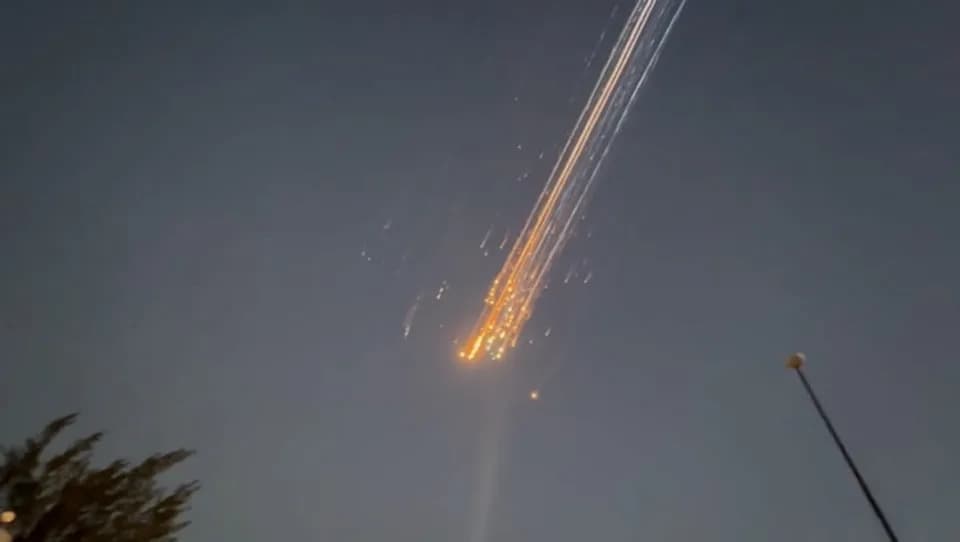
Feb. 1, 2025: Another Falcon 9 upper stage failed to complete its deorbit burn after a Starlink launch and reentered over Western Europe on Feb. 19, producing a widely observed fiery streak. The FAA did not open a formal investigation for that event, stating it was within SpaceX’s licensed activities.
Feb. 2 (most recent): The latest upper-stage failure prompted the current grounding and an FAA-required anomaly review. This marks the fourth upper-stage issue involving Falcon 9 in the past 19 months.
What Return To Flight Could Look Like
Two of the FAA-mandated investigations cited above took about two weeks each. If that precedent applies to the current review, a return to flight could occur around Feb. 16 — roughly five days after Crew‑12's current target of Feb. 11 and close to its original Feb. 15 date. However, the sample size is small and past timelines may not predict future action: SpaceX could have identified fixes that shorten the review, or regulators might require more time.
Context: Falcon 9 incidents remain rare relative to the rocket's very high flight rate. The four upper-stage anomalies discussed here occurred during a period in which SpaceX launched more than 240 Falcon 9 missions; the large majority were successful. During this span SpaceX also lost first-stage boosters twice during or shortly after landing, but payloads still reached their destinations on both occasions.
Bottom line: A possible two‑week FAA review would likely push a return to flight into mid‑February, which could miss the Feb. 11 Crew‑12 target. But the situation is evolving — the official anomaly investigation will determine next steps.
Help us improve.