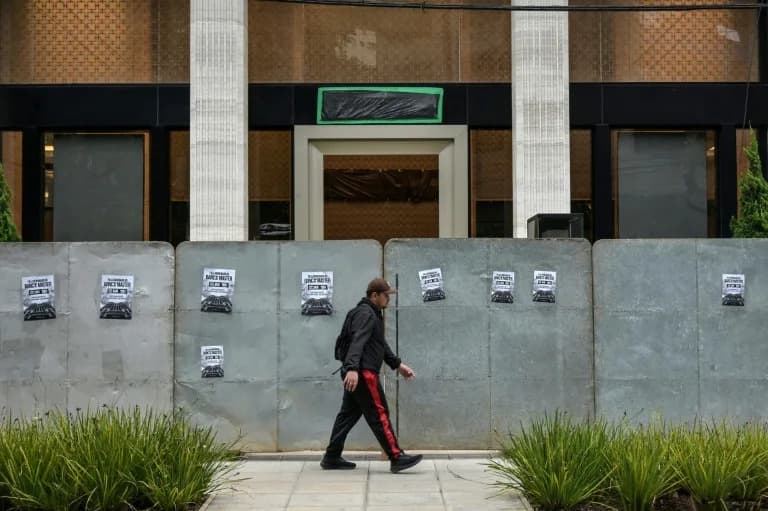
Reuters inspected Royal Hill, an abandoned scam compound near the Thai-Cambodian border, and found staged police and bank setups, victim files, scam scripts and administrative records that reveal organised, industrial fraud operations. Investigators verified victim logs and discovered a cryptocurrency wallet linked to high-risk services. Thai strikes and Cambodian crackdowns have displaced over 100,000 people, prompting a humanitarian crisis as many seek embassy help. Authorities warn that dismantled centres often reappear in smaller, mobile cells.
Exclusive: Abandoned ‘Royal Hill’ Scam Compound Reveals Industrial-Scale Fraud and Human Cost
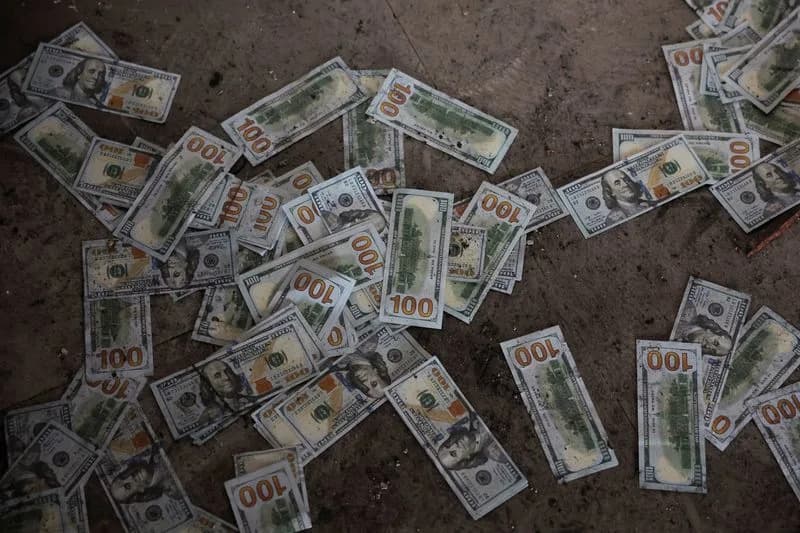
Counterfeit U.S. 100 dollar banknotes on the floor inside a compound in O'Smach used for scam operations, at the Chong Chom-O'Smach border crossing, which was bombed and occupied by the Thai military in December following clashes between Thailand and Cambodia along a disputed border area, in Samraong, Oddar Meanchey province, Cambodia, February 2, 2026. REUTERS/Chalinee Thirasupa
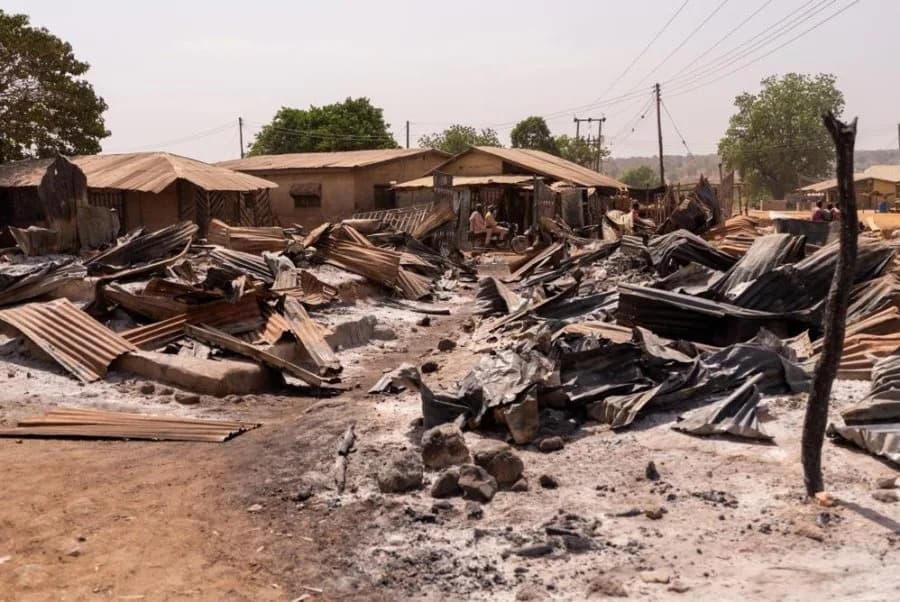
O'SMACH, Cambodia, Feb 6 (Reuters) - Inside the bombed-out compound known locally as Royal Hill, Reuters reporters found staged police and bank offices, scattered victim files, scam scripts and administrative papers — the remains of an organised, industrial-scale fraud operation abandoned in haste.
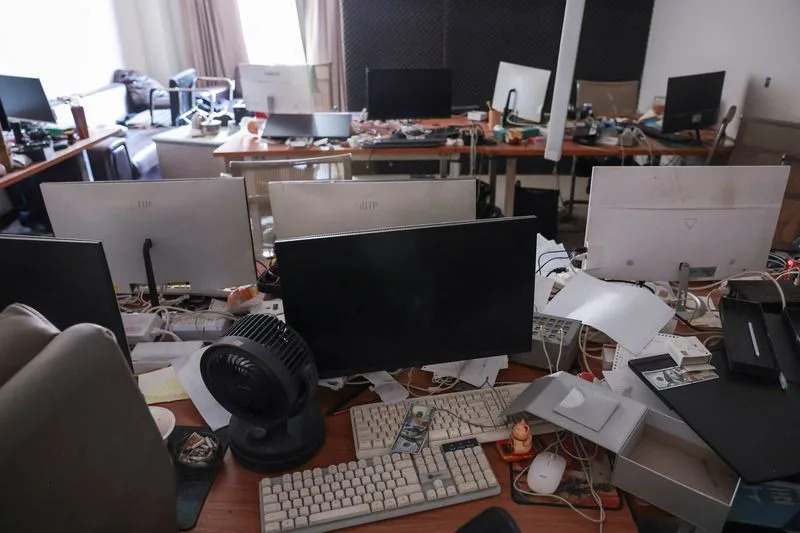
Computers inside a compound in O'Smach used for scam operations, at the Chong Chom-O'Smach border crossing, which was bombed and occupied by the Thai military in December following clashes between Thailand and Cambodia along a disputed border area, in Samraong, Oddar Meanchey province, Cambodia, February 2, 2026. REUTERS/Chalinee Thirasupa
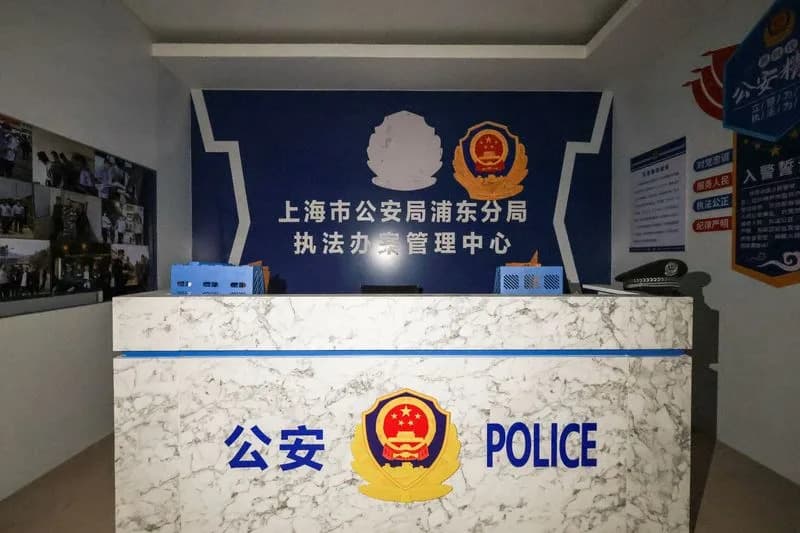
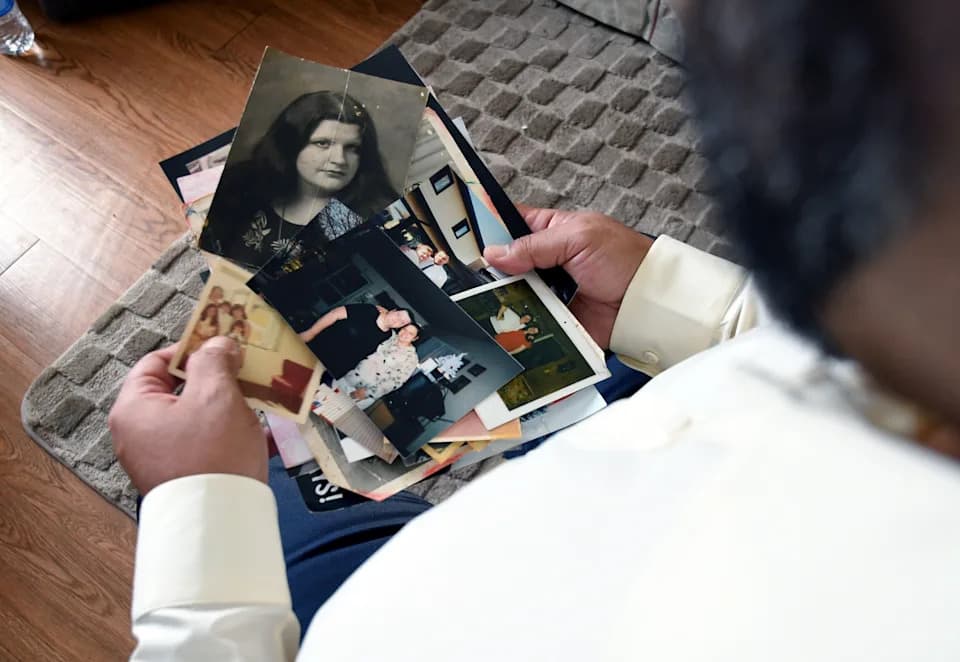
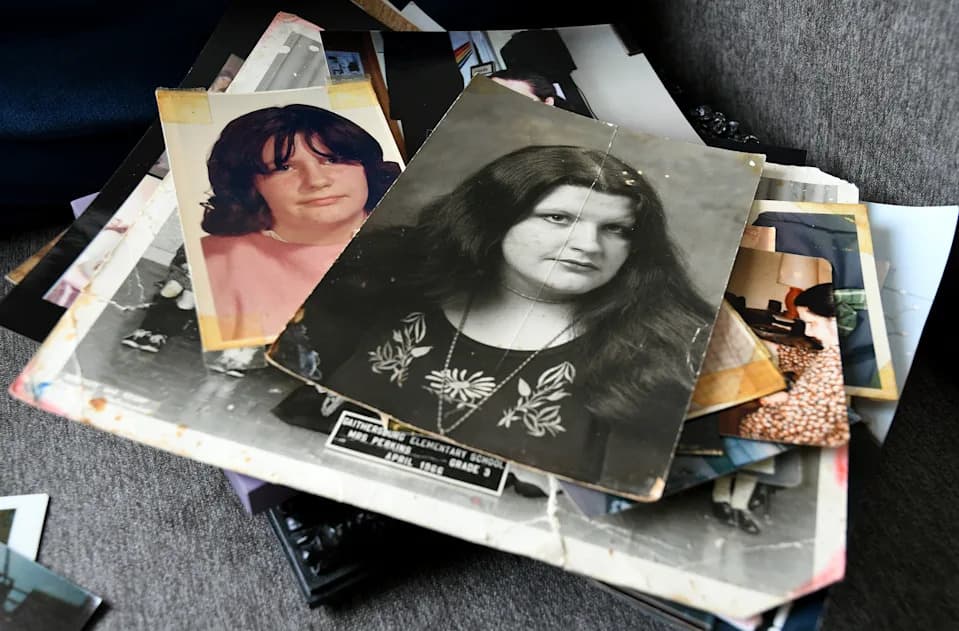
Rooms were dressed to resemble police stations in Singapore and Australia, and a corner of the site had been set up to mimic a Vietnamese bank branch. On desks and floors lay detailed victim profiles: one for a 73-year-old Japanese retiree listing phone and bank details, and another for an American woman who had disclosed domestic abuse. Nearby were scripted call prompts used to run romance scams and to impersonate law enforcement.
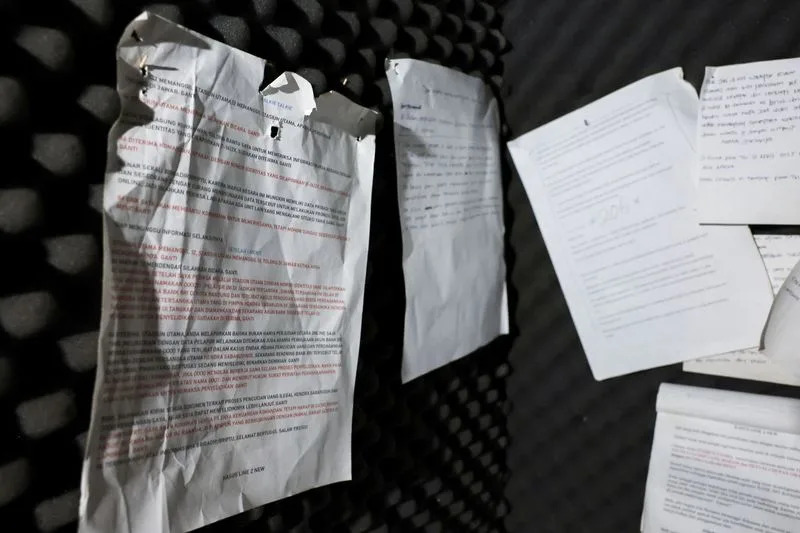
Documents containing scripts for scam dialogues inside a small booth lined with acoustic foam that was used to make scam calls to victims, inside a compound in O'Smach used for scam operations, at the Chong Chom-O'Smach border crossing, which was bombed and occupied by the Thai military in December following clashes between Thailand and Cambodia along a disputed border area, in Samraong, Oddar Meanchey province, Cambodia, February 2, 2026. REUTERS/Chalinee Thirasupa
Verified Evidence And Operational Structure
Reuters was the first newsroom to authenticate some of the material recovered at Royal Hill. Reporters verified one document by contacting the Japanese retiree, who said he had received a call from someone posing as an electricity-company representative who warned his power would be cut off unless he surrendered bank details. He told Reuters he gave up personal information during the call but did not end up sending money.
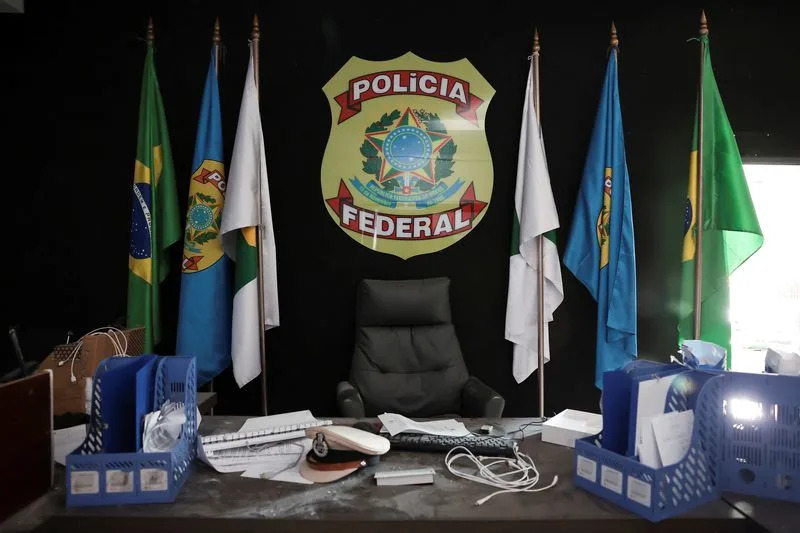
A room set up to imitate a Brazilian police station, inside a compound in O'Smach used for scam operations, at the Chong Chom-O'Smach border crossing, which was bombed and occupied by the Thai military in December following clashes between Thailand and Cambodia along a disputed border area, in Samraong, Oddar Meanchey province, Cambodia, February 2, 2026. REUTERS/Chalinee Thirasupa
Chinese-language papers found at the compound described a management structure that leased space to multiple scamming groups. Financial statements recovered by Reuters show managers charged tenants several thousand dollars a month in rent and tracked overdue payments. Investigators also discovered paperwork containing a cryptocurrency wallet address; blockchain analysts said the wallet had interactions with many known high-risk services, including gambling platforms and cash-conversion sites.
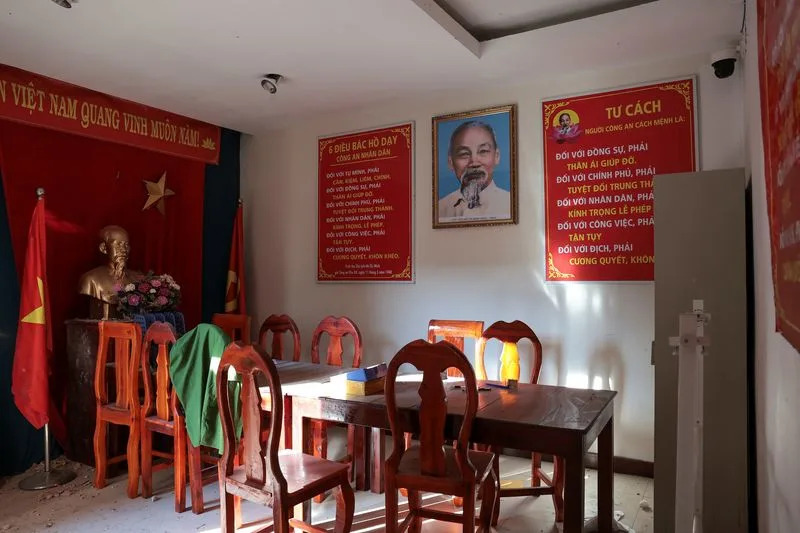
A room set up to imitate a Vietnamese police station, inside a compound in O'Smach used for scam operations, at the Chong Chom-O'Smach border crossing, which was bombed and occupied by the Thai military in December following clashes between Thailand and Cambodia along a disputed border area, in Samraong, Oddar Meanchey province, Cambodia, February 2, 2026. REUTERS/Chalinee Thirasupa TPX IMAGES OF THE DAY
Military Strikes, Raids And A Mass Exodus
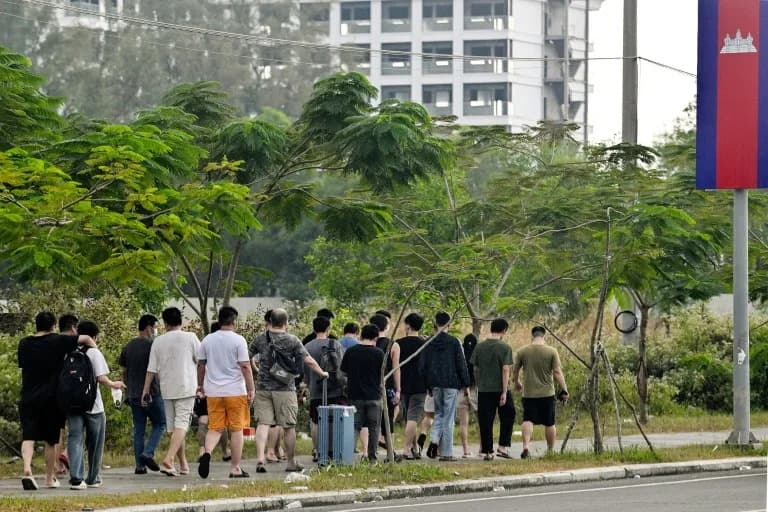
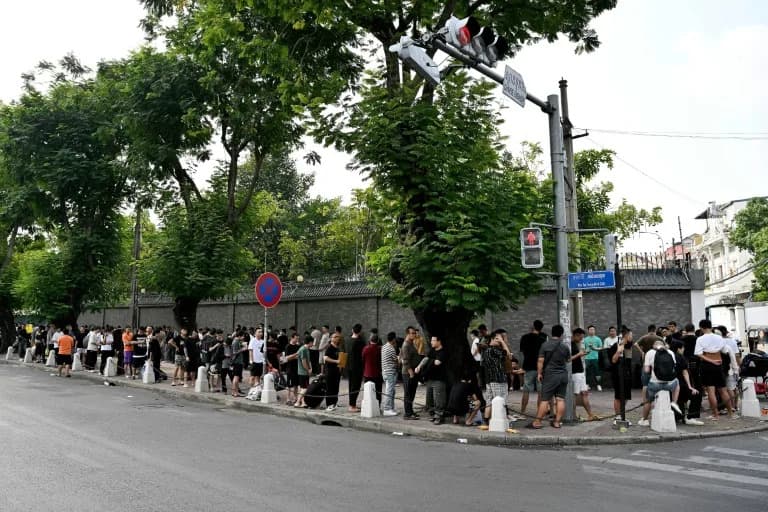
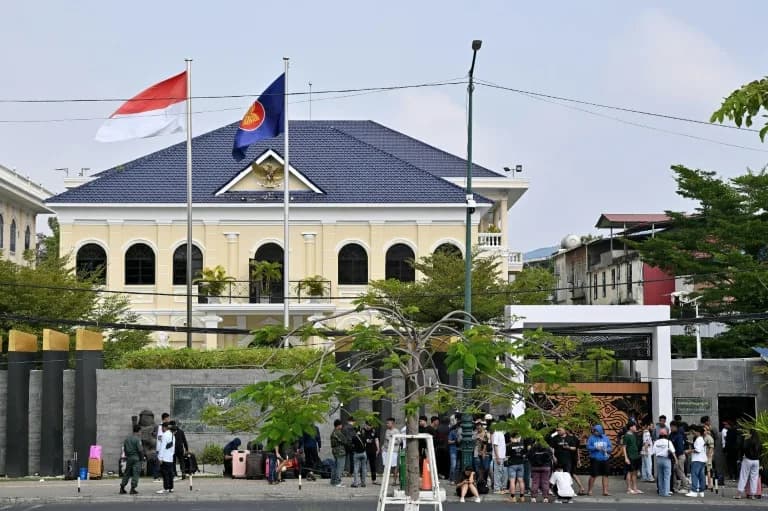
Thai military strikes in December, followed by police raids and a Cambodian government crackdown, forced criminal gangs to flee numerous scam compounds across the country. Thailand said the sites were also used to stage drone attacks during a brief border conflict. The disruption has contributed to the displacement of more than 100,000 people from compounds nationwide, creating what Amnesty International calls a humanitarian crisis as many line up outside embassies in Phnom Penh seeking help to return home.
Security Measures And Living Conditions
Files from the compound's management offices reveal tightly controlled, militarised operations: orders for anti-riot and emergency drills, instructions for security guards to stop people loitering nearby, and rules banning food deliveries and certain behaviours on site. Former workers — some who say they were trafficked and kept in harsh conditions — described restricted movement and confiscation of passports until the strikes prompted managers to release them.
What Authorities Say
The Cambodian government described the site as a hotel occupied by Thailand and said it remains committed to cracking down on scam centres. International pressure has mounted: the U.S. government estimates Americans lost about $10 billion to Southeast Asian scam centres in 2024. Agencies including the U.N. Office on Drugs and Crime warn that, while large compounds are being dismantled, scam operations often disperse and re-emerge as smaller, mobile cells.
“We see those scam centers now kind of mushrooming all over the world in different places, along the same model as what we've seen in Southeast Asia,” said Delphine Schantz of the U.N. Office on Drugs and Crime.
Reporting for Reuters was carried out by Poppy McPherson in O'Smach, Thomas Suen in Bangkok, and Satoshi Sugiyama and Tim Kelly in Tokyo; editing by Katerina Ang.
Help us improve.