Saif al‑Islam Gadhafi, 53, was shot dead at his home in Zintan, Libya, in an attack his team calls an apparent assassination. Four masked assailants reportedly disabled security cameras before killing him; Libya’s Attorney General confirmed he died of gunshot wounds and opened a criminal investigation. Saif al‑Islam had faced an ICC arrest warrant since 2011, was detained in Zintan until 2017, and had attempted a political comeback as a 2021 presidential candidate. His team has called for an independent international inquiry.
Saif al‑Islam Gadhafi, Son of Libya’s Former Leader, Shot Dead at Home in Zintan
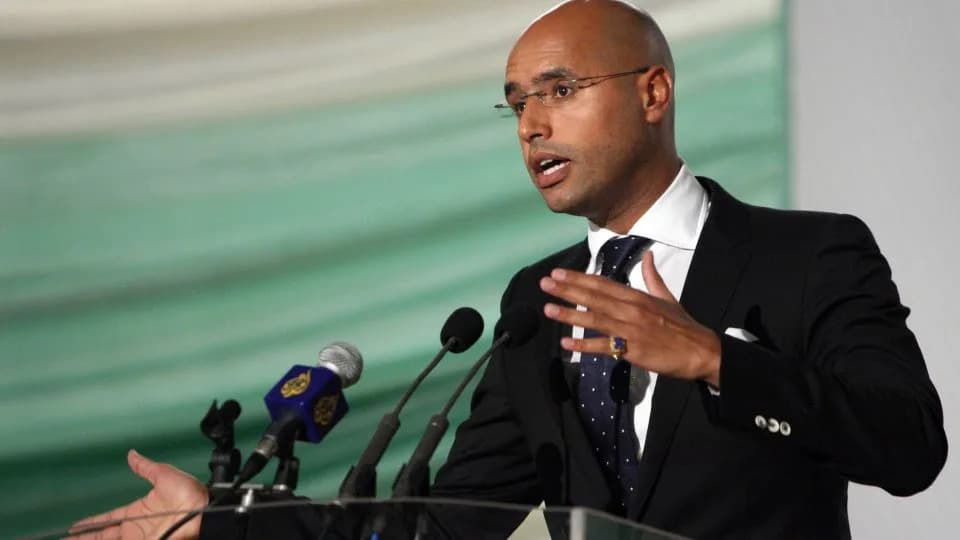
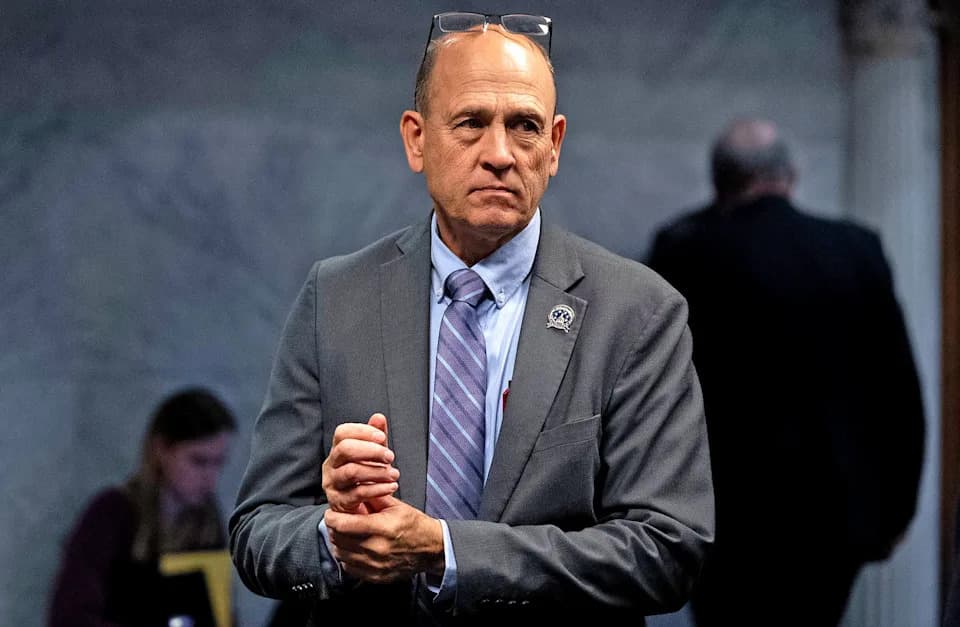
Saif al-Islam Gadhafi, son of Libyan leader Moammar Gadhafi, speaks during a meeting with social organizations in the capital, Tripoli, on July 24, 2008. - Mahmud Turkia/AFP/Getty Images
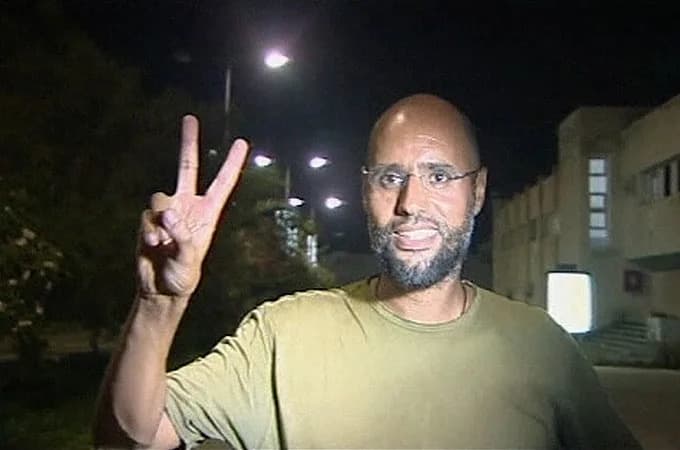
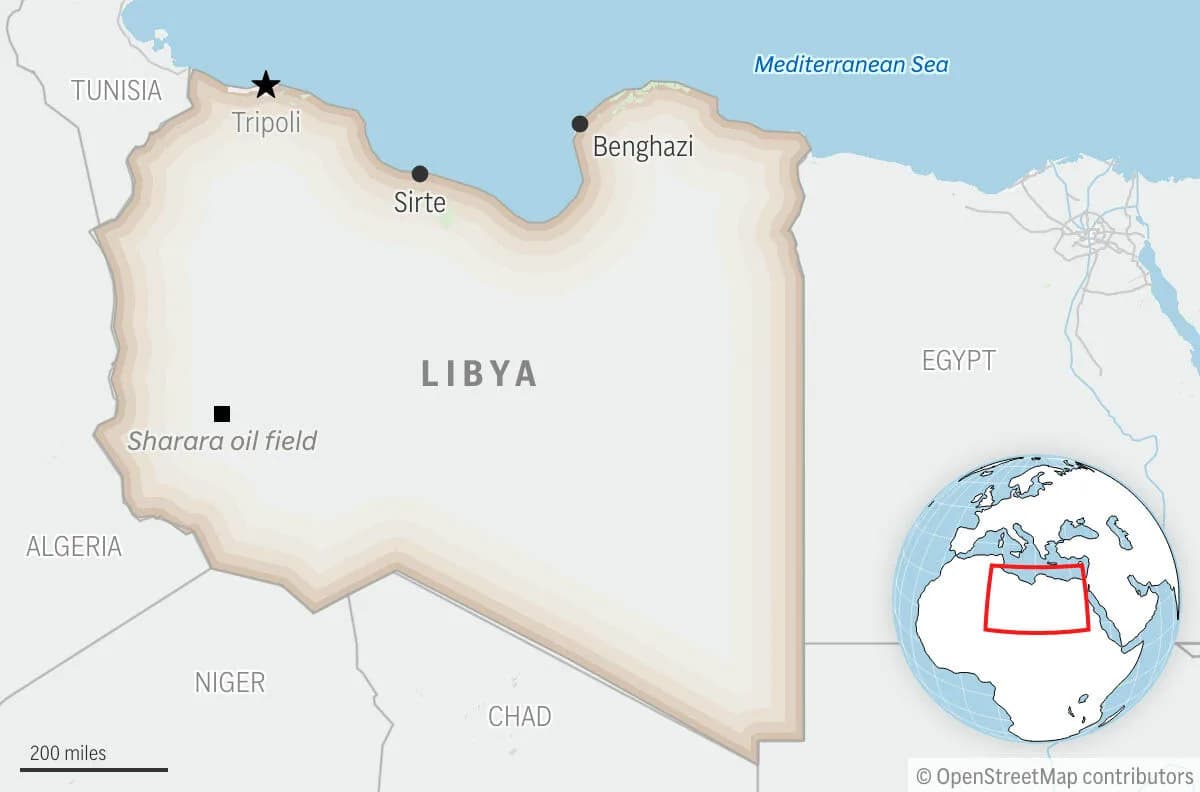
Saif al‑Islam Gadhafi, 53, the son of Libya’s late leader Moammar Gadhafi, was shot dead at his home in Zintan in northwestern Libya in what his political team described as an apparent assassination, the team’s head said on Tuesday.
According to his adviser, Abdullah Othman, four masked assailants stormed Gadhafi’s residence, disabled security cameras and fatally shot him in a "treacherous and cowardly" attack. Libya’s Attorney General’s Office said Gadhafi died of gunshot wounds and that a full criminal investigation is under way. There was no immediate comment from the International Criminal Court (ICC), which has long sought his arrest on charges of crimes against humanity.
Background
Born on June 25, 1972, in Tripoli, Saif al‑Islam was long viewed as the heir-apparent to his father. Educated overseas and fluent in English, including studies at the London School of Economics, he was once portrayed as a potential reform-minded face of the regime. But during the 2011 uprising he delivered a televised speech on Feb. 21 that aligned him publicly with the regime’s hardline response to protests.
Legal Case and Later Politics
In June 2011 the ICC issued arrest warrants for Saif al‑Islam and his father on charges of crimes against humanity for their roles in the crackdown on the revolt. After Tripoli fell, Saif al‑Islam evaded capture for months before being detained in November 2011 by a militia in Zintan. He remained in militia custody until June 2017, when authorities announced his release under a controversial general amnesty declared by Libya’s House of Representatives.
He reemerged politically in November 2021 when he registered as a candidate for Libya’s long-delayed presidential election. His candidacy polarized opinion: supporters cast him as a potential source of stability, while critics warned it recalled authoritarian rule and unresolved allegations of war crimes. The elections were later postponed amid political deadlock and security concerns.
Immediate Aftermath
Gadhafi’s political team has called on the Libyan judiciary, the United Nations, human rights organizations and the international community to support an independent and transparent investigation to identify and prosecute those responsible. A source close to him told CNN that in the months before his killing he had been preparing "a proposal for reconciliation" as part of efforts to rebuild a political role.
“This was a treacherous and cowardly attack,” said Abdullah Othman, Gadhafi’s political adviser, in a social media statement.
CNN contributor Matog Saleh was credited in earlier reporting. Libya’s Attorney General’s Office is leading the criminal inquiry; further confirmations and details are expected as investigators examine the scene and interview witnesses.
Help us improve.