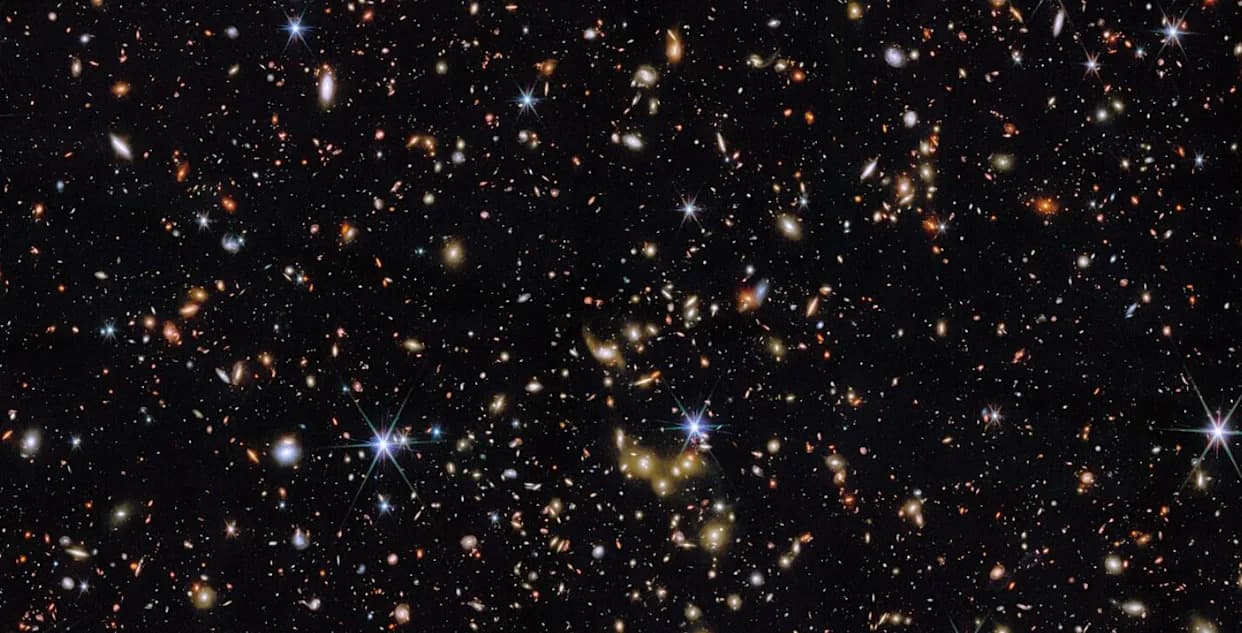
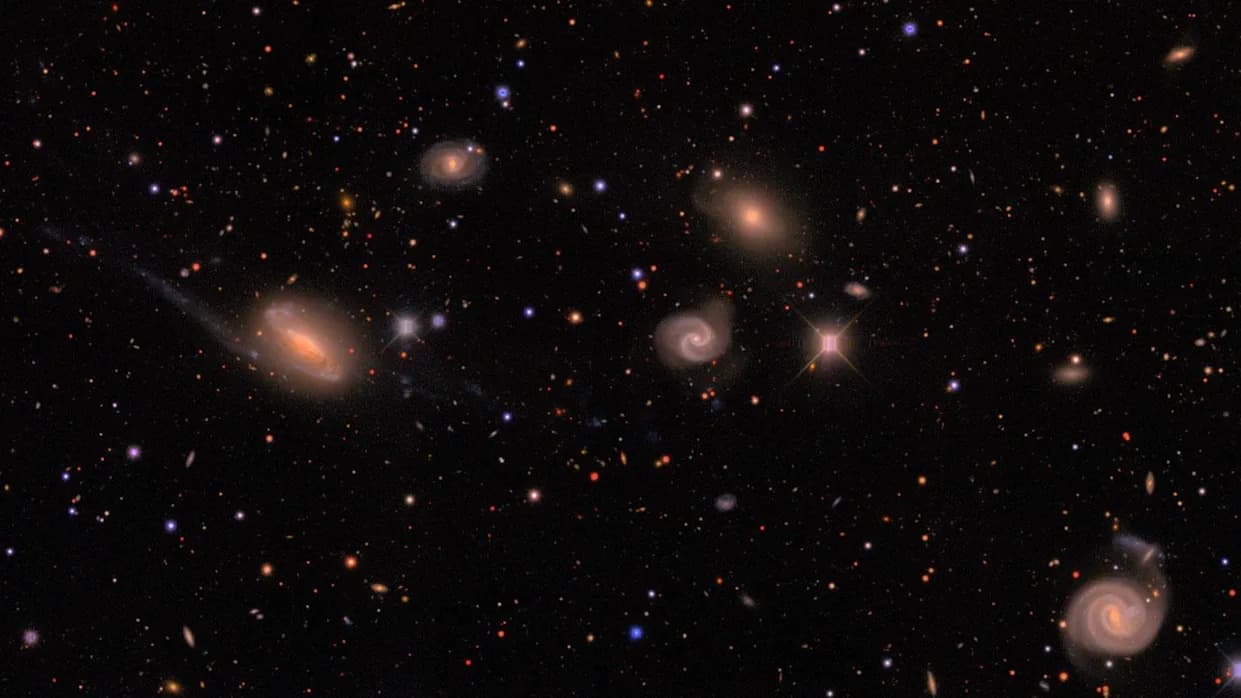
Researchers at the European Space Agency used a custom AI called AnomalyMatch to analyze nearly 100 million tiny Hubble image snippets and flagged more than 1,300 anomalous objects in under three days. Over 800 of these had never been documented before. The findings — published in Astronomy & Astrophysics — include many galactic mergers as well as jellyfish galaxies, edge-on protoplanetary disks, and gravitational lenses. The project highlights how AI can extract new science from archival datasets.
AI Uncovers 1,300+ Hidden Anomalies in 35 Years of Hubble Images
Wempe et al.
The universe is vast, and so is the data needed to study it. Using a purpose-built machine‑learning tool, researchers at the European Space Agency (ESA) have scanned decades of Hubble Space Telescope imagery and revealed more than 1,300 previously overlooked anomalies — over 800 of which had never appeared in scientific literature.
How the discovery was made
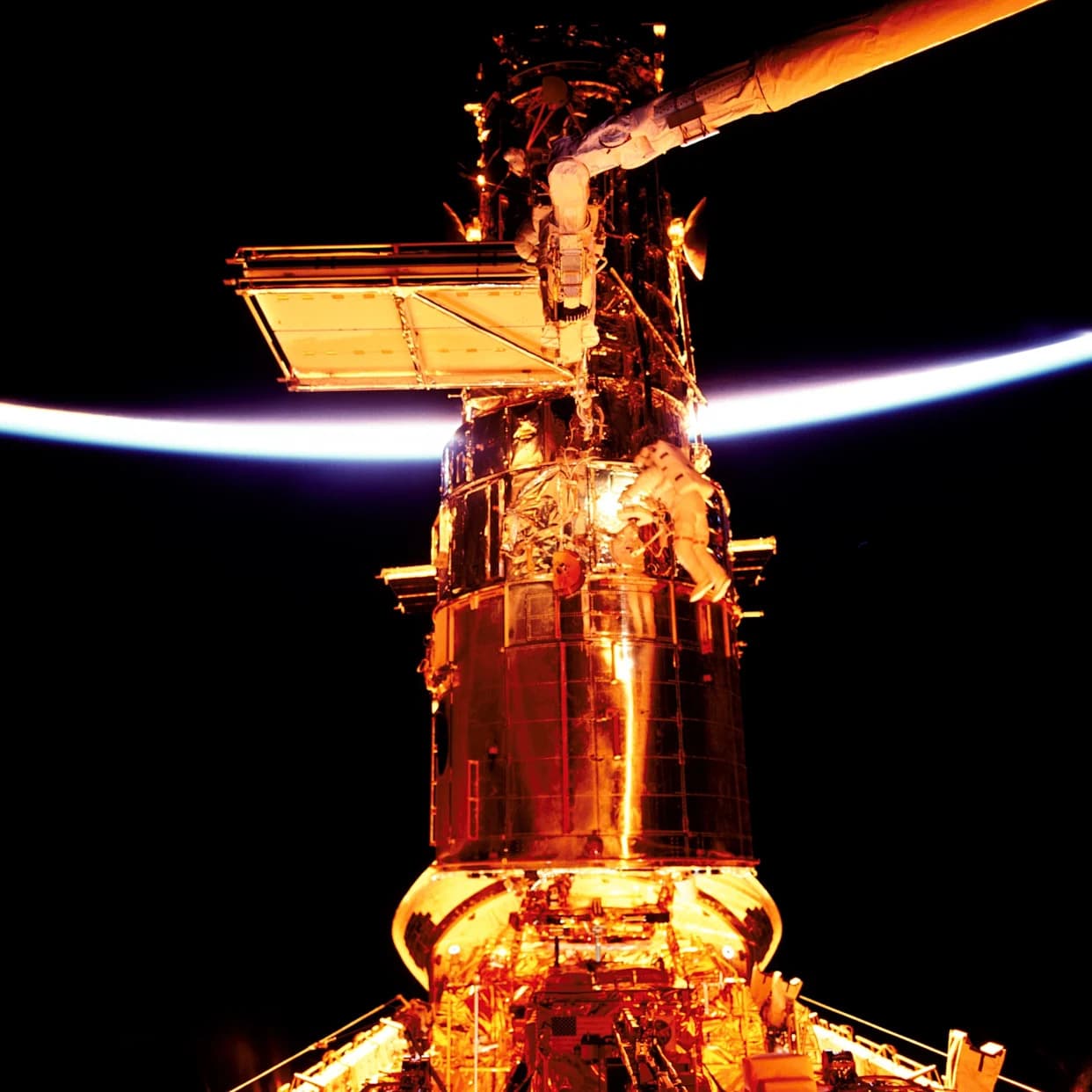
The team described their work in a new paper published in the journal Astronomy & Astrophysics. Lead author David O'Ryan, an ESA astrophysicist, noted that Hubble's archival observations now span roughly 35 years, creating a vast dataset in which rare or unusual objects can hide.
To find those hidden objects the researchers developed an AI system called AnomalyMatch. They ran it on nearly 100 million tiny image snippets — images only a few pixels across — and in under three days the neural network flagged over 1,300 anomalous sources. Of those, more than 800 had no prior documentation in the literature.
What was found
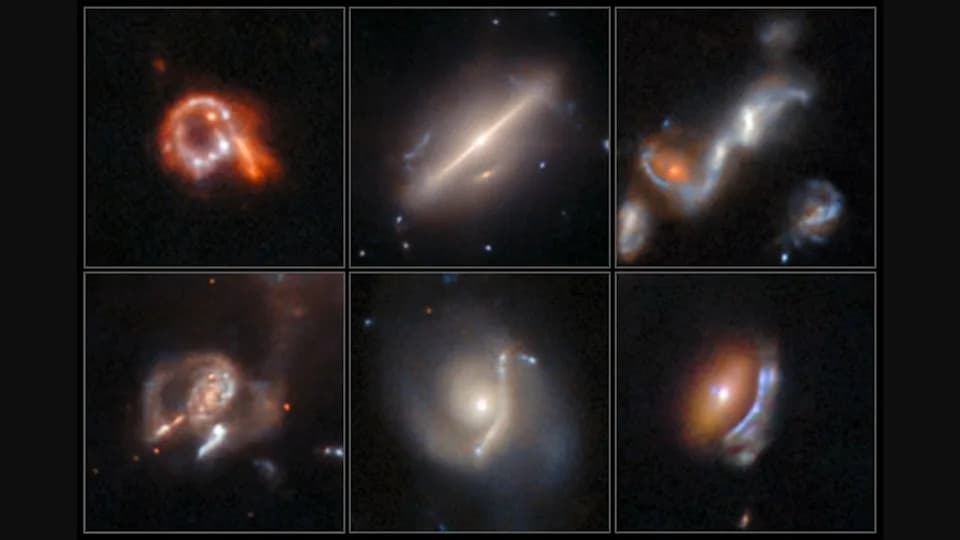
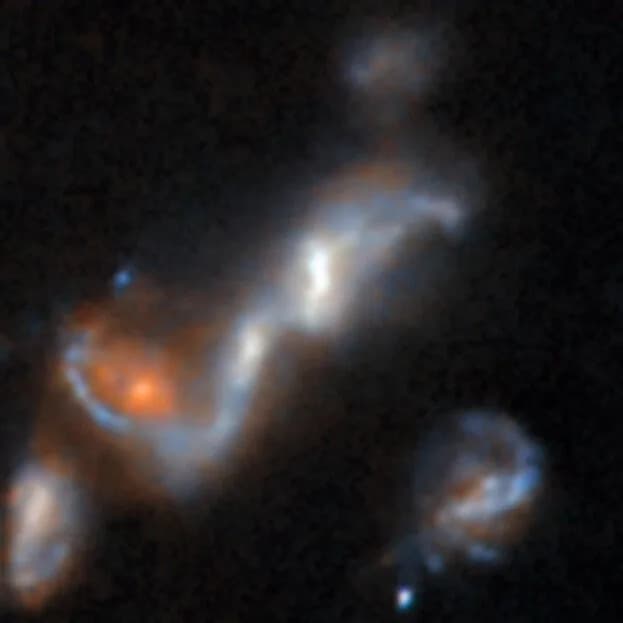
The catalog reads like a gallery of cosmic oddities. NASA reports that most detections are galaxies in the process of colliding — violent, disruptive events called galactic mergers. The AI also highlighted distinct classes such as:
- Jellyfish galaxies: galaxies with long streams of star-forming gas that trail like tentacles;
- Edge-on protoplanetary disks: disks viewed side-on that can resemble stacked 'hamburgers';
- Gravitational lenses: systems where a massive foreground object bends and magnifies the light of a more distant source;
- And a number of objects that challenge existing classification schemes and will require follow-up study.
“This is a powerful demonstration of how AI can enhance the scientific return of archival datasets,” said Gómez. “The discovery of so many previously undocumented anomalies in Hubble data underscores the tool’s potential for future surveys.”
Why this matters
Automated anomaly detection speeds the search for rare or unexpected phenomena in enormous archives, freeing astronomers to focus on physical interpretation and follow-up observations. Machine learning has already been applied to tasks such as identifying candidate exoplanets and improving images of black holes; this work shows it can also unlock forgotten discoveries from long-running missions.
As telescope archives continue to grow, tools like AnomalyMatch will be valuable for future large surveys. Many of the newly flagged objects will now be examined in more detail to confirm their nature and learn what they reveal about galaxy evolution and other astrophysical processes.
Source: Paper in Astronomy & Astrophysics; NASA/ESA releases.
Help us improve.