Judge George H. Wu allowed Alcon Entertainment's copyright suit against Elon Musk and Tesla to proceed after Musk displayed an AI‑generated image at Tesla's October 2024 Cybercab event. Alcon alleges Musk used a Blade Runner 2049 still without permission, input it into an AI generator, and produced images that infringe the film's rights and harm its brand. Musk calls the claims overly broad and characterizes any copying as "intermediate." Wu cited Bartz v. Anthropic (2025) and declined to dismiss claims tied to intermediate copying, signaling possible higher litigation risk for generative AI users.
Judge Lets Blade Runner 2049 Copyright Case Against Elon Musk and Tesla Proceed
Judge Lets Blade Runner 2049 Copyright Suit Against Elon Musk and Tesla Move Forward
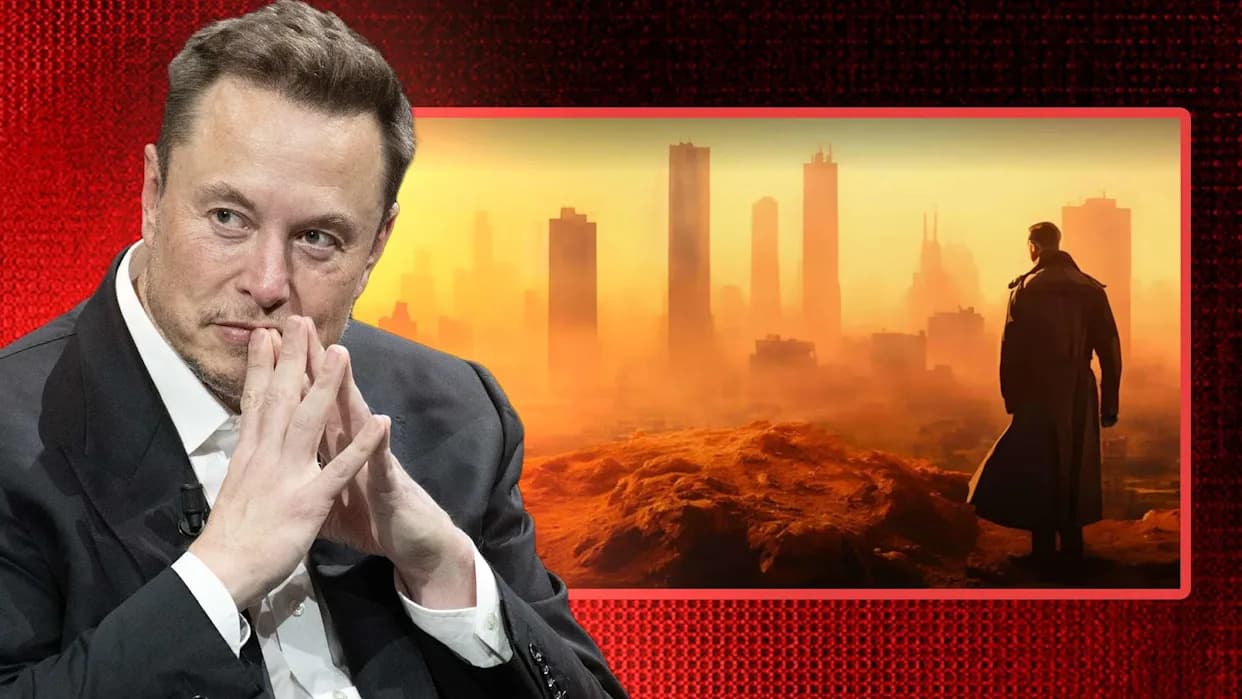
U.S. District Judge George H. Wu of the Central District of California has allowed Alcon Entertainment's copyright lawsuit against Elon Musk and Tesla to move forward. The suit centers on an AI-generated image Musk displayed for roughly 11 seconds during Tesla's October 2024 Cybercab presentation that Alcon says was derived from a still in the film Blade Runner 2049.
Alcon alleges that it denied Musk permission to use the referenced still and that, after this refusal, Musk provided that still — along with other images — to an AI image generator to create new images. In its amended complaint, Alcon contends the defendants, or the AI tool they used, infringed its rights under the Copyright Act and violated the Lanham Act by creating a commercial association likely to confuse consumers about the film's sponsorship or approval.
Specific Allegations
Alcon asserts two forms of infringement: first, that Musk violated the film company's exclusive reproduction rights by inputting a protected still into an AI generator; and second, that the resulting images are derivative works that show "substantial similarity" to protected elements of Blade Runner 2049. Alcon also claims the association with Tesla and Musk has harmed the film's brand value by "at least... six figures."
Defendants' Response
Musk argues the complaint is legally insufficient. He contends the dozen elements Alcon cites — for example, a post‑apocalyptic setting and a society weighing whether humans and AI can build a joint society — are expressed in overly broad, unprotectable terms. He also frames the literal-copying allegation as only "intermediate copying," which he says is nonactionable.
Judge Wu's Ruling
Judge Wu declined to resolve whether the image Musk showed is substantially similar to the Blade Runner 2049 still. However, he denied the defendants' motion to dismiss the derivative-work claim, explaining that in "the age of AI" courts are allowing copyright suits that involve what might be called "intermediate copying" to proceed. To support this approach, Wu cited Bartz v. Anthropic (2025), a decision recognizing that AI developers "may need to pay for getting their hands on a [copyrighted work] in the first instance," while also noting that using lawfully obtained works to create novel output is not automatically a copyright violation.
Implications
Legal observers say Wu's ruling lowers the bar for copyright plaintiffs to survive early dismissal when they suspect copyrighted material was used to train or prompt generative AI to produce recognizably derived outputs. That could increase litigation risk and costs for companies and creators who use generative AI, potentially chilling some commercial and creative applications of these tools while courts sort out the rules.
What remains to be decided is whether the images Musk displayed are in fact substantially similar to Alcon's copyrighted material — a question that will likely require a fuller factual record and may shape future AI‑copyright litigation.
Help us improve.