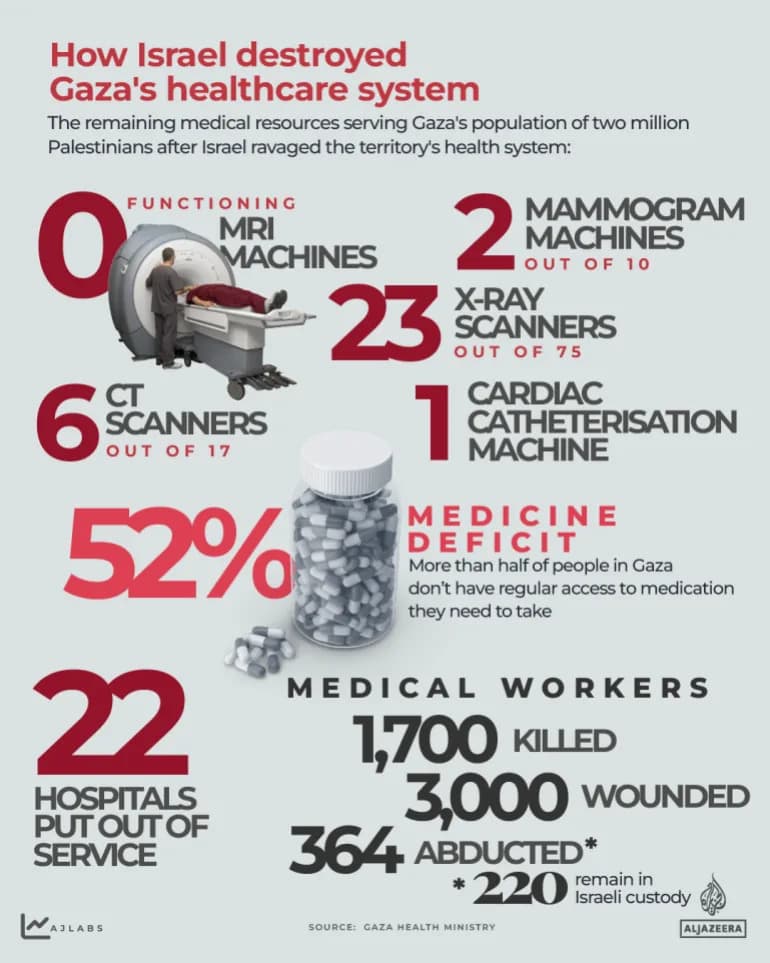
Two Palestinians were killed in northern Gaza as Israeli strikes continued across the enclave despite a fragile US-brokered ceasefire. The Rafah crossing to Egypt has been only partially reopened, allowing a small number of returnees and medical evacuations, but processing is slow and returnees report harsh treatment. Medical evacuations remain far below the agreed pace, while Gaza’s health system reels with 22 hospitals out of service and about 1,700 medical workers killed.
Israeli Strikes Kill Two in Northern Gaza as Rafah Crossing Remains Largely Closed
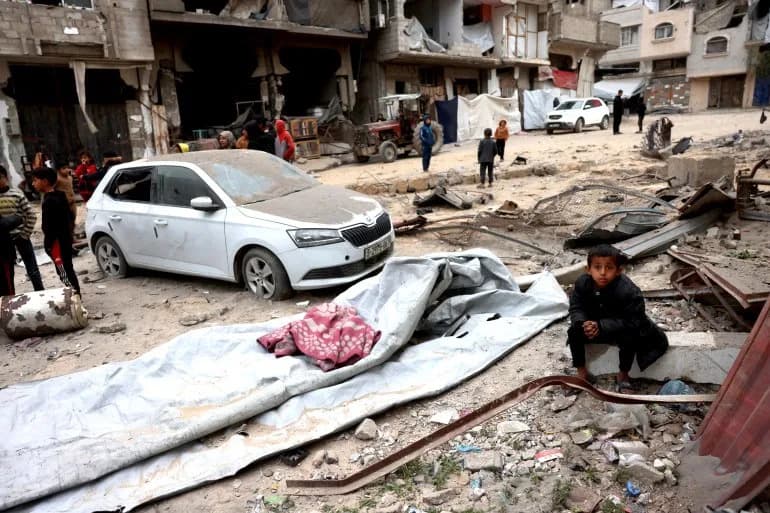
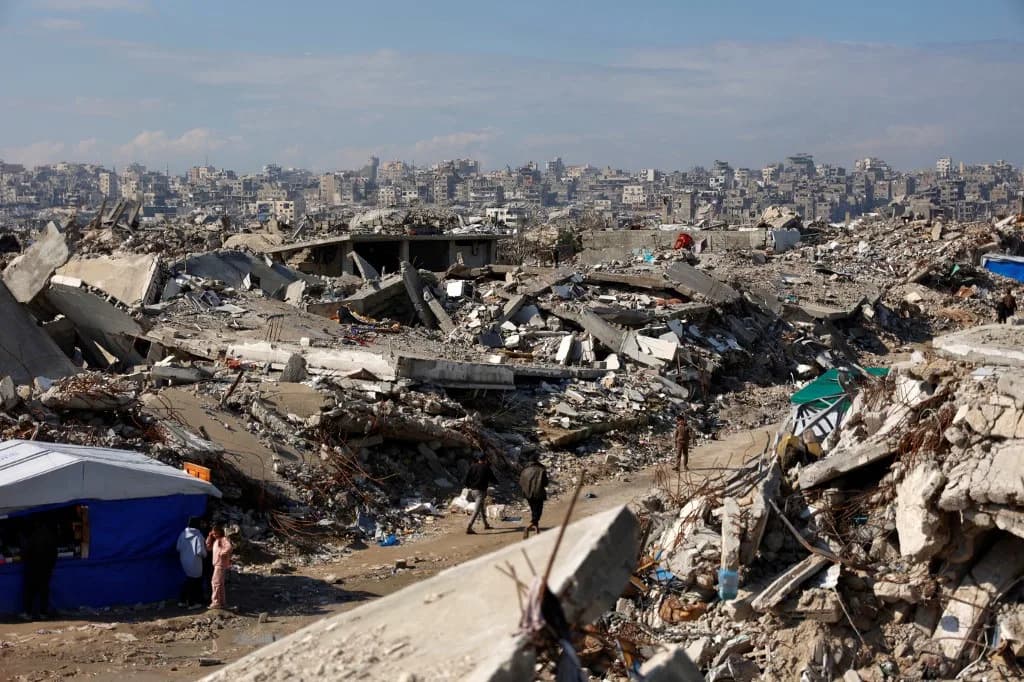
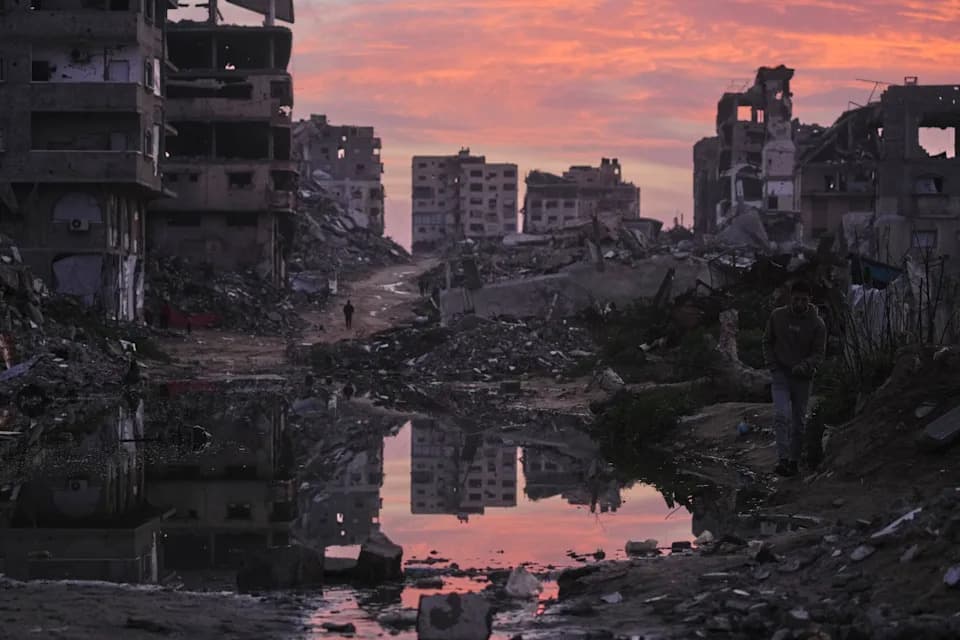
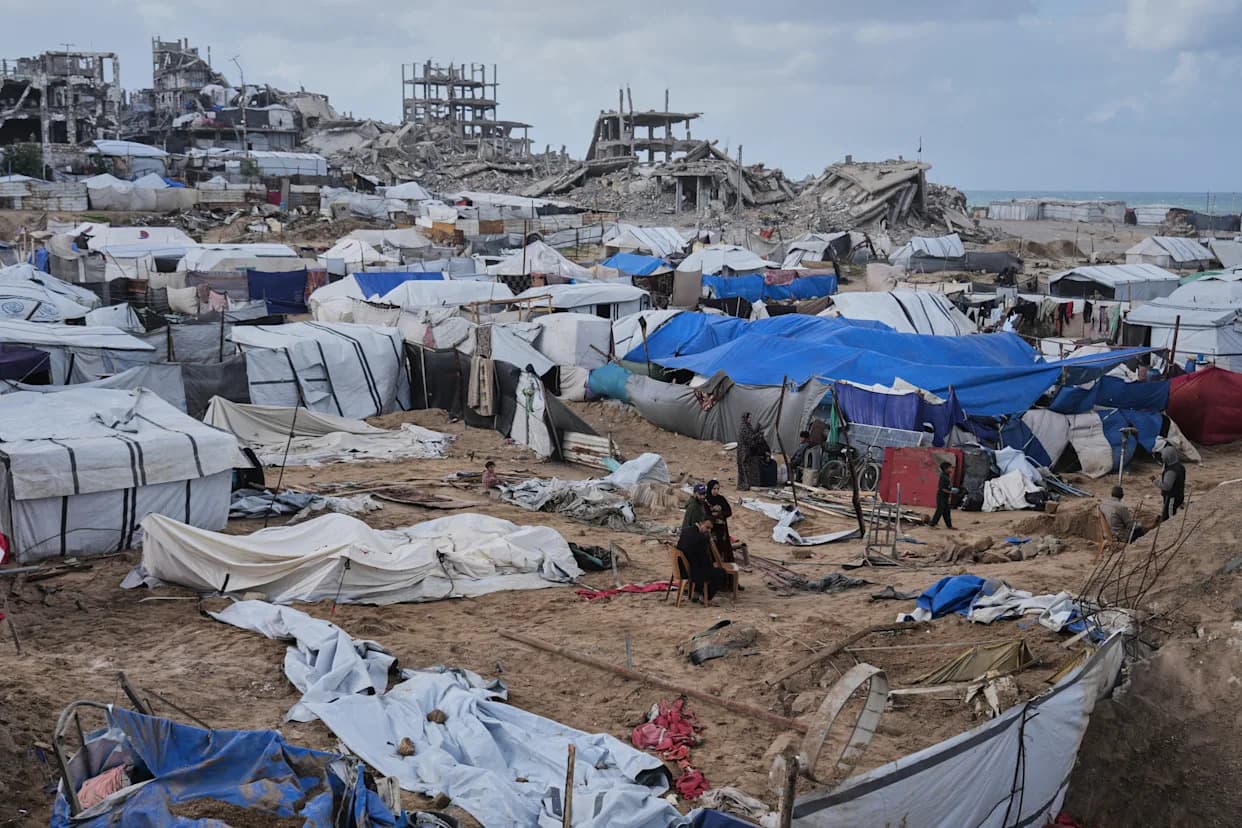
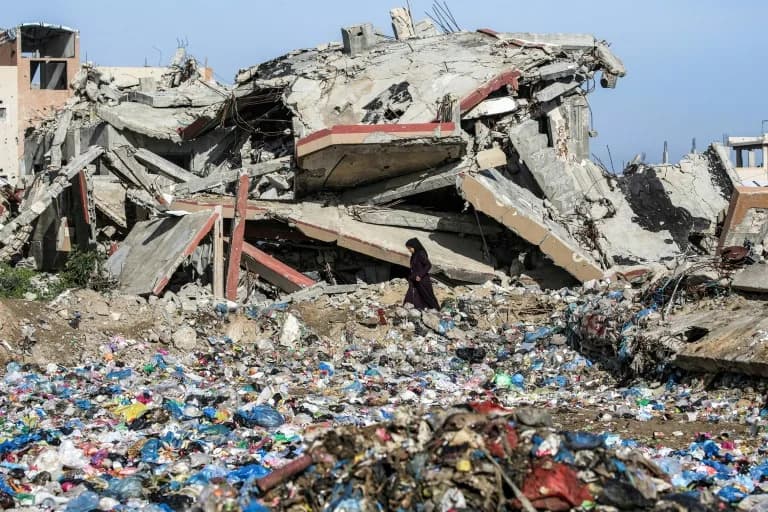
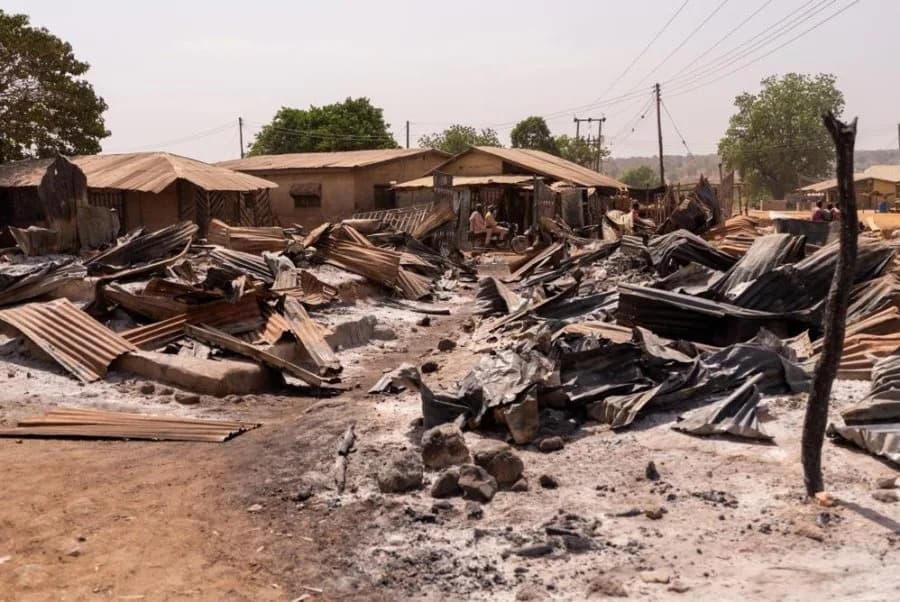
A displaced Palestinian boy sits on the rubble after Israeli aircraft attacked a five-storey house in Khan Younis, southern Gaza Strip [AFP]
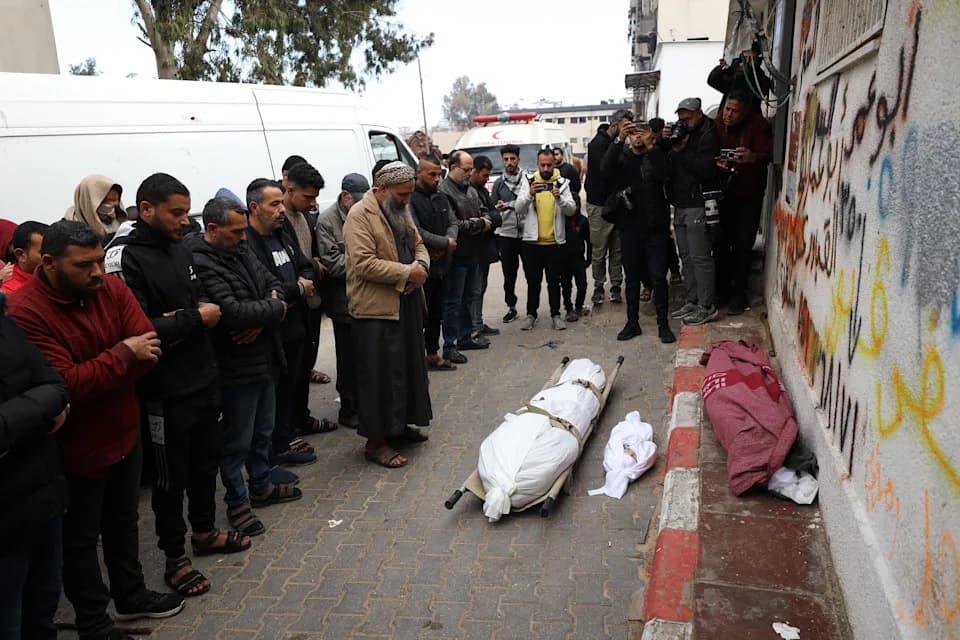
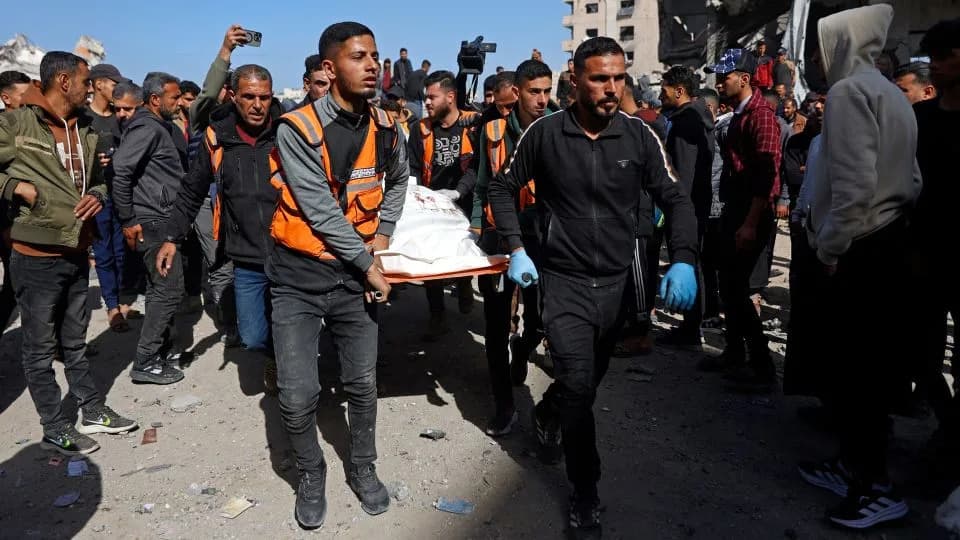
Two Palestinians were killed in the northern Gaza Strip on Friday as Israeli forces carried out strikes across the enclave, emergency services and local reporters said. The bodies of those killed in Jabalia and Beit Lahiya were taken to al-Shifa Medical Complex in Gaza City.
In Khan Younis in southern Gaza, residents said an Israeli strike hit a Palestinian home after the military said soldiers had been shot near the so‑called “yellow line,” a demarcation where Israeli troops had established a buffer in the first phase of the ceasefire. Resident Saleh Abu Hatab told Al Jazeera the home was evacuated about 30 minutes before it was struck.
“Within half an hour, the house was evacuated. It was cleared out, and then it was bombed,” Saleh Abu Hatab told Al Jazeera, adding the building stood opposite a school sheltering displaced people.
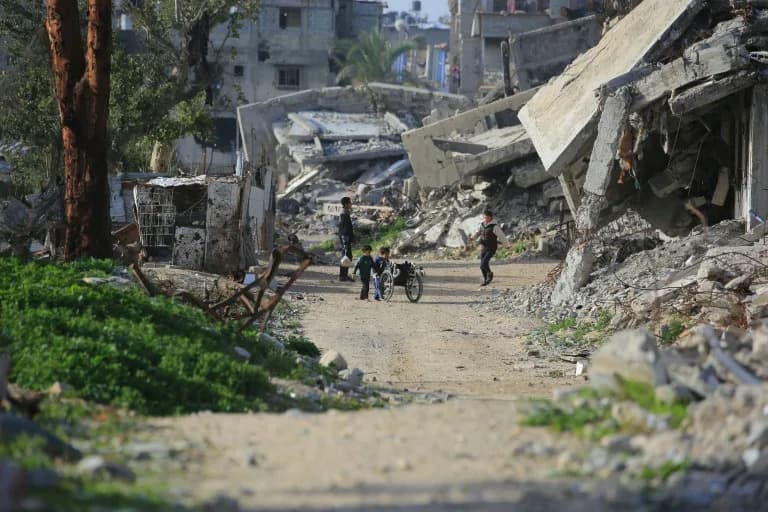
Al Jazeera correspondent Hind Khoudary, reporting from Khan Younis, said the strike hit a multistorey building belonging to the Abu Hatab family and that there were no reported injuries from that specific strike. She also reported shelling of open land in Sheikh Ijilin in Gaza City. In the central enclave, Israeli tanks and engineering vehicles were reported advancing east of Deir el-Balah, conducting bulldozing and clearing operations.
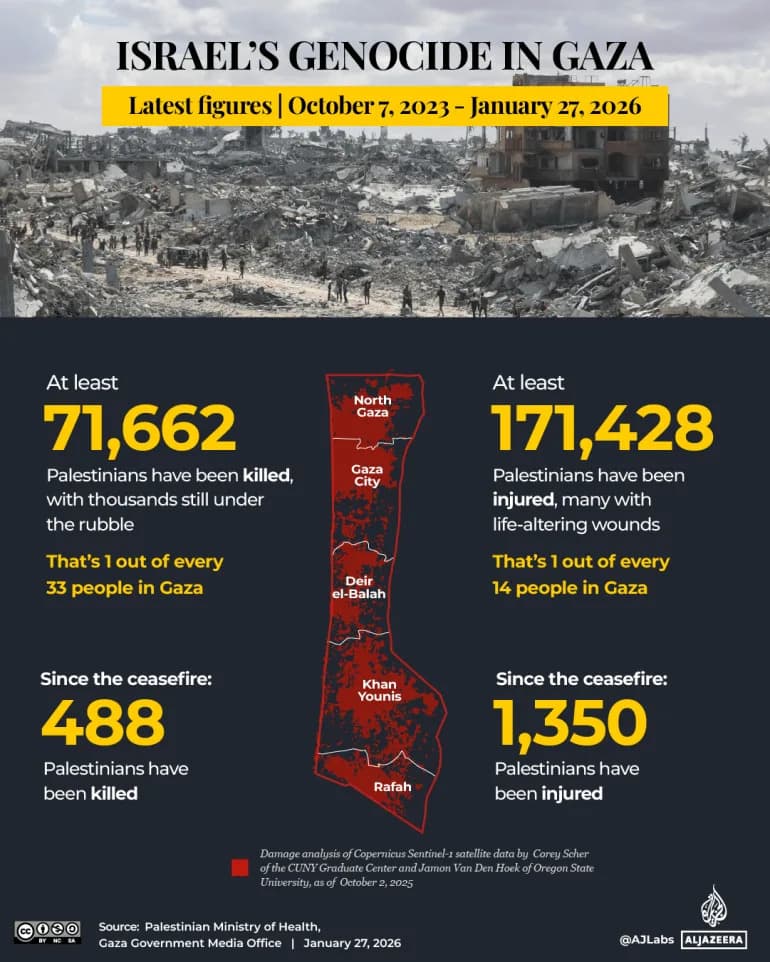
The incidents followed a deadly day on Wednesday when at least 23 Palestinians were killed, one of the deadliest single days since the US-brokered ceasefire began in early October. The Gaza Ministry of Health reports that, during the ceasefire period, Israeli attacks have killed at least 574 people and wounded 1,518.
Rafah Crossing, Returnees and Evacuations
Twenty-one Palestinians who had been stranded in Egypt were reunited with their families after crossing from El Arish into southern Gaza through the Rafah border crossing. The journey took many hours amid restrictions, and returnees appeared visibly exhausted on arrival, reporters said.
The Rafah crossing — the main exit and entry point for almost all of Gaza's more than two million residents — was closed by Israeli authorities for most of the war and only partially reopened on Monday. Since that limited reopening, only a small number of people have been allowed to travel in either direction.
“There is a very big challenge… no one is informing Palestinians about when this crossing opens, when it closes or what the process is,” Al Jazeera’s Hind Khoudary said, citing the Red Crescent. She added that processing times are long and some returnees report being interrogated, handcuffed, blindfolded and harassed.
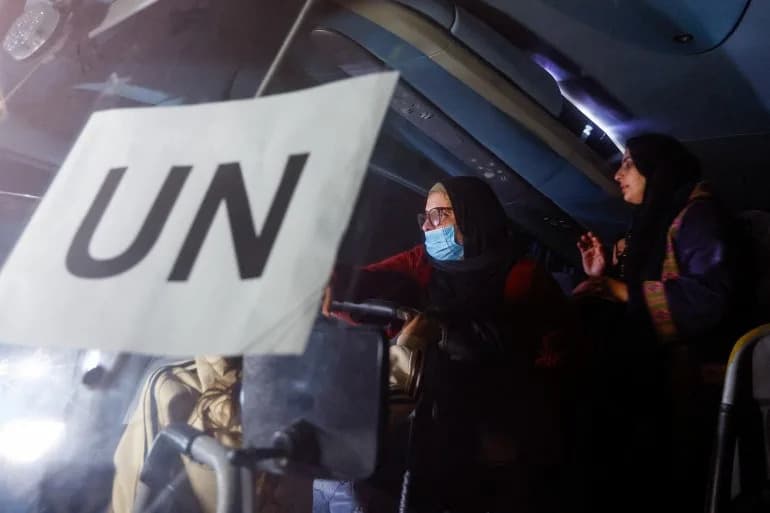
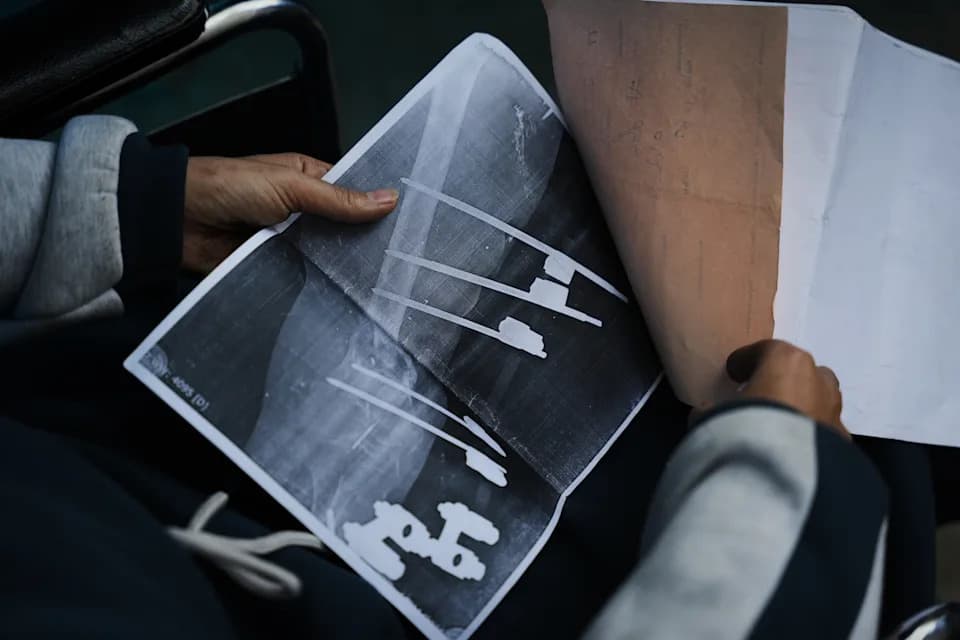
Under the US-brokered agreement, medical evacuations were to proceed at a faster pace. The deal envisaged evacuating up to 50 patients per day, each accompanied by two family members, but only about 30 patients had been transferred so far this week, well short of the agreed figure and far below the estimated needs of roughly 20,000 patients requiring treatment abroad.
Damage To Gaza’s Health System
Gaza’s health services have been severely strained. The Palestinian Health Ministry reported that 22 hospitals are out of service and that some 1,700 medical workers have been killed since the conflict began, further hampering care for the wounded and sick.
Reporting for this story included information from local emergency services, Al Jazeera correspondents on the ground and statements attributed to Gaza and Palestinian health authorities.
Help us improve.