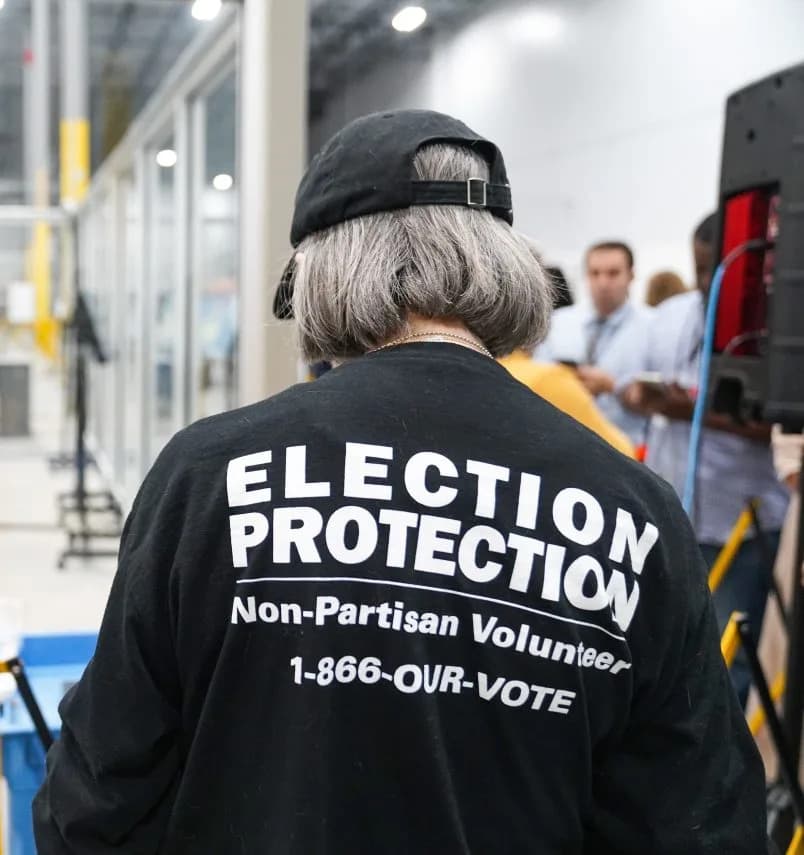
Democratic state election officials are expanding contingency planning after immigration raids in Minnesota that left two U.S. citizens dead and an FBI search of an Atlanta-area election office. Secretaries of state say they are preparing for scenarios that include ICE presence near polls, bomb threats and attempts to seize ballots or equipment. Concerns also include Justice Department requests for voter data and USPS changes that could affect mail voting; officials are running legal and response drills to protect voter access.
Immigration Raids and FBI Search Spur Midterm Contingency Plans Among Democratic Election Officials
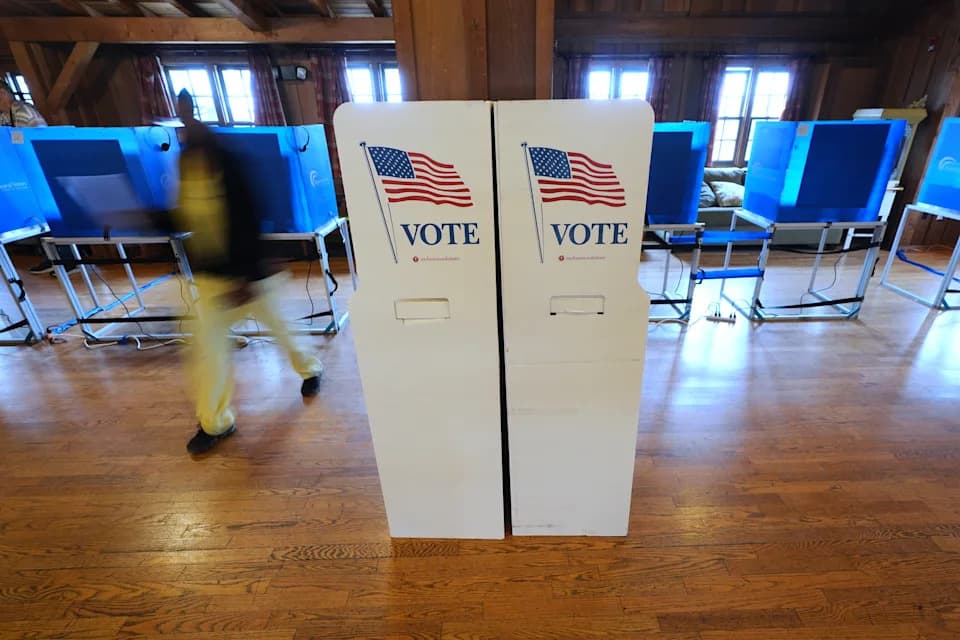
FILE - Signs welcomes voters Nov. 4, 2025, in Del Mar, Calif. (AP Photo/Gregory Bull, File)(ASSOCIATED PRESS)
WASHINGTON — Democratic state election officials say recent aggressive immigration enforcement in Minnesota and an FBI search of a major county election office in Georgia have prompted expanded contingency planning ahead of this fall's midterm elections.
Why Officials Are Alarmed
Officials pointed to federal immigration operations in Minnesota that resulted in the shooting deaths of two U.S. citizens and to an FBI search this week of the election office in Georgia's most populous county, in which agents removed ballots and other records related to the 2020 presidential election. Those developments, they say, have added new scenarios to election-security planning and raised fears about possible federal actions that could affect voter access or the administration of elections.
What They Are Preparing For
Several Democratic secretaries of state described running scenario-based drills with county election officials and state leaders. Training now covers a wider range of threats, including ICE or other federal agents appearing near polling places, bomb threats, and attempts to seize voting equipment or ballots. Officials say they are clarifying when to call law enforcement, when to pursue legal relief, and when to use other mitigation strategies to protect voters and election infrastructure.
“It’s no longer just about making sure everyone gets their ballots and those ballots are counted securely,” said Michigan Secretary of State Jocelyn Benson, who is running for governor. “There’s now an election security component that involves this type of scenario planning.”
Legal, Postal Service And Data Concerns
Colorado Secretary of State Jena Griswold said she is updating contingency plans and running disaster simulations with the governor, attorney general and county clerks. She and other officials also raised concerns about changes at the U.S. Postal Service that could affect states that rely heavily on mail ballots.
The Justice Department has filed lawsuits seeking detailed voter information from at least 23 states and the District of Columbia, asking for names, dates of birth, residential addresses, driver’s license numbers and partial Social Security numbers. Many state officials, most of them Democrats, have refused to comply, arguing the requests conflict with state and federal privacy protections.
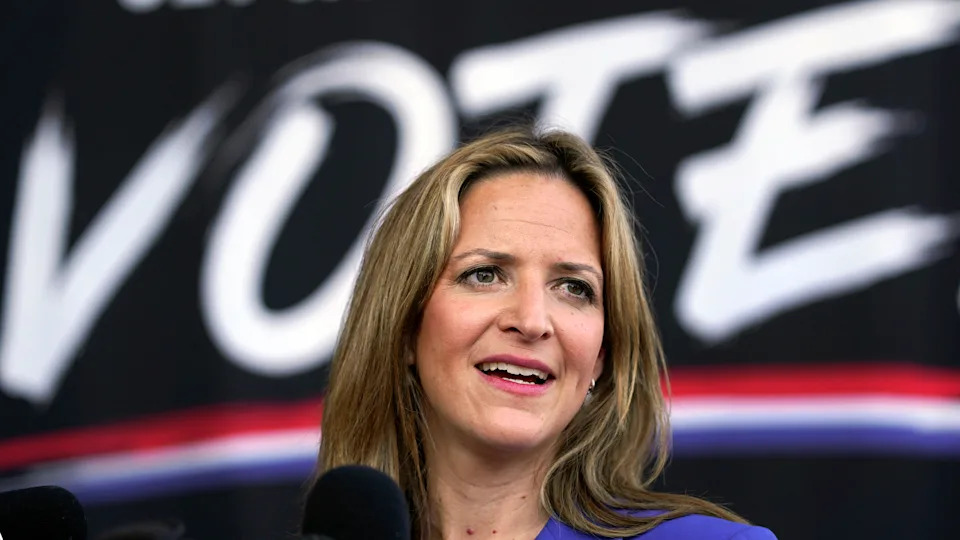
FILE - Michigan Secretary of State Jocelyn Benson speaks in Detroit, Sept. 24, 2020. (AP Photo/Paul Sancya, File)(ASSOCIATED PRESS)
Attorney General Pam Bondi recently urged Minnesota Gov. Tim Walz to share the state voter rolls as part of efforts she tied to restoring public order amid protests over immigration enforcement and the deadly federal operations.
Officials’ Concerns About Voter Intimidation
Maine Secretary of State Shenna Bellows said federal law should constrain extraordinary conduct — particularly if armed federal agents were to show up at or around polling places — and that such actions would be vulnerable to quick legal challenge. Still, she warned that visible federal enforcement and arrests could deter people from leaving their homes to vote.
“If people are too afraid to leave their homes to go get groceries, they’re going to be too afraid to go vote if ICE or other federal agents are patrolling the streets,” Bellows said.
Sen. Mark Warner (D-Va.) and other lawmakers have also expressed concern that aggressive law-enforcement actions could collide with the midterm calendar and potentially intimidate voters.
What’s At Stake
State officials say they are stepping up coordination with local law enforcement, refining legal strategies, and running tabletop and field simulations to preserve voter access and the integrity of election administration. They emphasize that primary authority over elections rests with the states, though federal actions and requests have introduced new challenges and uncertainties as the midterms approach.
Associated Press contributor: Ali Swenson in New York.
Help us improve.