The Justice Department has sued Minnesota and 23 other states seeking full voter-registration records; Attorney General Pam Bondi urged Gov. Tim Walz to turn over sensitive voter files amid unrest tied to ICE operations in Minneapolis. State officials and voting-rights advocates say the request — which could include Social Security and driver’s license numbers — risks privacy violations and wrongful purges. Two federal judges have already dismissed DOJ suits, only 14 states are cooperating, and legal challenges continue as courts scrutinize the administration’s legal basis.
Bondi's Voter-Data Demand Amid Minneapolis ICE Unrest Called 'Ransom' As DOJ's Nationwide Push Faces Court Pushback
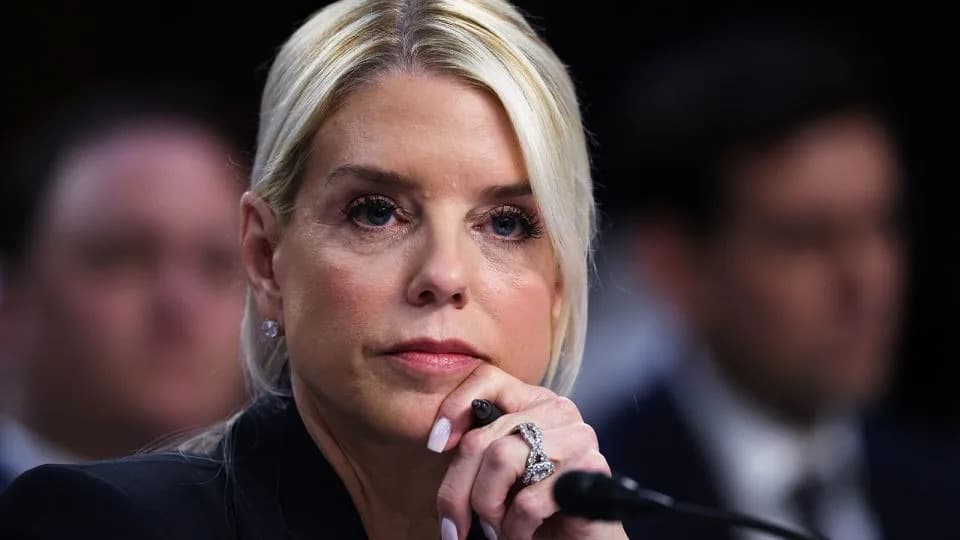
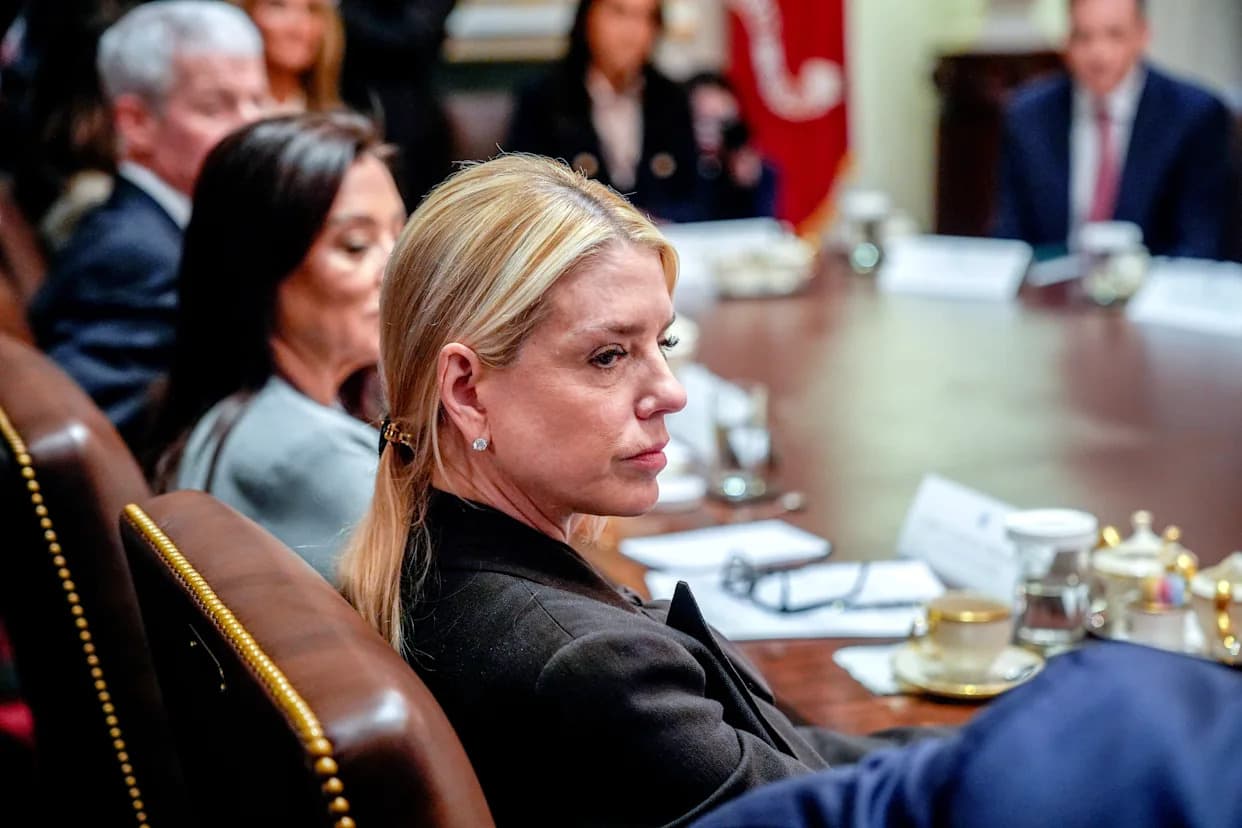
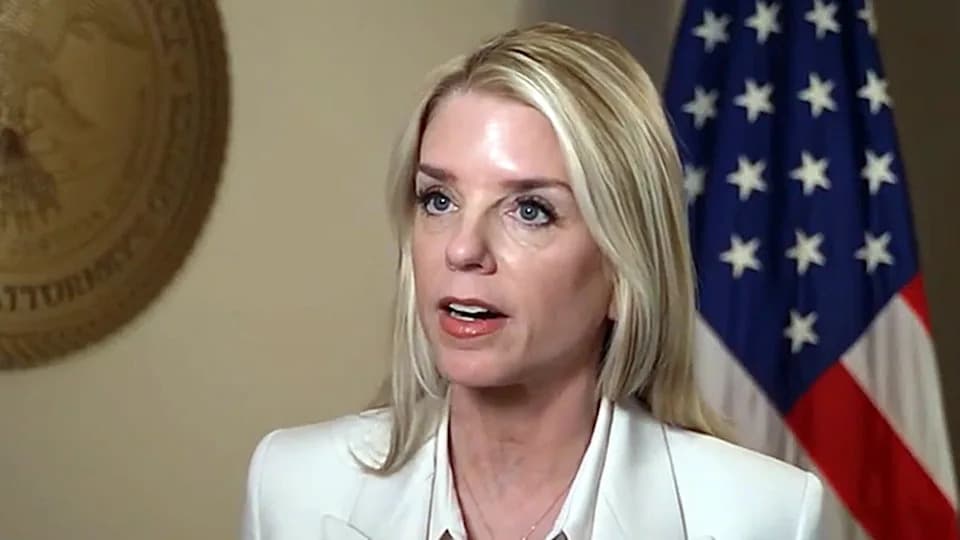
Attorney General Pam Bondi testifies before the Senate Judiciary Committee in the Hart Senate Office Building on Capitol Hill on October 07, 2025 in Washington, DC. - Win McNamee/Getty Images North America/Getty Images
Attorney General Pam Bondi's request that Minnesota hand over full voter-registration records to the Department of Justice — made during heightened tensions over ICE operations in Minneapolis — has drawn sharp criticism from state officials and voting-rights advocates who say the timing and tone amount to coercion.
What Bondi Asked For
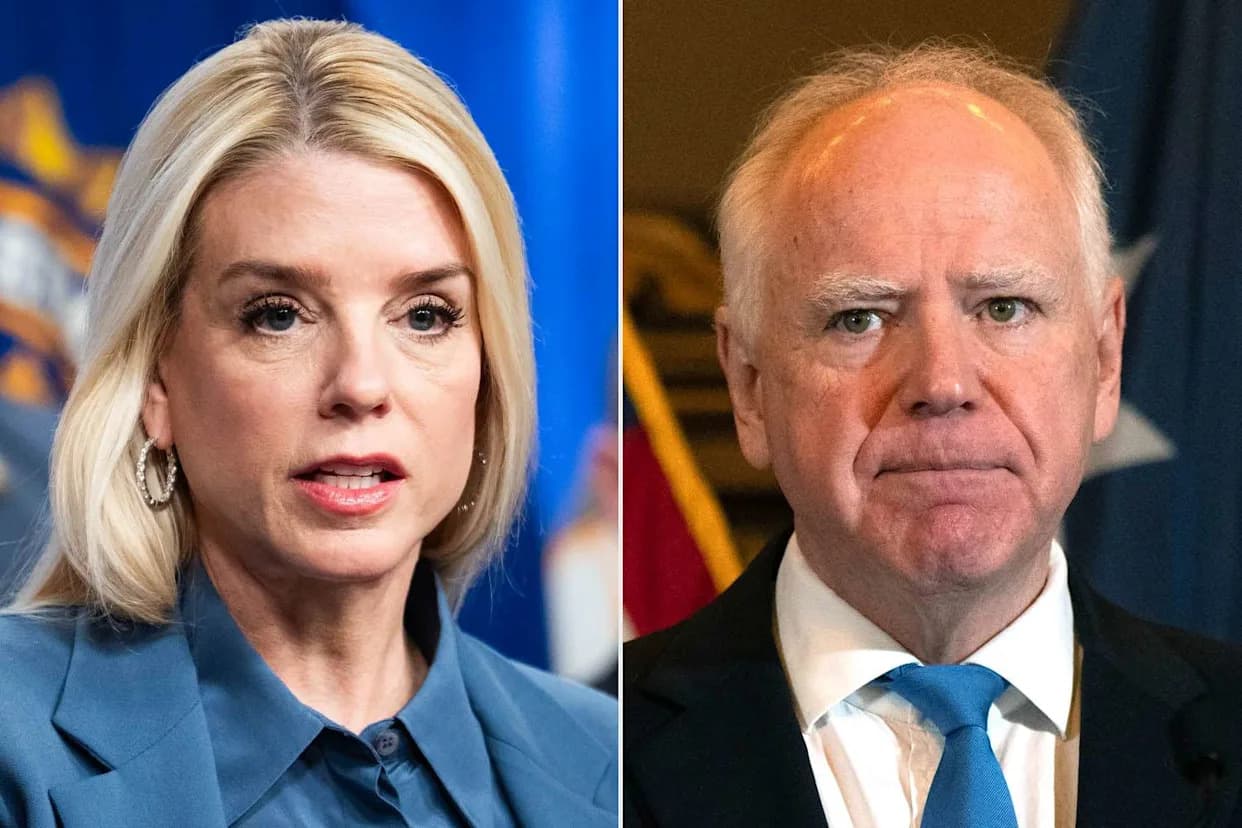
Bondi urged Gov. Tim Walz to provide comprehensive voter-registration files and other measures to “bring an end to the chaos,” according to her letter. The DOJ has asked 24 states, including Minnesota, to produce their full voter rolls — records that often include non-public fields such as Social Security and driver’s license numbers, full birth dates and current addresses.
Legal And Privacy Concerns
The Justice Department says it needs the data to help states “clean” voter rolls of ineligible registrants and invokes the 1960 Civil Rights Act as its legal basis. But courts and legal experts have questioned that rationale: federal judges in California and Oregon have dismissed DOJ lawsuits challenging states, and other courts are still reviewing the department’s arguments.
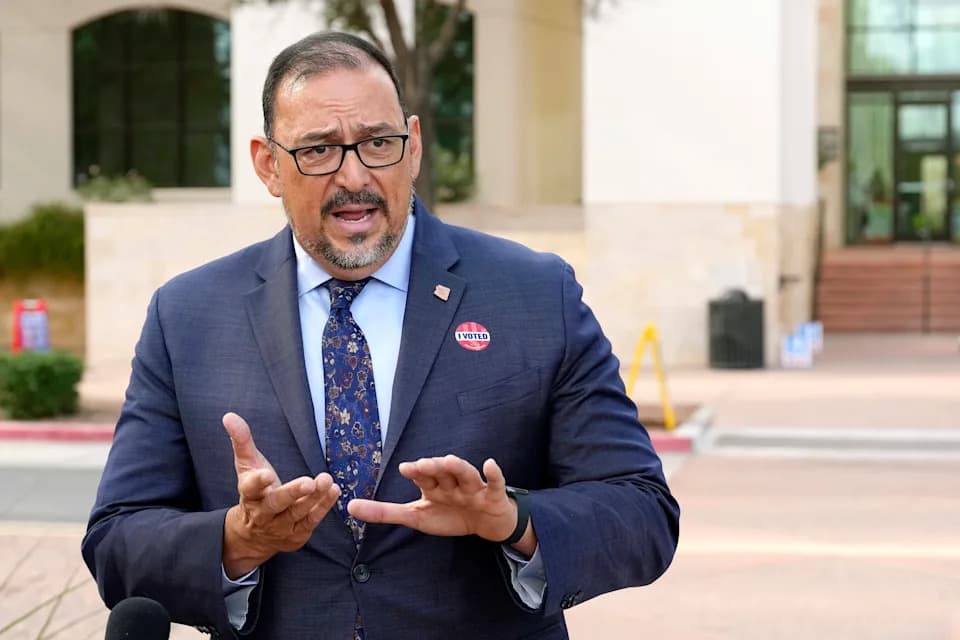
State officials, including Minnesota Secretary of State Steve Simon, have refused to comply, saying releasing the records would violate state and federal privacy laws. Simon called Bondi’s letter “deeply disturbing,” likening it to a “ransom note.” Arizona Secretary of State Adrian Fontes compared the approach to "organized crime" in a social-media post.
Judicial Scrutiny And Political Pushback
At a related hearing, District Judge Kate Menendez questioned whether the executive branch was attempting to achieve by force what it could not obtain in court: “Is the executive trying to achieve a goal through force that it cannot achieve through the courts?” The DOJ responded that it was simply trying to enforce federal law.
Only 14 states have either fully complied or are working toward compliance, according to a department lawyer’s statement in court. States that cooperate could face legal challenges from voter-rights groups; the Democratic National Committee and other advocates have warned that proposed agreements with DOJ could violate federal protections that limit when and how eligible voters can be removed from rolls.
Technical Tools And Risks
The administration has also encouraged states to run voter files through an expanded Department of Homeland Security tool, SAVE (Systematic Alien Verification for Entitlement), which now includes access to Social Security and passport data. But SAVE matches can be imprecise: when Texas ran its full list of 18 million-plus voters through SAVE, it flagged 2,724 possible noncitizens, and local review in Travis County found examples of inaccurate or already-verified registrations.
Why This Matters
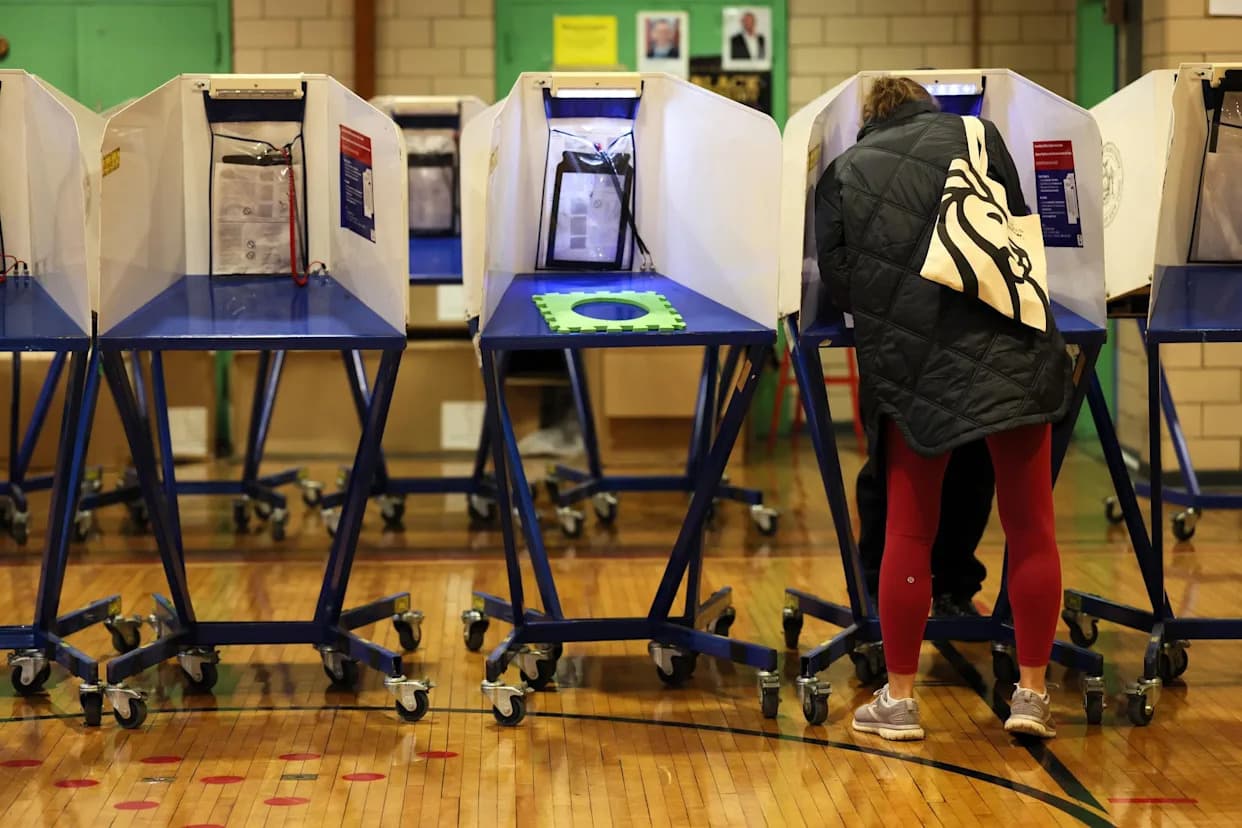
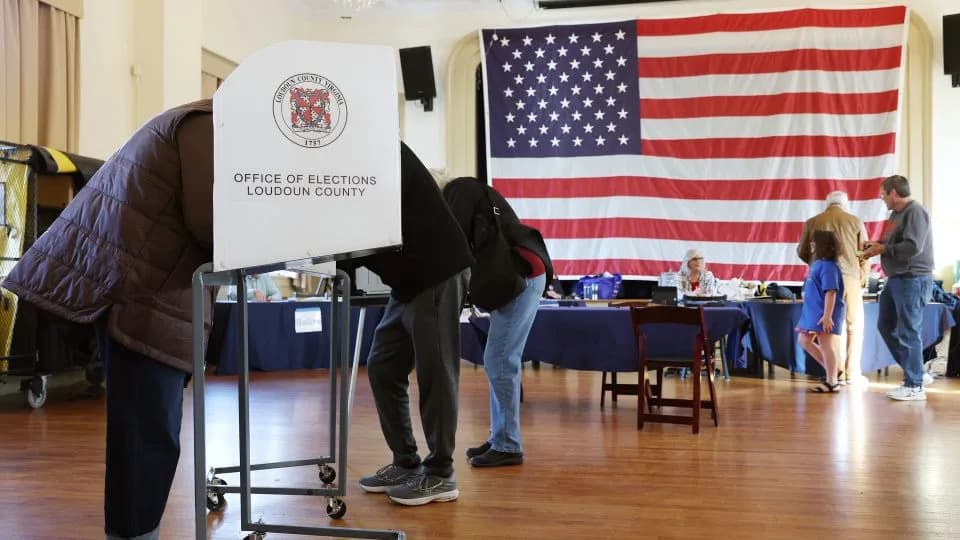
Critics warn that collecting full voter records and applying federal review without strict safeguards could risk privacy violations and wrongful purges of eligible voters. With some courts rejecting DOJ’s legal theory and several states declining to surrender nonpublic data, the dispute raises urgent questions about the proper balance between federal oversight and state election administration.
Reporting Note: The story reflects ongoing litigation and public statements from officials. Developments in court or new state responses could alter the legal and political landscape.
Help us improve.