Minneapolis has become a national flashpoint after the fatal shooting of ICE agent Renee Goodby and the deployment of roughly 3,000 federal agents to conduct immigration sweeps. Widespread video footage of aggressive stops and confrontations has spurred protests, civil-rights lawsuits and urgent appeals from local leaders to de-escalate. Legal, constitutional and political questions — including talk of invoking the Insurrection Act — have elevated the stakes and raised concerns that heavy-handed tactics could alienate voters.
Minneapolis Becomes a National Test of Trump’s Hardline Immigration Playbook
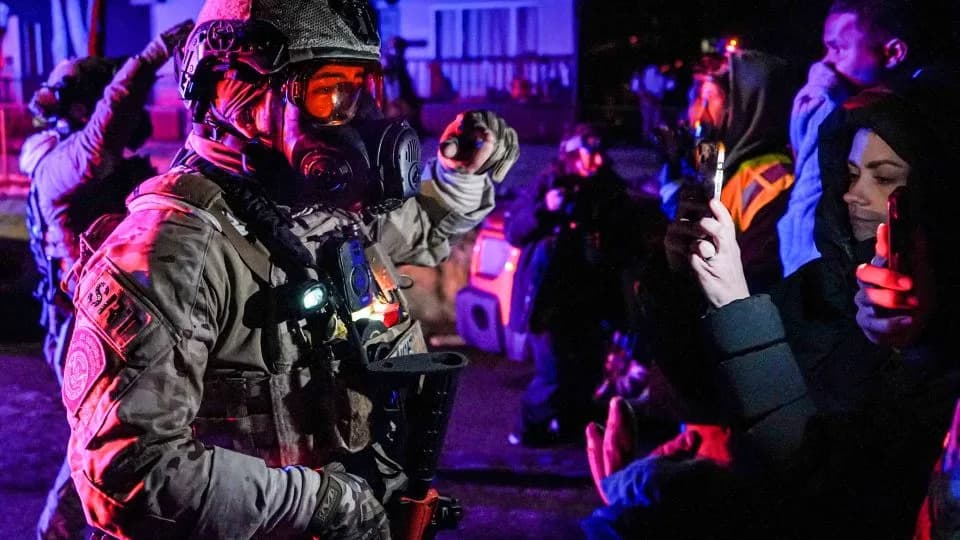
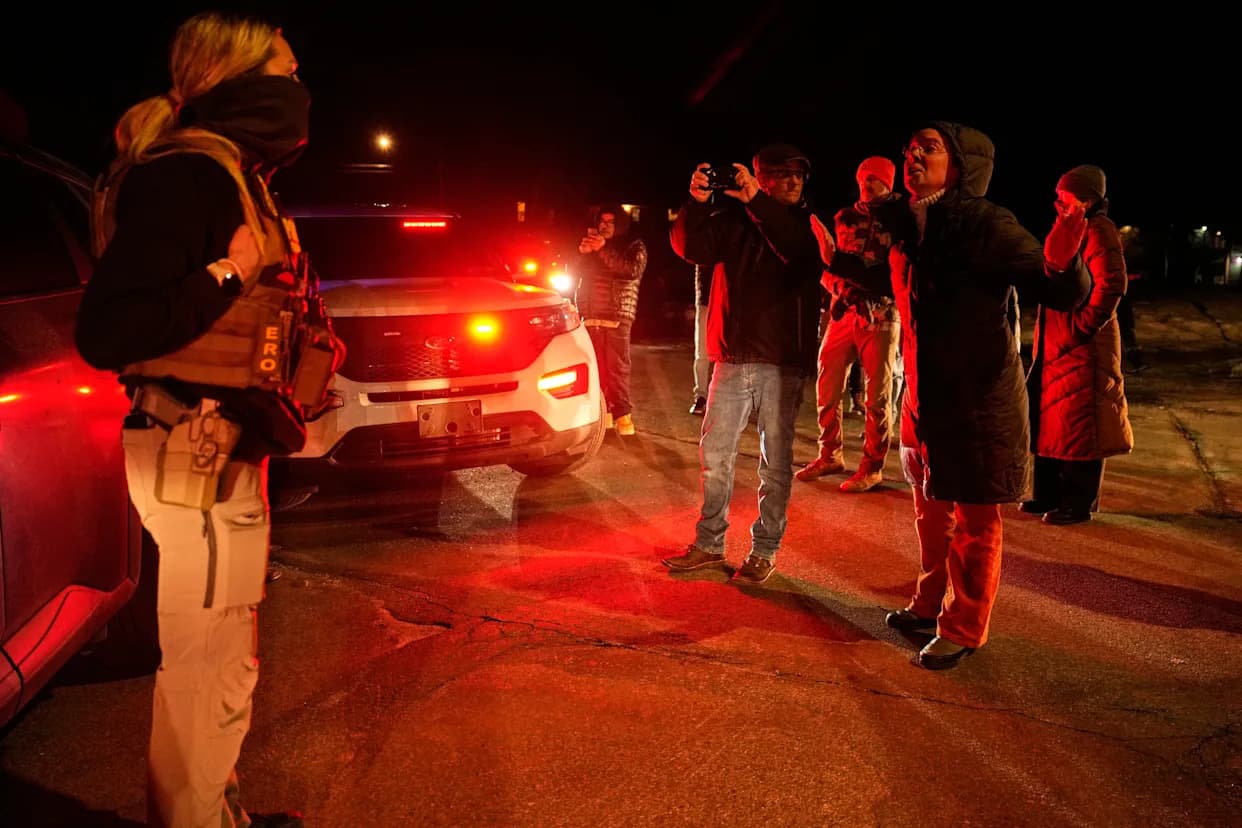
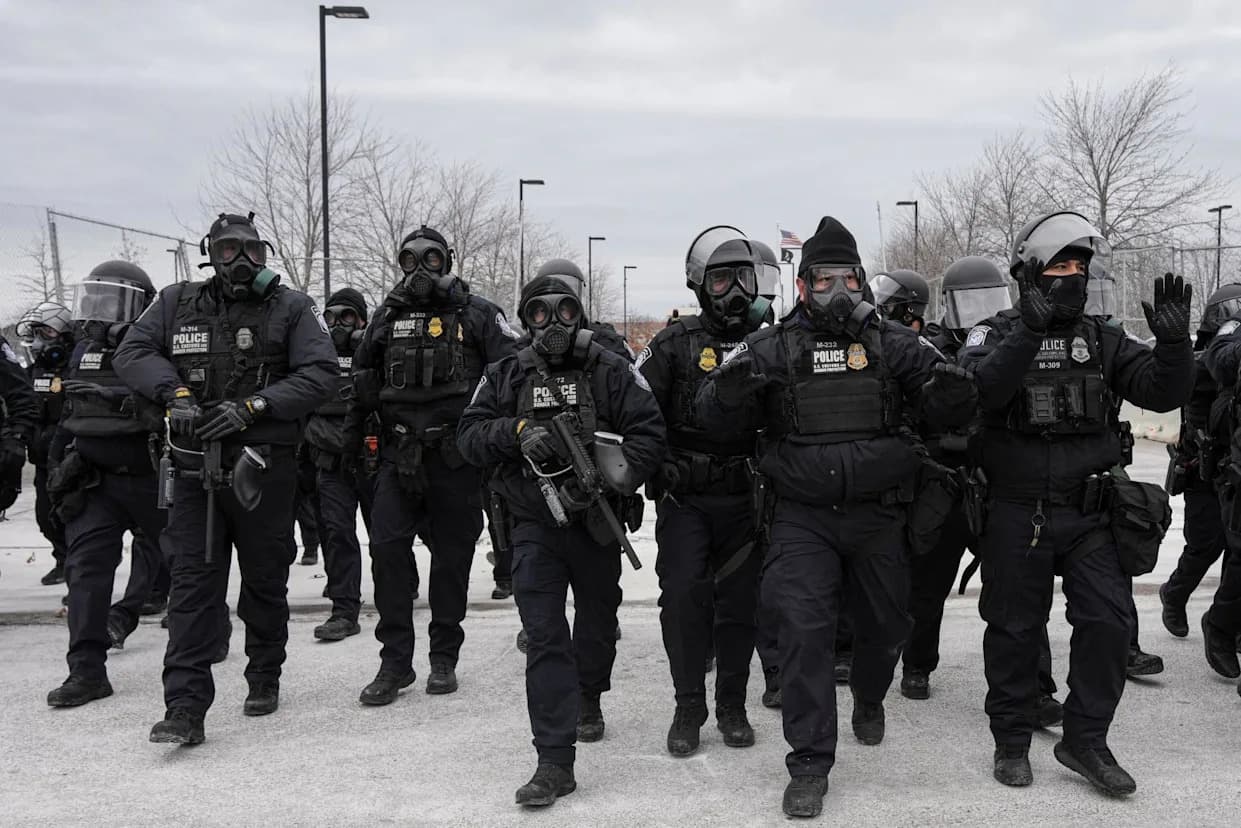
A member of law enforcement faces protesters in north Minneapolis on January 14, 2026. - Ryan Murphy/Reuters
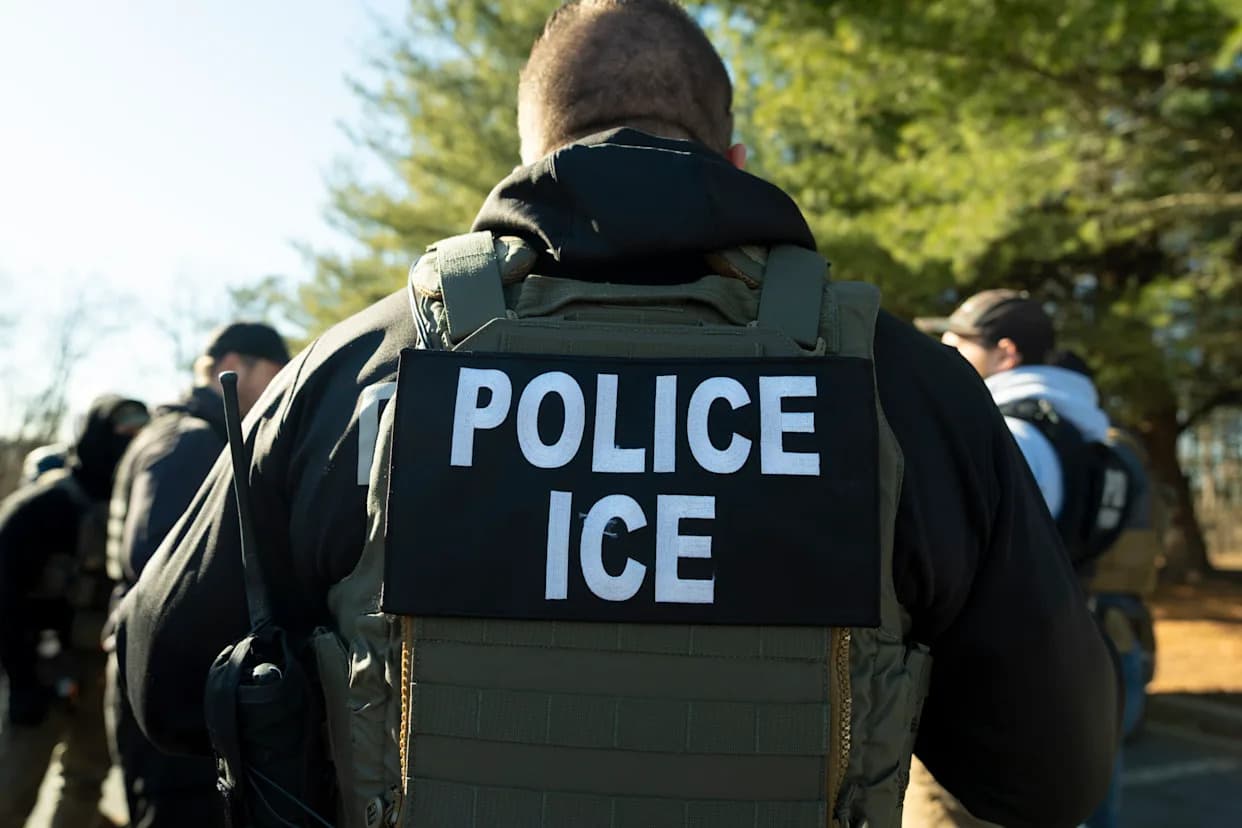
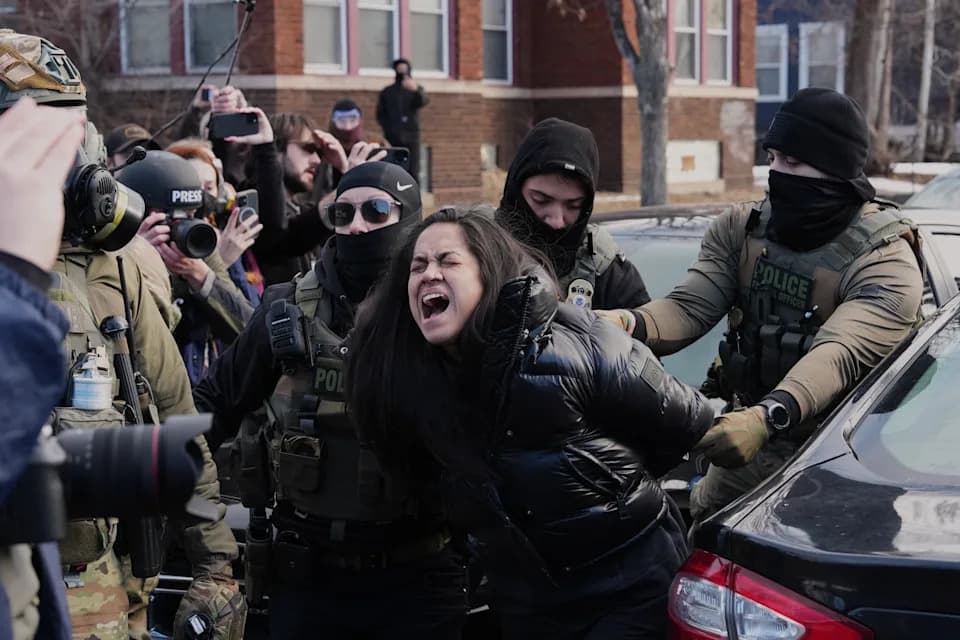
Minneapolis has become the focal point of a fierce national debate after the fatal shooting of ICE agent Renee Goodby and the deployment of hundreds of federal agents to carry out immigration sweeps. Scenes of masked, heavily armed officers confronting residents and protesters have circulated widely on social media, fueling protests, civil-rights lawsuits and urgent calls from local leaders for de-escalation.
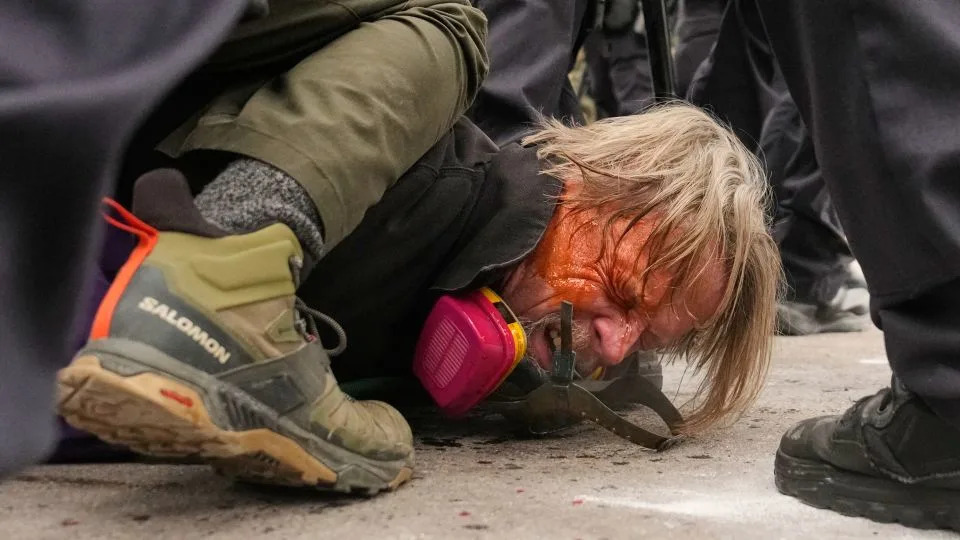
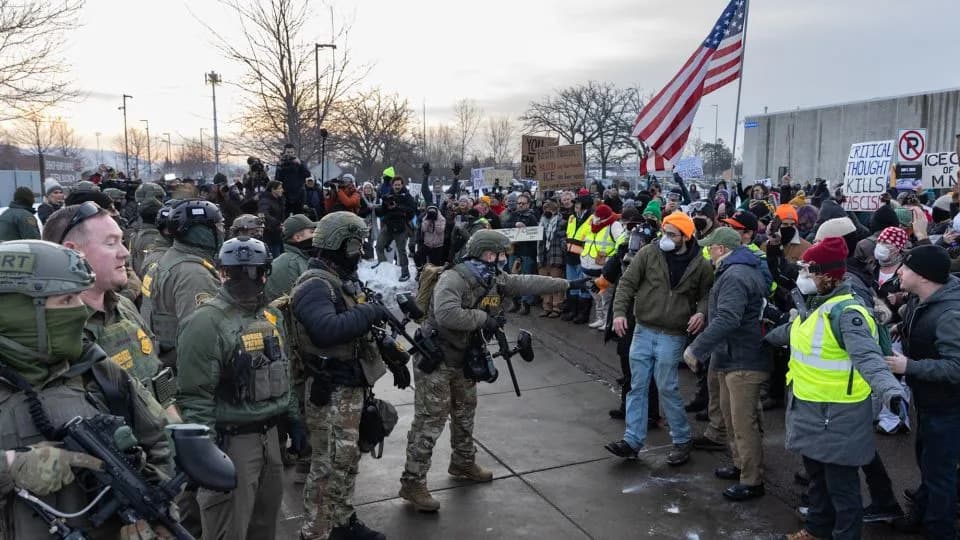
A man is pushed to the ground as federal immigration officers confront protesters outside Bishop Henry Whipple Federal Building in Minnesota, on January 15, 2026. - John Locher/AP
What Happened
Federal authorities say their surge — involving roughly 3,000 agents — aims to address what they call out-of-control immigration and to protect public safety. Critics, however, describe the operations as a heavy-handed display intended to inflame tensions and showcase a punitive approach to immigration enforcement far from the southern border.
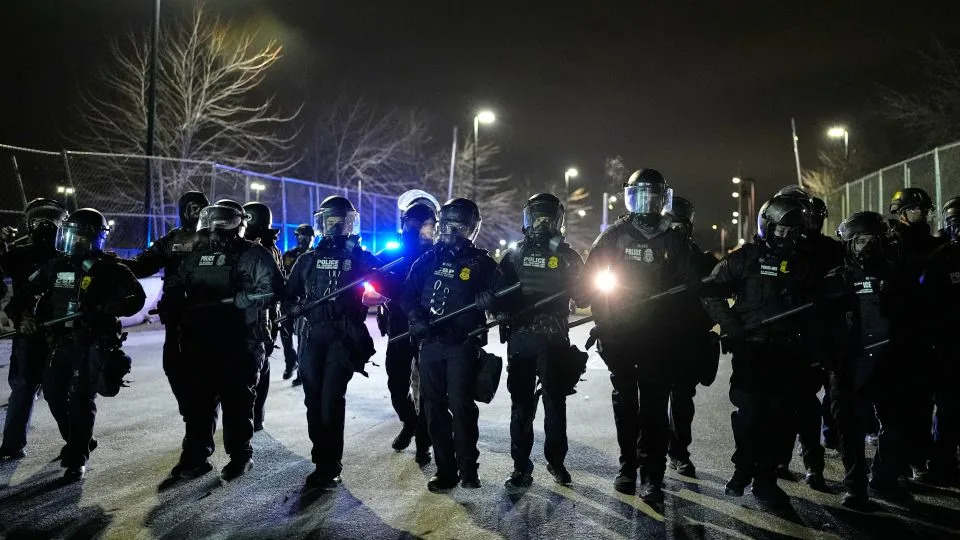
Federal immigration officers confront protesters outside Bishop Henry Whipple Federal Building in Minneapolis on January 15, 2026. - Yuki Iwamura/AP
Escalation And Public Reaction
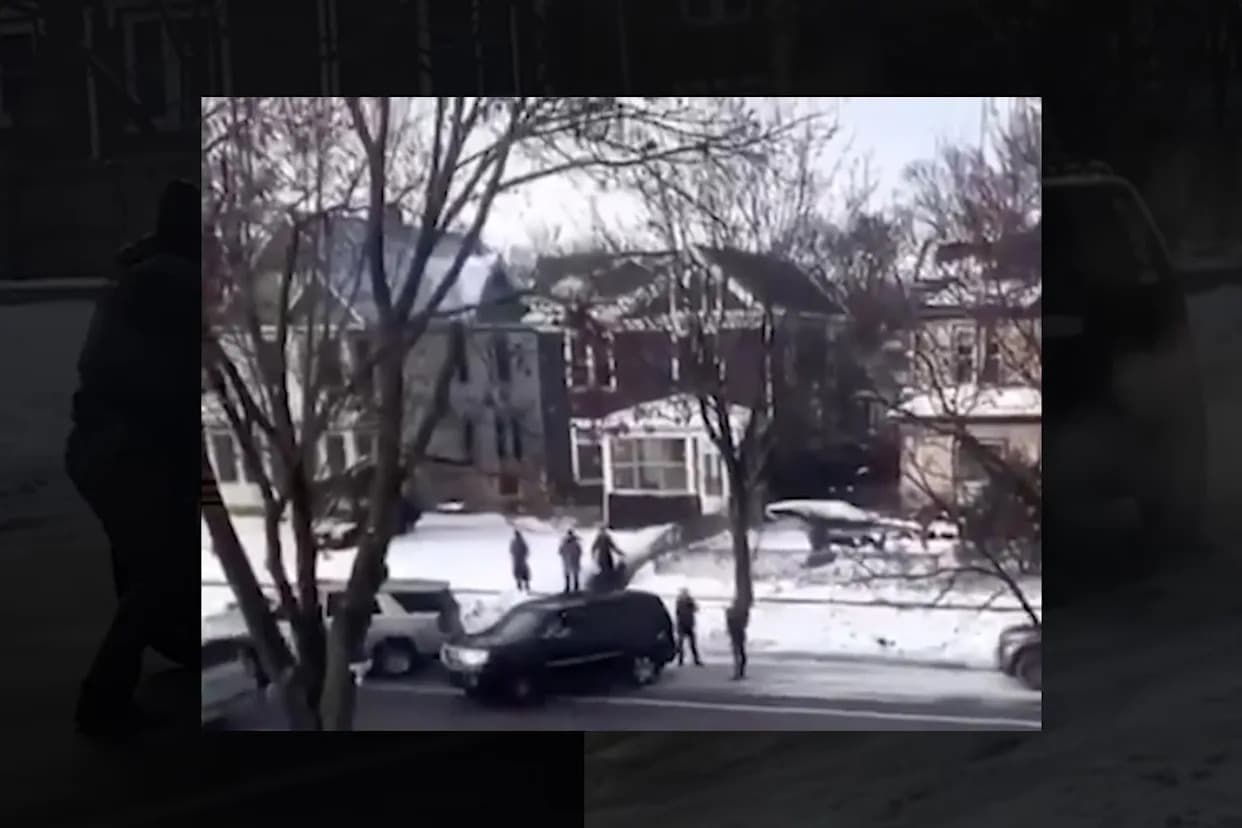
Video footage has shown confrontations in the streets, including one disturbing clip in which an agent appears to remove a disabled woman from her car while she was en route to a medical appointment. Other recordings show protesters shouting at officers and agents conducting forceful stops and detentions. These images have intensified scrutiny from civil-rights groups and prompted litigation.
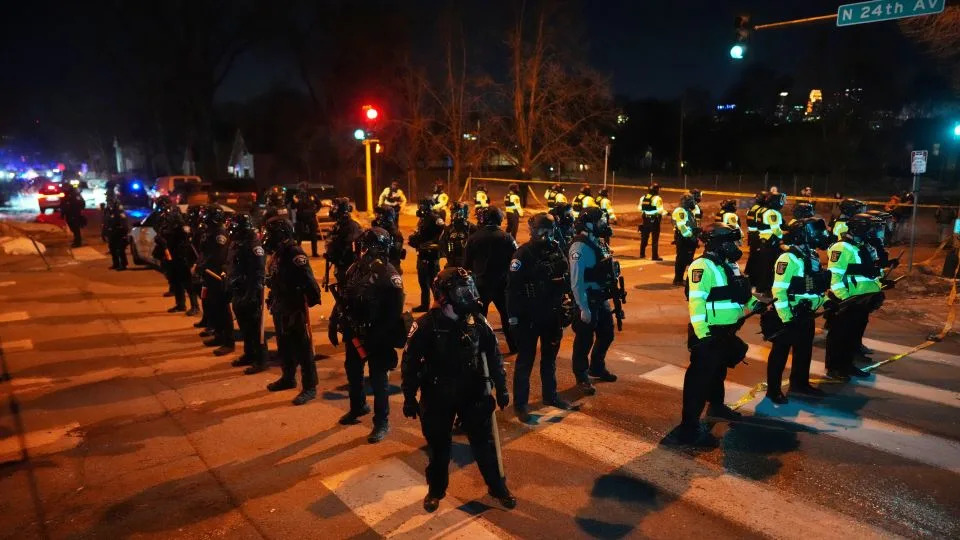
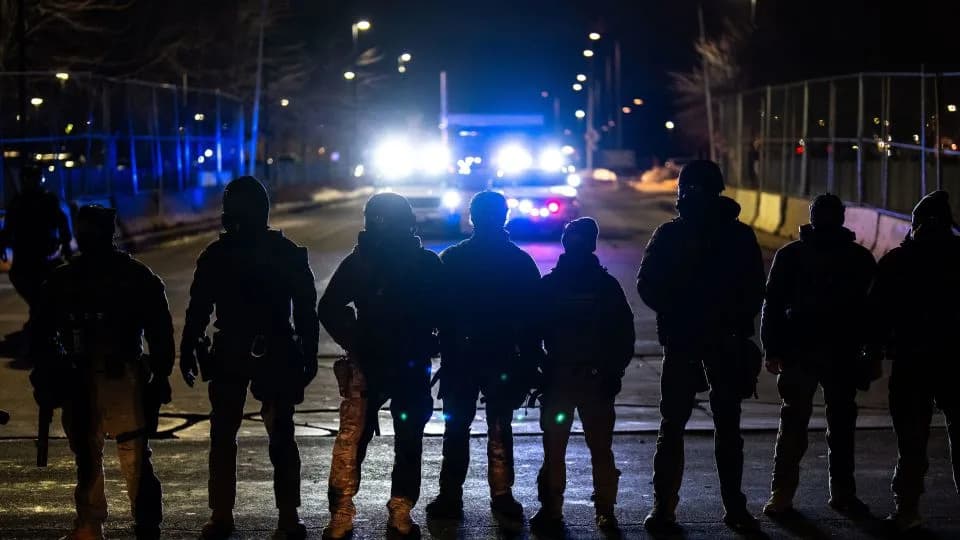
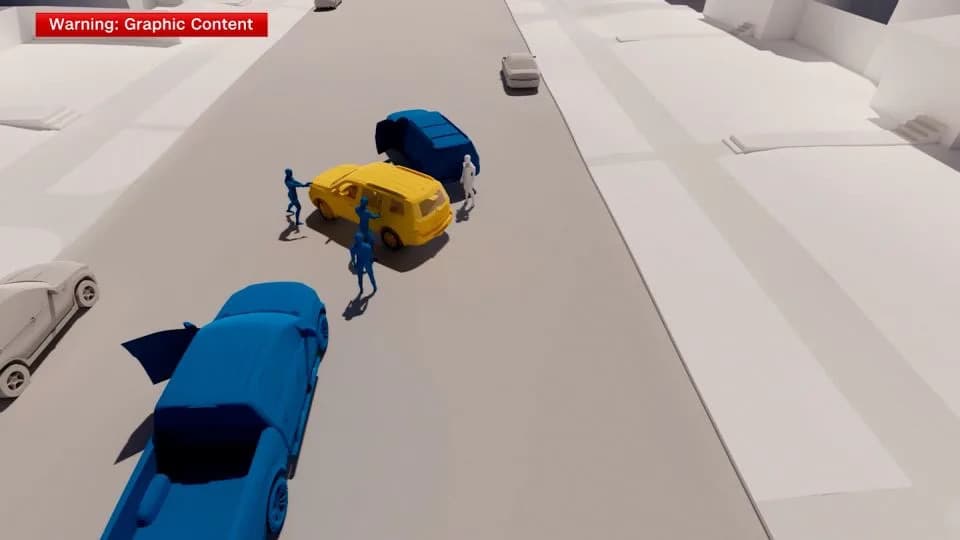
Law enforcement officers stand after a shooting in Minneapolis on January 14, 2026. - Adam Gray/AP
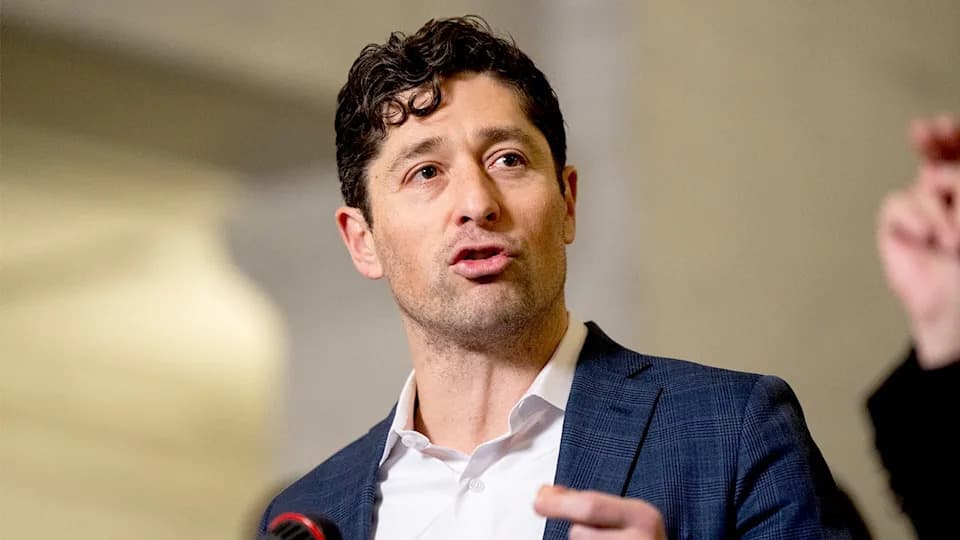
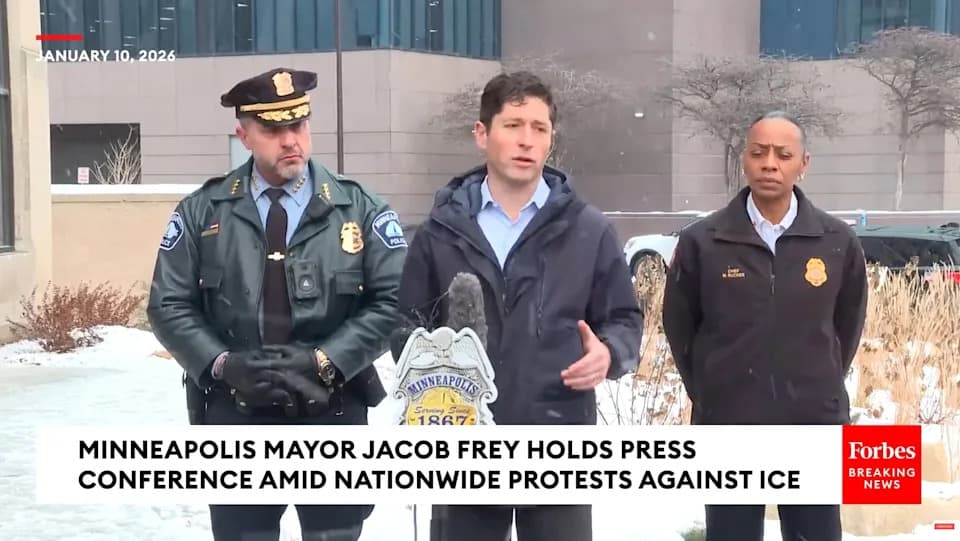
"We cannot fan the flames of chaos," Minnesota Governor Tim Walz urged, calling for cooler heads and peaceful protest. Minneapolis Mayor Jacob Frey echoed the plea, warning residents that everyday life was being constrained by the operations.
Legal And Political Stakes
The ACLU of Minnesota has filed lawsuits alleging unconstitutional conduct by federal agents, including incidents in which U.S. citizens were stopped and detained. One named case involves Mubashir Khalif Hussen, 20, who says agents pinned him to the ground during a lunch break and did not check documentation until after he was detained.
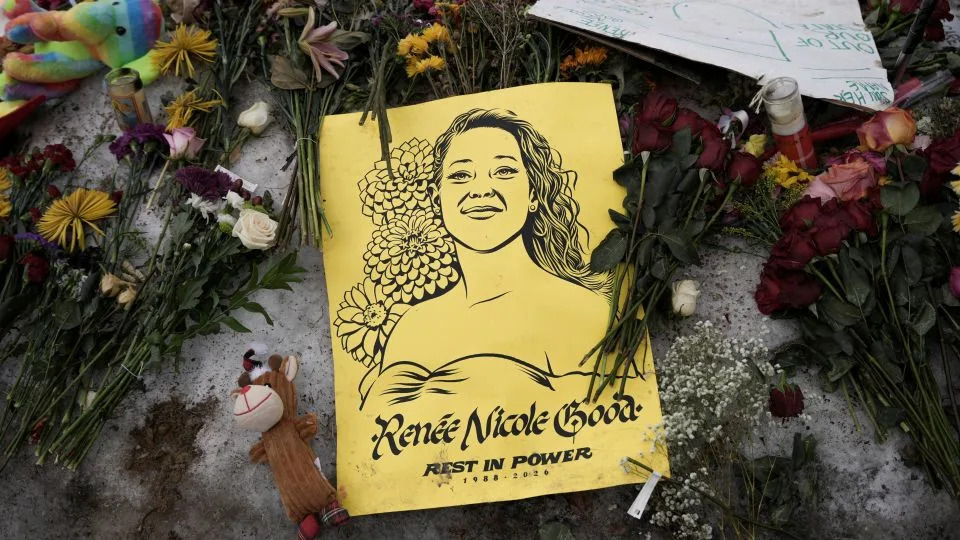
A painting depicting Renee Nicole Good lies on the ground at a makeshift memorial on January 15, 2026. - Tim Evans/Reuters
White House officials and Trump allies have defended the operations and have even floated invoking the Insurrection Act — a rarely used statute that could allow federal troops or the National Guard to be deployed without state consent. That proposal raises serious legal and constitutional questions and would almost certainly provoke intense political conflict.
Political Risks
Public-opinion data suggest potential political fallout. A recent CNN/SSRS poll referenced in coverage shows most Americans view the fatal shooting of Renee Goodby as an inappropriate use of force, and fewer than one-third believe ICE operations have made cities safer. That gap highlights a possible distinction in voters’ minds between border security and aggressive domestic enforcement.
Path Forward
Local leaders have urged federal authorities to scale back tactics and work with state and city officials to investigate Goodby’s death and to de-escalate tensions. Critics say more targeted, transparent enforcement and cooperative investigations could uphold immigration laws without provoking the level of civil unrest now captured on camera.
Note: Some official accounts of recent confrontations, including a DHS description of an agent-involved shooting, have not been independently verified by all news outlets.
Help us improve.