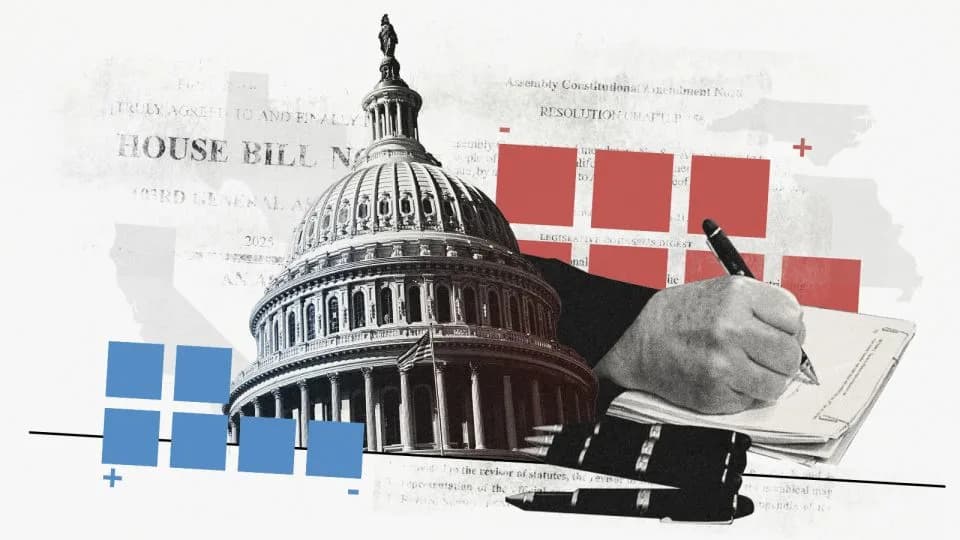
The DOJ has sought full voter files from at least 43 states — requesting sensitive data such as partial Social Security numbers, birth dates and addresses — and has sued 23 states plus D.C. to obtain them. The department says it is screening rolls for ineligible voters and has shared some data with DHS, which has run nearly 50 million registrations through its SAVE system; roughly 10,000 referrals (~0.02%) were generated. Experts and state officials warn that cross-checks with SAVE produce high error rates, that proposed DOJ agreements could pressure quick removals of flagged voters, and that the agency has not clearly met transparency or statutory-notification requirements under the Privacy Act.
Alarm Raised As DOJ Seeks Sensitive Voter Records From Millions — Legal Risks And Error Concerns
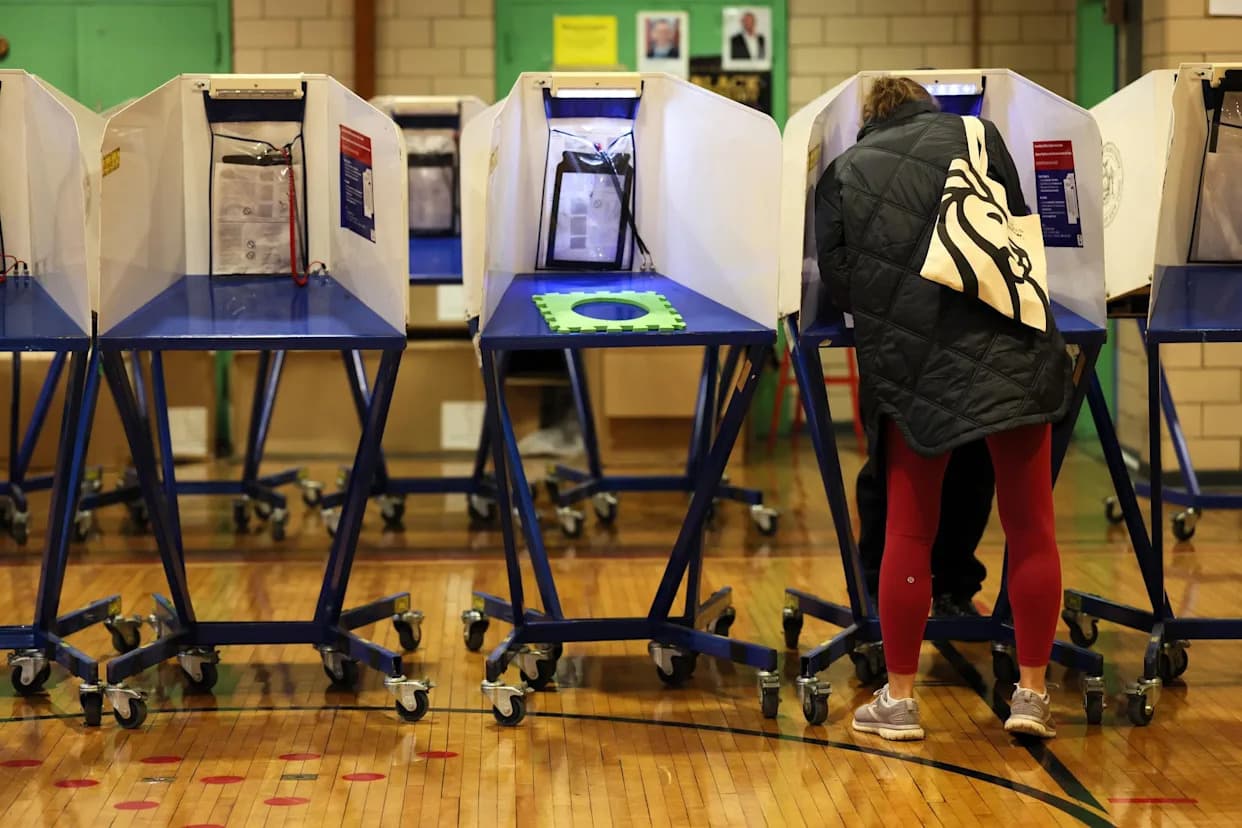
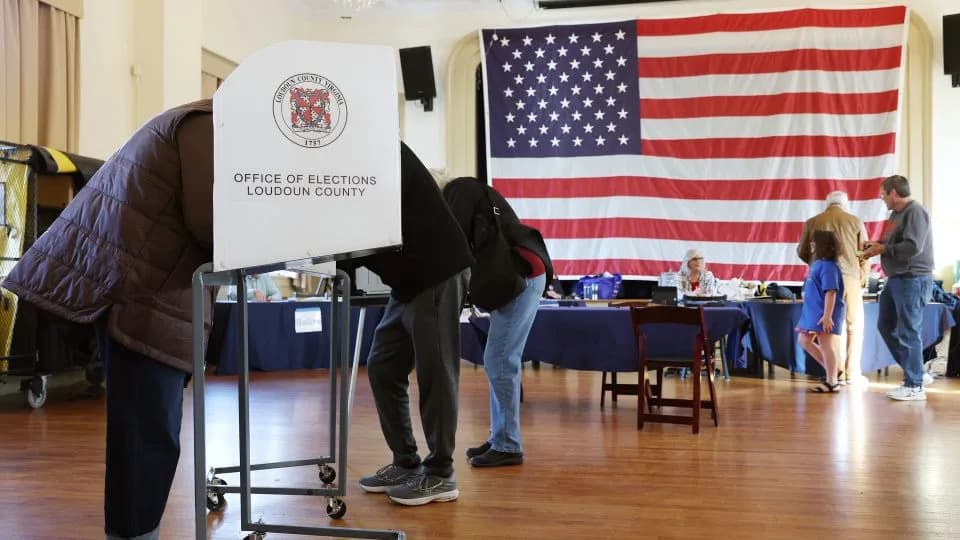
People vote on election day in Brooklyn, New York, on 4 November 2025.Photograph: Michael M Santiago/Getty Images
The Department of Justice has launched an unprecedented effort to obtain detailed voter records from at least 43 states — requesting sensitive fields such as the last four digits of Social Security numbers, full dates of birth and residential addresses. According to the Brennan Center for Justice, eight states have voluntarily provided data, while the DOJ has sued 23 states and the District of Columbia to compel production.
What the DOJ Is Requesting And Why It Matters
The department says it is seeking the records to verify compliance with federal laws intended to keep voter rolls accurate, including the National Voter Registration Act (NVRA). But critics say the effort relies on thin legal reasoning, risks privacy harms, and could be used to cast doubt on election outcomes.
Scope, Sharing And Technical Concerns
Reporting indicates the DOJ has shared some records with the Department of Homeland Security (DHS). DHS has expanded the functionality of its Systematic Alien Verification for Entitlements (SAVE) system so it can now query immigration status using the last four digits of a Social Security number. According to published reports, roughly 50 million voter registrations have been run through SAVE and about 10,000 cases were referred for further review — approximately 0.02% of those screened.
Experts warn that cross-referencing voter files with SAVE and other databases produces high error rates: imperfect matches, outdated records, and changes in status (for example, naturalization after registration) can produce false positives. As David Becker of the Center for Election Innovation & Research notes, confidently matching records across large datasets is difficult and prone to mistakes.
State Responses And Legal Pushback
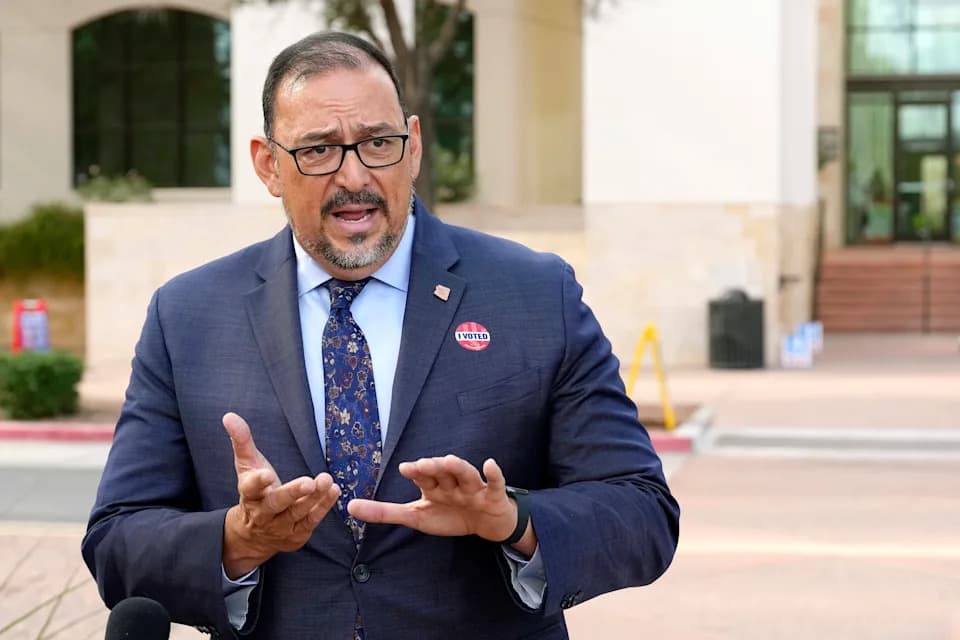
Many states refused to hand over unredacted data, citing state privacy laws; several provided redacted files only to be sued. Nearly every state sued by the DOJ is overseen by Democratic election officials. Minnesota Secretary of State Steve Simon said state and federal law protect voters from this kind of disclosure under these circumstances. Arizona Secretary of State Adrian Fontes publicly rebuked the department.
The DOJ has also offered voluntary agreements under which it would analyze a state’s voter file and notify officials of "issues" — and the draft terms reportedly would require states to remove any voters flagged by the DOJ within 45 days. Voting-rights groups and the Democratic National Committee argue such requirements would likely violate the NVRA and its procedural safeguards (including prohibitions on systematic removals shortly before federal elections).
Legal Basis And Transparency Questions
In filings, the DOJ has cited the NVRA and a 2002 law governing required registration data. More recently it has invoked provisions of the 1960 Civil Rights Act that require preservation and production of election materials. Critics say the department has not clearly articulated the statutory basis or demonstrated why bulk collection of state voter files is necessary.
"The federal government does not have the right to collect information on hundreds of millions of American voters unless Congress has authorized it," said David Becker. "This appears to be more focused on amplifying false narratives about problems with our election system."
Additionally, the 1974 Privacy Act obliges federal agencies to notify the public and explain usage when collecting data in bulk; experts say the DOJ has not followed that disclosure process here. Former DOJ officials and voting-rights scholars have filed briefs opposing the effort in some states.
Practical Results And Examples
States that have tested SAVE report small numbers of matches but also significant rates of false positives or cases requiring manual review. Examples include:
- Texas: Of more than 18.2 million registered voters, about 2,724 potential non-citizens were initially flagged; some later proved to be citizens.
- Alabama: Officials removed 186 people after SAVE checks; 25 of those had voted.
- Denton County, Texas: SAVE flagged 84 people; 14 later demonstrated U.S. citizenship.
Why This Matters
Advocates warn that if the federal government assumes a policing role of state voter rolls without clear statutory authority or reliable methods, it could undermine voter privacy, create administrative errors that remove eligible voters, and erode public confidence in elections. The DOJ maintains its mandate to enforce federal voting rights and says cleaning rolls is essential to election integrity; opponents say the approach raises serious legal and procedural concerns.
During the first Trump administration, a similar commission seeking sensitive voter data from all 50 states met swift, bipartisan resistance and ultimately dissolved amid controversy — a reminder of the political and legal sensitivities surrounding federal requests for detailed voter information.
Help us improve.