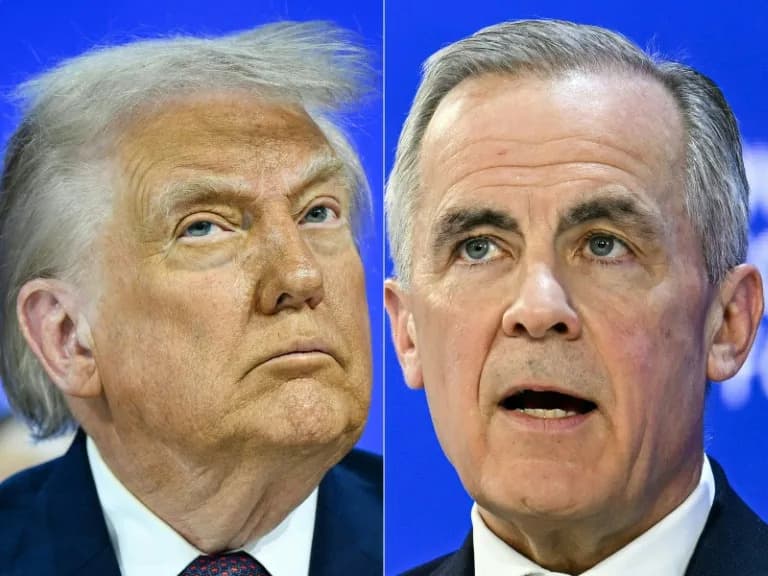
Canadian Prime Minister Mark Carney said he expects the U.S. administration to respect Canadian sovereignty after reports the U.S. State Department met with Alberta separatists. The Financial Times reported three meetings between State officials and the Alberta Prosperity Project, which is seeking a referendum and a reported $500 billion credit facility. Alberta Premier Danielle Smith said she wants to stay in Canada but polls show about 30% are frustrated; British Columbia's premier called seeking foreign help "treason." U.S. Treasury Secretary Scott Bessent's remarks appeared to express sympathy for separatist sentiment, intensifying scrutiny of U.S.-Canada interactions ahead of an upcoming trade pact review.
Carney Says He Expects U.S. To Respect Canadian Sovereignty After Reports Of Meetings With Alberta Separatists
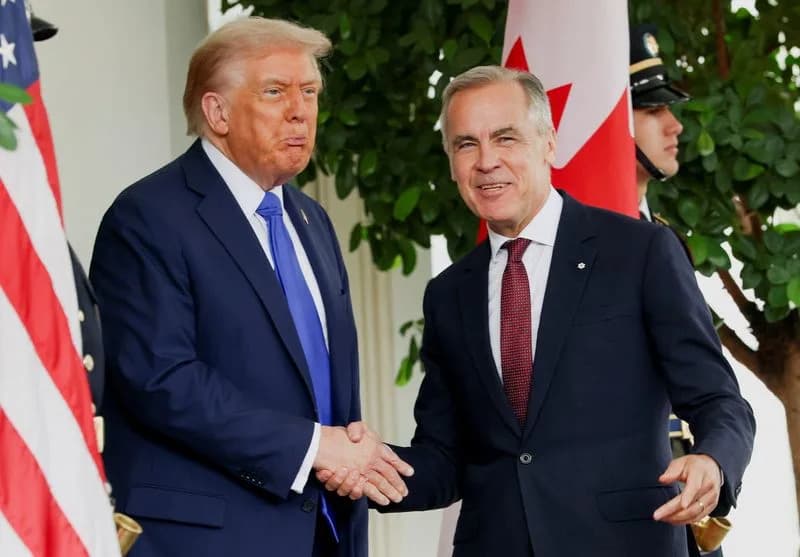
U.S. President Donald Trump welcomes Canada's Prime Minister Mark Carney at the White House in Washington, D.C., U.S., October 7, 2025. REUTERS/Evelyn Hockstein
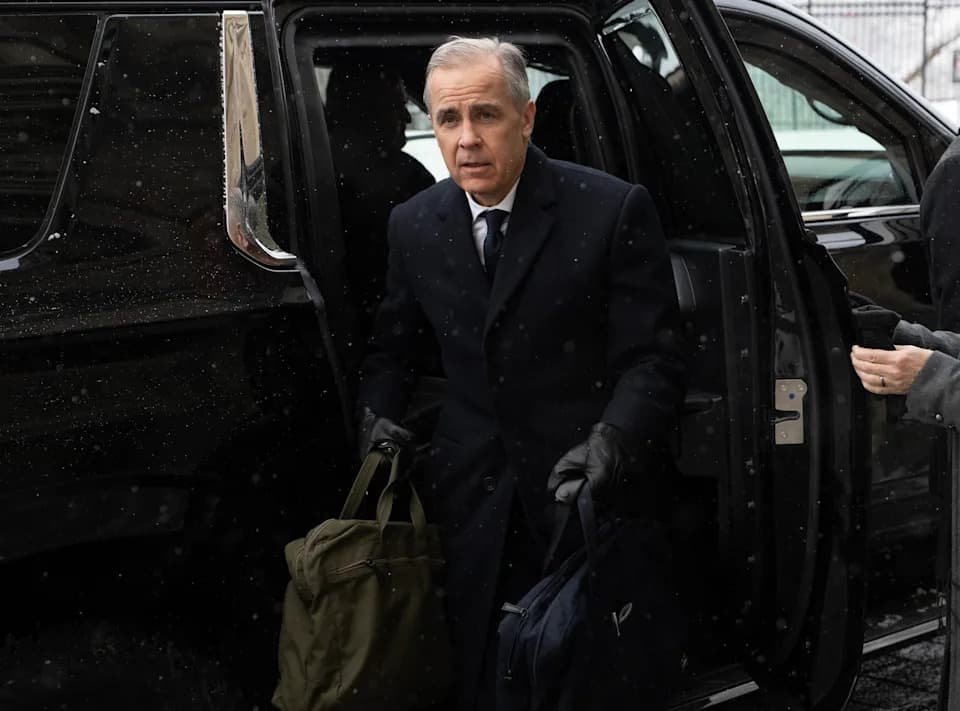
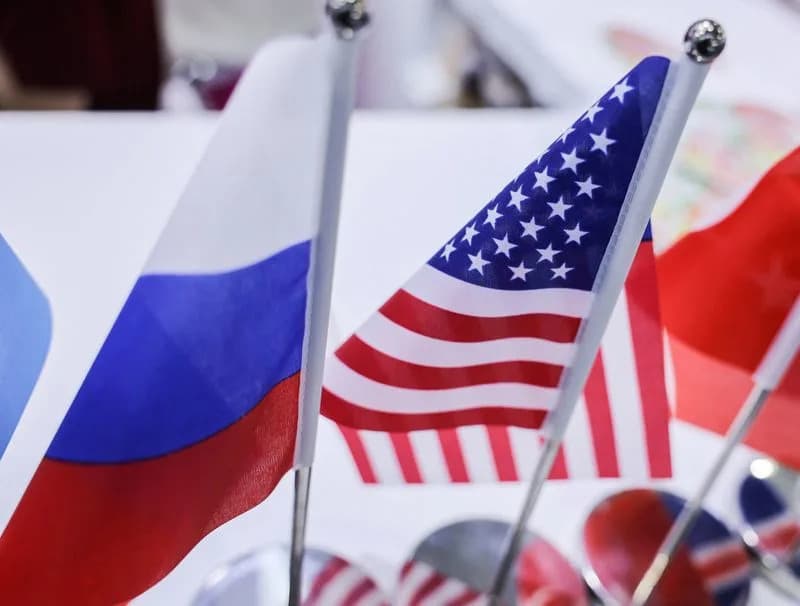
OTTAWA, Jan 29 — Canadian Prime Minister Mark Carney said on Thursday he expects the U.S. administration to respect Canadian sovereignty after reports that U.S. officials met with separatist figures pushing independence for the western province of Alberta.
The Financial Times reported that State Department representatives held three meetings with the Alberta Prosperity Project (APP), an organization campaigning for a referendum on whether Alberta — a major energy-producing province — should secede from Canada.
Carney’s Response
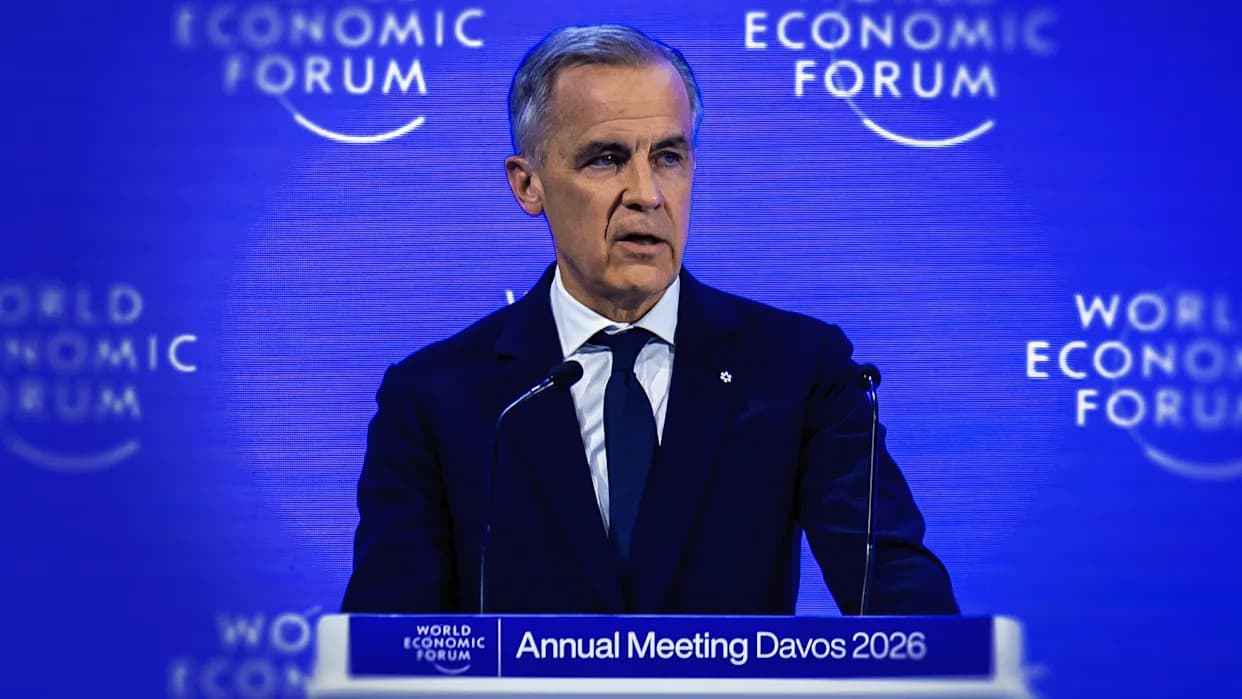
"We expect the U.S. administration to respect Canadian sovereignty. I'm always clear in my conversations with President Trump to that effect," Carney told reporters at a press conference, adding that President Trump had not raised Alberta separatism with him.
According to the Financial Times, the APP — which argues federal policies are harming Alberta's economy — is seeking another meeting next month with both State and Treasury Department officials to request a reported $500 billion credit facility.
Domestic Politics And Pipeline Dispute
Alberta Premier Danielle Smith said she intends for the province to remain part of Canada but noted polls indicate roughly 30% of Albertans are frustrated with what they perceive as excessive federal interference. Alberta, which is landlocked, is pressing for an additional oil pipeline to the Pacific Coast. Any such pipeline would need to cross neighbouring British Columbia, whose Premier David Eby has rejected the proposal.
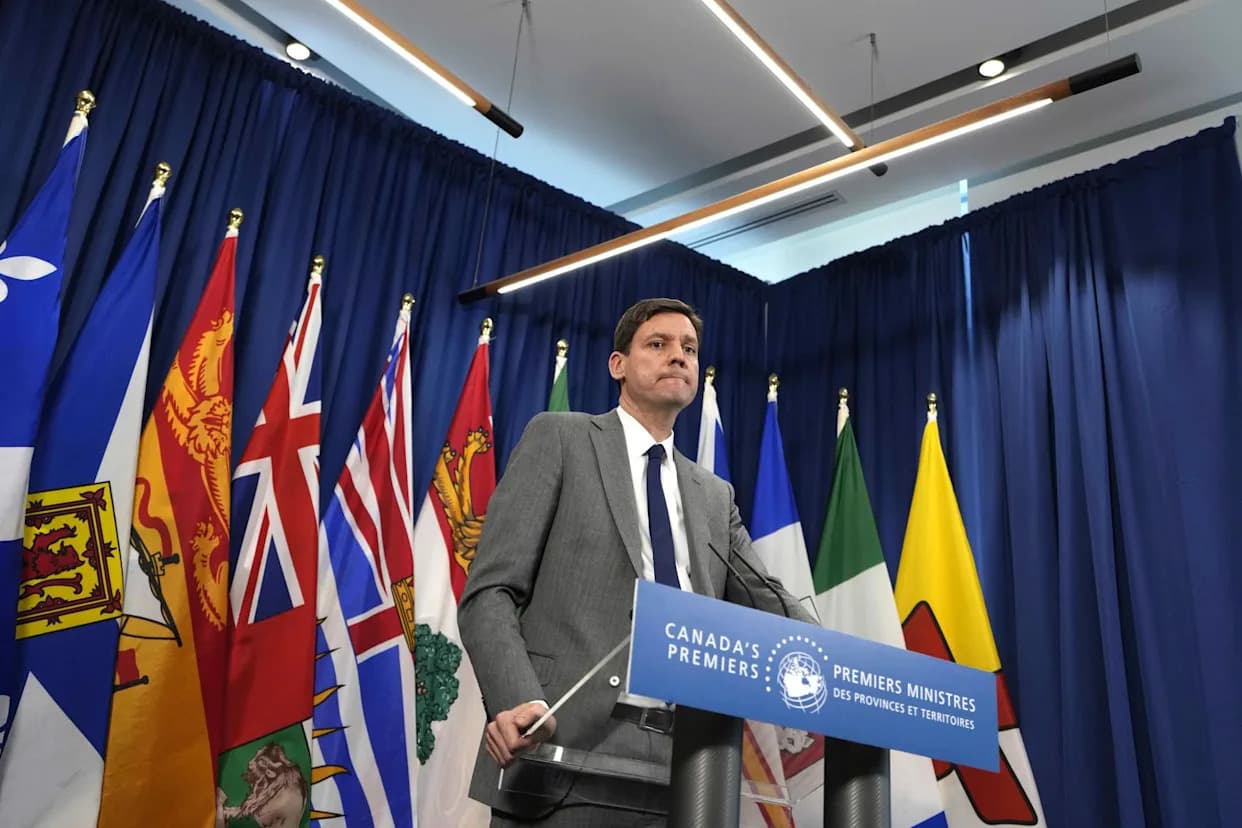
Eby, whose relationship with Smith is often tense, told reporters: "To go to a foreign country and to ask for assistance in breaking up Canada ... is treason."
U.S. Reaction
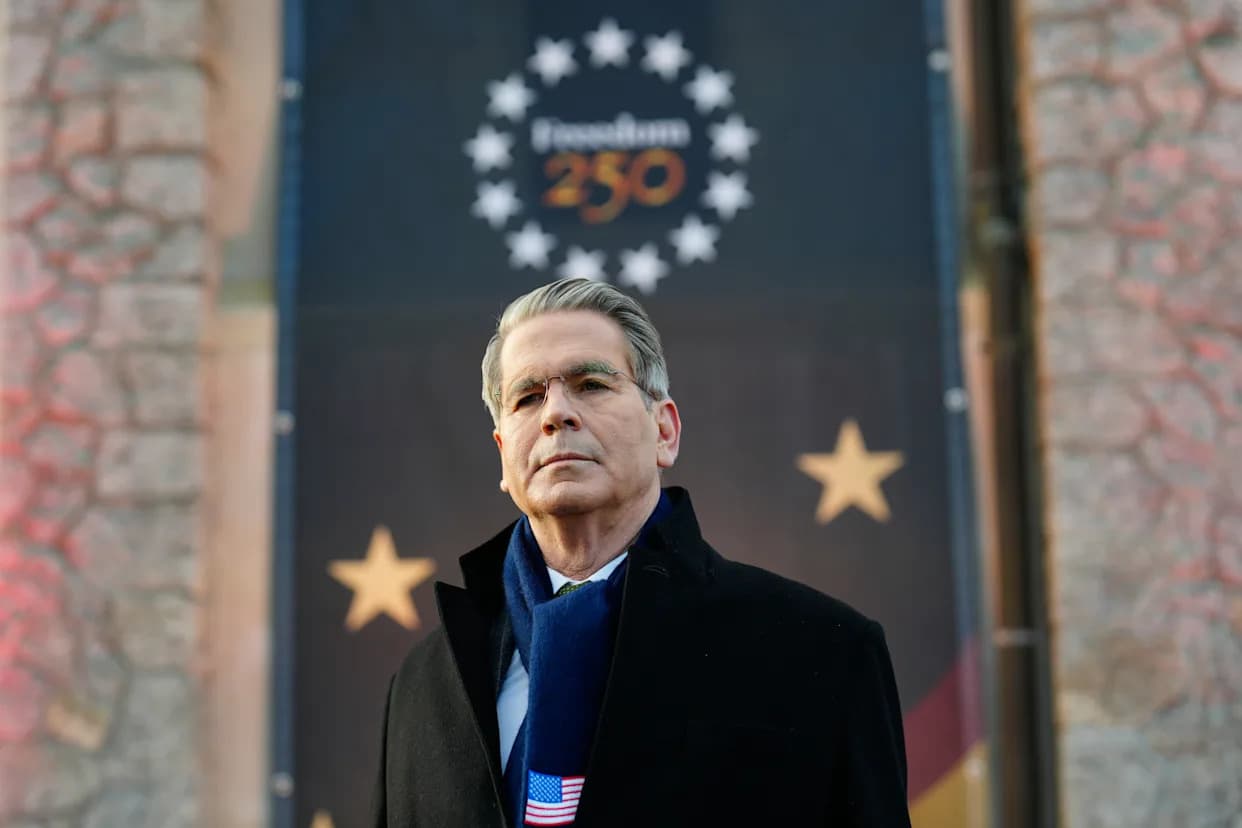
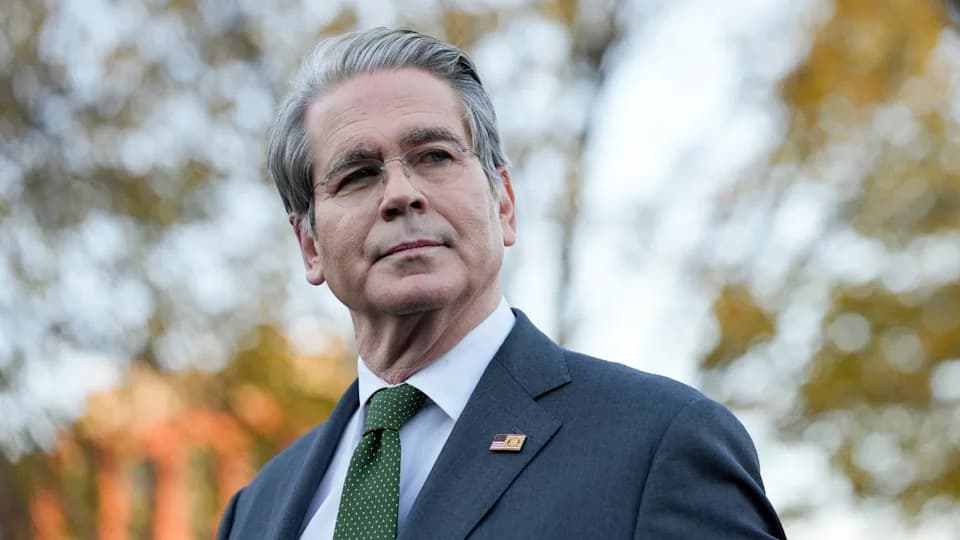
In comments reported last week, U.S. Treasury Secretary Scott Bessent said on a radio program: "I think we should let them come down into the U.S." When asked about the prospect of an Alberta referendum, he added: "People want sovereignty. They want what the U.S. has got." Those remarks prompted further scrutiny of how U.S. officials engage with Canadian political groups.
Broader Context
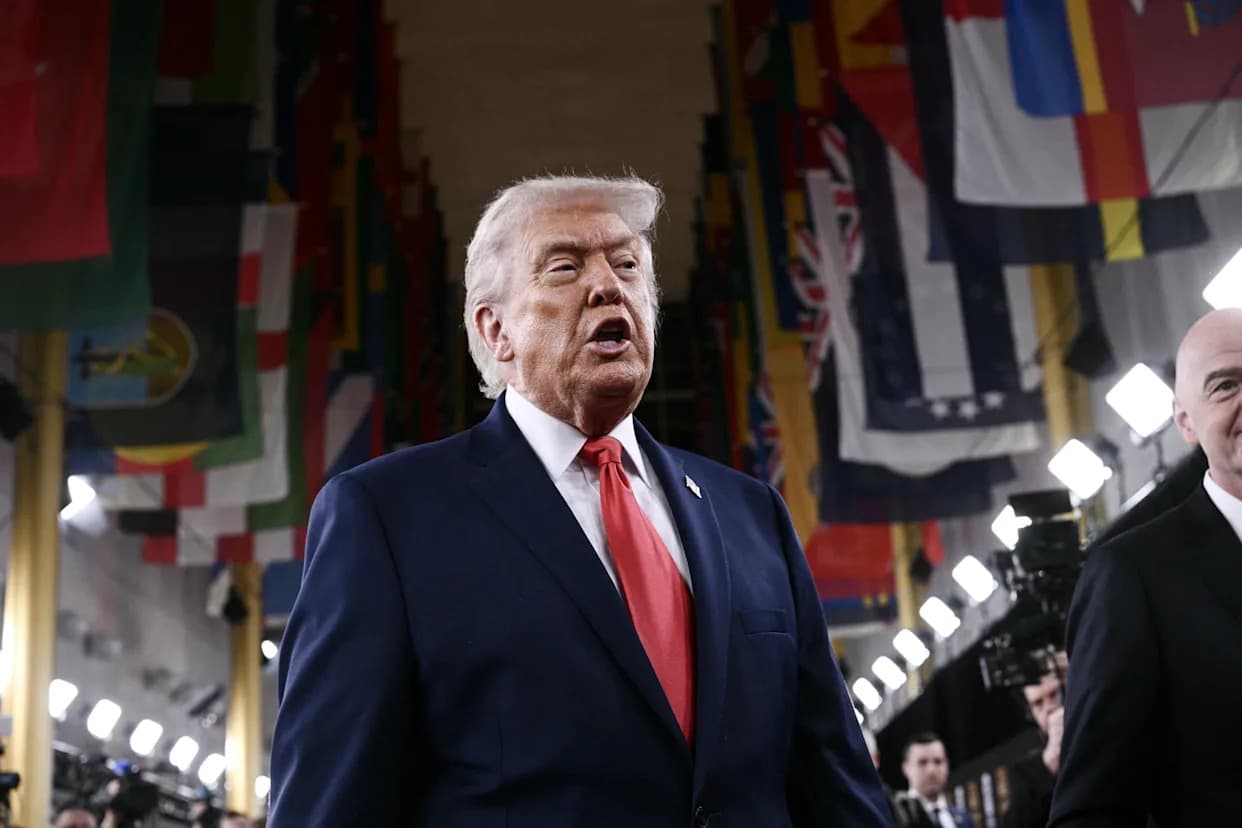
Carney and President Trump have publicly exchanged sharp words in recent weeks. Carney described Trump as a skilled negotiator and suggested some of the president's comments could be linked to an upcoming review of the U.S.-Mexico-Canada trade agreement scheduled to begin later this year.
(Reporting by David Ljunggren; Editing by Chris Reese and Diane Craft)
Help us improve.