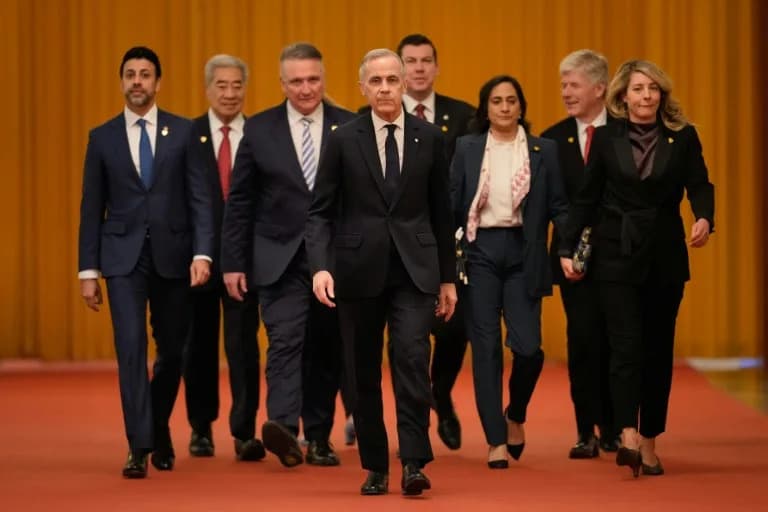
At Davos, Mark Carney warned that the U.S.-led post‑World War II order is facing a decisive rupture and urged middle powers to diversify partnerships and act together. His remarks contrasted with protectionist and transactional signals from parts of the U.S. government and drew a sharp public rebuke from President Trump. Carney invoked Václav Havel’s call for responsibility to argue that Europe and other allies must assume greater security duties, or risk negotiating from weakness in a fractured international system.
The Old Order Is Over: Mark Carney’s Davos Wake-Up Call to Middle Powers
The West's Already-Messy Divorce
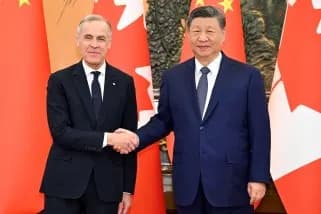
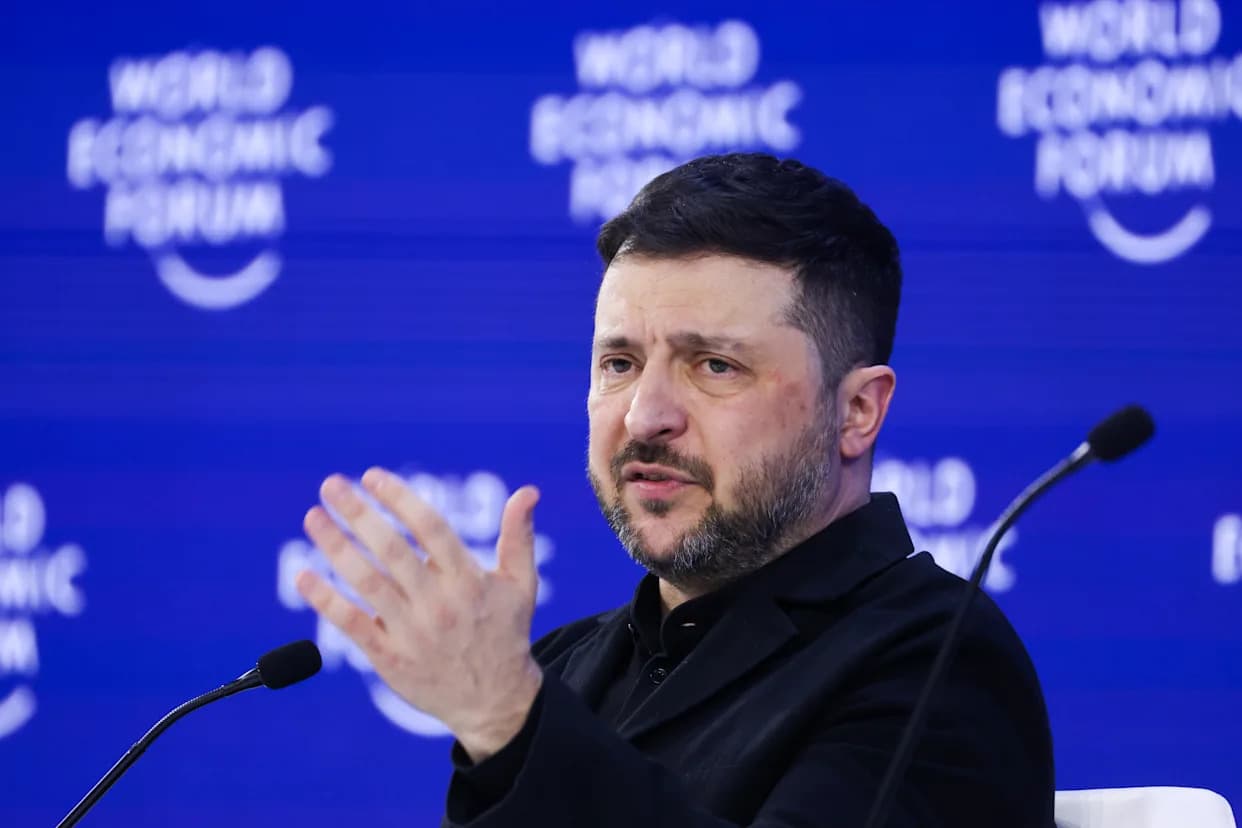
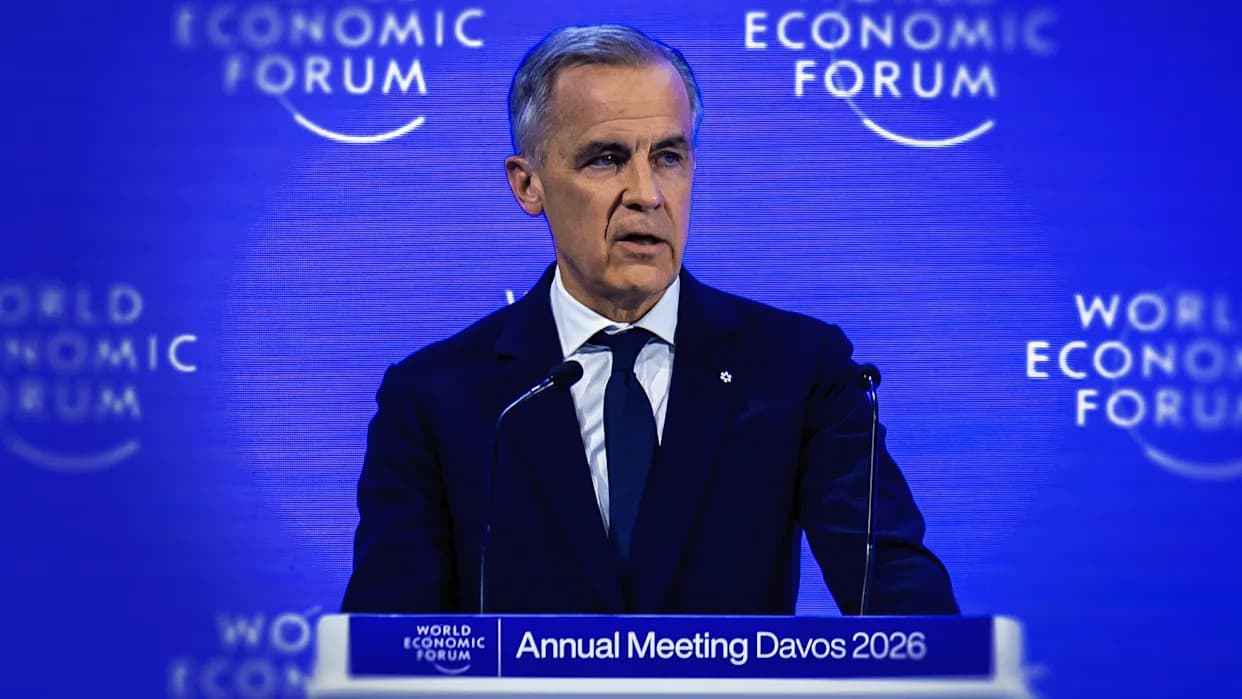
Mark Carney, the former governor of the Bank of England and a prominent Canadian public figure, delivered a blunt address at Davos that stood out for its stark diagnosis: the post–World War II, U.S.-led international order is experiencing a “rupture, not a transition.” With a subdued tone that underscored urgency rather than nostalgia, Carney argued that policymakers must accept this break and plan accordingly.
“The old order is not coming back. We shouldn't mourn it. Nostalgia is not a strategy.”
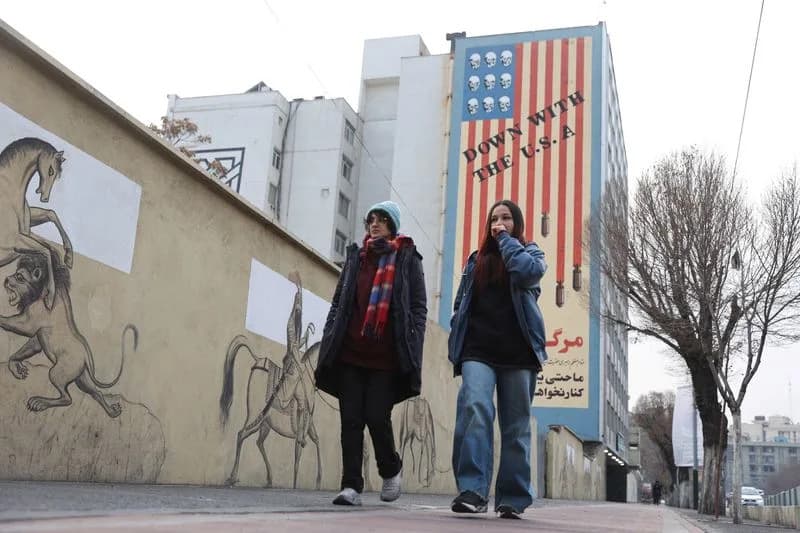
Carney’s remarks were read as a rebuke to the transactional, unpredictable style of the U.S. administration, while the American delegation at the forum signaled its own frustration with globalization and multilateral trade rules. A social-media post from a U.S. government account framed longstanding trade liberalization as having "left American workers behind," a line that fed the broader sense of geopolitical dislocation on display at Davos.
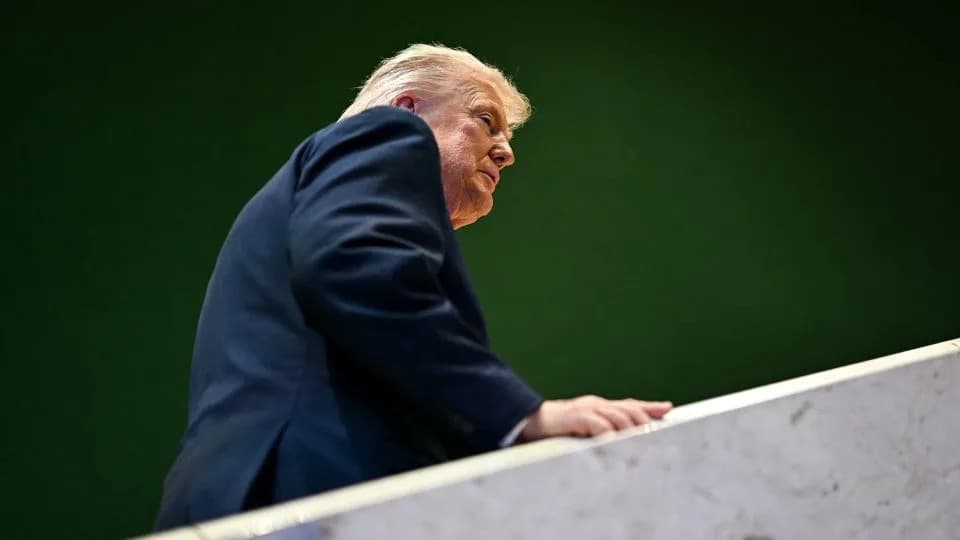
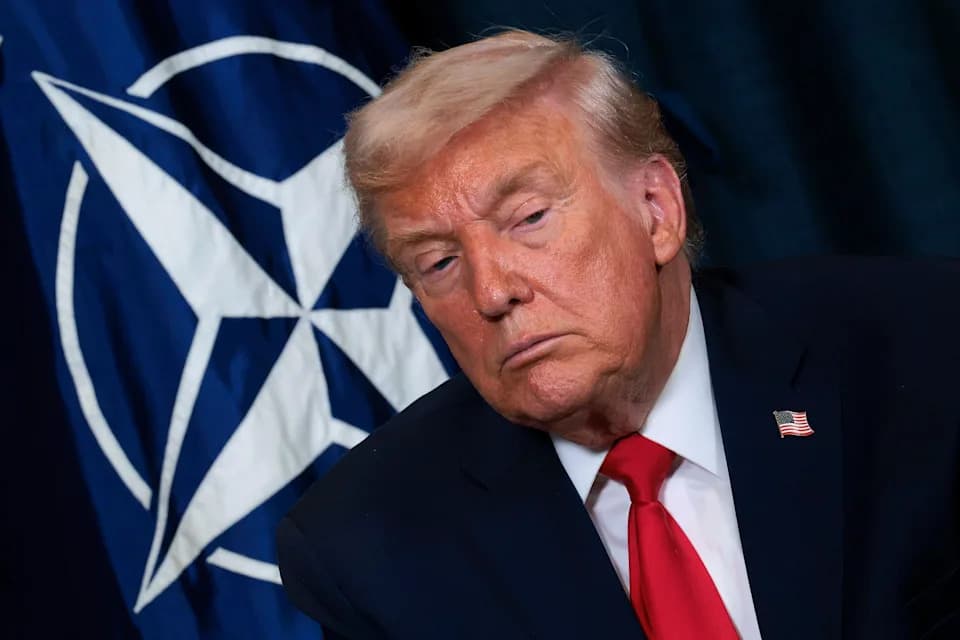
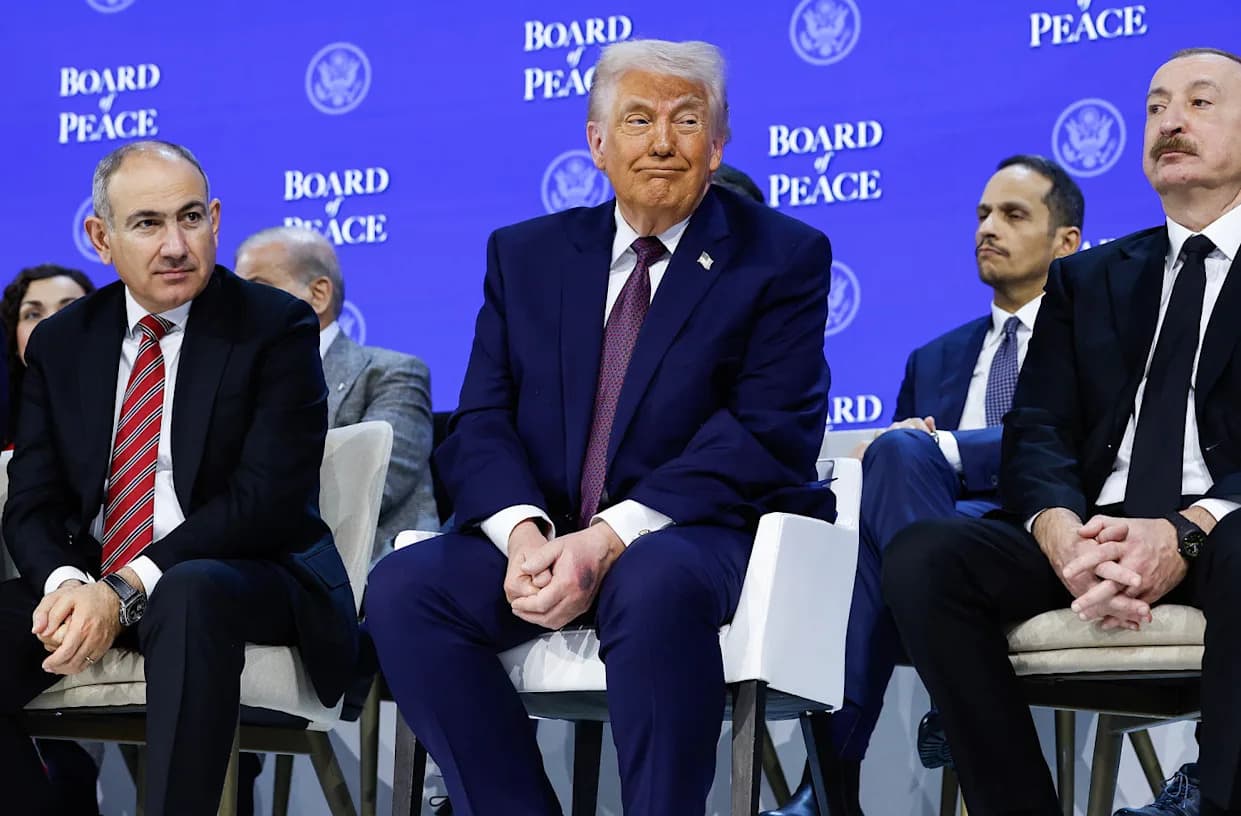
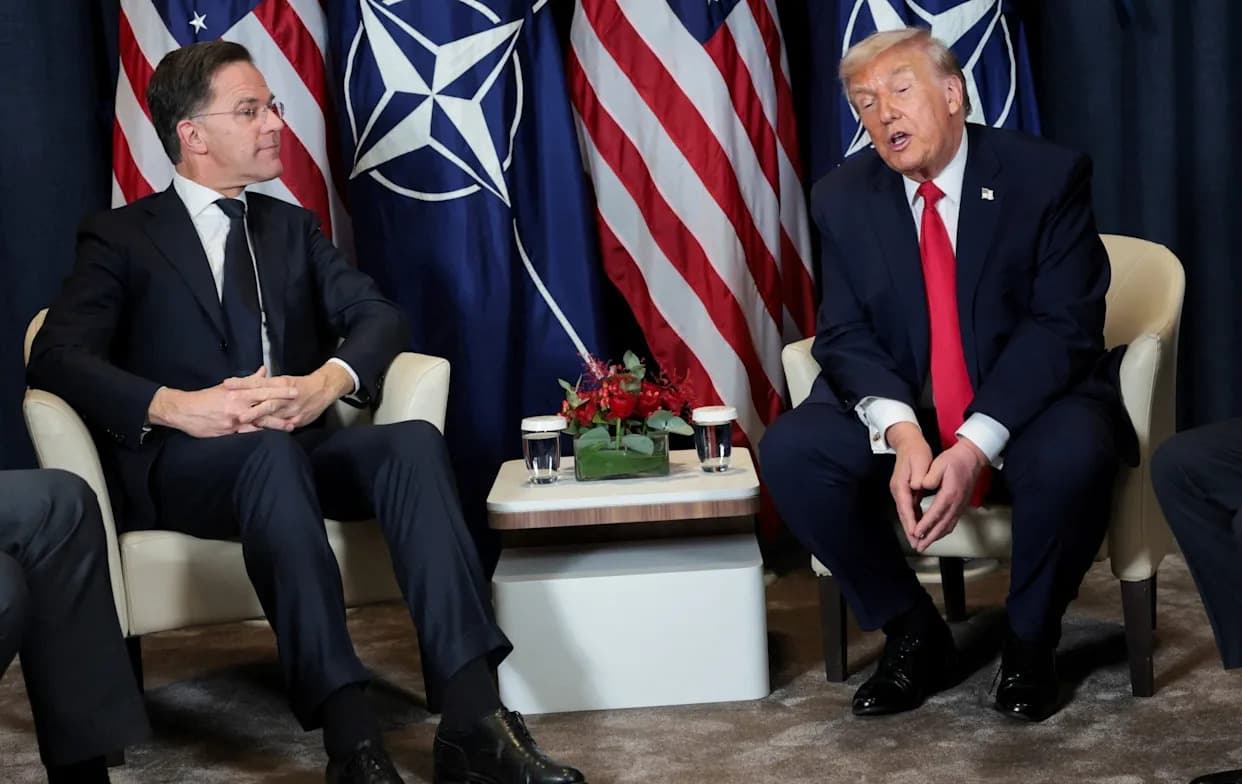
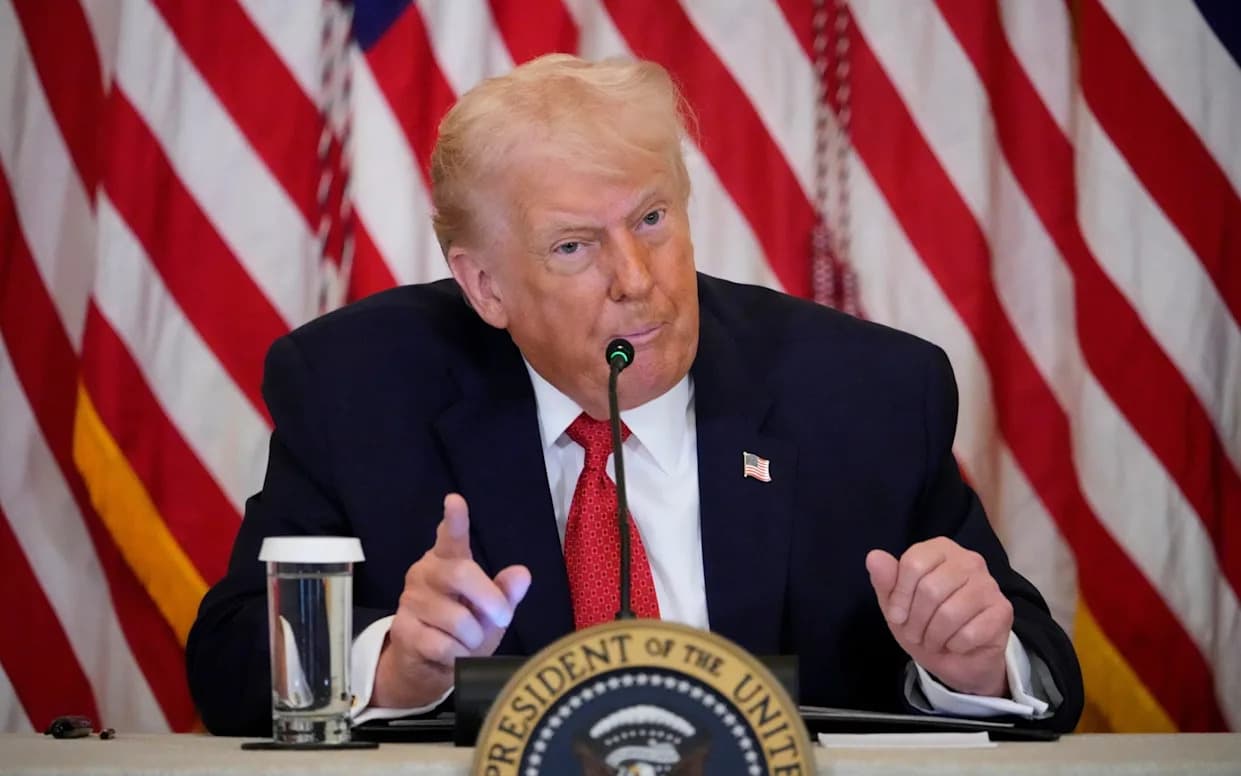
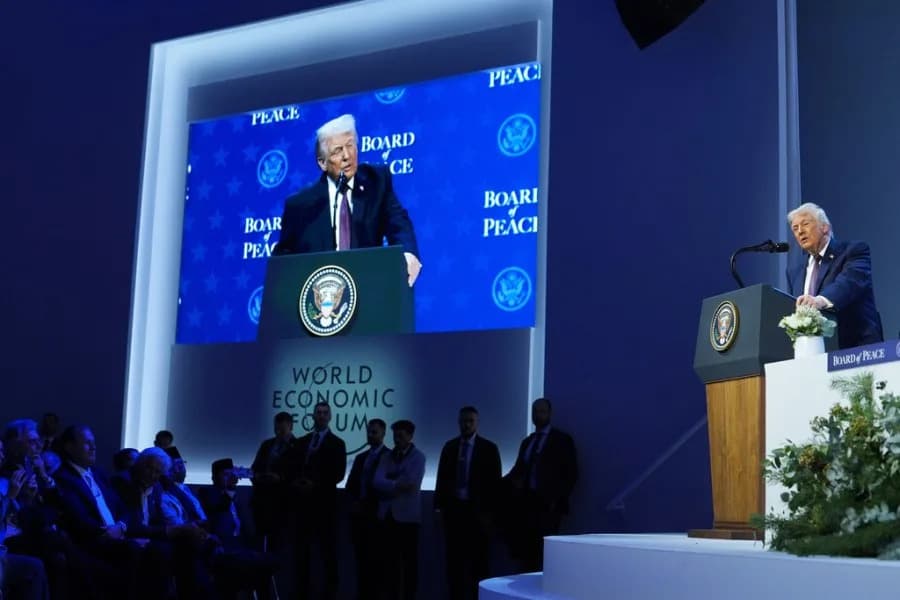
Then came a public rebuke from President Donald Trump, who in a meandering exchange directly chastised Carney:
“Canada gets a lot of freebies from us, by the way. They should be grateful also, but they're not…Canada lives because of the United States. Remember that Mark, the next time you make your statements.”The exchange underscored how personal rhetoric and unilateral pressure complicate efforts to remake international relationships sensibly.
What Carney Proposes
Carney urged middle powers—countries that have historically relied on a U.S. security umbrella and multilateral rules—to diversify and act collectively. He described an active Canadian effort to build multiple strategic partnerships and trade agreements across the globe. As Carney put it, countries are pursuing "variable geometry"—different coalitions for different issues based on shared values and interests.
“The middle powers must act together, because if we're not at the table, we're on the menu…When we only negotiate bilaterally with a hegemon, we negotiate from weakness. This is not sovereignty. It's the performance of sovereignty while accepting subordination.”
Contradictions in U.S. Strategy
The Davos exchanges highlighted tensions in U.S. policy. The recent U.S. National Security Strategy mixes protectionist economic tools—tariffs and other trade pressures—with appeals to Western cohesion and efforts to limit rival influence. That combination, critics say, creates strategic incoherence: heavy-handed economic tactics can push potential partners toward alternative security and economic arrangements.
Moreover, the strategy’s sharp focus on cultural and civilizational threats in Europe, and its encouragement of political movements sympathetic to nationalist agendas, produced an awkward result: many European populists and conservative leaders rejected aggressive U.S. moves that threatened their countries’ sovereignty. Figures across the European right criticized tariff threats and other coercive measures as counterproductive or intolerable.
Invoking Responsibility: Václav Havel
Carney framed parts of his argument with references to Václav Havel’s essay "The Power of the Powerless" and Havel’s 1990 address to the U.S. Congress, using the Czech dissident’s call for responsibility as a moral and political touchstone. Havel urged nations to accept co‑responsibility for the international order; Carney used that sentiment to urge Europe and other allies to shoulder more of their own defense and diplomatic burdens.
“For another hundred years, American soldiers shouldn't have to be separated from their mothers just because Europe is incapable of being a guarantor of world peace,” Havel said in 1990. Carney’s appeal echoed that: if the old order is gone, middle powers must stop assuming perpetual external guarantees and begin building resilient, diversified networks of cooperation.
Whether Carney’s speech will prompt lasting policy change remains uncertain. But it crystallized a growing consensus among some diplomats and policymakers: the era of automatic reliance on a single hegemon is ending, and the transition to a more plural and fragmented order will be messy. The practical question now is whether middle powers will coordinate to protect their interests or be forced into weaker bilateral relationships with dominant actors.
Note: This version corrects earlier misattributions of official titles and clarifies claims referenced in public remarks and strategy documents.
Help us improve.