Summary: Canadian Ambassador Kirsten Hillman told Face the Nation the U.S.–Canada relationship is changing but not collapsing, as long-standing assumptions and institutions face new tests. She said Canada briefly considered joining the Davos "Board of Peace" but was still evaluating its parameters, affirmed strong support for the U.N. and NATO, and described a narrowly focused agreement with China to restore market access for farmers and fishers. Hillman emphasized USMCA remains viable, Canada is investing more than $80 billion in defence — including Arctic radar — and reminded viewers of Canada’s shared sacrifices with U.S. forces in Afghanistan.
Kirsten Hillman: U.S.–Canada Ties Are Shifting, Not Breaking — USMCA 'Not Doomed'
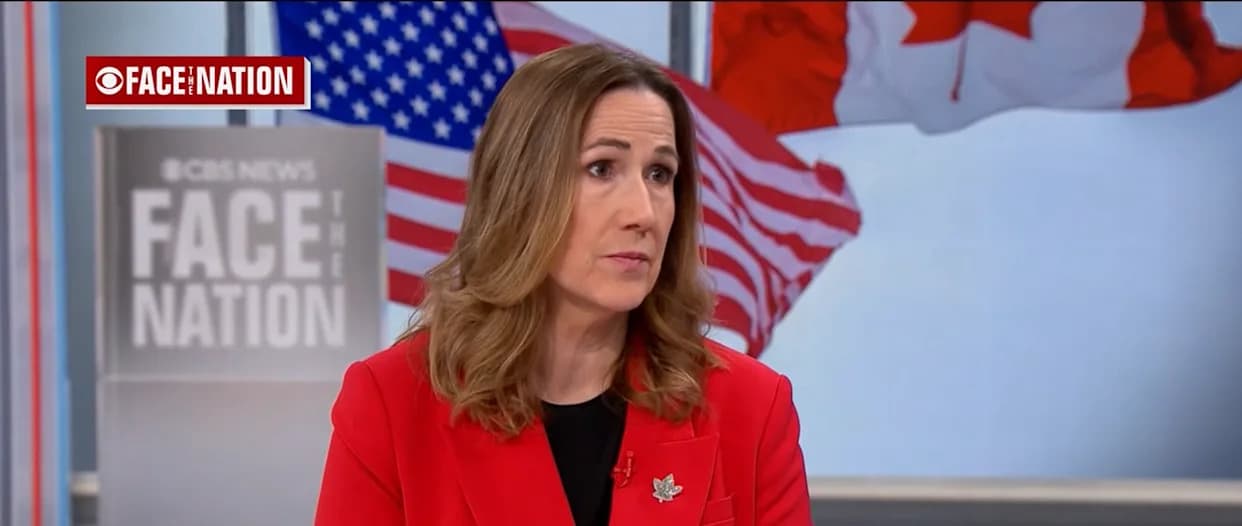
The following is an edited transcript and report of Canadian Ambassador to the United States Kirsten Hillman's interview with Margaret Brennan on Face the Nation, aired Jan. 25, 2026. The interview was recorded on Jan. 23, 2026.
Margaret Brennan: With deep trade ties, the world's longest land border and shared defense arrangements through NATO and NORAD, are the U.S. and Canada facing a rupture?
Ambassador Kirsten Hillman: We're not having a divorce, but the relationship is changing. Some of the long-standing assumptions — that integrated supply chains are always beneficial, that strategic cooperation is automatic, and that mutual support is guaranteed — are being tested. We'll adapt and get through this, but it's a complicated moment.
On the Davos "Board of Peace"
Margaret Brennan: Canada expressed interest in the Board of Peace announced at Davos, then was publicly disinvited. Does that snub matter?
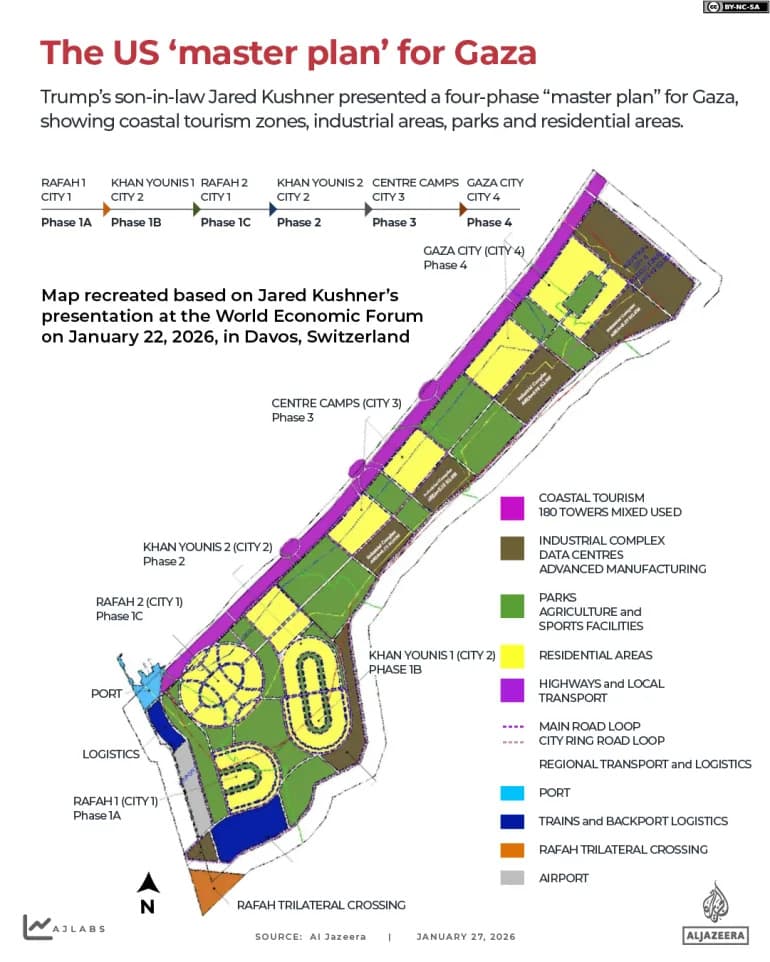
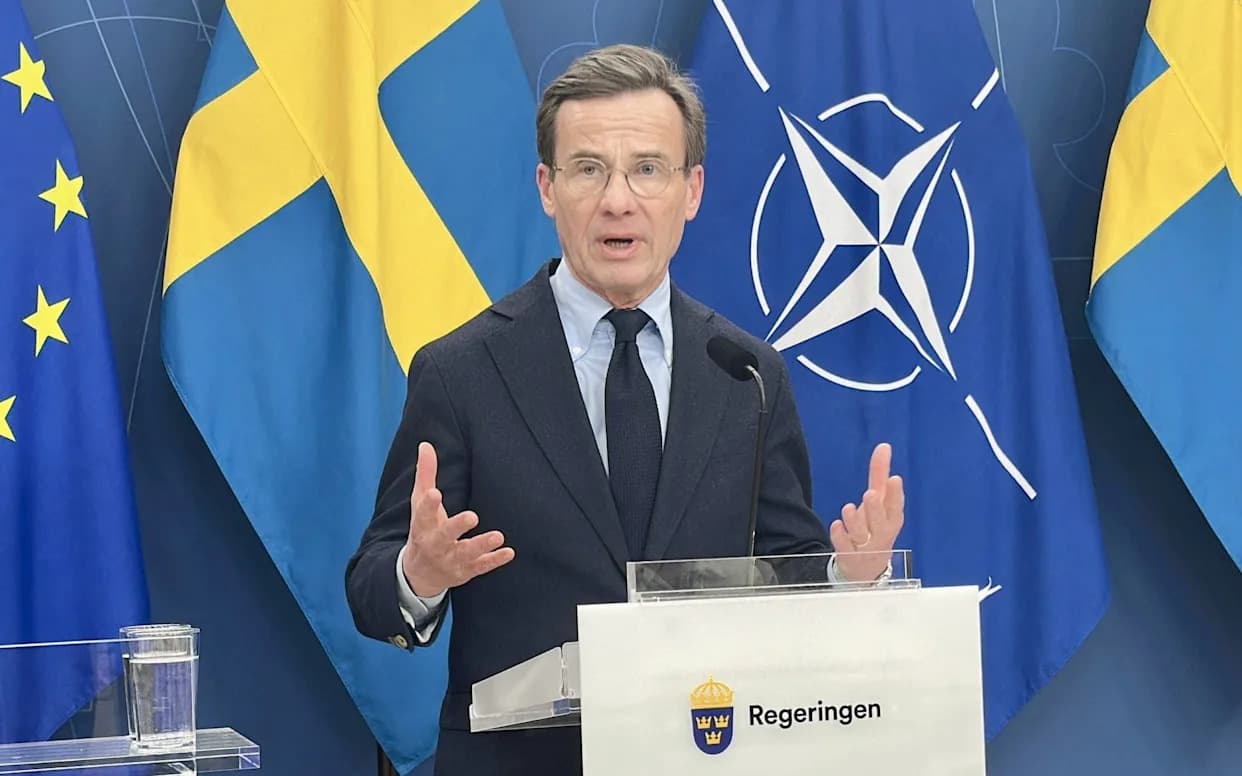
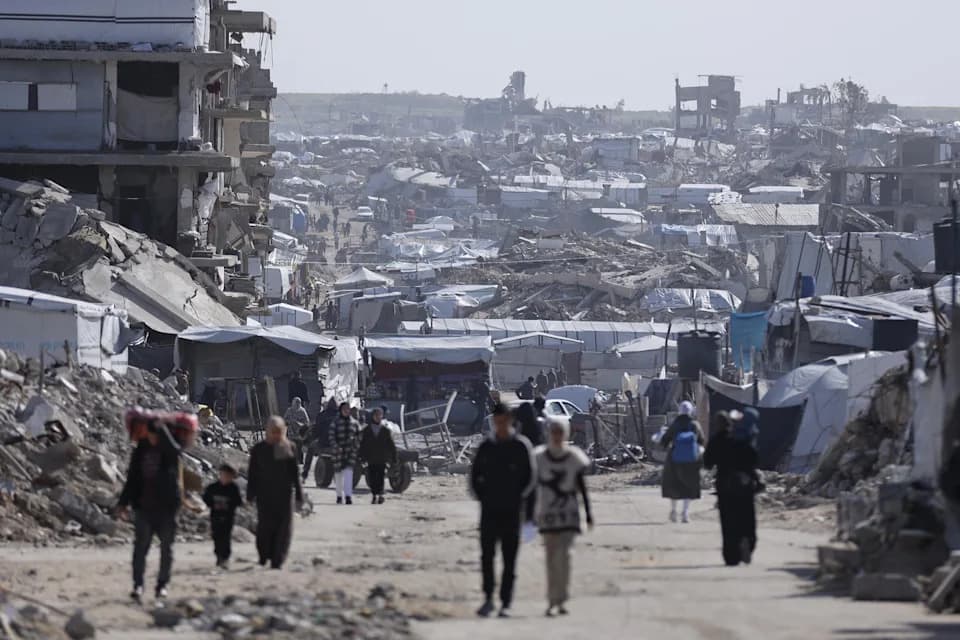
Ambassador Hillman: Canada signaled interest weeks earlier, and the Board's stated aim — seeking peace and stability, particularly in Gaza — is something Canada supports in principle. The parameters were still being defined and no final decision had been made. Canada will continue to pursue peace, stability and human rights through NATO, the U.N. and bilateral and multilateral coalitions; we will judge any new forum by its outcomes.
Institutions, Norms and a Rules-Based Order
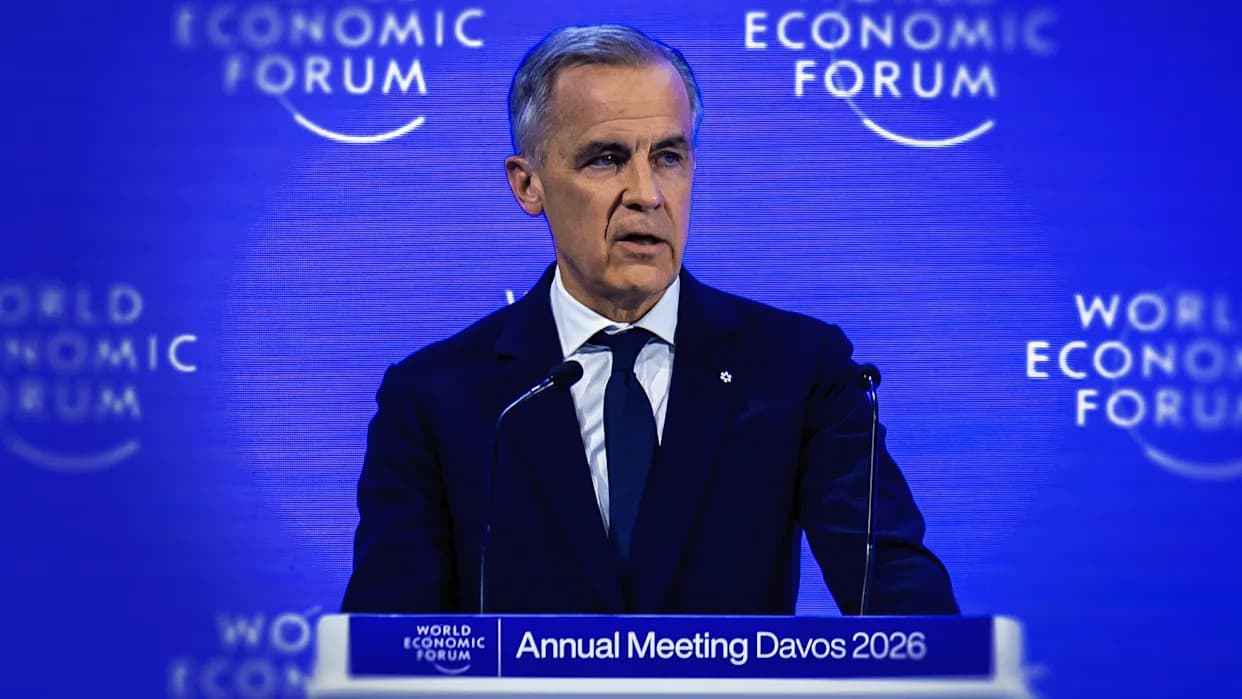
Margaret Brennan: Your prime minister denounced authoritarianism and exclusion and rebutted a Davos remark that "Canada lives because of the United States." How are Canadians reacting?
Ambassador Hillman: Canadians believe Canada thrives because of Canadians and the decisions they make for their country. The United States remains an essential partner — geography, familial and economic ties are deep — but political interactions can be more complicated. There are global concerns that long-standing institutions and norms are under pressure; how democracies respond matters. Canada intends to be pragmatic and principled.
Trade: USMCA and the Prospect of Bilateral Deals
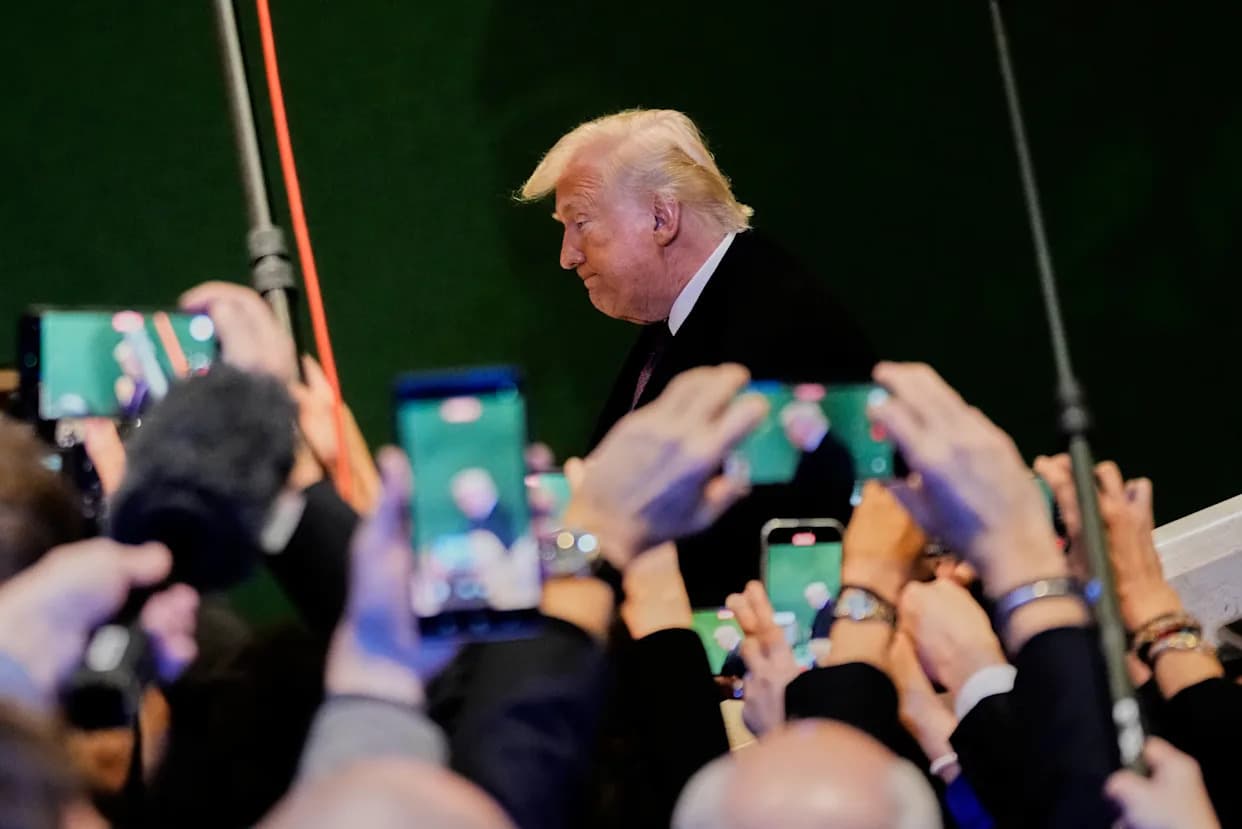
Margaret Brennan: President Trump said he "really doesn't care" about renewing USMCA. Is the agreement at risk?
Ambassador Hillman: I do not think USMCA is doomed. All three countries consulted businesses and stakeholders when negotiating the agreement. The consistent message, particularly from American industry, is to "do no harm" — preserve an agreement that underpins continental competitiveness. While some elements are bilateral in practice, there are clear efficiencies to a trilateral approach because of three-way supply chains. Canada will pursue the configuration that best serves the companies and communities that rely on the agreement.
China, Market Access and Concerns About Imports
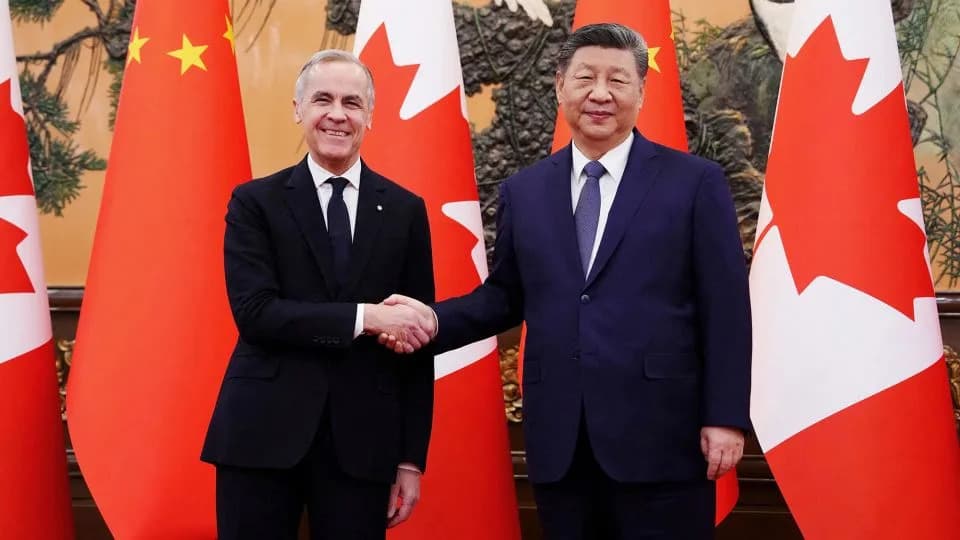
Margaret Brennan: Your prime minister recently described Canada's China relationship as more predictable than its relationship with the United States. You also struck a narrow deal with Beijing to restore exports. Does that signal a strategic pivot?
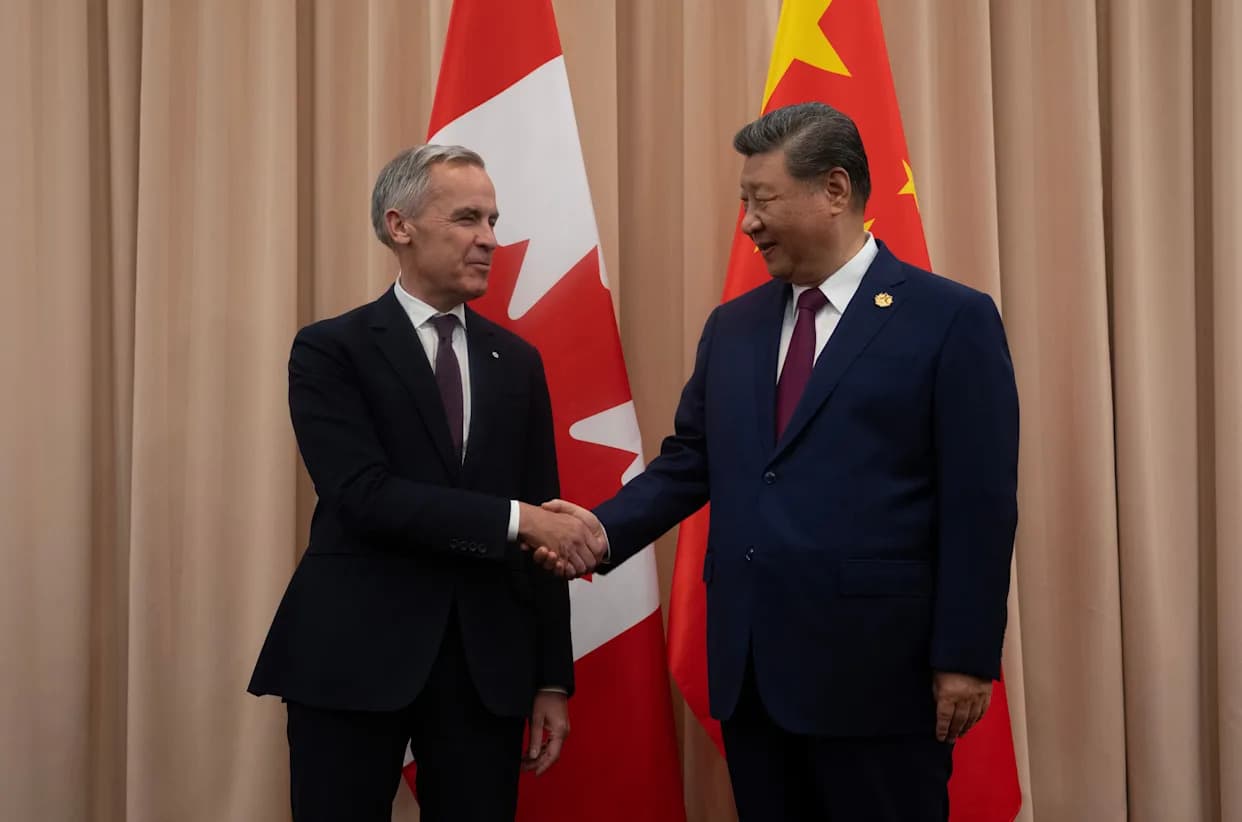
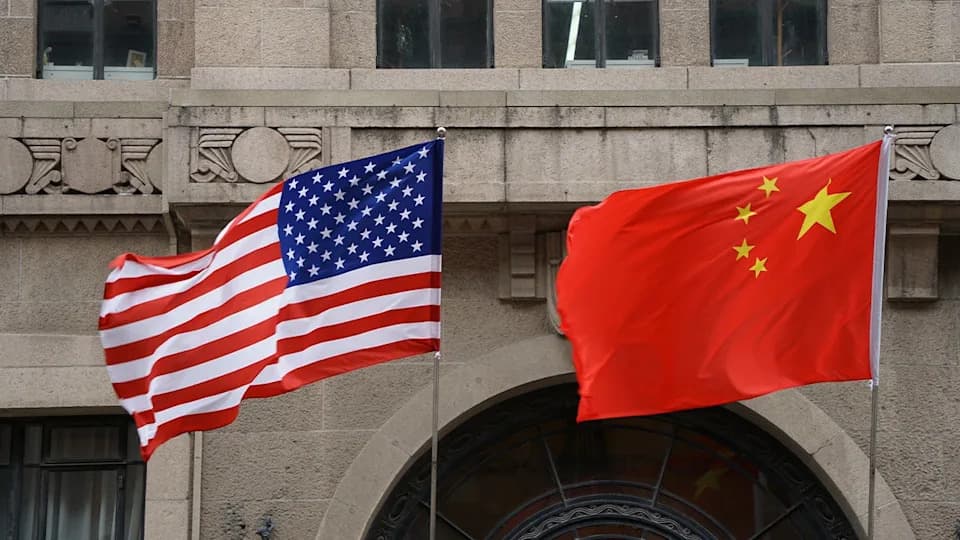
Ambassador Hillman: The China agreement was narrow and tactical: it sought to de-escalate tariffs Beijing had imposed on Canadian agricultural and seafood products and to restore market access for farmers and fishers. That is similar in spirit to steps taken by the U.S. to reopen markets for its producers. On autos, Canada essentially reset import levels to 2023 levels; this was not a sweeping new opening. The approach was pragmatic and focused, not a broad strategic realignment.
Defence and the Arctic
Margaret Brennan: President Trump mentioned the "Golden Dome" missile-defence concept. Has Canada rejected participation?
Ambassador Hillman: I have not seen the specifics the president referenced. What I can confirm is that Canada is investing more than $80 billion in defence over the next five years, with a major focus on Arctic defence. Key components include over-the-horizon radar to detect threats approaching the Arctic. Canada will invest in systems tailored to defend its territory and sovereignty while ensuring interoperability and cooperation with U.S. and allied capabilities.
NATO and Shared Sacrifice
Margaret Brennan: President Trump questioned NATO's value and claimed some members stayed off front lines. How do such comments land in Canada?
Ambassador Hillman: The record is clear: about 40,000 Canadians served in Afghanistan between 2001 and 2014; 158 were killed and 635 wounded. Canadians who served were alongside U.S. and allied forces in difficult operations, and that shared history and sacrifice is understood and respected by U.S. service members. That lived experience sustains the bilateral bond.
Closing Reflection
Ambassador Hillman framed the moment as one of adaptation: protect principles and the rules-based systems Canada commits to, but also bolster national resilience and pursue pragmatic engagement where it serves Canadian interests. The relationship with the United States remains foundational, even as political dynamics shift.
Help us improve.