Justin Trudeau told reporters he reaffirmed his Davos remarks during a phone call with President Trump and dismissed claims he walked them back. Ottawa plans to pursue 12 new trade deals across four continents within six months to reduce dependence on U.S. markets. The exchange comes amid escalating tensions over threatened tariffs, Greenland, and broader trade frictions as Canada aims to double non-U.S. exports over the next decade.
Trudeau Says He Stood By Davos Remarks, Unveils Plan for 12 New Trade Deals to Reduce U.S. Reliance
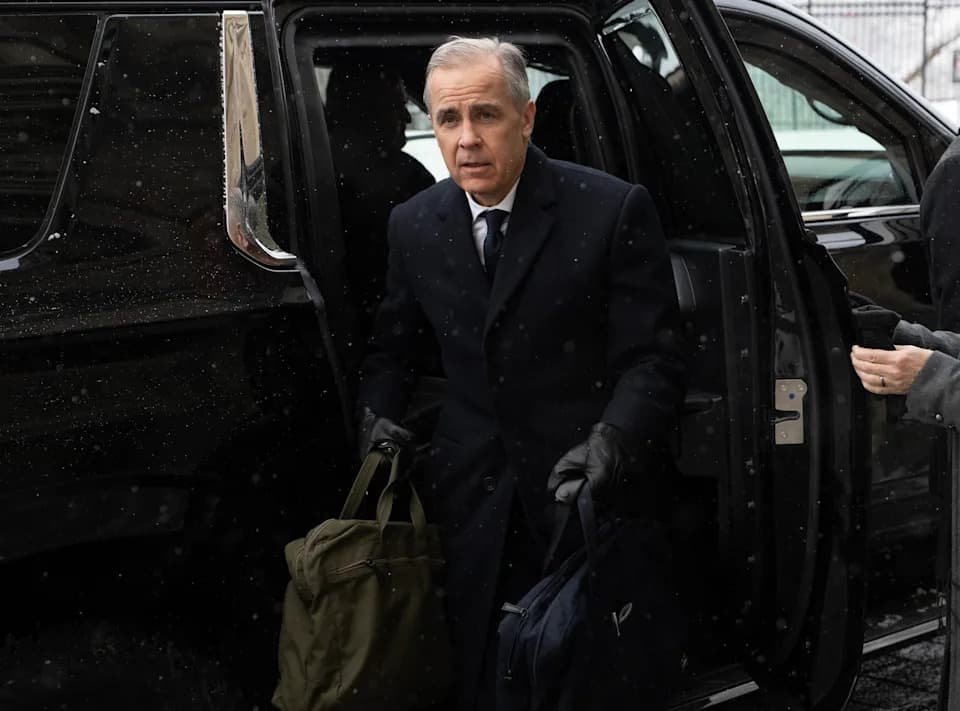
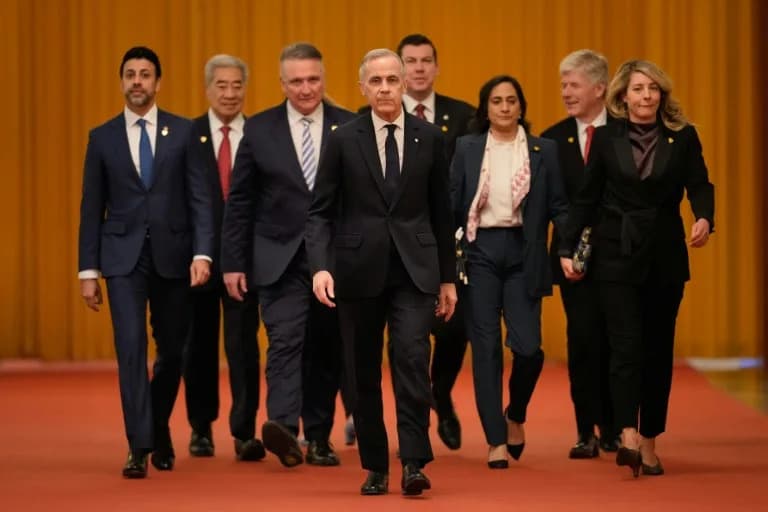
Canadian Prime Minister Mark Carney arrives by motorcade to Parliament Hill in Ottawa, Tuesday, Jan. 27, 2026. (Adrian Wyld/The Canadian Press via AP)(ASSOCIATED PRESS)
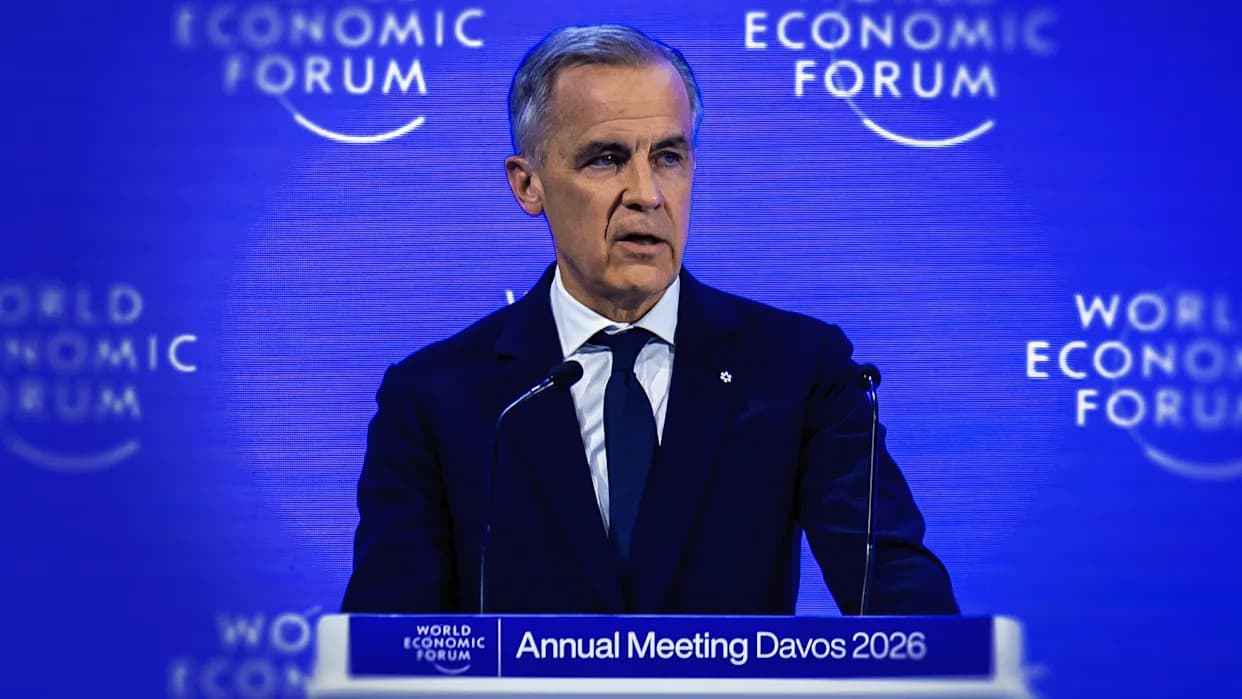
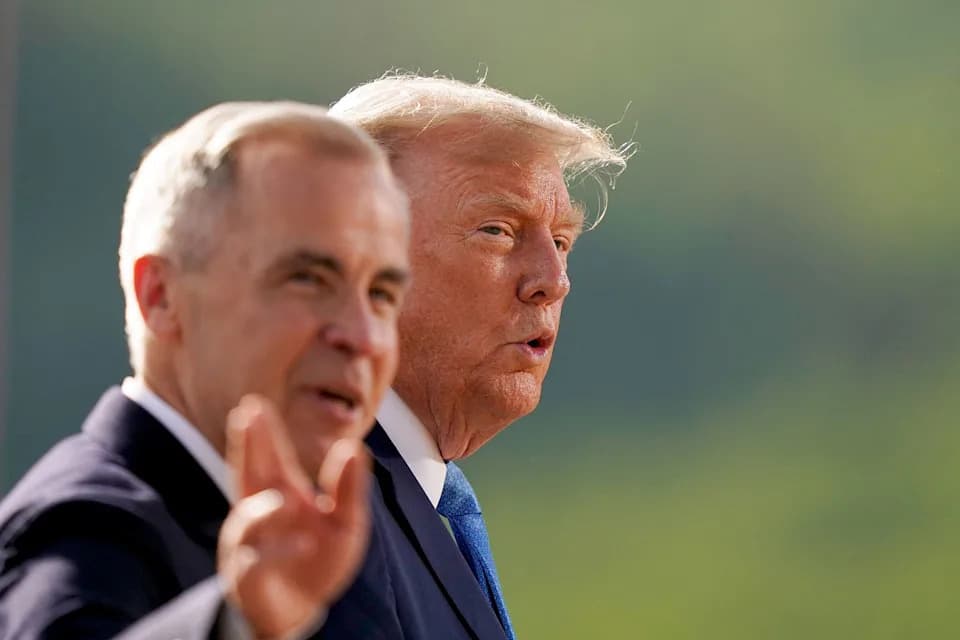
TORONTO (AP) — Canadian Prime Minister Justin Trudeau said Tuesday that during a phone call with U.S. President Donald Trump he made clear he stood by the comments he delivered at the World Economic Forum in Davos. Trudeau also told reporters that Canada plans to diversify its trade relationships by pursuing a dozen new agreements across four continents within six months.
Trudeau Rejects Claim He Backed Down
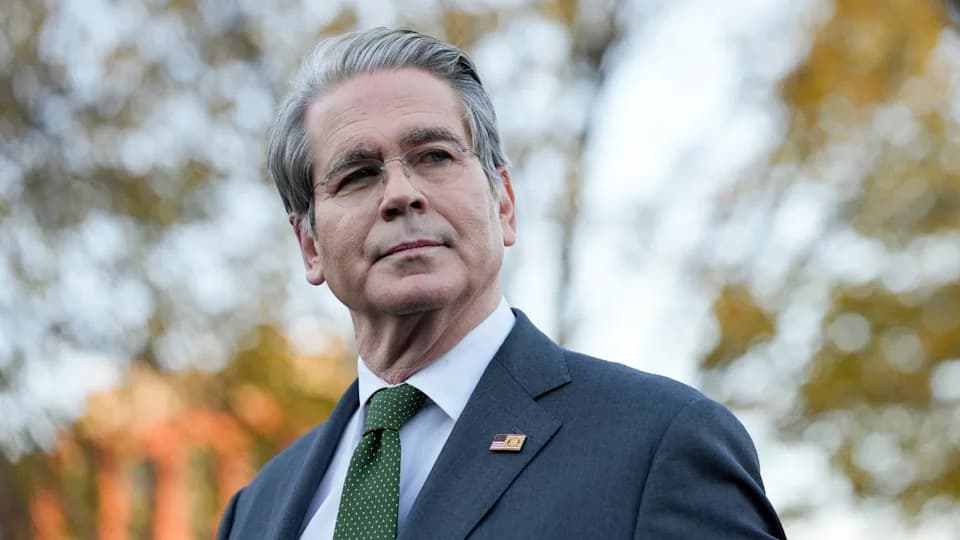
Arriving for a Cabinet meeting in Ottawa, Trudeau dismissed a claim on Fox News by U.S. Treasury official Scott Bessent that the prime minister had "aggressively walked back" his Davos remarks during the call on Monday.
"To be absolutely clear, and I said this to the president, I meant what I said in Davos," Trudeau told reporters.
Trudeau said he told Trump that Canada had been among the first countries to recognize shifts in U.S. trade policy and that Ottawa is responding by expanding markets outside North America.
Canadian Prime Minister Mark Carney arrives by motorcade to Parliament Hill in Ottawa, Tuesday, Jan. 27, 2026. (Adrian Wyld/The Canadian Press via AP)(ASSOCIATED PRESS)
Trade Strategy: 12 Deals, Four Continents
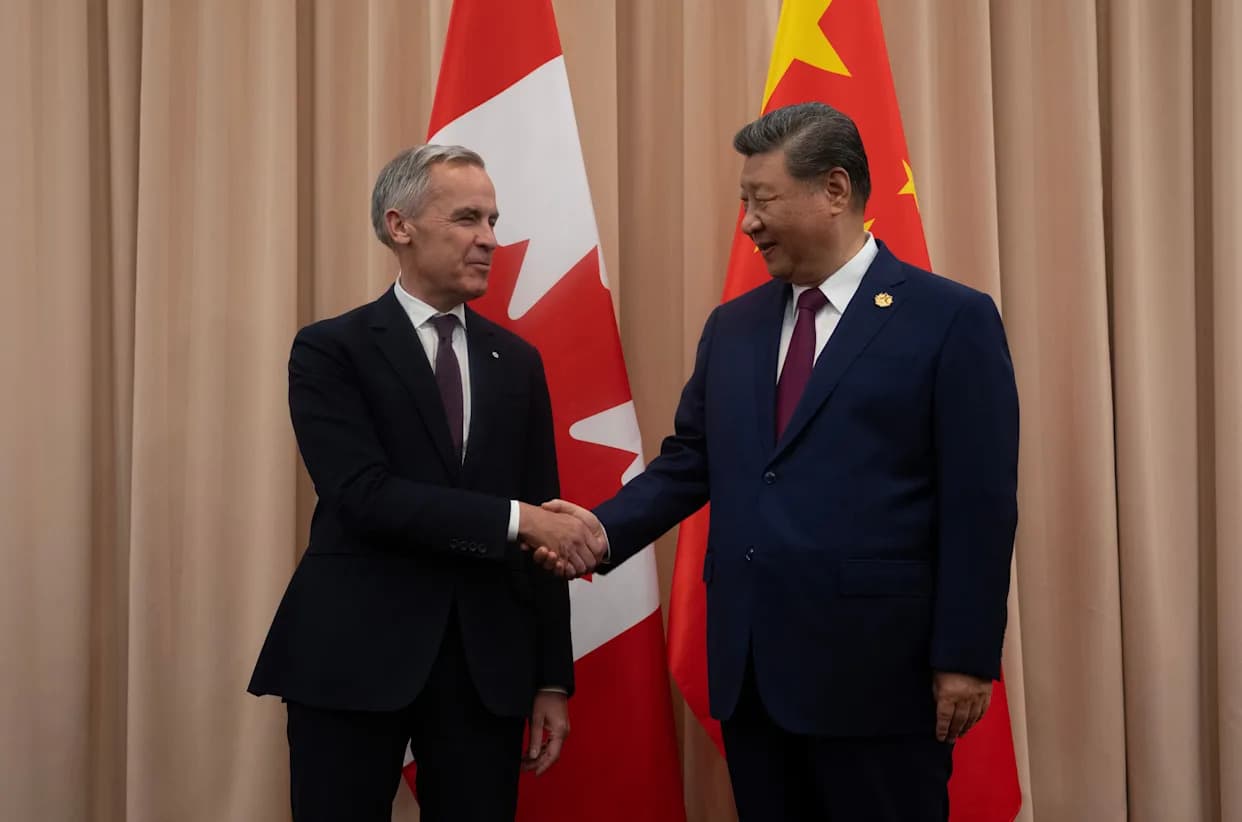
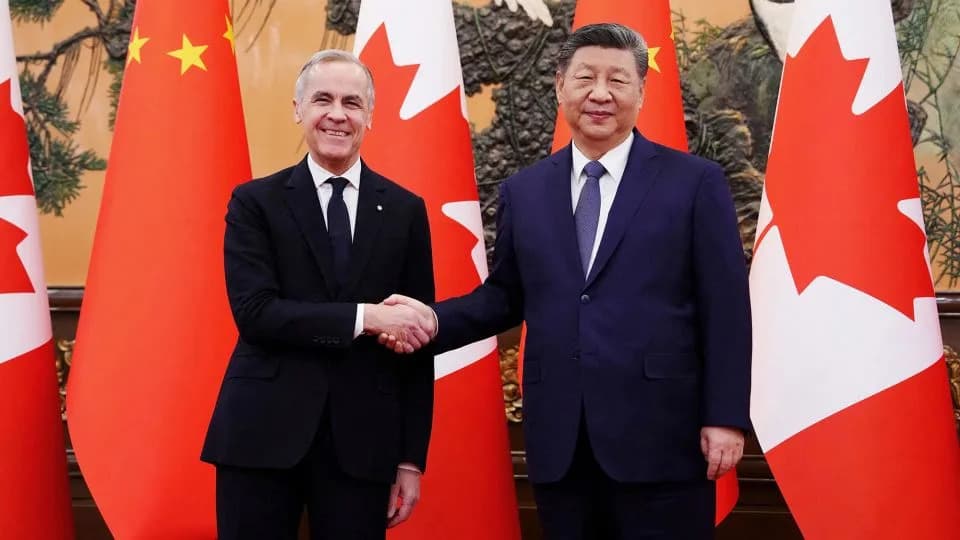
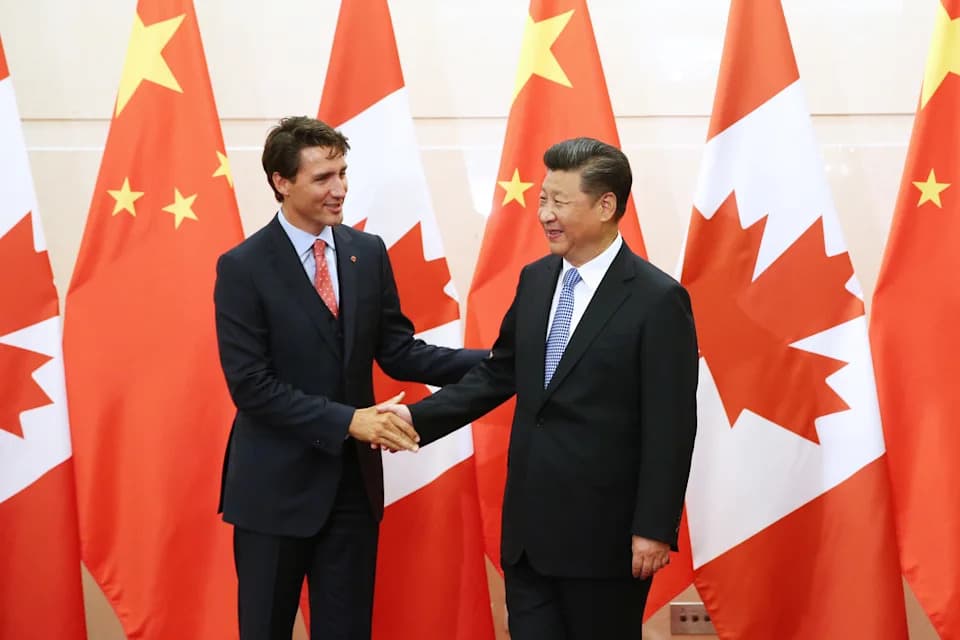
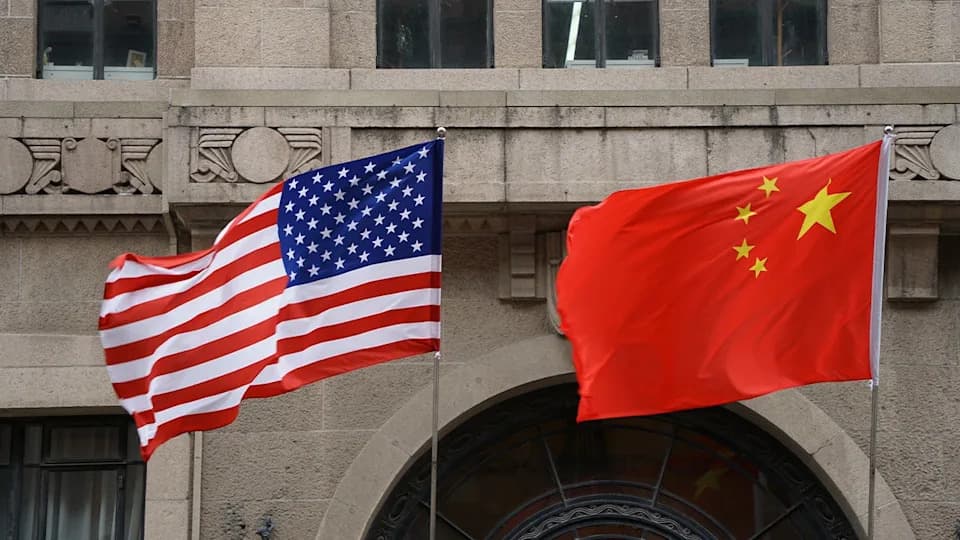
At Davos last week, Trudeau criticized economic coercion by major powers against smaller countries — a comment that drew broad attention — without naming the United States. In his phone call with Trump, Trudeau described Canada’s plan as "12 new deals, four continents, in six months," and said he explained existing arrangements with China. He emphasized that the recent agreement with China was limited in scope, cutting tariffs in a few sectors rather than representing a full-fledged comprehensive trade pact.
Canada currently sends more than 75% of its exports to the United States, and Trudeau has set a target to double non-U.S. exports within the next decade. He plans trips to India, Australia and other markets as part of the diversification effort.
Tensions With Washington
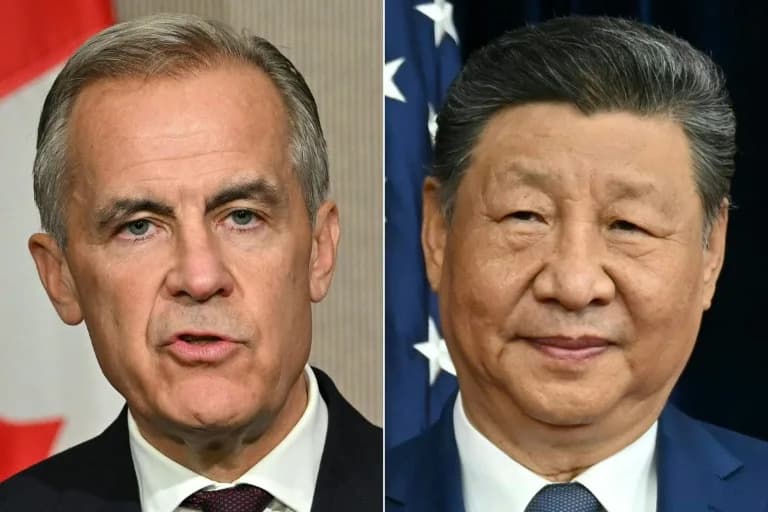
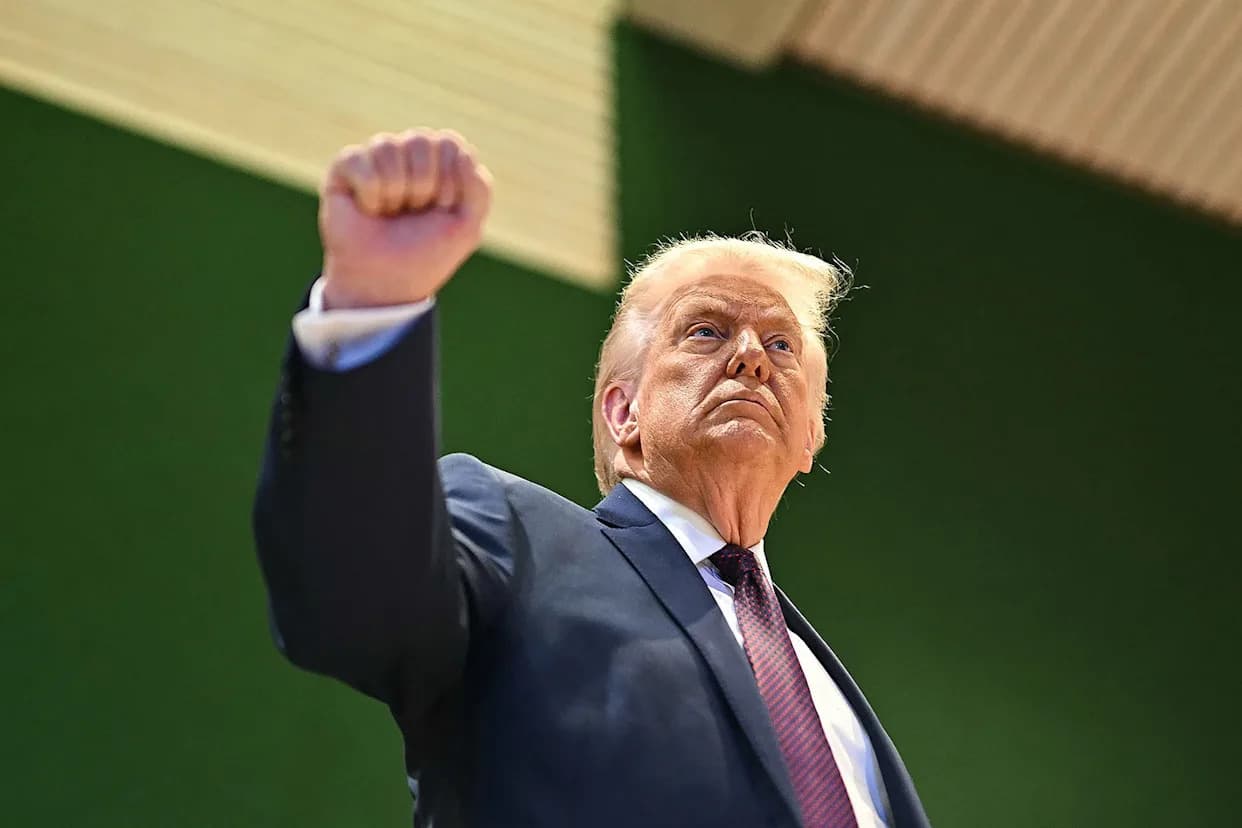
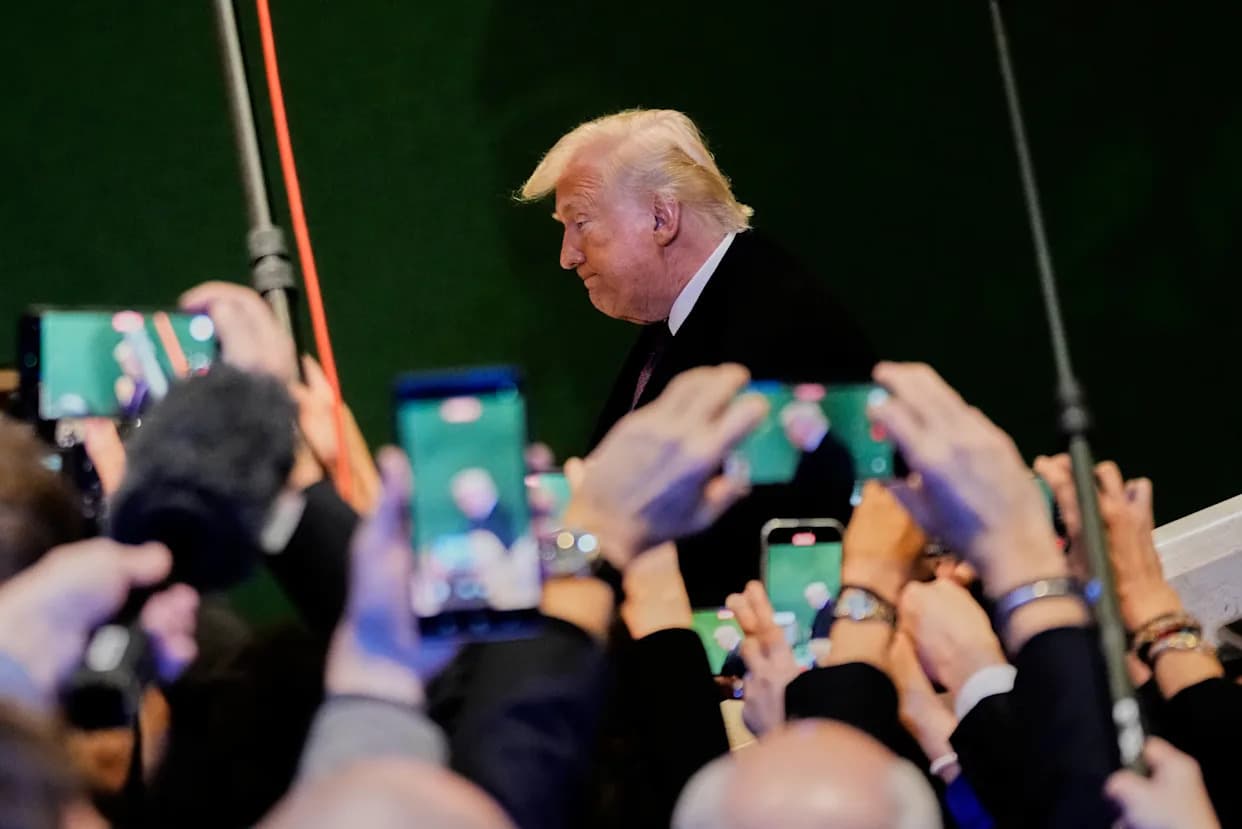
The phone call came amid rising tensions between Trudeau and President Trump. Trump threatened last weekend to impose a 100% tariff on Canadian goods if Ottawa pursued a trade deal with Beijing — a move Trudeau says Canada is not seeking in the form of a comprehensive pact. The dispute follows other strains, including Trump’s public musings about Greenland and provocative social-media posts about Canada’s borders.
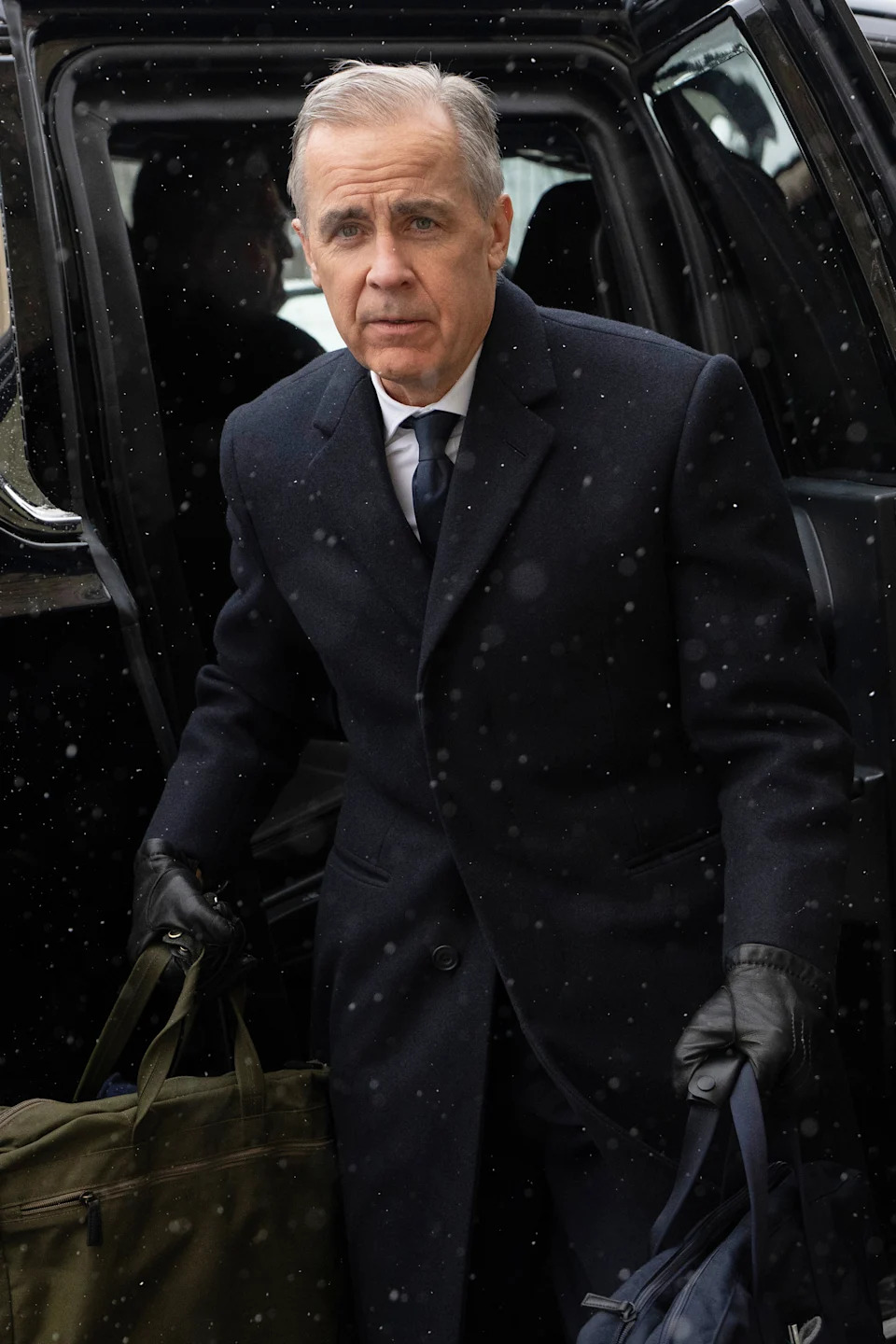
Canadian Prime Minister Mark Carney arrives by motorcade to Parliament Hill in Ottawa, Tuesday, Jan. 27, 2026. (Adrian Wyld/The Canadian Press via AP)(ASSOCIATED PRESS)
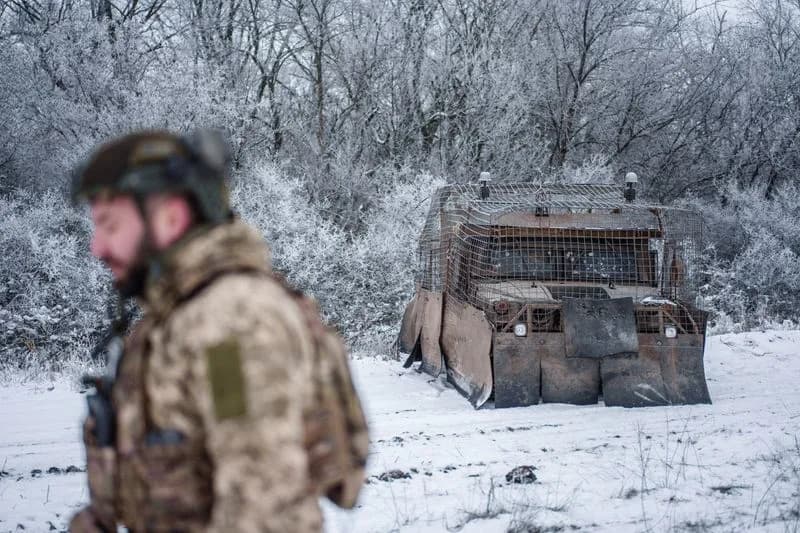
Trudeau said the call also touched on security topics including Ukraine, Venezuela and Arctic cooperation. Ottawa and Washington share strategic interests in the Arctic; Canada also shares a long maritime boundary with Greenland.
Reactions and Context
U.S. Treasury official Scott Bessent told Fox News that Trudeau had tried to walk back his Davos comments during the call; Trudeau rejected that characterization. "Of course, Canada depends on the U.S.," Bessent said on Fox, adding that there is more north-south trade than east-west trade and accusing Trudeau of advancing a broader globalist agenda.
Domonic LeBlanc, the minister handling Canada–U.S. trade relations, compared Canada’s limited tariff concessions with China to earlier arrangements the U.S. and China have struck, noting the tactical nature of such measures in the context of broader trade talks.
With the United States–Mexico–Canada Agreement due for renewal this year, Ottawa’s push to build ties beyond the U.S. market is likely to be a major theme in coming trade and diplomatic discussions.
Help us improve.