Former central banker Mark Carney warned that the United States can no longer be trusted to uphold the international order, calling the split with traditional partners “a rupture, not a transition.” President Trump publicly mocked Carney and then reportedly withdrew Canada’s invitation to a new "Board of Peace," a move that underscored growing strain. Allies in Canada and Europe increasingly view U.S. policy as unpredictable, and that shift could have lasting consequences beyond this administration.
The Week the U.S. and Canada Broke: A ‘Rupture, Not a Transition’
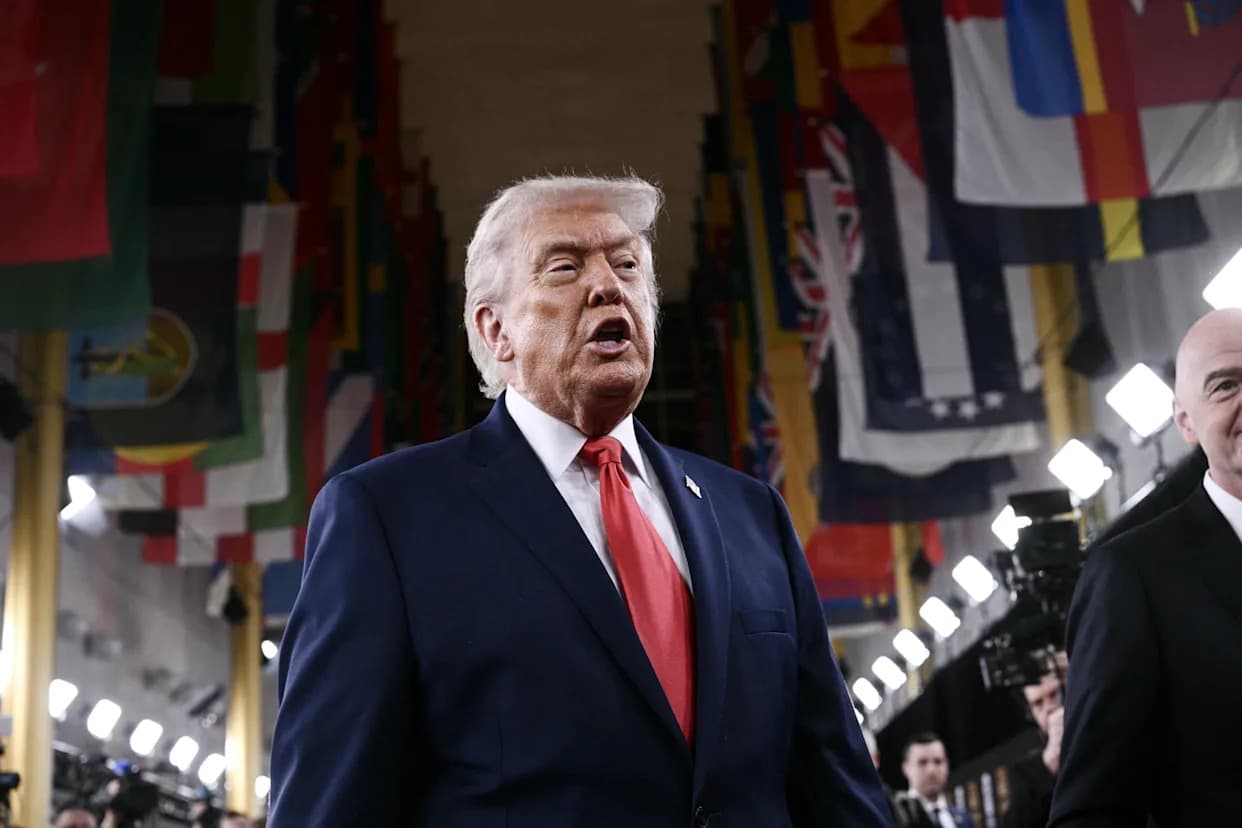
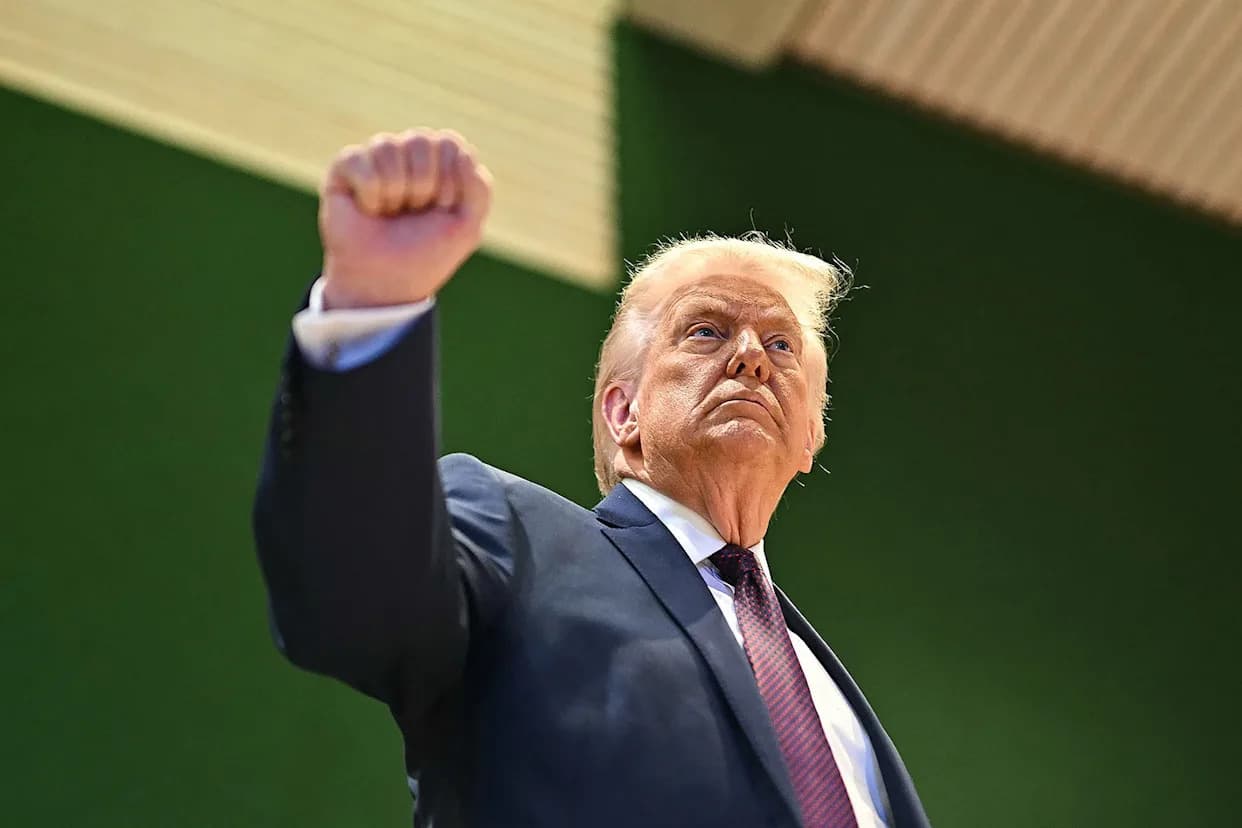
President Donald Trump at the Kennedy Center in Washington, DC, on December 5, 2025. | Brendan Smialowski/AFP via Getty Images
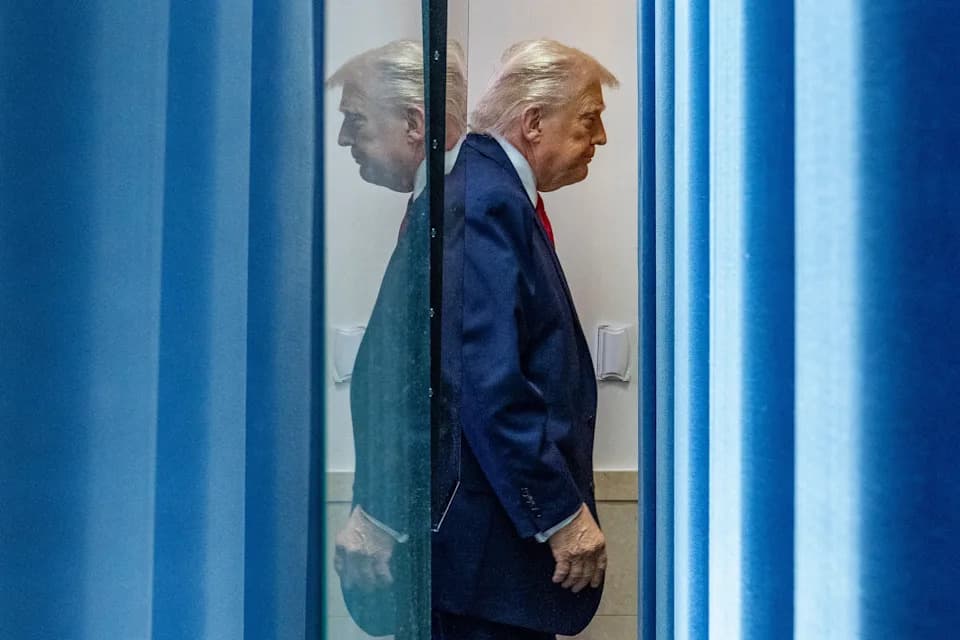
President Donald Trump’s recent actions appear to have torn a deep rift in one of America’s closest relationships, prompting renewed debate about the United States’ role in the postwar international order.
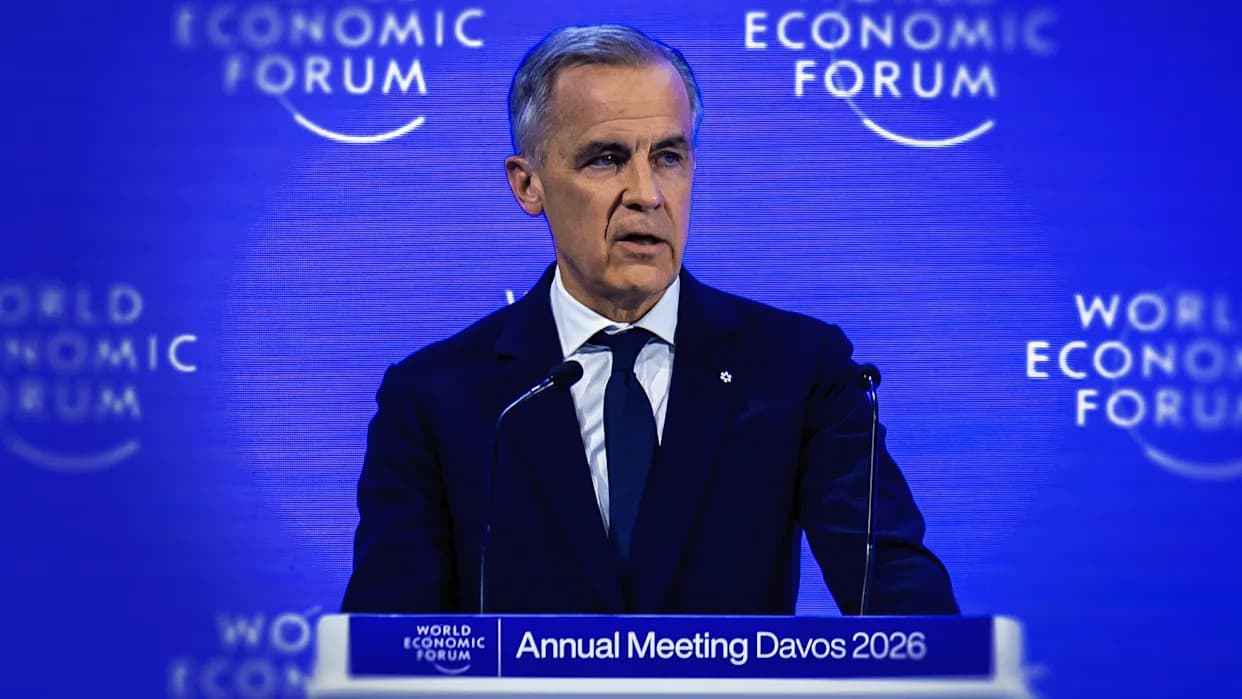
On Tuesday, former central banker Mark Carney—who served as governor of both the Bank of Canada and the Bank of England—delivered a striking address arguing that the United States can no longer be relied upon as the steady steward of global institutions. Carney called the moment “a rupture, not a transition,” and urged like-minded middle powers to coordinate more closely to protect shared rules and norms.
“The middle powers must act together, because if we’re not at the table, we’re on the menu,” Carney said.
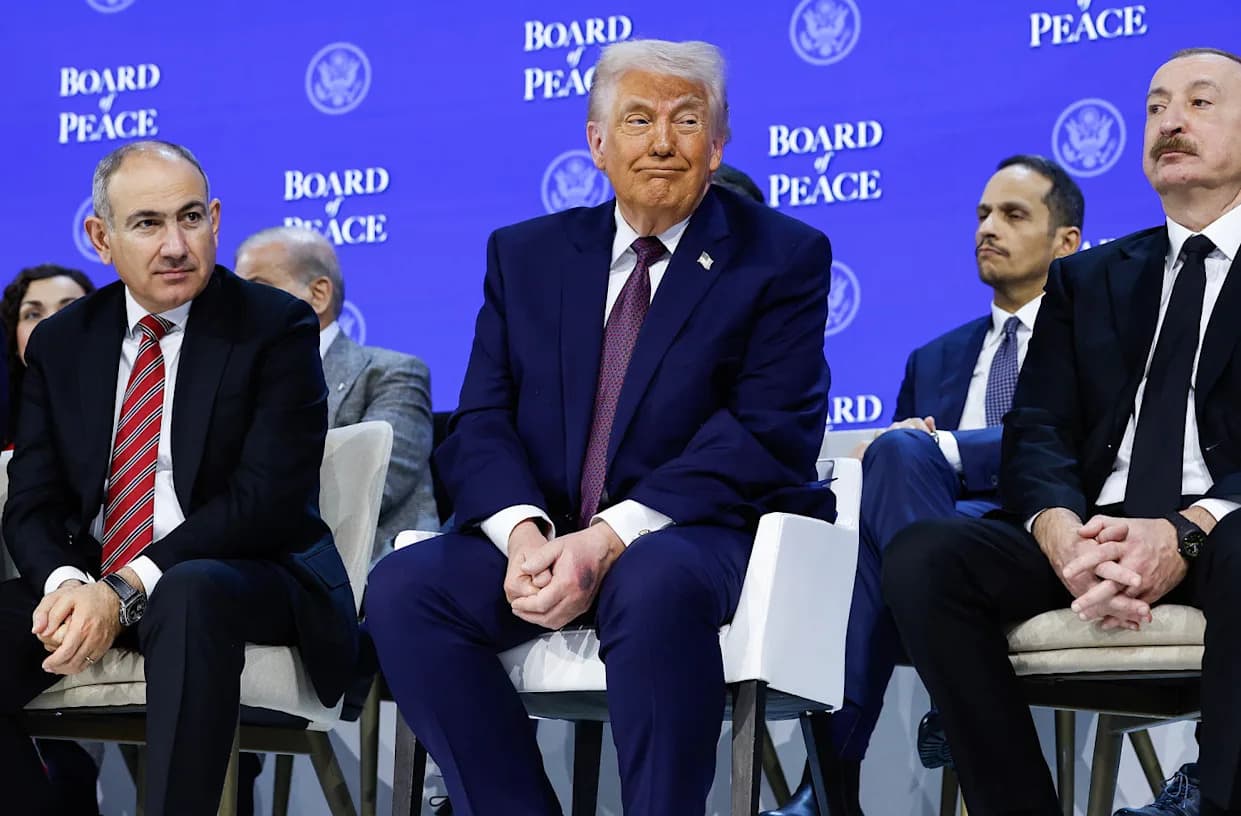
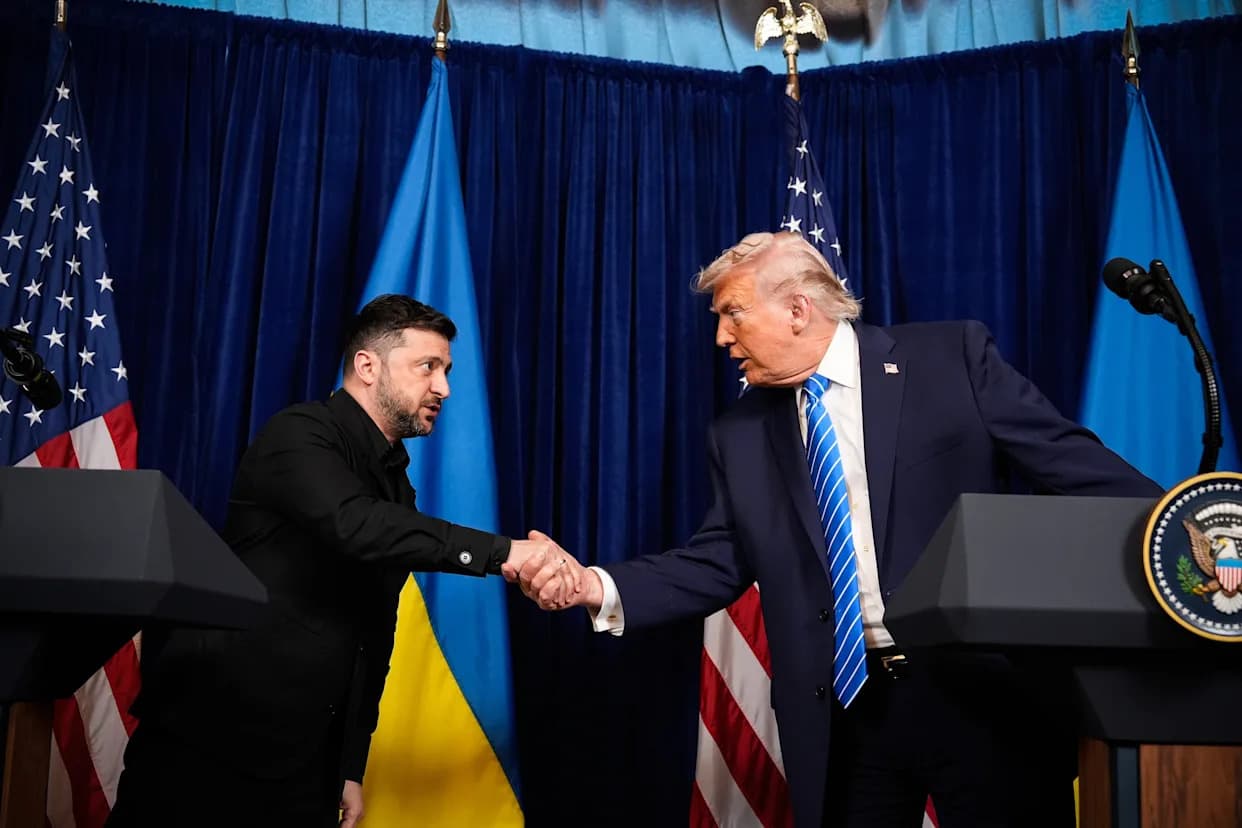
What followed in quick succession seemed to confirm his warning. On Wednesday, President Trump publicly taunted Carney, saying, “Canada lives because of the United States. Remember that, Mark, the next time you make your statements.” Then on Thursday, the White House reportedly rescinded Canada’s invitation to a newly announced initiative Trump called the “Board of Peace.” The move carried symbolic weight: some reports say the board will include states widely viewed as pariahs, while several traditional U.S. allies—France among them—have not joined.
Why It Matters
Carney’s speech crystallized a shift many in Ottawa and Europe already felt: that U.S. policy under Trump is less predictable and, at times, can resemble competition rather than partnership. Rising tensions reflect both rhetoric—past threats about tariffs and extreme comments about Canada—and concrete diplomatic slights, which together have pushed Canada and other allies to consider hedging their relationships.
Those changes may outlast this administration. Even if future U.S. leaders seek to rebuild ties, fractured trust and stronger multilateral coordination among middle powers could reshape global diplomacy for years to come.
Related Notes
My colleague Dylan Scott recently launched a newsletter, Good Medicine, focused on reliable health reporting amid noisy social-media debates and controversy in public-health institutions. His work is a useful resource for anyone trying to separate sound guidance from noise.
P.S. Thank you to everyone who sent feedback on our earlier newsletter—your responses are much appreciated. Have a good weekend (and stay safe if the weather turns snowy); we’ll be back Monday.
Help us improve.