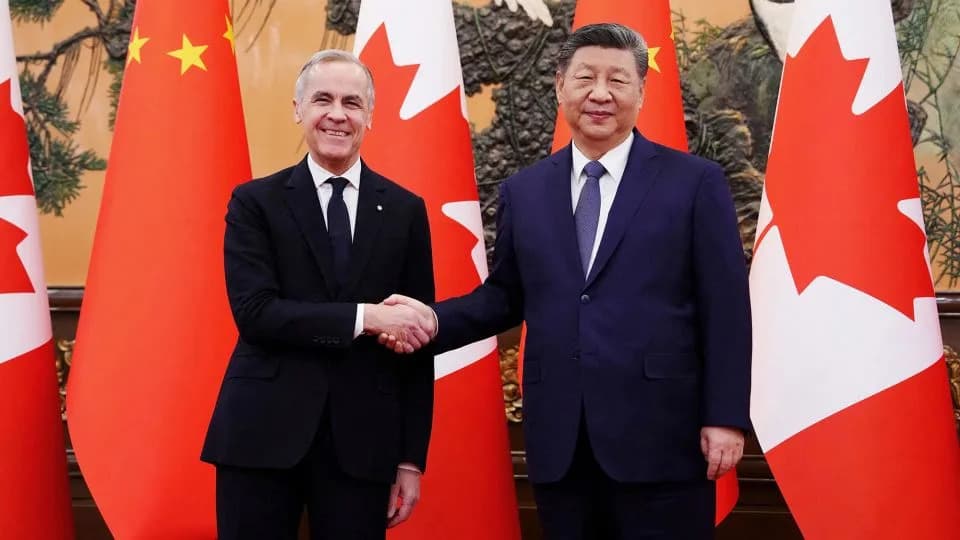
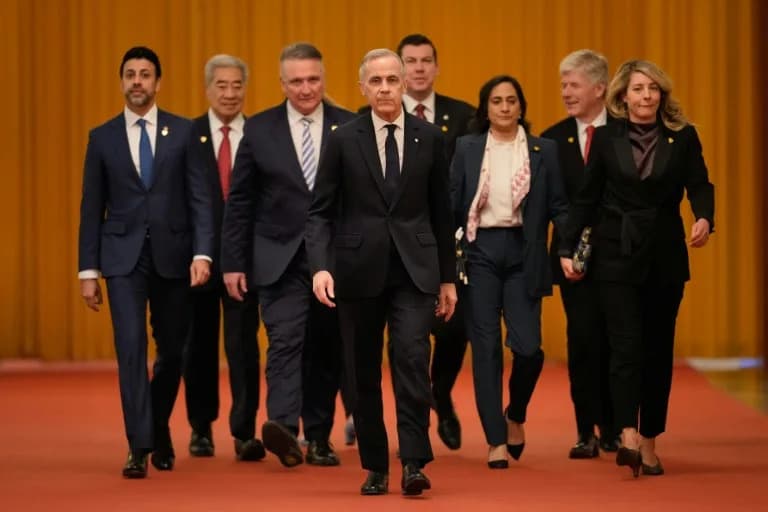
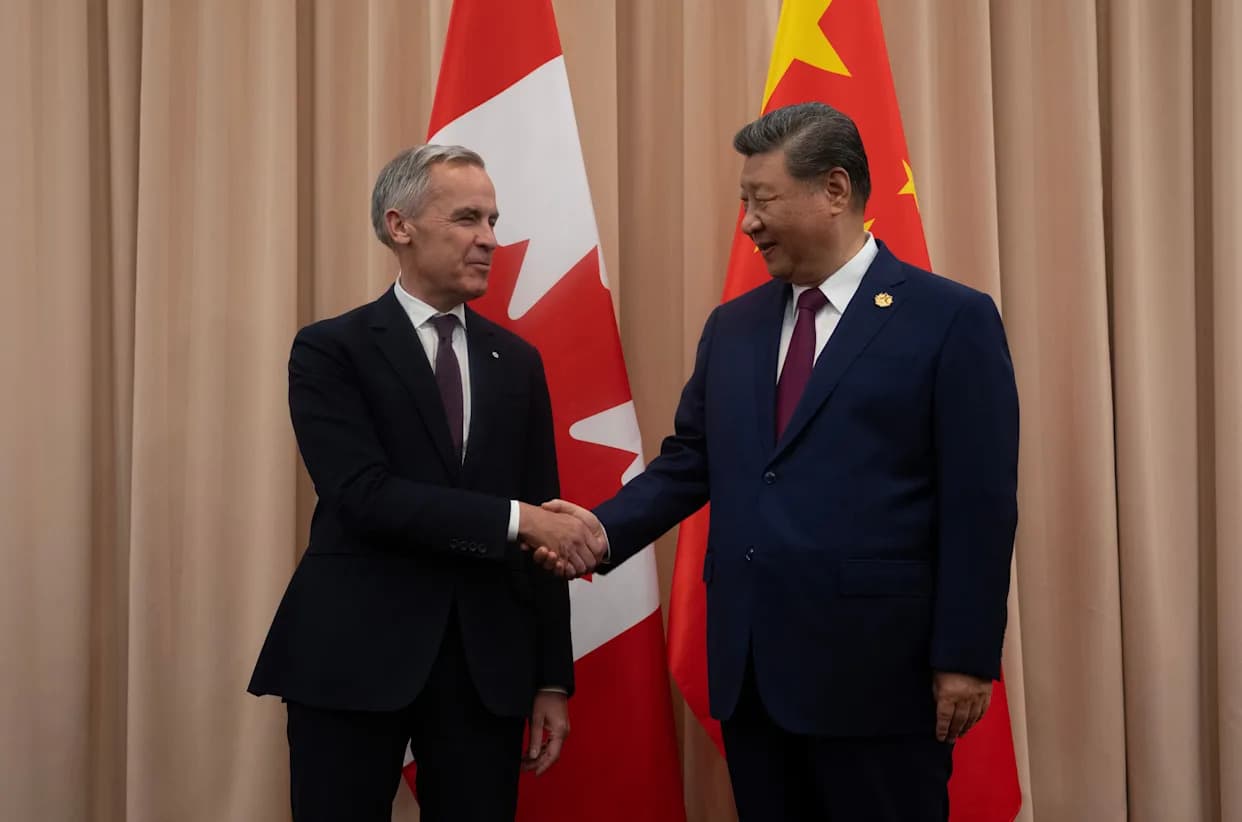
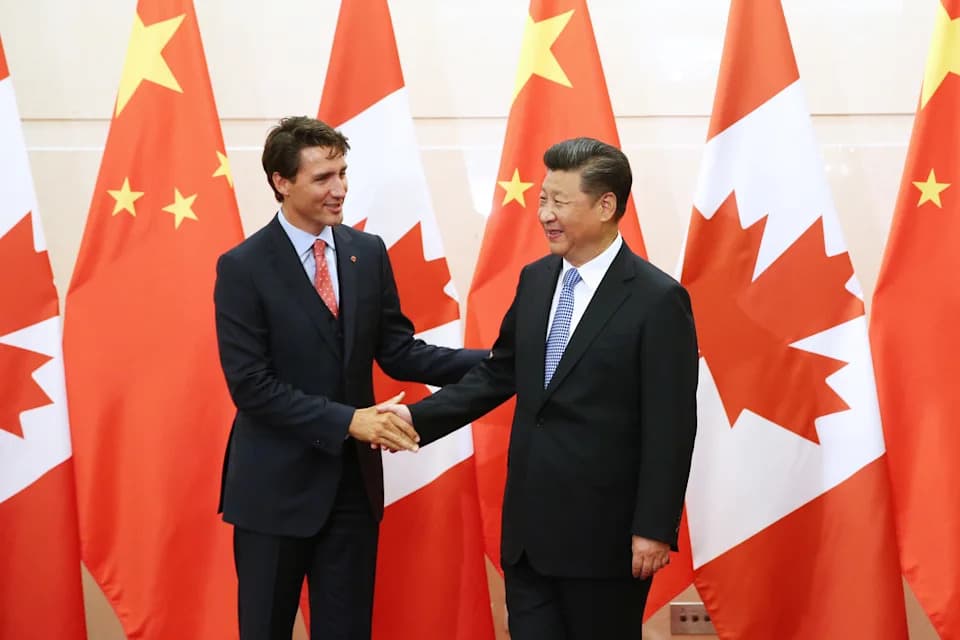
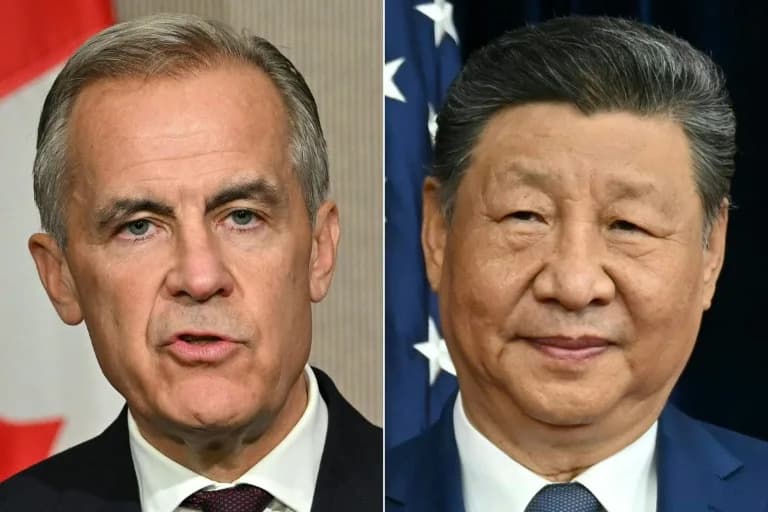
Canada and China announced a trade pact in which Canada will lower tariffs on some Chinese electric vehicles and China will cut tariffs on certain Canadian farm exports. Ottawa says the deal is part of a strategy to diversify trade and attract investment. Critics argue U.S. tariff policy and hostile rhetoric have nudged Canada toward Beijing, a development U.S. officials called "problematic." Observers warn the shift could affect North American manufacturing, particularly the auto sector.
Canada Signs Trade Deal With China — Critics Say U.S. Trade Tensions Pushed Ottawa Toward Beijing
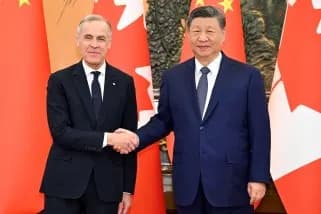
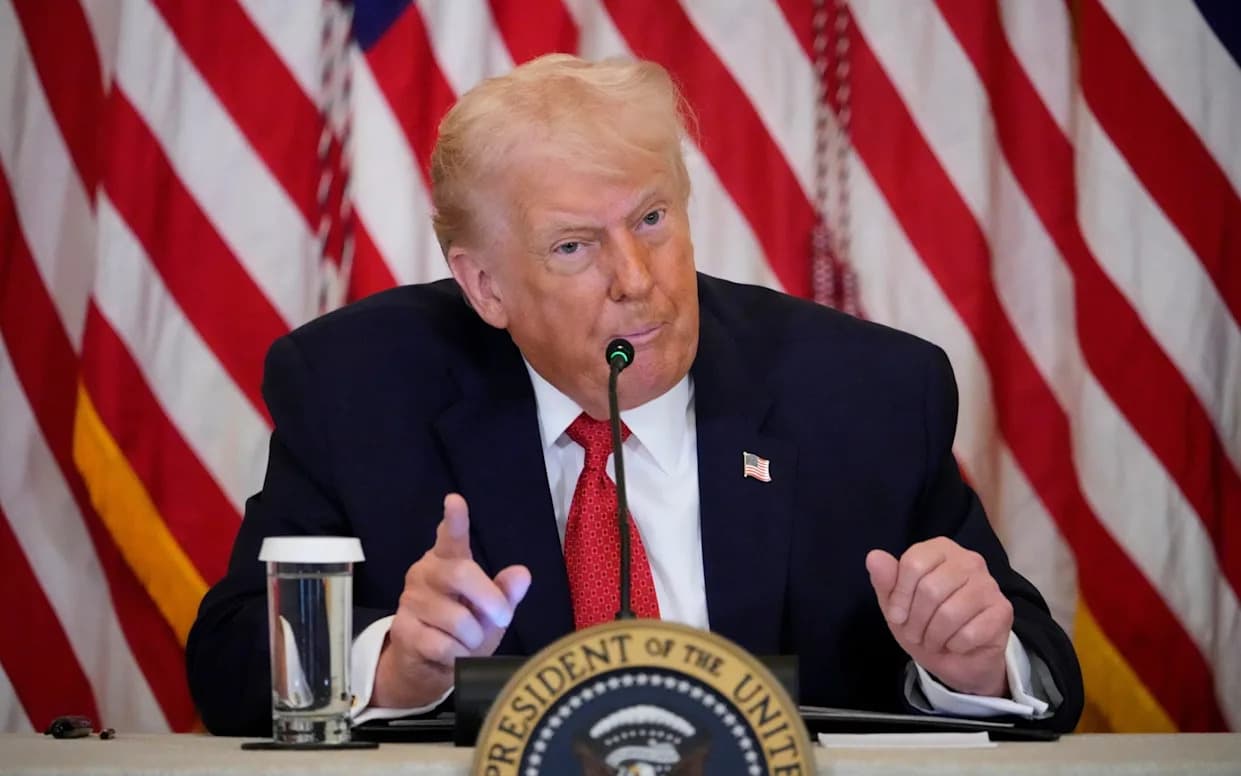
Trump manages to push a top U.S. ally to team up with China
Canada and China announced a bilateral trade agreement on Friday that will see Ottawa reduce tariffs on certain Chinese electric vehicles while Beijing lowers some duties on Canadian agricultural exports. The pact was presented by both governments as a pragmatic move to expand market access and attract investment.
Canadian leaders framed the agreement as part of a broader strategy to diversify trade relationships and increase economic resilience in an uncertain world. In a government statement announcing the deal, Canada’s prime minister said:
"In a more divided and uncertain world, Canada is building a stronger, more independent, and more resilient economy. To that end, Canada’s new government is working with urgency and determination to diversify our trade partnerships and catalyse massive new levels of investment. As the world’s second-largest economy, China presents enormous opportunities for Canada in this mission."
Critics point to recent U.S. trade actions and rhetoric as a catalyst for Ottawa’s outreach to Beijing. Observers say a string of tariffs, public jabs at Canada and strained Washington–Ottawa relations have made deeper ties with China more attractive for Canadian exporters and investors.
A U.S. trade official called the arrangement potentially "problematic," saying U.S. tariffs have long been used to shield American autoworkers and industries. U.S. and Canadian officials offered differing public takes on the deal, with Washington downplaying immediate strategic concerns while stressing the need to protect domestic manufacturing.
Analysts and regional leaders warned about broader consequences for North American industry. A recent CNN poll showed significant public dissatisfaction with current U.S. economic leadership, and industry observers say tariff-driven costs and an anti-EV stance have placed additional pressure on the U.S. auto sector. Michigan Governor Gretchen Whitmer warned that continued friction with Canada risks harming the integrated auto supply chain, saying, "When we fight our neighbors, China wins."
What This Could Mean
Experts say the deal may accelerate market shifts in electric vehicles and agricultural exports while prompting new diplomatic and trade discussions between Ottawa and Washington. For Canada, the agreement is framed as diversification; for the United States, it will likely feed ongoing debates about the costs and benefits of tariffs and trade strategy.
Bottom line: The agreement is a notable example of how trade tensions can reshuffle economic partnerships, with potential ripple effects for North American manufacturing and geopolitics.
Help us improve.