The Prime Minister urged the U.S. to "respect Canadian sovereignty" after reports that State Department officials met with Alberta separatists from the Alberta Prosperity Project (APP). The APP has permission to collect signatures for a referendum that could be held as early as this fall, though polls currently show separatists trailing. U.S. remarks seen as sympathetic and reported Washington meetings prompted criticism from Canadian leaders — Alberta's Danielle Smith warned she would raise any meddling with Washington, while BC Premier David Eby called the meetings "treason."
Canadian Prime Minister Urges U.S. To Respect Sovereignty After Reports Of Meetings With Alberta Separatists
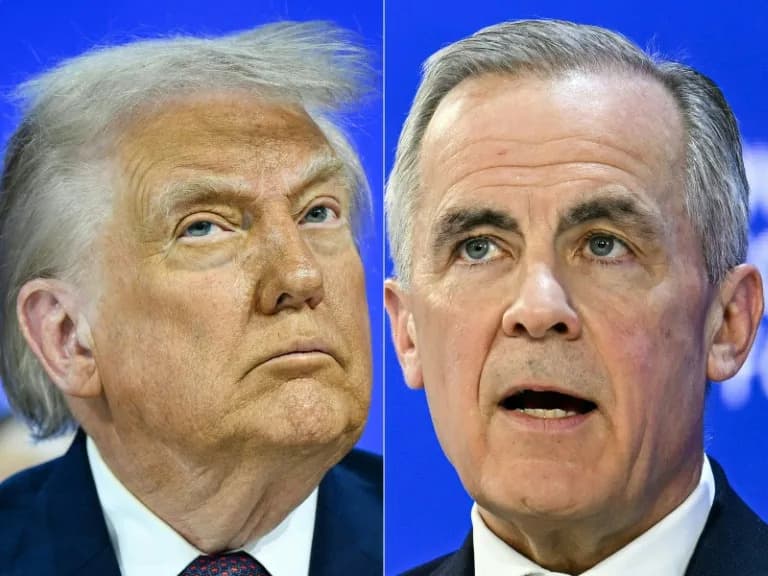
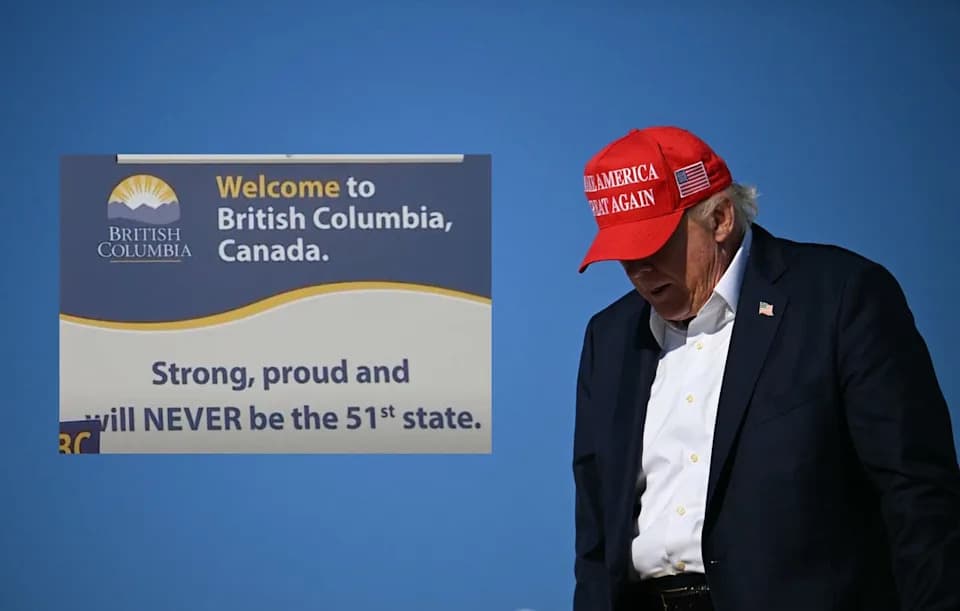
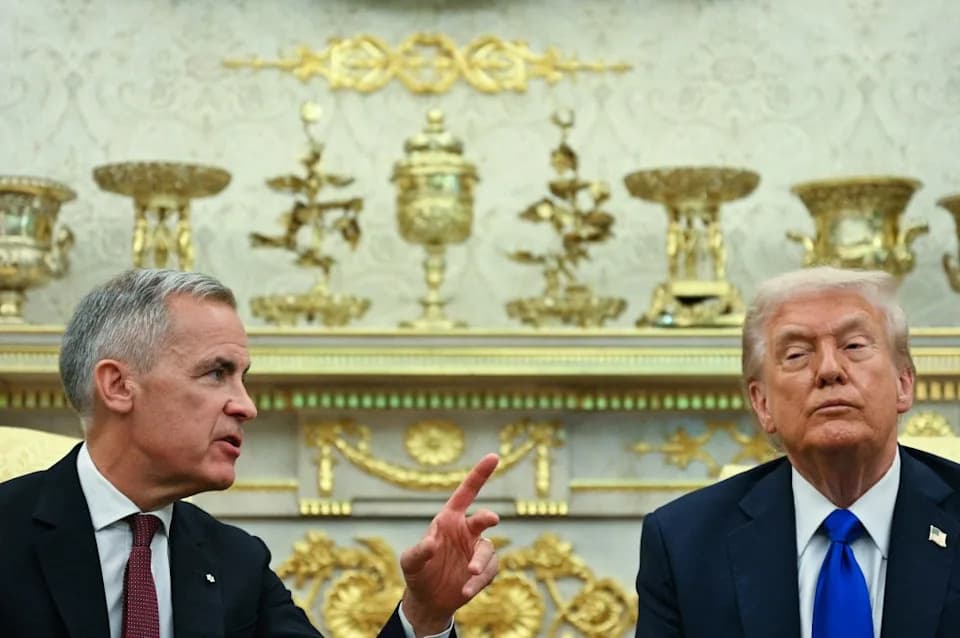
US President Donald Trump and Canadian Prime Minister Mark Carney (Mandel NGAN)(Mandel NGAN/AFP/AFP)
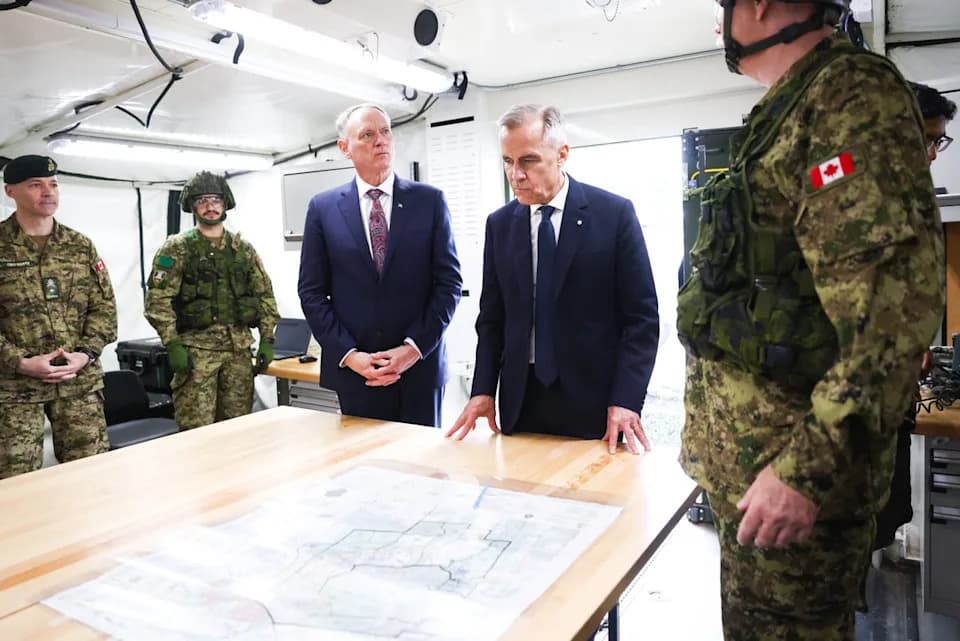
Canadian Prime Minister urged the United States Thursday to "respect Canadian sovereignty" after media reports that State Department officials met with representatives of an Alberta separatist group.
The group, known as the Alberta Prosperity Project (APP), has received authorization to collect signatures for a proposed referendum on Alberta independence. Organizers say a vote could be held as early as this fall, although current polling suggests separatist support remains limited.
Reported Washington Meetings
The Financial Times reported that APP leaders met with State Department officials in Washington three times since April. The reports followed remarks attributed to U.S. Treasury Secretary Scott Bessent praising Alberta as "a natural partner for the US" and noting the province's resources and independent character.
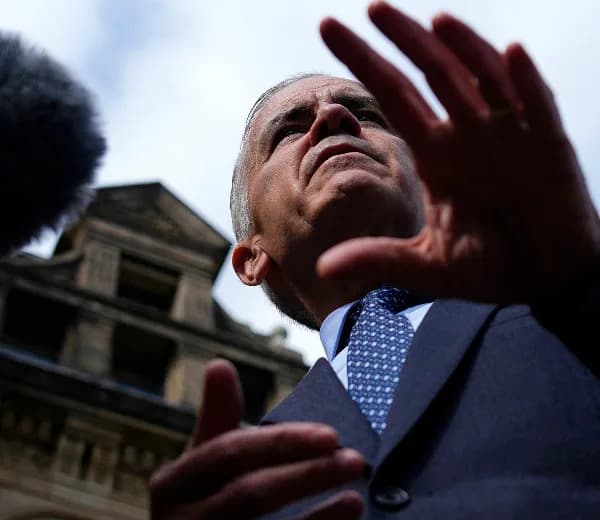
When asked about the FT story and the U.S. comments, the Prime Minister said: "I expect the US administration to respect Canadian sovereignty."
A senior State Department official told AFP that "the Department regularly meets with civil society types. As is typical in routine meetings such as these, no commitments were made."
Political Reactions At Home
The Prime Minister spoke alongside provincial leaders, including Alberta Premier Danielle Smith. Smith said she, too, would expect Washington to respect Canada's sovereignty and that she would raise any concerns about foreign interference in the referendum process.
Smith reiterated support for a "sovereign Alberta, within a united Canada," and blamed the previous federal government under Justin Trudeau for fueling alienation in the province. "For 10 years under Justin Trudeau's government, our province was relentlessly attacked, our economy was relentlessly attacked," she told reporters.
British Columbia Premier David Eby strongly criticized the reported meetings, calling them "treason" and underscoring the potential national-security and unity implications of foreign contact with a separatist movement.
Wider Context
Unlike Quebec's decades-long, organized separatist movement, Alberta's independence push is newer and has not historically posed the same threat to Canadian cohesion. Still, resentment toward Ottawa grew in Alberta during Justin Trudeau's time in office, driven in part by disputes over climate policy and energy infrastructure.
One flashpoint is a proposed pipeline to the Pacific coast. The prime minister's cooperation on advancing a new oil pipeline could, Premier Smith suggested, reduce separatist sentiment; opponents in British Columbia — including Pacific coast First Nations — have vowed to block the project.
Polling is mixed but indicates support for independence is a minority position: a January 23 Ipsos poll cited by outlets found about 28% of Albertans would vote yes on independence.
Note: Reporting attributes quotes and claims to the Prime Minister, the Financial Times, Ipsos and officials cited in news coverage. The State Department described its contacts as routine meetings with civil-society actors and said no commitments were made.
Help us improve.