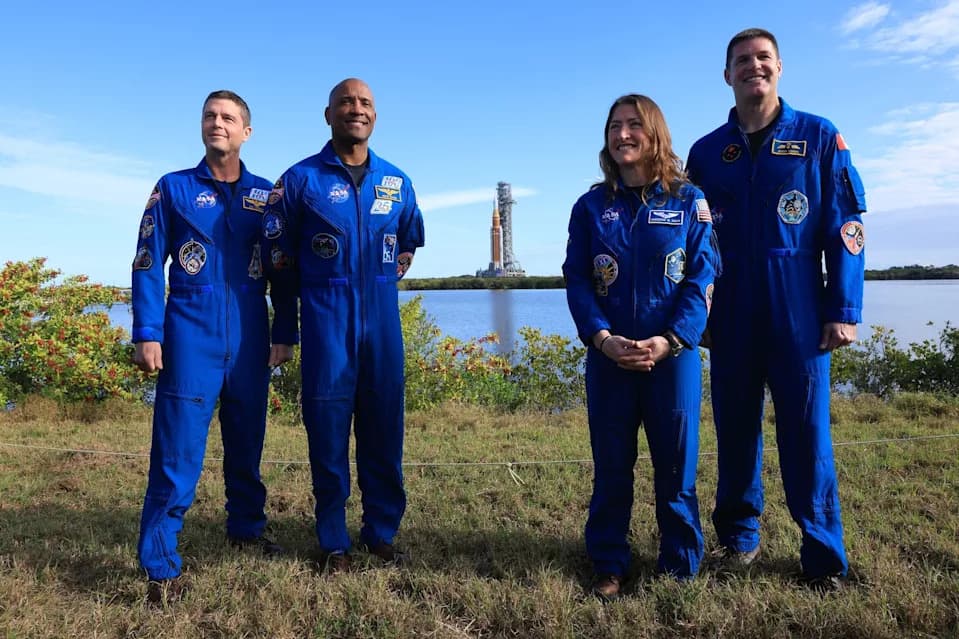
Artemis II will be the first crewed mission beyond low Earth orbit since 1972, flying a 10-day circumlunar test to validate NASA’s SLS rocket and Orion spacecraft. The four-person crew — Reid Wiseman, Victor Glover, Christina Koch and Jeremy Hansen — includes historic firsts in representation and will travel about 4,700 miles beyond the moon’s far side. The mission is primarily a systems shakedown ahead of planned lunar landings, but the timeline for Artemis III remains uncertain because a lunar lander has not yet been finalized.
After 54 Years, Humans Return Near the Moon — Artemis II's Bold Circumlunar Test
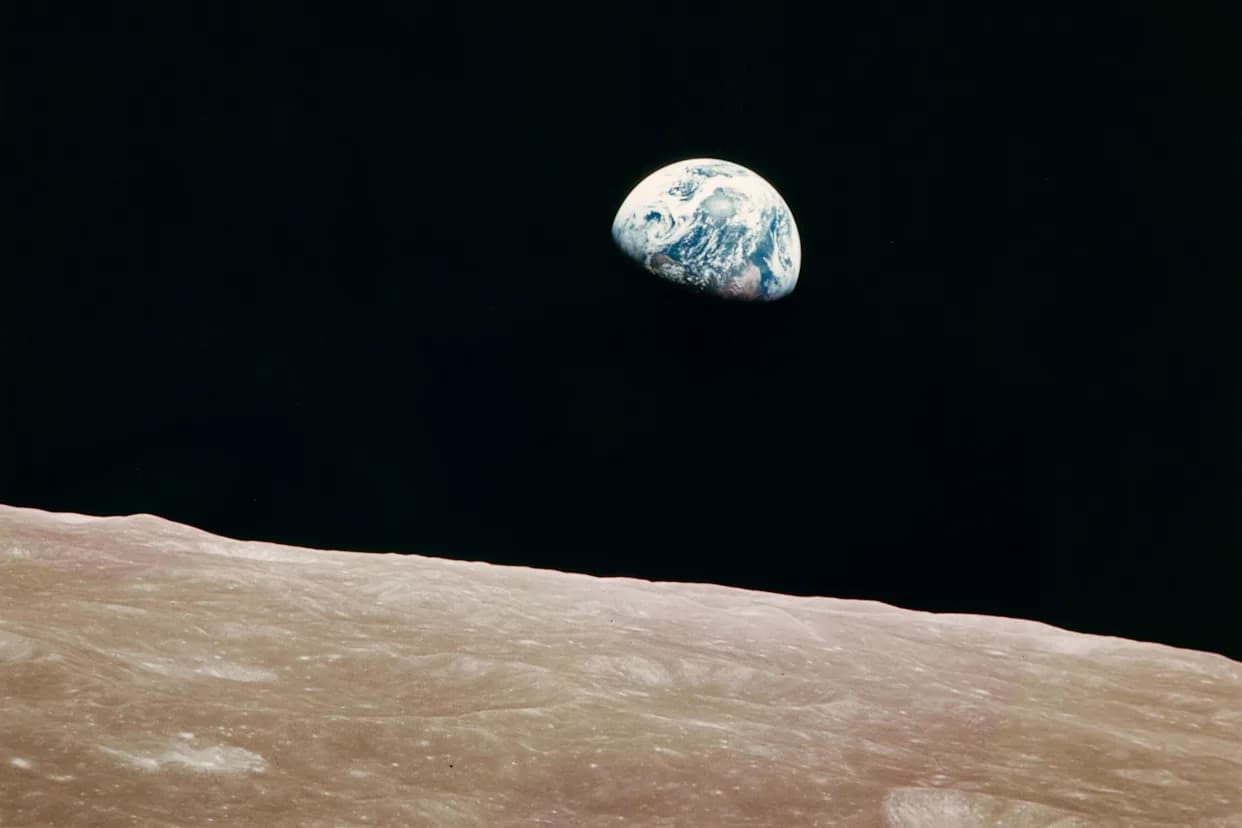
Human society has transformed dramatically since the Apollo era; the moon has not. In early 2026, if all goes to plan, NASA’s Artemis II crew will fly back into the lunar neighborhood on a 10-day circumlunar test flight — the first human voyage beyond low Earth orbit since Apollo 17 in 1972.

Illustration by Jason Seiler for TIME
From Apollo 8 to Artemis II: A Legacy of Risk and Wonder
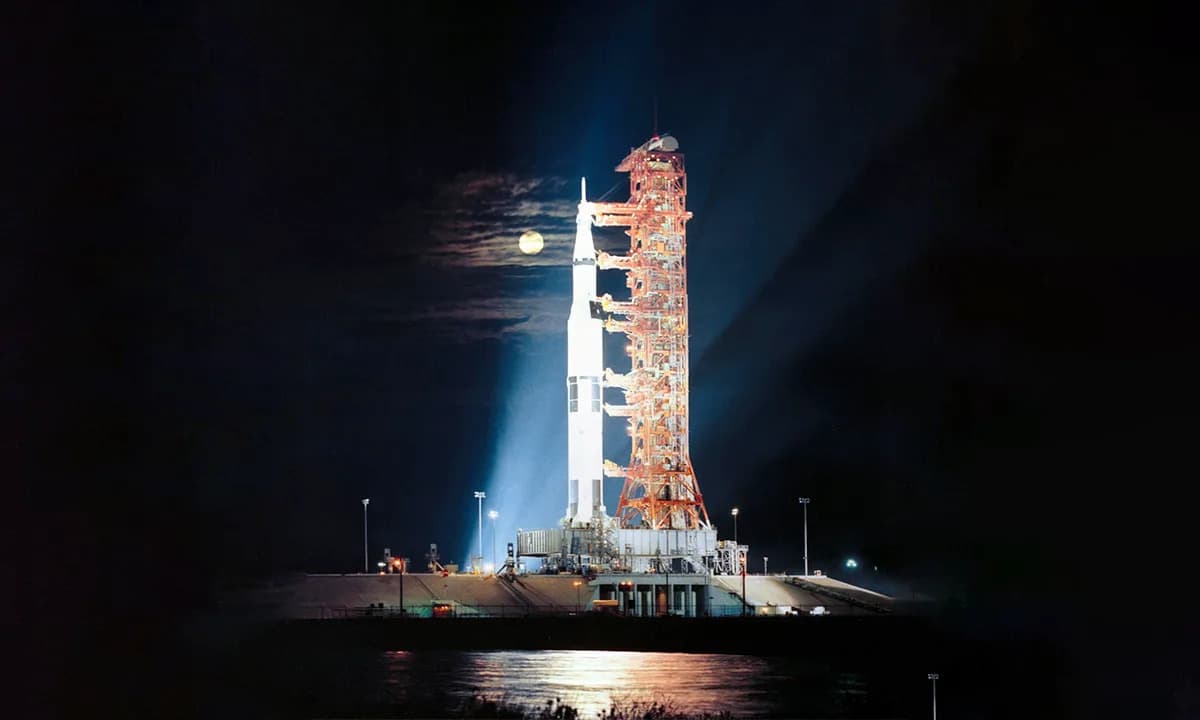
In 1968, Apollo 8’s mission planners chose a daring lunar-orbit profile despite warnings that a failed engine burn could strand astronauts in lunar orbit forever. The crew — Frank Borman, Jim Lovell and Bill Anders — instead delivered images and words that helped redeem a turbulent year. Today’s Artemis II crew — commander Reid Wiseman, Victor Glover, Christina Koch and Jeremy Hansen — arrives with different technology and a different social backdrop, but with a similar capacity to capture global attention.
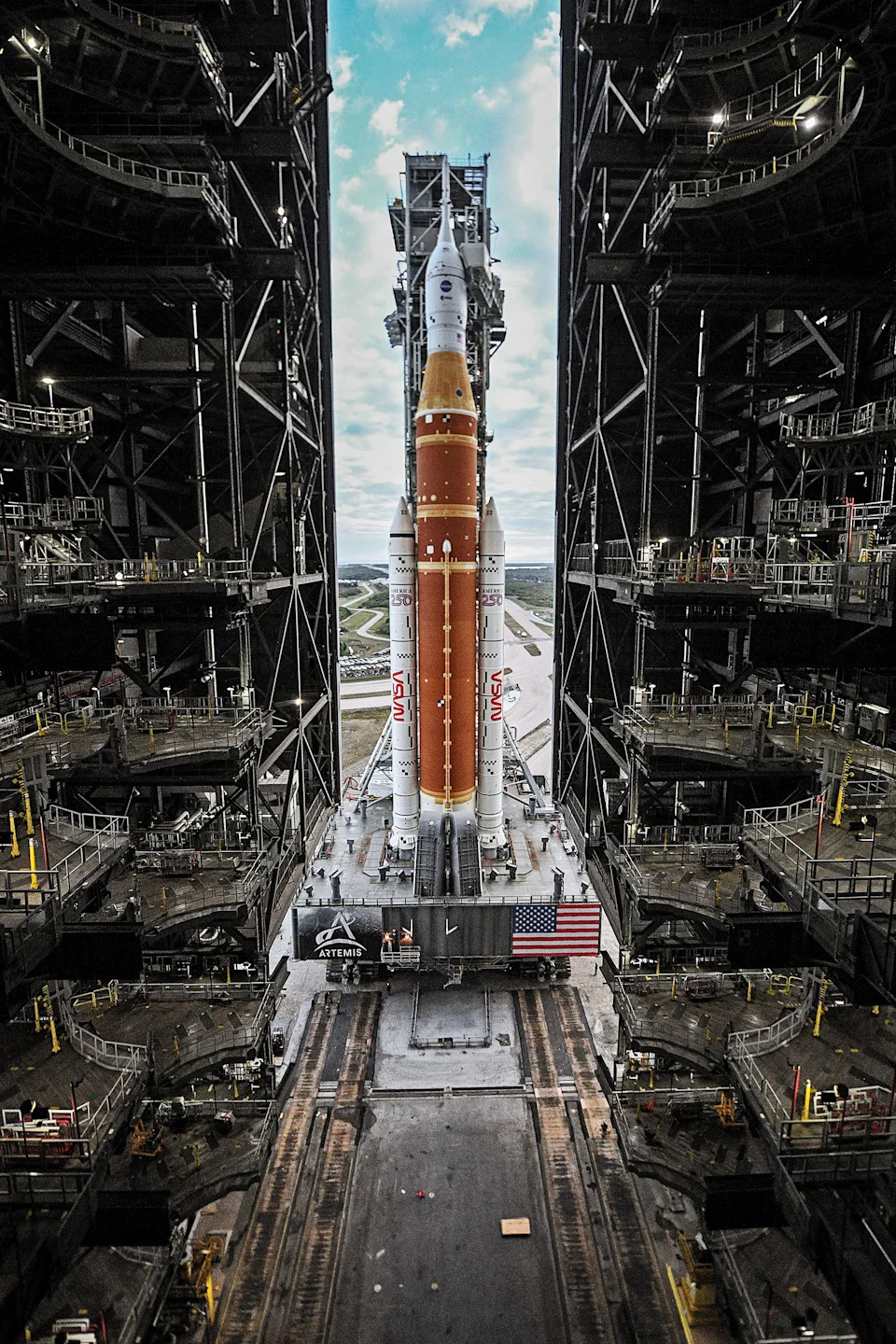
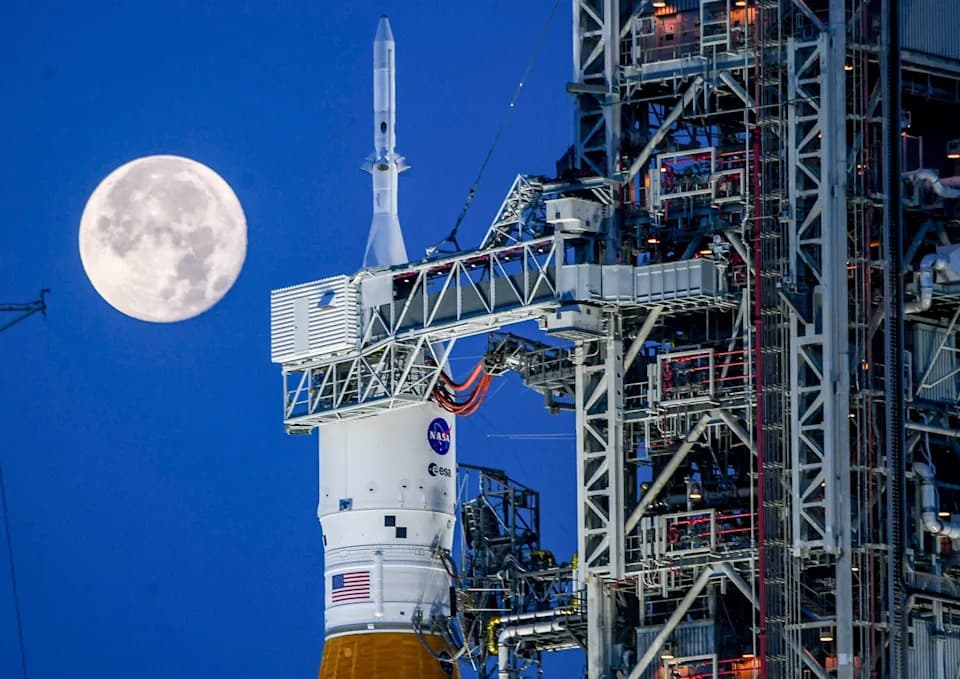
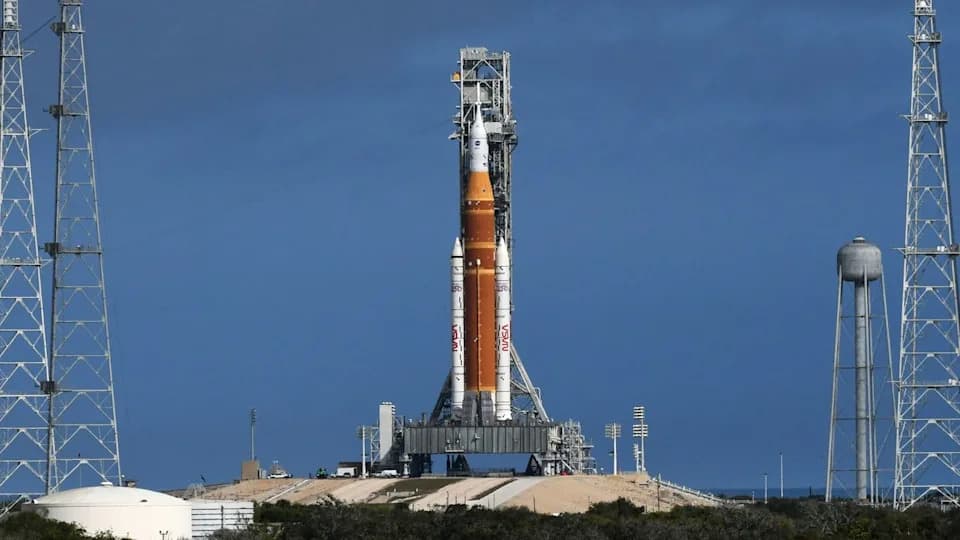
NASA's Artemis II Space Launch System rocket and Orion spacecraft are rolled out of the Vehicle Assembly Building to Launch Pad 39B at Kennedy Space Center in Florida on Jan. 17, 2026.Jim Watson—AFP/Getty Images
Mission Profile: A Focused Systems Test
Artemis II is an engineering mission designed to validate NASA’s Space Launch System (SLS) and the Orion spacecraft in lunar flight conditions. After launch, Orion will complete two extended, highly elliptical orbits of Earth before performing translunar injection (TLI). The mission follows a circumlunar trajectory: Orion will pass behind the moon without entering lunar orbit, then use lunar gravity to return to Earth, completing the roughly 10-day flight.
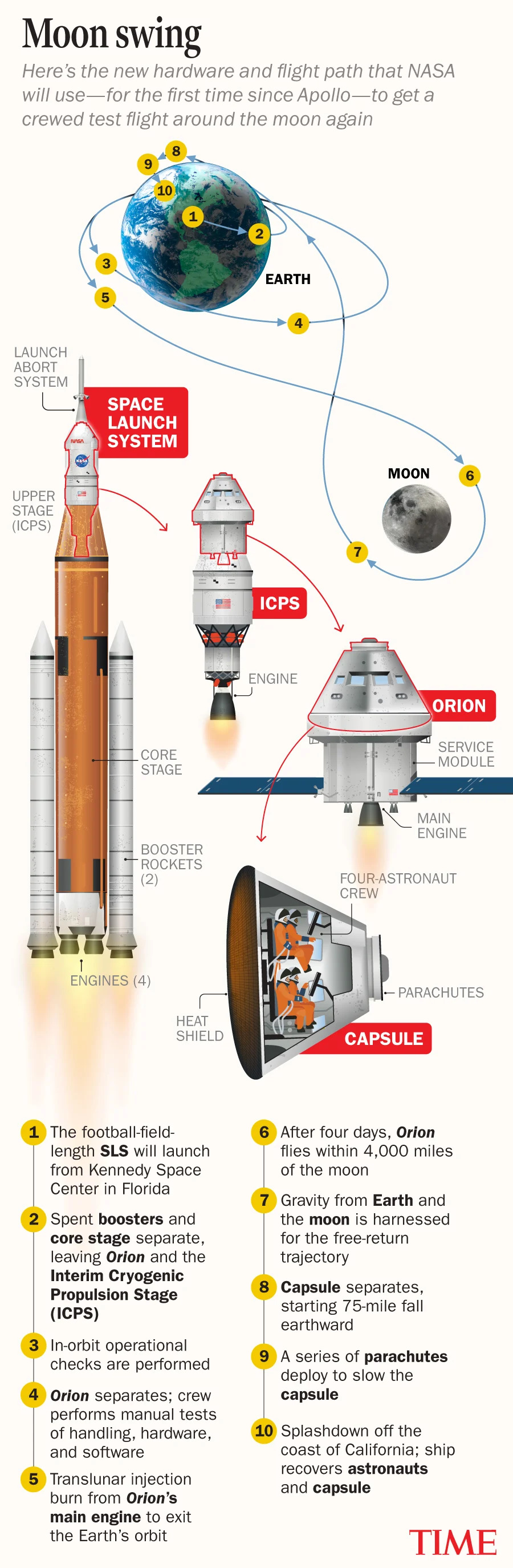
Graphic by Lon Tweeten
How Far Will They Go?
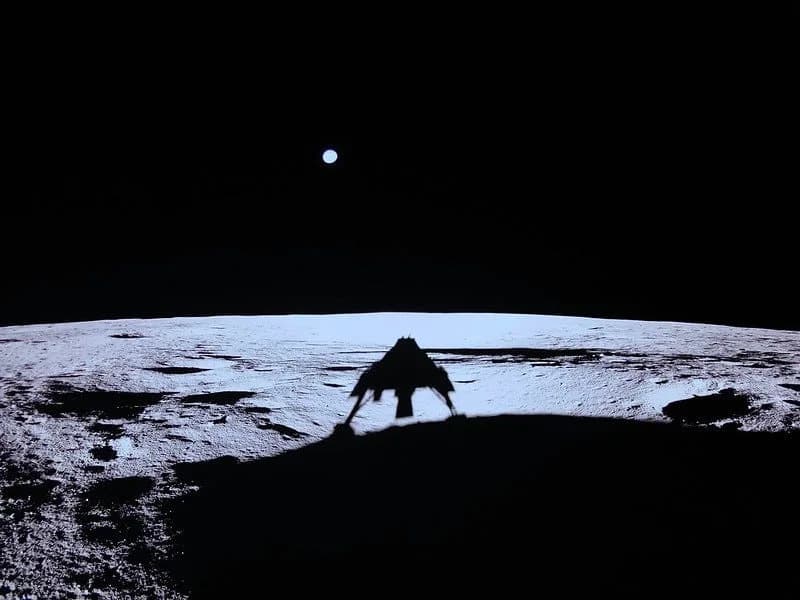
The mission will carry humans farther from Earth than any previous mission. Apollo 13 reached about 158 miles beyond the far side of the moon; Artemis II is expected to reach roughly 4,700 miles beyond the lunar backside, enabling dramatic photography of Earth and the moon in the same frame.
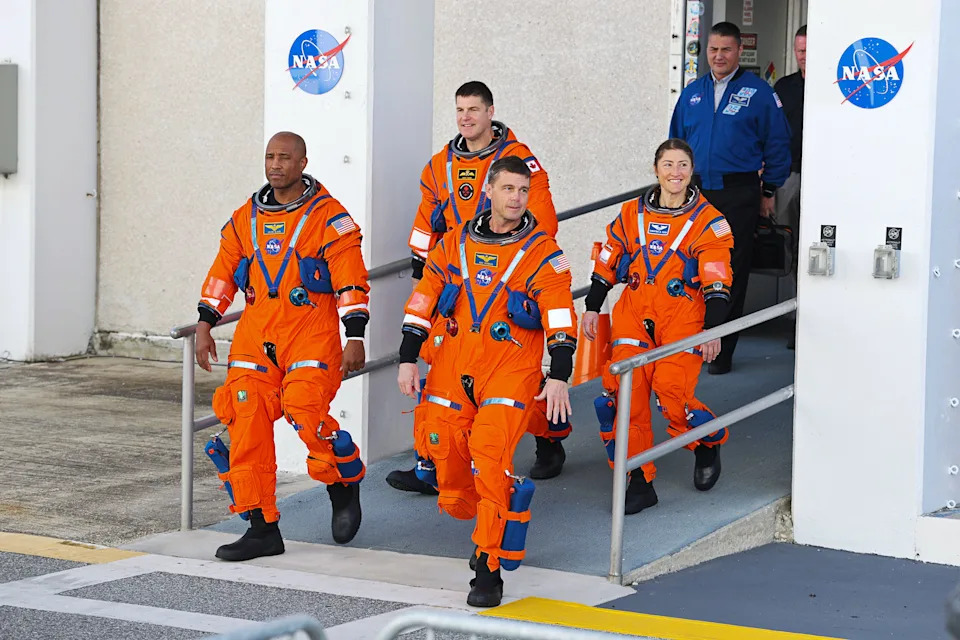
The Artemis II crew rehearsing the walkout from the suit-up facility.Joe Raedle—Getty Images
Reentry: Fiery, Precise and Familiar
Reentry will be one of the mission's most demanding moments. Orion will hit the atmosphere at roughly 25,000 mph, subjecting its heat shield to temperatures approaching 5,000°F. To survive, Orion will execute a skip-entry profile — dipping into the atmosphere, climbing back out, then reentering to shed heat and deceleration loads — a technique first perfected on Apollo lunar returns.
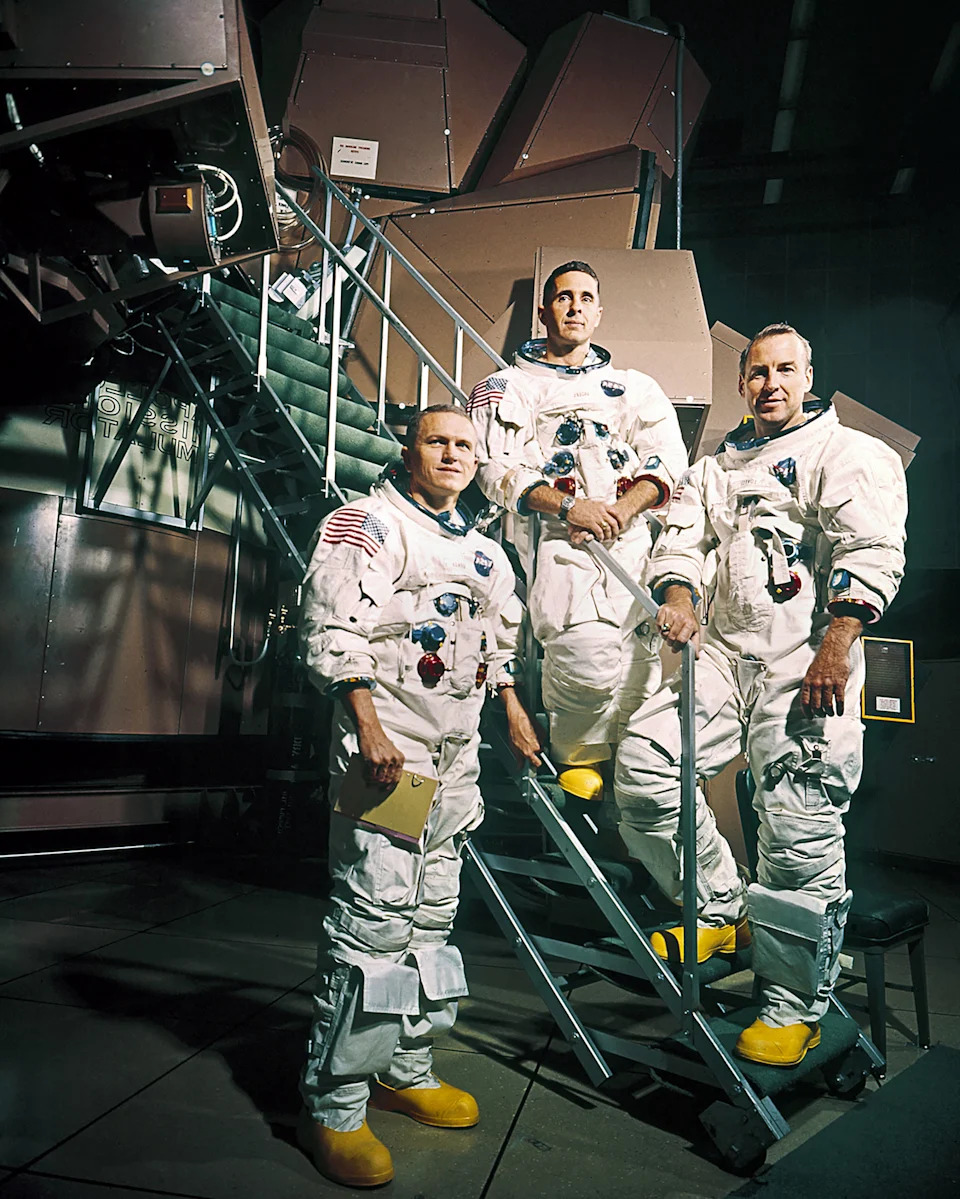
The crew of Apollo 8 in 1968. From left: Frank Borman, William Anders, Jim Lovell.NASA/AFP/Getty Images
People, Representation, And International Partnership
Artemis II’s crew reflects NASA’s effort to broaden representation. Christina Koch will be the first woman to travel to lunar distance; Victor Glover will be the first person of color to go that far; Jeremy Hansen will be the first non-American on a crew that reaches the lunar vicinity. Reid Wiseman, the mission commander, brings prior spaceflight experience and leadership from his time heading the astronaut office.
The Artemis program is also international in scope. The Artemis Accords, launched in 2020, count more than 60 signatories and invite partners to contribute hardware, funding, and personnel toward sustained lunar operations, with a long-term aim of a station or base near the moon’s south pole.
What Comes Next: Artemis III And The Lander Challenge
Artemis III is slated to attempt a crewed lunar landing, but the timeline has slipped repeatedly and hinges on the development of a lunar lander. NASA awarded SpaceX a $2.89 billion contract in 2021 to develop a Starship-based lander. Starship’s scale and the complexity of on-orbit refueling have generated skepticism — especially after multiple high-profile test failures — prompting NASA to invite additional proposals from other companies, including Blue Origin (Blue Moon) and Lockheed Martin (a "design-for-inventory" lander built from existing hardware).
Why It Matters
Beyond technical milestones, Artemis II is poised to deliver a moment of public uplift: a human story with global resonance. Whether it rekindles the same shared wonder of Apollo depends on execution and public engagement, but the mission will certainly reopen humanity's ledger of lunar travelers and test systems needed to sustain future exploration.
"Let’s get to splashdown successfully," Victor Glover summed up. "Then maybe we can revisit the question."
Write to Jeffrey Kluger at jeffrey.kluger@time.com.
Help us improve.