Canadian Prime Minister Justin Trudeau visits China from January 13–17 to mend diplomatic ties and promote trade, investment and cooperation in energy and agriculture. The trip follows an invitation from President Xi Jinping at last year's APEC summit and is Canada’s first state visit to China since 2017. Key obstacles include fallout from the 2018 Huawei arrest and the detention of two Canadians, as well as recent reciprocal tariffs. Observers say the visit could yield energy or electric vehicle deals, but any agreement will be closely watched in Washington and could influence trilateral trade talks.
Justin Trudeau Begins State Visit To China To Rebuild Trade And Relations (Jan 13–17)
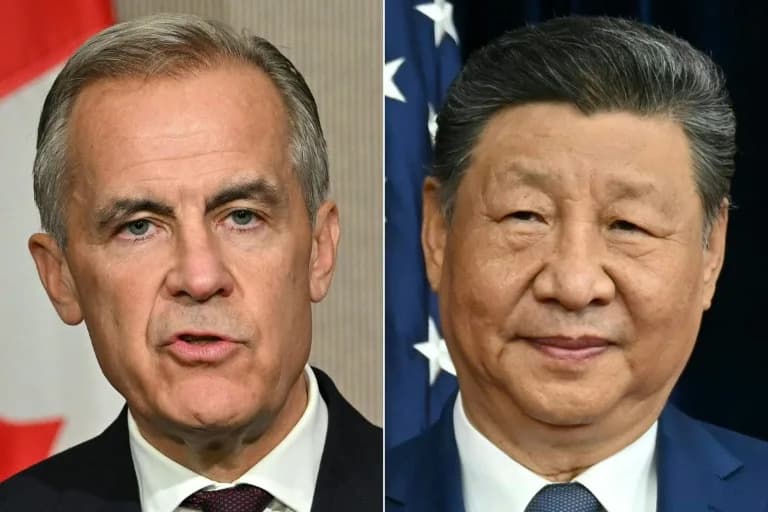
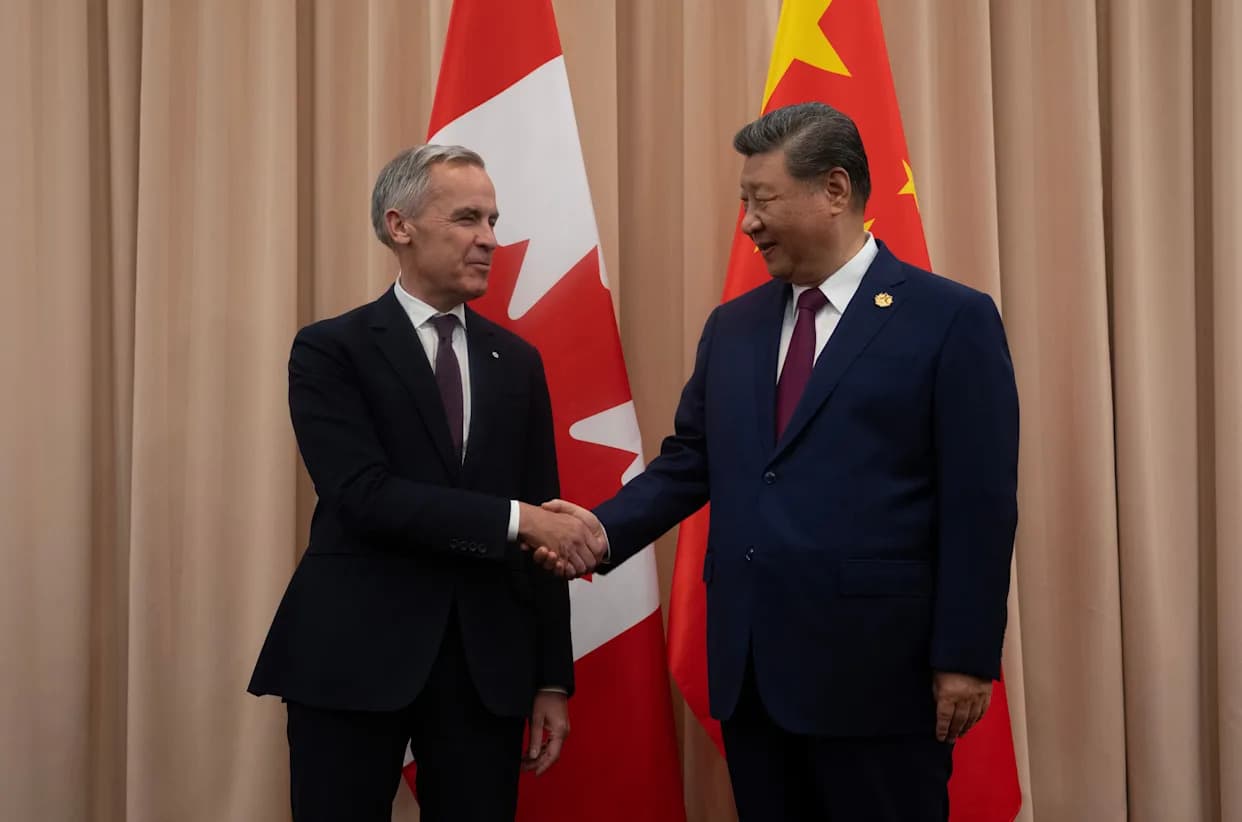
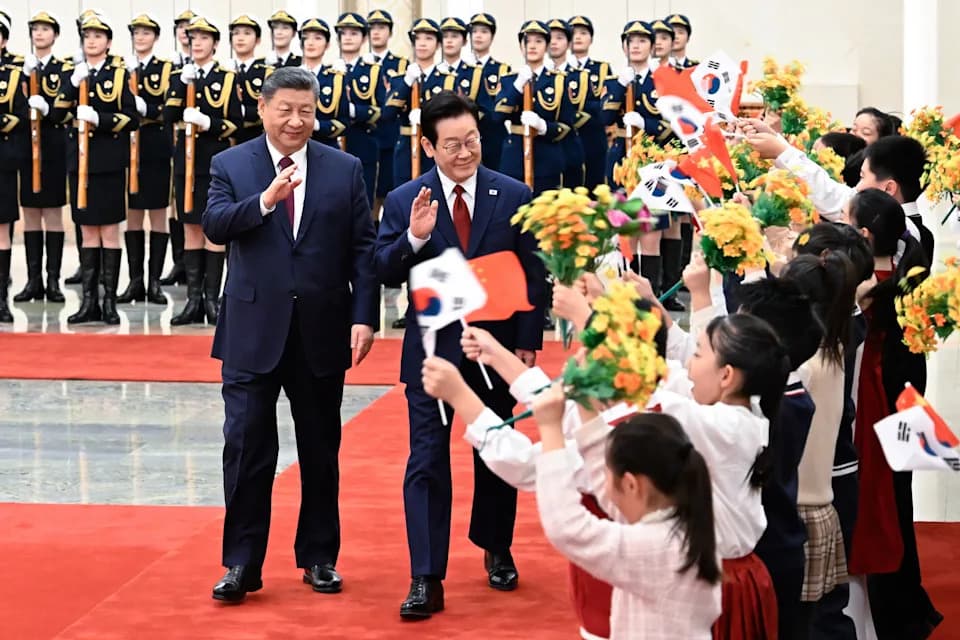
Canadian Prime Minister Mark Carney (L) will visit China at the invitation of President Xi Jinping (R) from January 13 to 17, 2026 (Arif Kartono)(Arif Kartono/AFP/AFP)
Canadian Prime Minister Justin Trudeau will begin a state visit to China on January 13–17, the first by a Canadian leader in eight years, aiming to repair strained diplomatic ties and revive trade and investment links.
Chinese President Xi Jinping extended the invitation last October during talks on the margins of the Asia-Pacific Economic Cooperation (APEC) summit — an encounter Trudeau described as a potential "turning point" in bilateral relations.
A spokeswoman for the prime minister told AFP the trip seeks to "strengthen cooperation in the areas of trade, energy, agriculture and international security." The visit will include meetings with Premier Li Qiang, talks with senior Chinese officials and sessions with business leaders to explore new investment and strategic partnerships.
Background And Stakes
Relations between Ottawa and Beijing have been tense since 2018, after the arrest in Vancouver of a senior Huawei executive on a U.S. warrant and China's subsequent detention of two Canadians on espionage charges. China has also been accused of interfering in Canadian elections in recent years — a lingering political concern that continues to shadow talks.
"It's a huge step forward," said Gordon Houlden, former Canadian diplomat and director of the University of Alberta's China Institute, noting that resolving political impediments could help restore commercial ties.
China is now Canada’s second-largest trading partner, with bilateral trade totaling C$118.7 billion (US$85.3 billion) in 2024. Observers say potential deliverables from the trip could include agreements on energy supply and collaboration on electric vehicles, as business and government officials pursue opportunities on both sides.
Tariffs, Trade Tensions And Washington's Watchful Eye
Despite the outreach, major obstacles remain. Since mid-2024 Ottawa and Beijing have imposed reciprocal tariffs: Canada has levied duties on certain electric vehicles and Chinese steel, while China has responded with tariffs on agricultural exports including canola. Experts warn that any deal reached with China will be scrutinized in Washington and might affect trilateral discussions with the United States and Mexico, as a renegotiation of the North American trade framework is expected this year.
"Carrying forward economic objectives while safeguarding national and economic security will be Trudeau's central challenge," said Vina Nadjibulla, vice-president of the Asia Pacific Foundation of Canada.
Following Beijing, Trudeau is scheduled to visit Qatar for bilateral meetings and will then travel to Davos, Switzerland, to attend the World Economic Forum's annual meeting.
Help us improve.