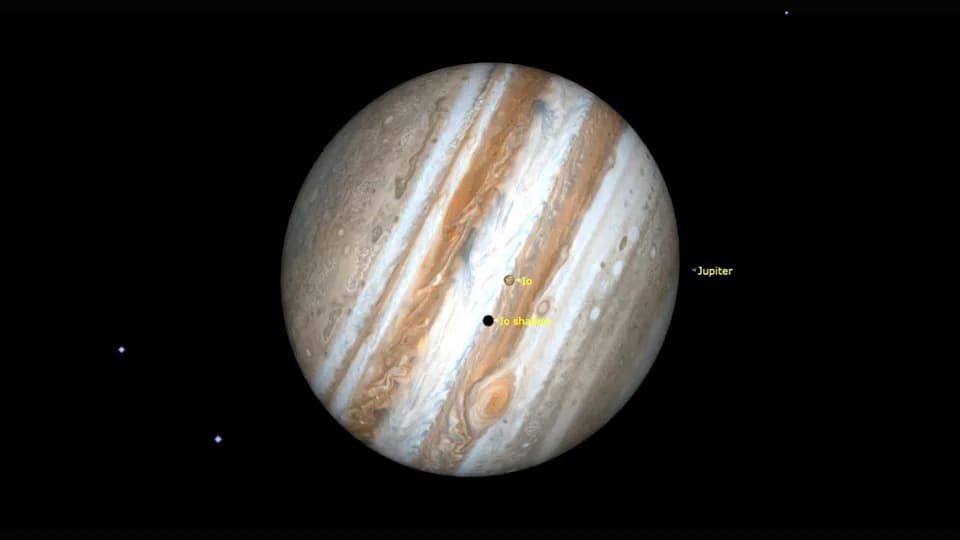
NASA’s Juno observed simultaneous volcanic eruptions on Io that covered about 40,400 sq mi (65,000 sq km) and released an estimated 140–260 terawatts of power—the largest volcanic energy output recorded in the solar system. The coordinated brightening of multiple vents on Dec. 27, 2024 suggests interconnected magma reservoirs or a sponge-like mantle beneath Io. The event was detected by Juno’s JIRAM instrument and is described in a paper published on Jan. 10 in Journal of Geophysical Research: Planets. Future Juno flybys will map new lava flows and ash deposits resulting from this eruption.
Juno Captures Largest Volcanic Eruption Ever Seen on Jupiter’s Moon Io
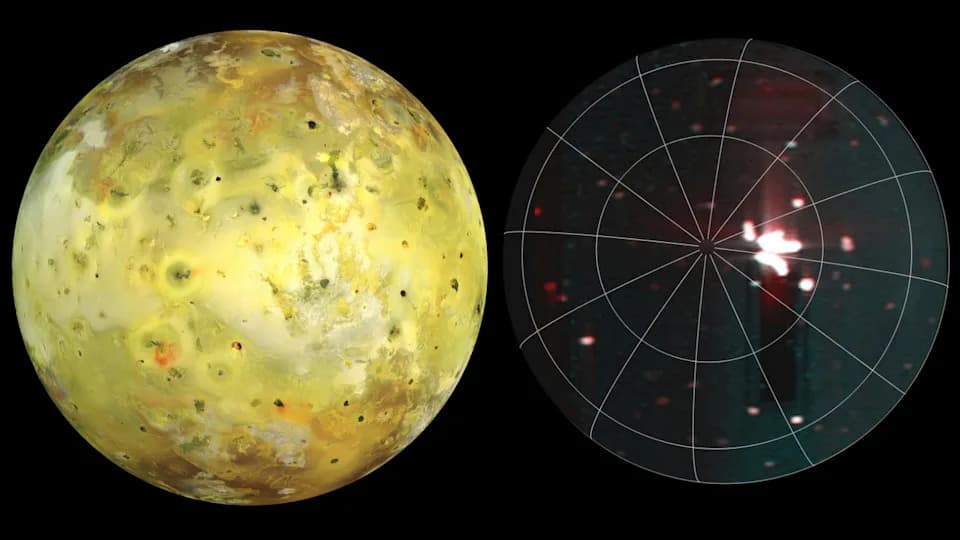
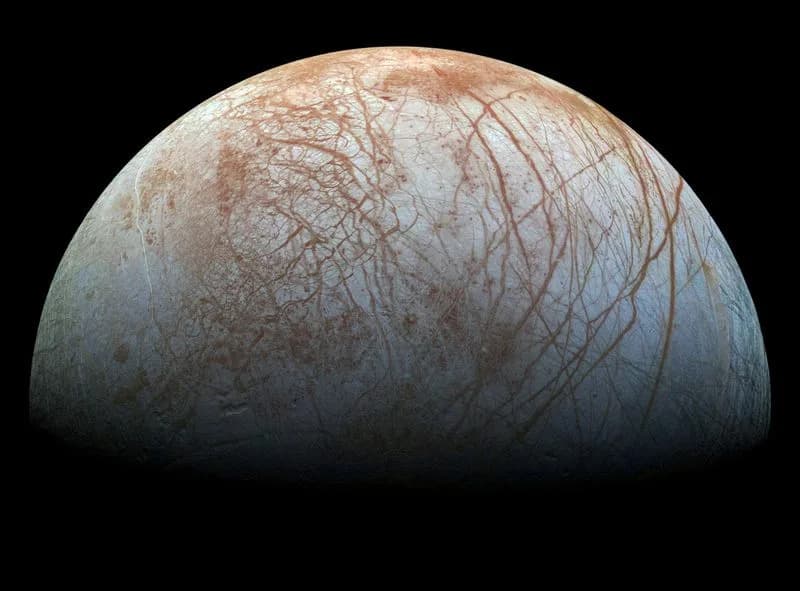
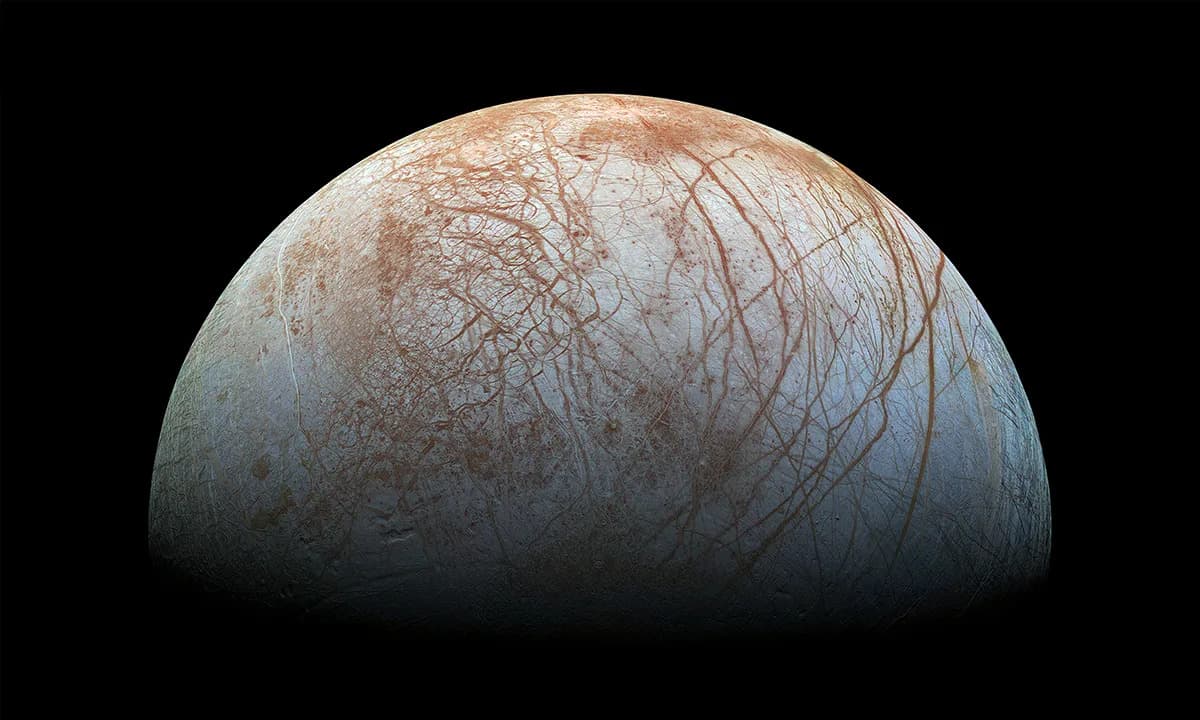
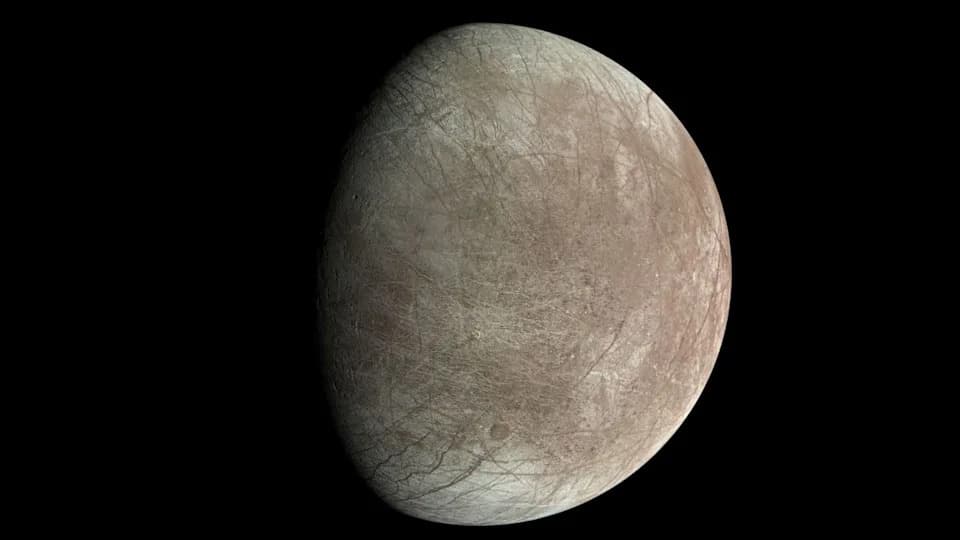
(Left) Io as seen by NASA's Galileo spacecraft on 3 July 1999 (Right) A massive volcanic hotspot observed by Juno in 2024. | Credit: NASA / JPL / University of Arizona/ NASA/JPL-Caltech/SwRI/ASI/INAF/JIRAM
NASA’s Juno spacecraft recorded the most powerful volcanic event observed anywhere in the solar system when multiple eruptions on Jupiter’s moon Io brightened simultaneously over an area of about 40,400 square miles (65,000 square kilometers). The coordinated activity—detected by Juno’s infrared instrument during a close flyby—points to a previously hidden network of interconnected magma reservoirs beneath Io’s lava-scarred surface.
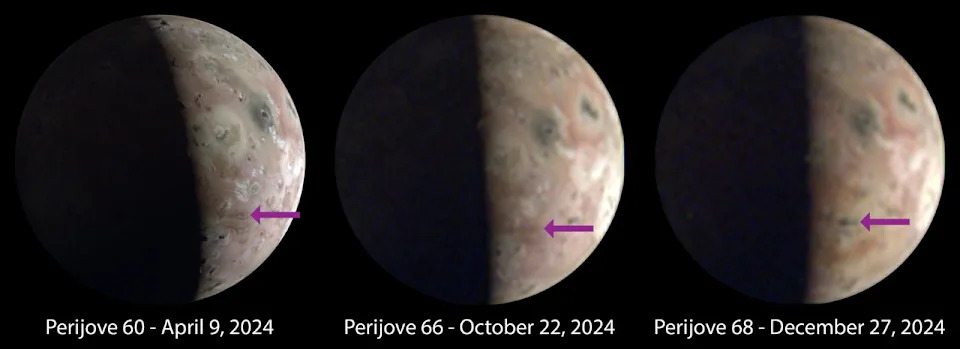
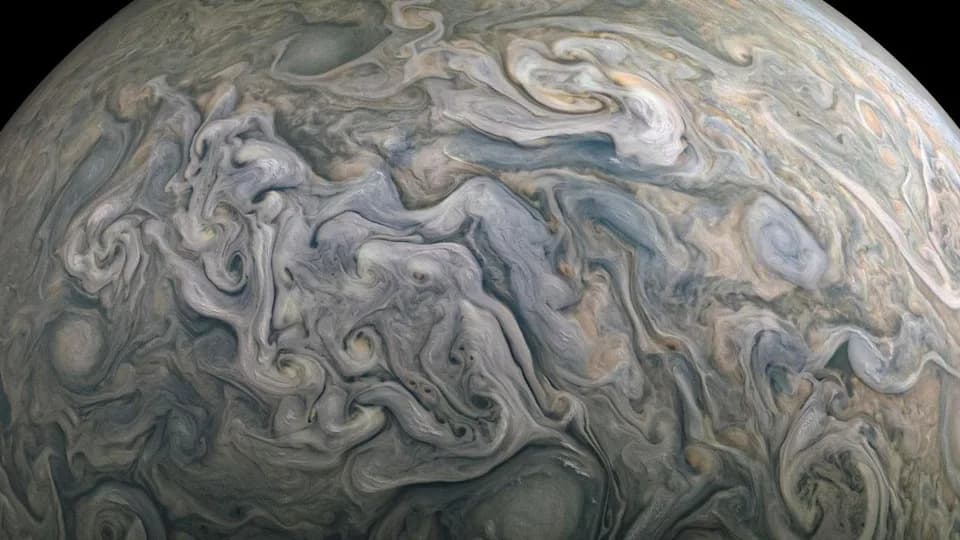
Images of Io taken by Juno during several fly-bys detect how the region in which the volcanic event was located changed. | Credit: NASA/JPL–Caltech/SwRI/MSSS/Image processing by Jason Perry.
Event Details
The outburst occurred on Dec. 27, 2024, while Juno passed roughly 46,200 miles (74,400 kilometers) above Io. Scientists estimate the eruptions released between 140 and 260 terawatts of thermal power (one terawatt = one trillion watts), making it the most energetic volcanic episode yet recorded. For context, the previous Io record—Surt's 2001 eruption—was about 80 terawatts, and the 1980 Mount St. Helens eruption produced about 52 terawatts.
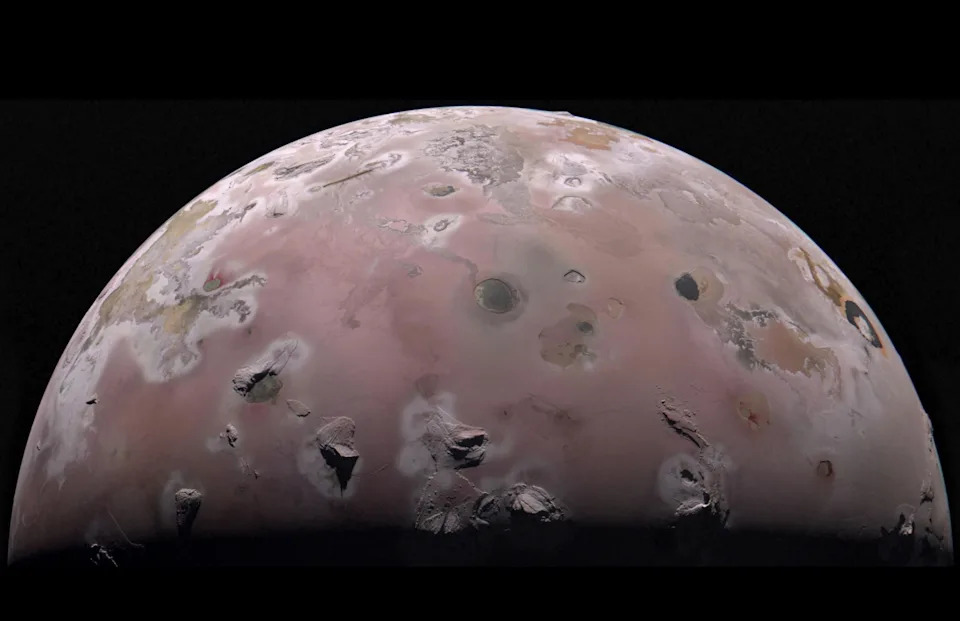
Jupiter’s moon Io is covered in volcanoes, lava flows and ash deposits. | Credit: NASA/JPL–Caltech/SwRI/MSSS/Image processing by Gerald Eichstädt.
Alessandro Mura (INAF): The event did not involve a single vent but multiple sources that brightened in near-perfect synchrony, suggesting a single, extensive eruptive episode propagated through the subsurface for hundreds of kilometers.
What This Means
Io, about 2,263 miles (3,643 km) across and home to roughly 400 active volcanoes, is heated by intense tidal forces from Jupiter that keep much of its interior molten. The simultaneous activation of many vents implies these volcanoes may be fed by an interconnected system of magma reservoirs—or a "sponge-like" mantle full of magma-filled pores—allowing eruptions to trigger across large distances. Not all nearby vents erupted, indicating multiple, distinct magma networks may exist beneath the surface.
How It Was Detected
The thermal outburst was measured by Juno’s JIRAM (Jovian InfraRed Auroral Mapper), an instrument designed to study Jupiter’s atmosphere and aurorae but also well suited to spot hot volcanic regions on Io. As part of Juno’s extended mission, the spacecraft has resumed close encounters with Jupiter’s Galilean moons and will continue to map Io to search for new lava flows and ash deposits produced by this event.
Publication
The observations and analysis are reported in a paper published on Jan. 10 in Journal of Geophysical Research: Planets.
Help us improve.