Canadian Prime Minister Justin Trudeau will visit China from Jan. 13–17 to meet President Xi Jinping as Ottawa works to reduce its heavy economic reliance on the United States. The trip — the first by a Canadian prime minister to China in more than eight years — follows an October Asia-Pacific summit invitation and aims to rebuild ties strained since the 2018 Huawei arrest and subsequent detentions. Ottawa seeks to double non-U.S. exports over the next decade while navigating recent trade tensions, including Canada’s 100% EV tariff and Chinese retaliatory tariffs.
Trudeau To Visit China Jan. 13–17 As Canada Moves To Diversify Trade Away From U.S.
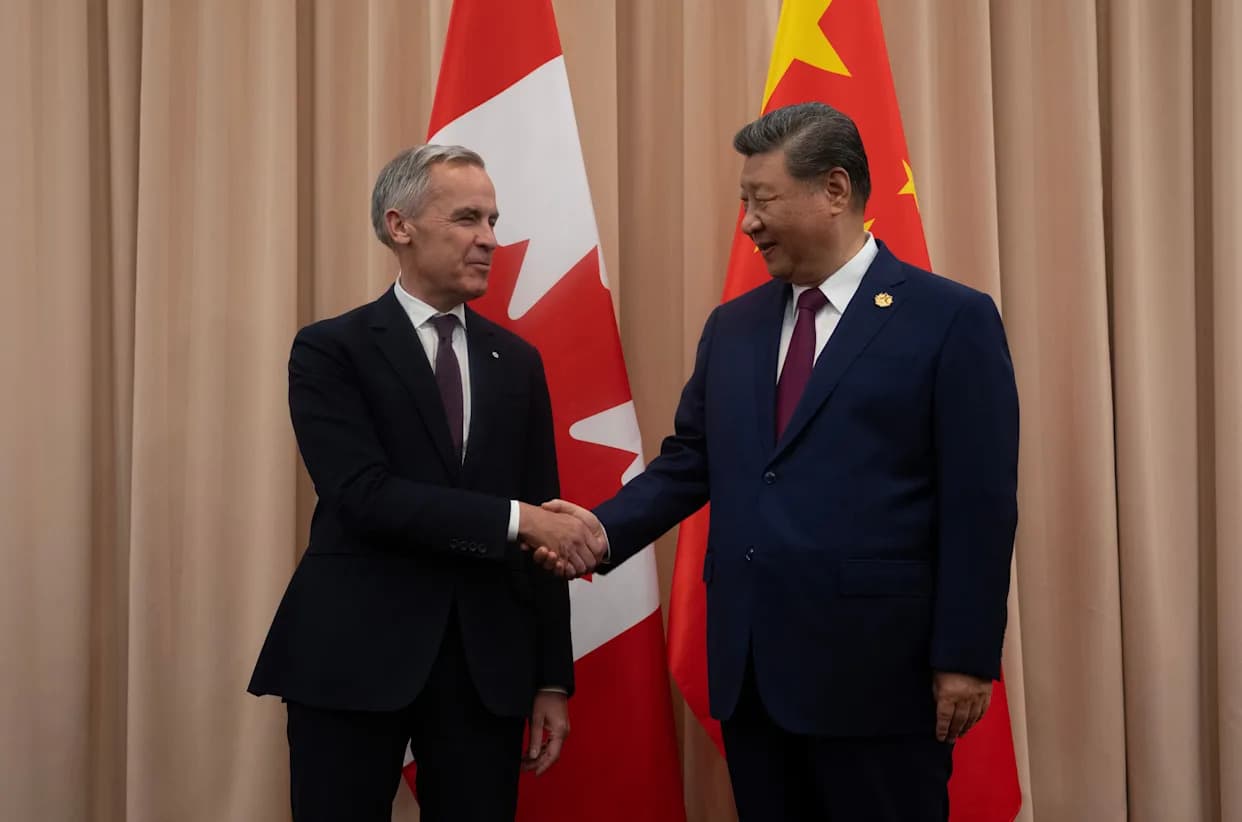
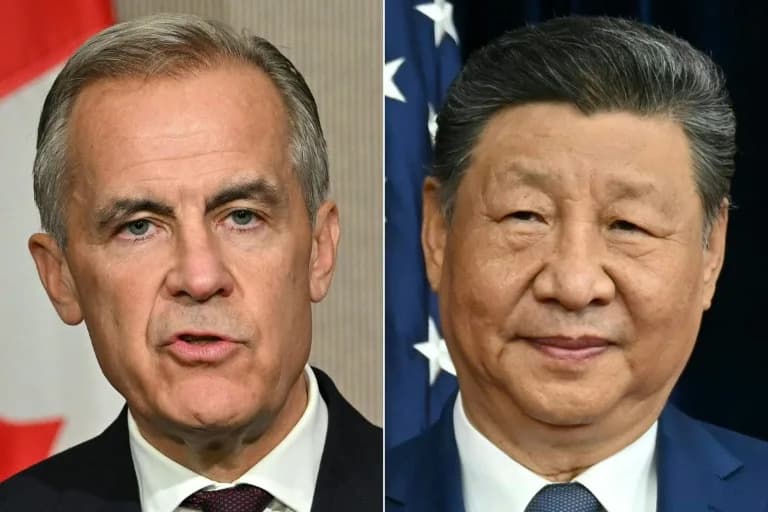
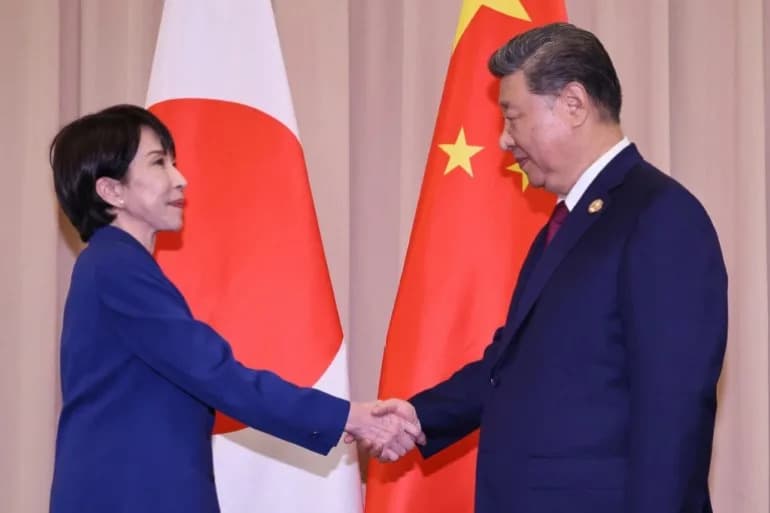
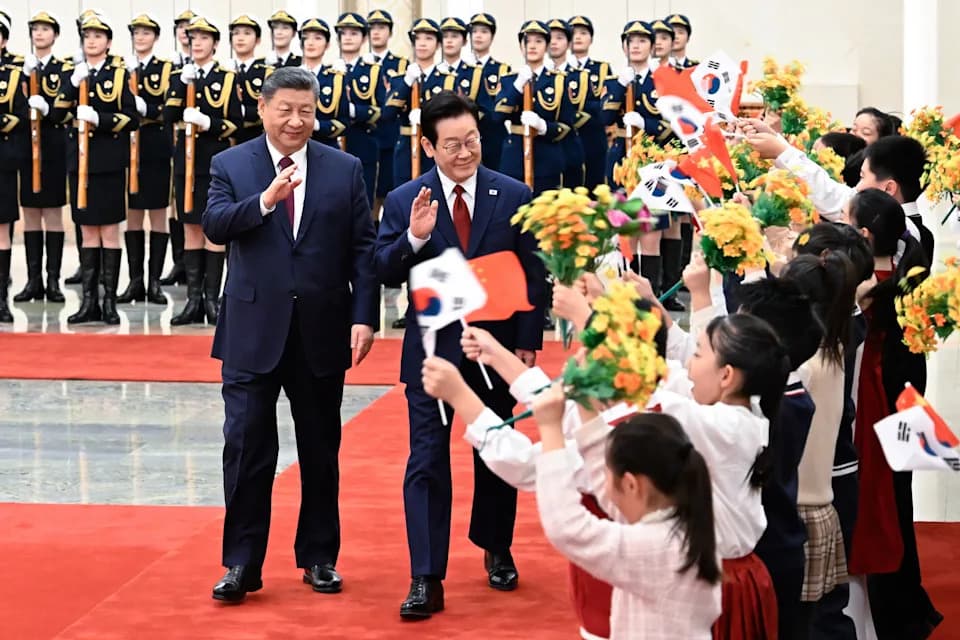
FILE - Canadian Prime Minister Mark Carney, left, shakes hands with Chinese President Xi Jinping at the start of a meeting in Gyeongju, South Korea, Oct. 31, 2025. (Adrian Wyld/The Canadian Press via AP, File)
Canadian Prime Minister Justin Trudeau will travel to China from Jan. 13–17 to meet with President Xi Jinping as Ottawa seeks to reduce its heavy economic dependence on the United States and strengthen ties with other major partners.
The trip, the first visit to China by a Canadian prime minister in more than eight years, follows an invitation from Xi after their meeting at an Asia-Pacific summit in October. The visit is being framed as part of efforts by both Ottawa and Beijing to rebuild diplomatic and economic relations after years of tension.
Economic Diversification Goal
In a statement, the prime minister said Canada is "forging new partnerships around the world to transform our economy from one that has been reliant on a single trade partner, to one that is stronger and more resilient to global shock." The visit supports a broader government objective to double Canada’s non-U.S. exports over the next decade.
Trudeau will be in China Jan. 13–17 and is scheduled to attend the World Economic Forum Annual Meeting in Davos, Switzerland, from Jan. 19–21.
Context: Tensions, Tariffs and Trade
More than 75% of Canadian exports currently go to the United States, a concentration Ottawa says it wants to reduce. The outreach to Beijing comes amid lingering disputes: relations between Canada and China deteriorated sharply in late 2018 after Canadian authorities arrested a senior Huawei executive under an extradition request from the United States; Chinese authorities then detained two Canadian citizens, a move widely seen as retaliation.
Most recently, Canada imposed a 100% tariff in 2024 on electric vehicles, batteries and certain other goods from China, a measure enacted alongside similar U.S. actions. Beijing retaliated with steep tariffs on several Canadian products, hitting canola growers, seafood exporters and pork producers particularly hard.
Chinese officials have indicated they could lift import taxes on selected Canadian products if Ottawa agrees to rescind the EV tariff, a potential bargaining point during renewed talks.
Trade Talks Ahead
Officials say the trip will include discussions on trade, investment and areas of mutual interest as Canada balances its relationship with its largest trading partner and seeks to expand markets in Asia and beyond. The North American trade pact with the U.S. and Mexico (USMCA) is also up for review this year, adding another layer to Ottawa’s trade strategy.
Bottom line: The visit aims to repair ties with Beijing while advancing Ottawa’s plan to diversify exports beyond the United States and protect Canadian industries affected by recent tariffs.
Help us improve.