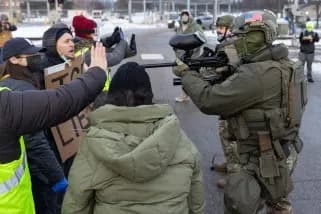
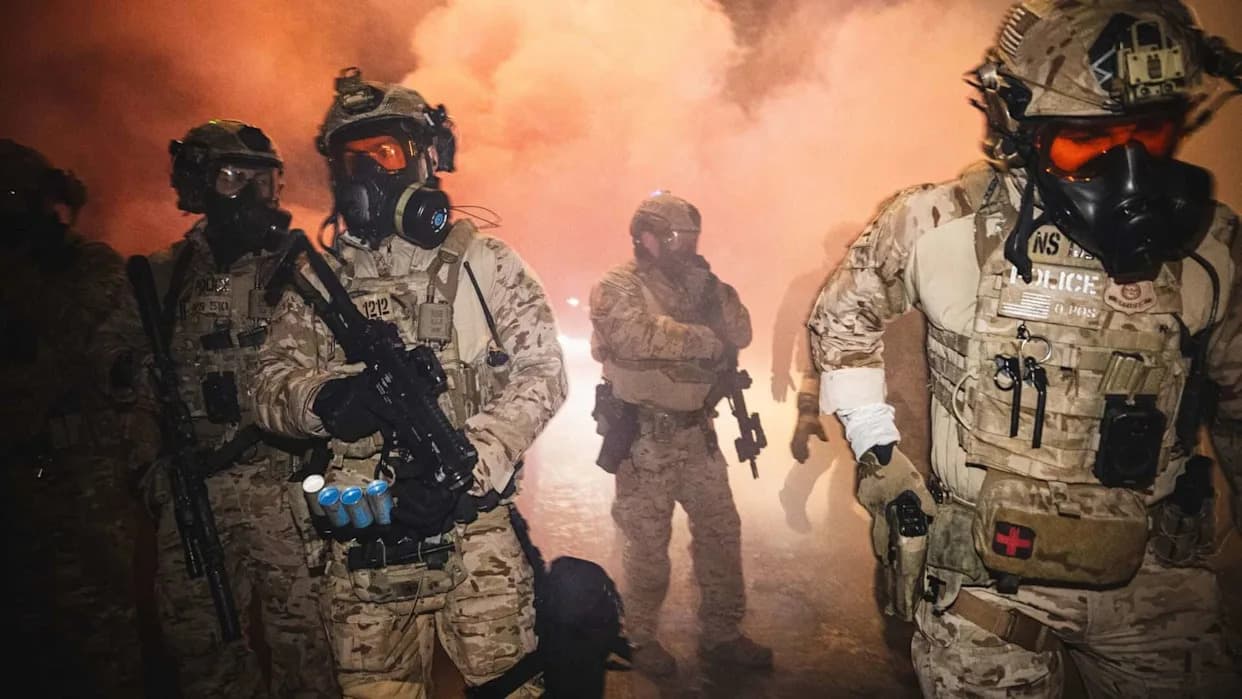
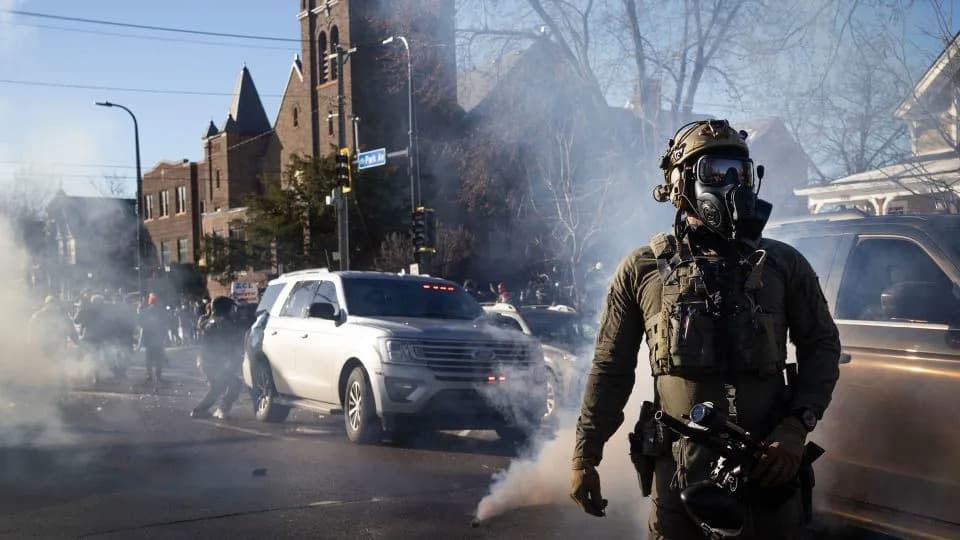
This edition gathers several fast-moving stories: federal agents in Minneapolis sparked outrage after arrests and a shooting; Canada and China announced reciprocal tariff reductions on electric vehicles and canola during a state visit to Beijing. U.S. courts ruled in favor of Dominion Energy on an offshore wind project and blocked a Justice Department bid for California voter data. Other items: Kari Lake acknowledged blocking Radio Free Europe broadcasts to Iran, the FDA removed cellphone-safety pages as HHS opens a radiation study, and the University of Arkansas rescinded a law dean offer after political pushback.
Friday Mini-Report: Key Developments — Jan. 16, 2026
Today’s quick collection of top developments—concise updates on national security, trade, energy, and higher education to carry you into the weekend.
Crisis Conditions in Minneapolis Continue
Outrage has grown after violent encounters between federal agents deployed by the Trump administration and residents of Minneapolis. Federal operations this week included multiple arrests and another officer-involved shooting, sparking renewed public concern and calls for accountability.
Trade: The World Moves On Without Us
Canada and China announced reciprocal tariff reductions this week: Canada will cut tariffs on some Chinese electric vehicles while China will lower duties on certain Canadian canola products. The shift in trade policy was unveiled during a high-profile state visit to Beijing by Canada’s prime minister.
Clean Energy Scores Another Win in Court
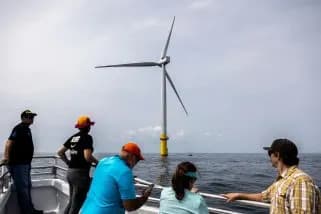
A federal judge ruled that Dominion Energy may resume construction on its Virginia offshore wind project. The decision represents the third legal setback this week to the Trump administration’s efforts to curb offshore wind development.
Another Court Loss for the Trump Administration
California won a key ruling when a federal judge dismissed a Justice Department lawsuit that had sought the names and personal information of the state’s roughly 23 million registered voters. The dismissal blocks the administration from obtaining that voter data for now.
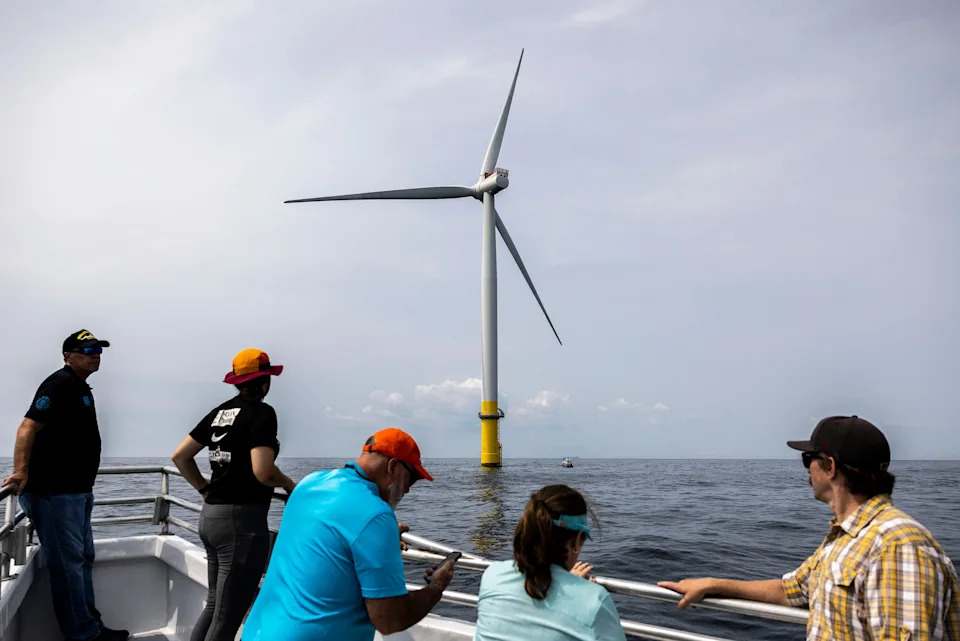
Employees of Dominion Energy gaze at one of two wind turbines located 27 miles off of Virginia Beach in the Atlantic Ocean on July 17, 2023. (Kendall Warner/The Virginian-Pilot/Tribune News Service via Getty Images)(Kendall Warner / The Virginian-Pilot / Tribune News Service via Getty Images)
Kari Lake and USAGM Controversy
Kari Lake, the Trump-backed nominee to lead the U.S. Agency for Global Media (USAGM) whose authority has been legally contested, acknowledged this week that she had blocked Radio Free Europe transmissions into Iran. The admission comes amid broader allegations that she has undermined the congressionally funded agency and U.S. public diplomacy efforts.
Website Changes at HHS and FDA
The Food and Drug Administration quietly removed webpages stating that cellphones are not dangerous, as the Department of Health and Human Services—now led by Robert F. Kennedy Jr., per administration appointments—launches a study on cellphone radiation. Officials say the study aims to evaluate possible health risks and update guidance as needed.
Political Pressure Hits Higher Education
Less than a week after naming a new dean, the University of Arkansas School of Law rescinded its offer after state politicians raised objections to the candidate’s views on transgender athletes. The reversal is the latest example of political influence shaping faculty hiring decisions that were traditionally managed by academic institutions.
Have a safe weekend.
Source: MS NOW
Help us improve.