Dozens of asylum seekers and resettled refugees in Minnesota say ICE detained them and flew many to Texas detention centers, where some were shackled, questioned, and in some cases released without documents or communication. A federal judge issued a temporary restraining order blocking further arrests of resettled refugees in Minnesota and ordered releases while a class-action lawsuit proceeds. Lawyers and humanitarian groups warn the actions could lead to wrongful cancellations of refugee status, deportations, medical neglect, and lasting fear in immigrant communities.
Asylum Seekers and Resettled Refugees in Minnesota Report Mass Detentions, Flights to Texas; Judge Orders Temporary Halt
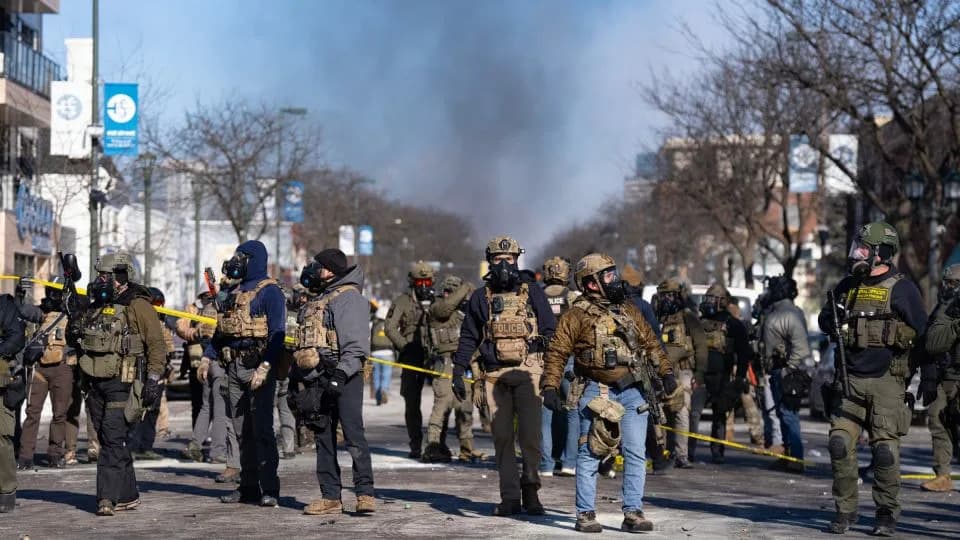
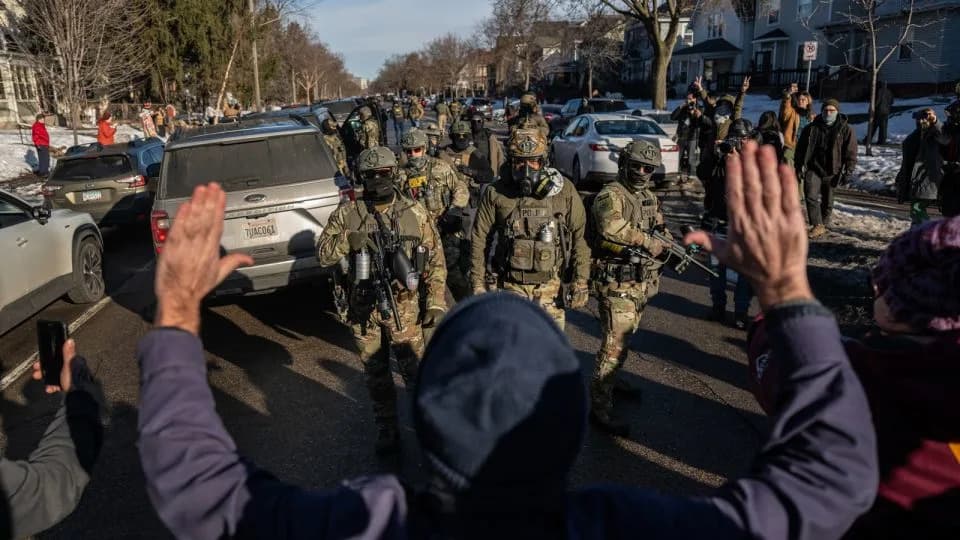
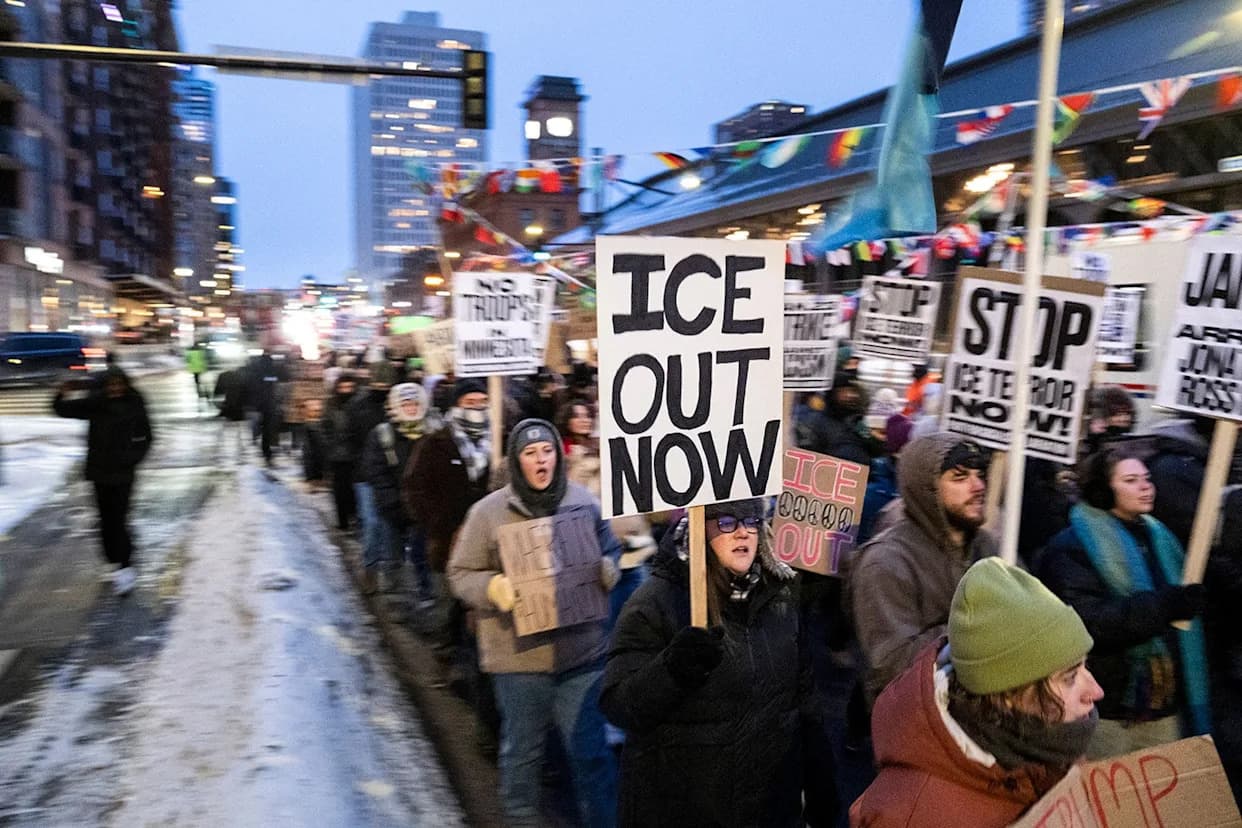
Federal agents face protesters in south Minneapolis after Alex Pretti was fatally shot by immigration officers in the area on January 24. - Alex Kormann/The Minnesota Star Tribune/Getty Images
Dozens of asylum seekers and resettled refugees in Minnesota say they were arrested by Immigration and Customs Enforcement (ICE), shackled, and promptly flown to detention facilities in Texas — where some were questioned, released without identification or money, or remain held without clear explanation.
What Advocates Say Happened
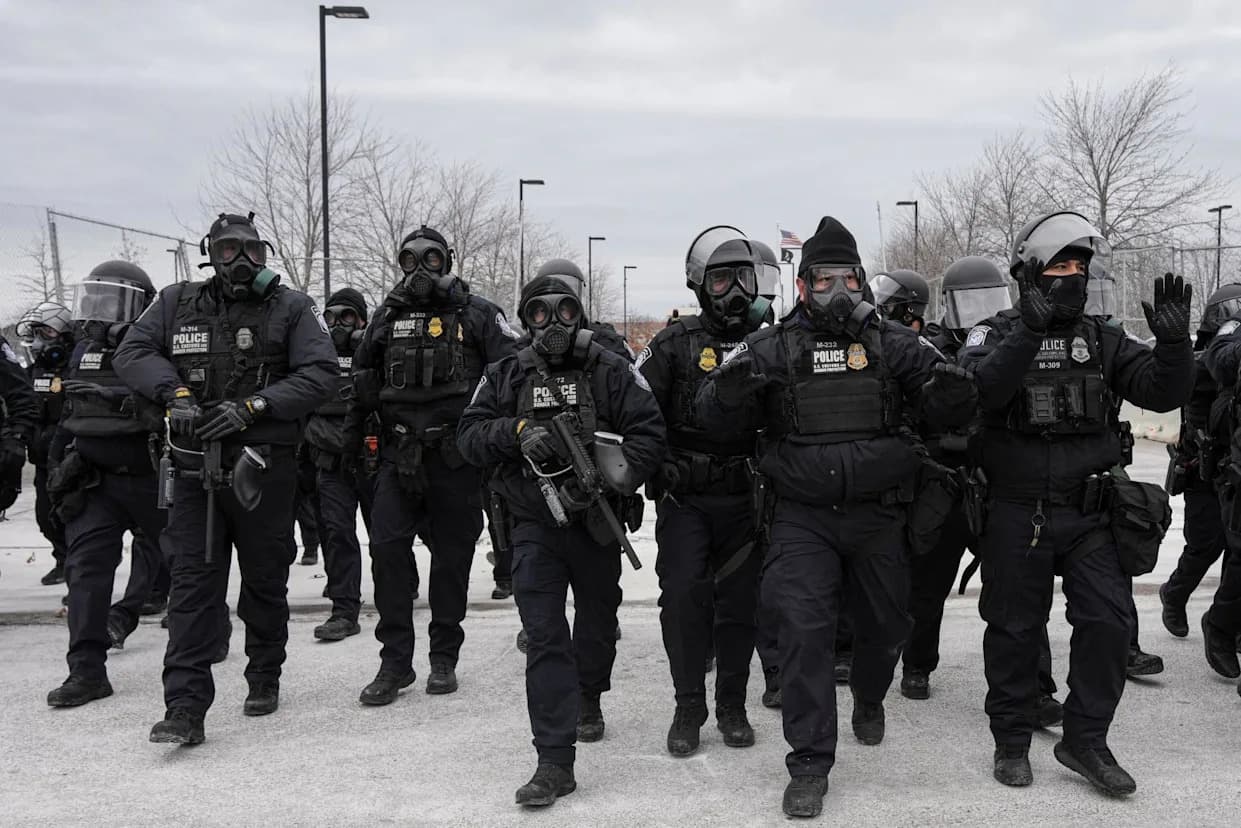
Immigration lawyers and refugee advocates report that in recent weeks ICE teams carried out aggressive sweeps across the Twin Cities and other parts of Minnesota. According to advocates, agents knocked on doors, followed vehicles, arrested people at workplaces and schools, and put many on flights to detention centers in El Paso, Houston, San Antonio and other Texas locations.
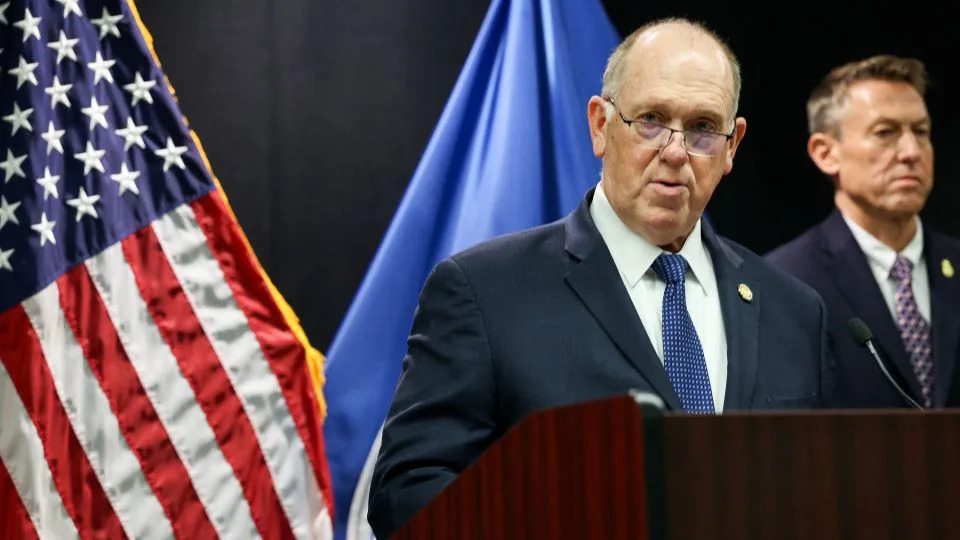
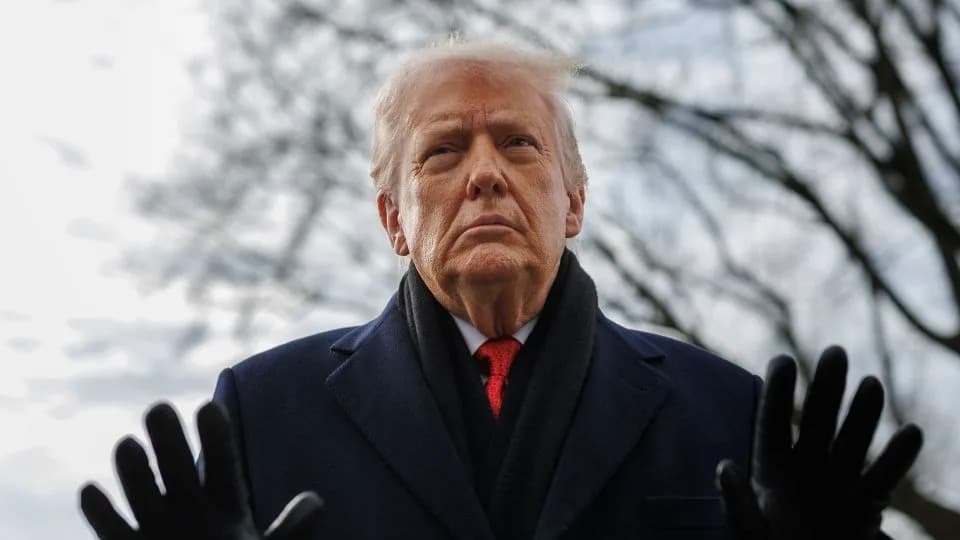
White House border czar Tom Homan at a news conference in Minneapolis, Minnesota, on Thursday. - Shannon Stapleton/Reuters
“It really is a campaign of terror. It is designed to scare people,” said Laurie Ball Cooper, vice president for U.S. legal programs at the International Refugee Assistance Project.
Who Was Affected
Those detained include asylum seekers and refugees from countries such as Somalia, Ethiopia, Afghanistan, Syria, El Salvador, Venezuela and Russia. Several were admitted to the U.S. lawfully after undergoing multi-year vetting, and many — by law — cannot apply for permanent residence until one year after admission. Advocates say some detained people had no criminal charges or known immigration violations.
Legal Response
Late Wednesday, a federal judge issued a temporary restraining order that bars the federal government from arresting or detaining resettled refugees in Minnesota while a class-action lawsuit proceeds. The order also directed the government to release detained refugees in Minnesota, arrange for the release of those already transferred out of state within five days, and provide a list of detained refugees within 48 hours.
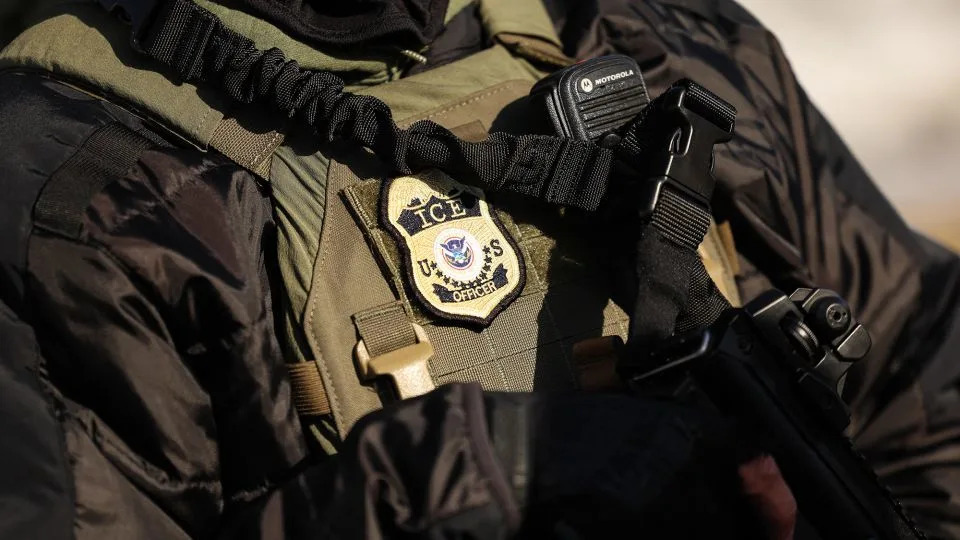
A federal officer monitors the scene as protesters gather near the Bishop Henry Whipple Federal Building in Minneapolis, Minnesota, on January 9. - Charly Triballeau/AFP/Getty Images
Humanitarian Concerns
Humanitarian groups and attorneys report numerous cases of people released in Texas without documents, money or phones, effectively stranded until they can contact resettlement agencies. Medical needs, medication access and communication with lawyers have been reported as major problems. Jocelyn Wyatt, CEO of Alight, told advocates she has learned of at least 100 people detained in Minnesota and flown to Texas for questioning and reprocessing.
“There are thousands of people that are basically living as prisoners in their own homes right now, unable to leave because of fear of arrest and detention,” Jocelyn Wyatt said.
First‑hand Accounts
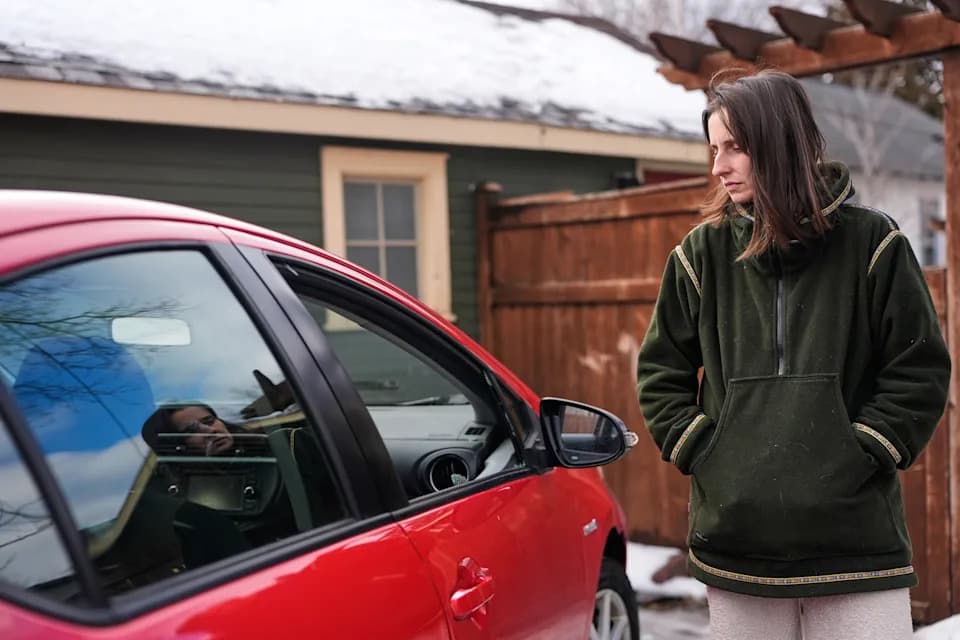
Multiple plaintiffs and witnesses describe abrupt home arrests and transfers. One plaintiff, identified in court filings as D. Doe, says he was shackled, flown to Texas, held in chains for 16 hours, questioned about his refugee application, and released without documents. Another witness, a friend identified as Justin, described visiting a detained caregiver and finding her exhausted, scared and pleading to be released.
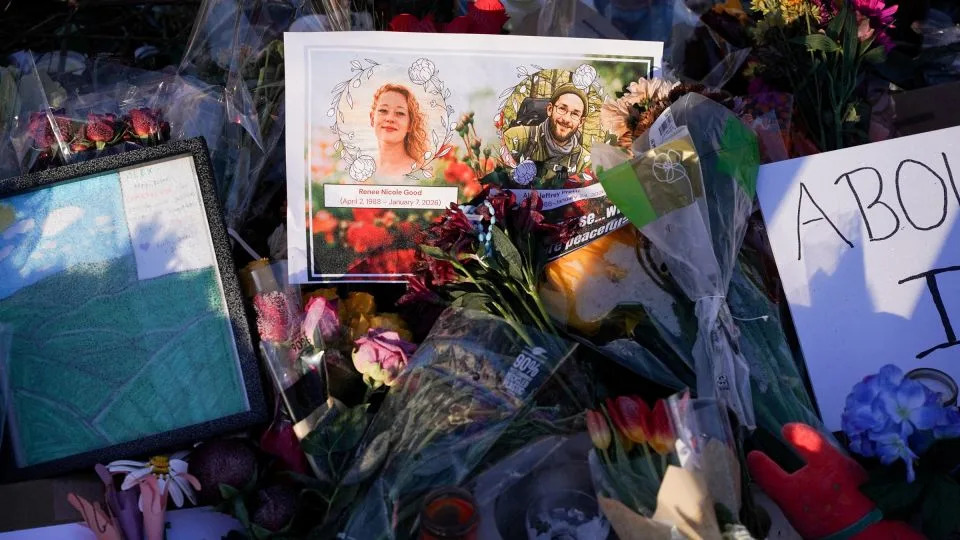
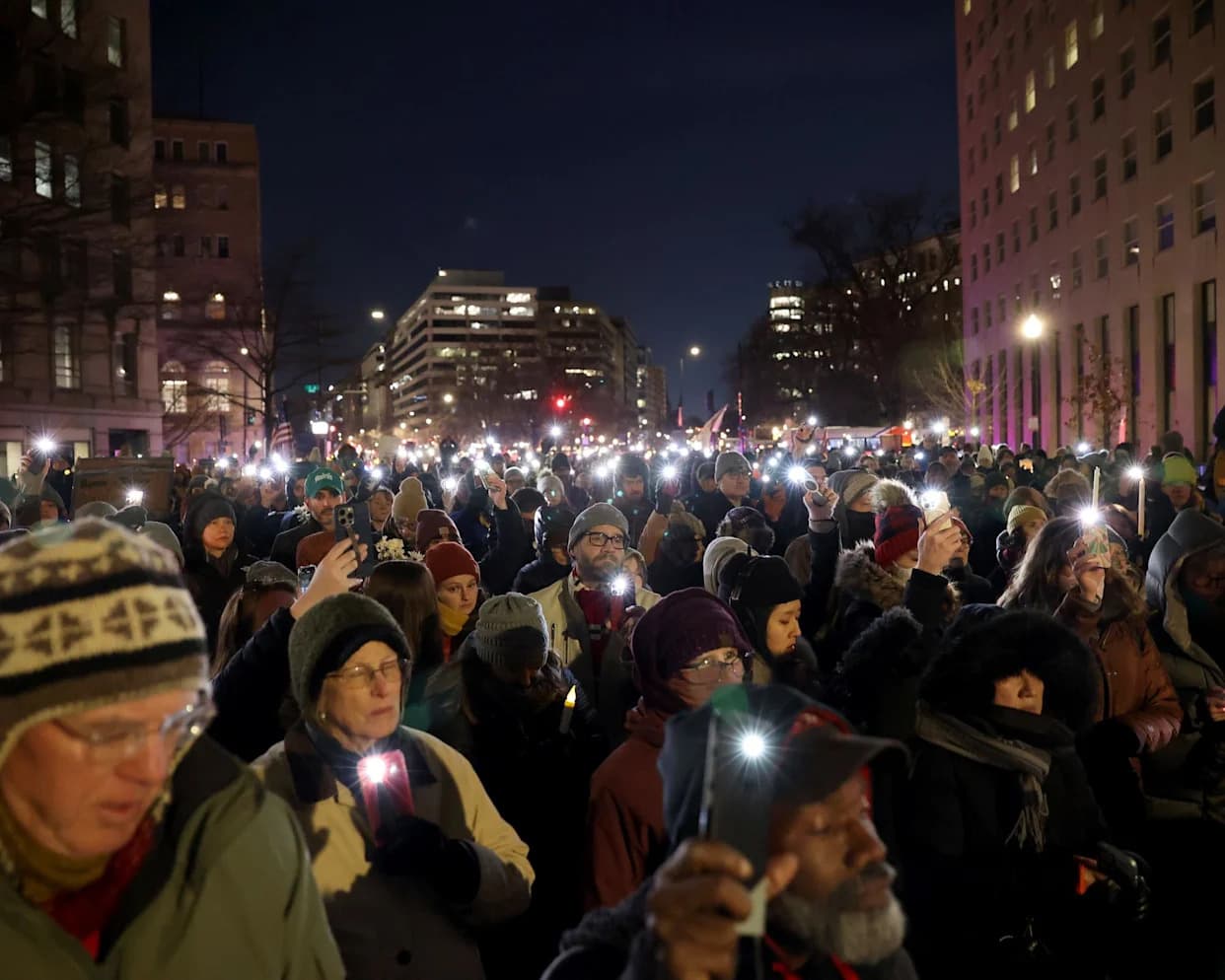
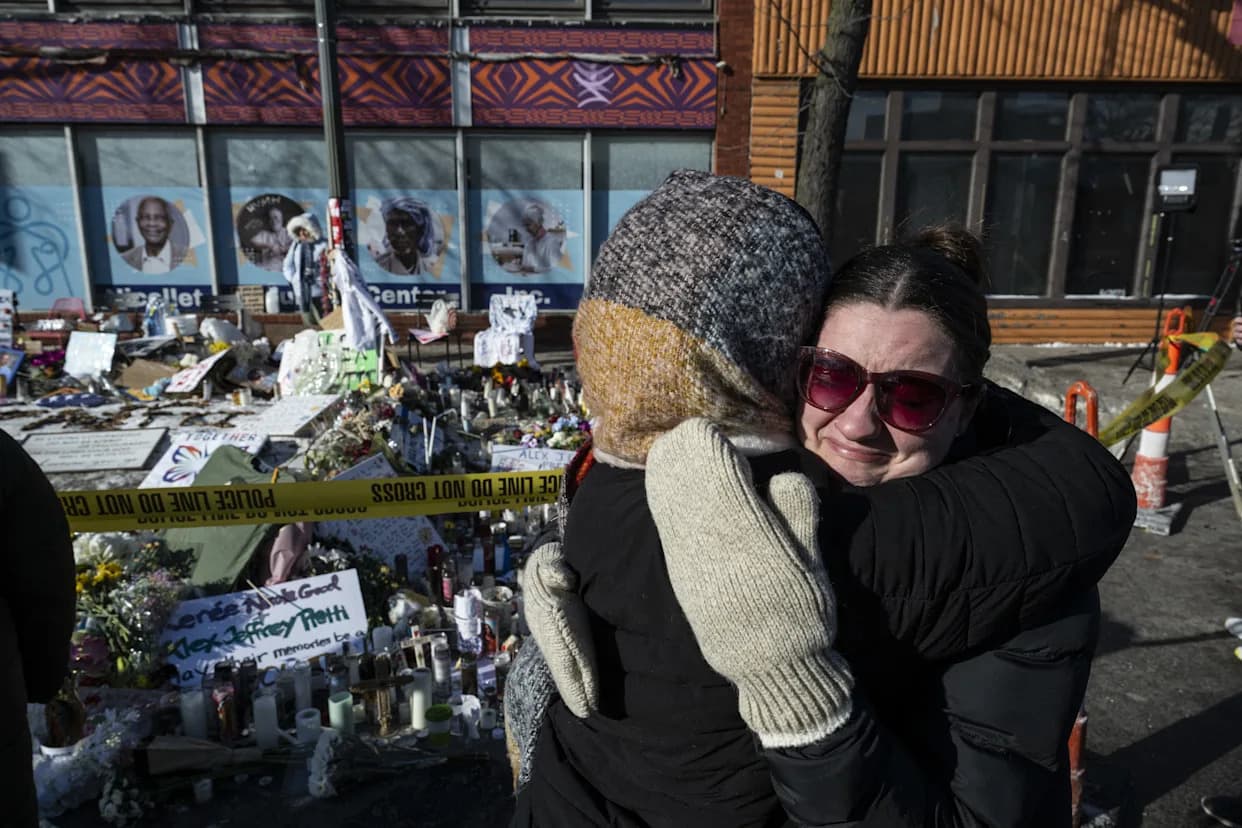
A card with images of Alex Pretti, who was fatally shot by federal immigration agents trying to detain him on January 24, and Renee Nicole Good, who was fatally shot by a U.S. Immigration and Customs Enforcement (ICE) agent on January 7, at a makeshift memorial at the site where Pretti was killed in Minneapolis, Minnesota. - Seth Herald/Reuters
Government Response
Tom Homan, the official dispatched by the administration to manage ICE operations in Minneapolis after the fatal shooting of Alex Pretti, acknowledged problems in the enforcement effort and said a drawdown plan and refocus on individuals with criminal records are in progress. The Department of Homeland Security, ICE and U.S. Citizenship and Immigration Services were contacted for comment but did not provide immediate responses to advocates quoted in the reporting.
Why This Matters
Advocates warn the reinterviews, coercive interviews and rapid transfers could lead to administrative terminations of refugee status without due process, exposing vulnerable people to deportation and the dangers they fled. Humanitarian organizations also express alarm about medical neglect, family separation and the chilling effect on immigrant communities: missed school, missed medical care and economic hardship due to fear of leaving home.
Next Steps
The temporary restraining order pauses further detentions of resettled refugees in Minnesota while the class-action suit continues. Attorneys and advocacy groups are working to locate those transferred to Texas, secure releases, and provide legal representation. The legal case will test the limits of federal authority to reinterview or detain resettled refugees en masse and raises urgent questions about due process and humanitarian protections.
Sources: Interviews and statements from the International Refugee Assistance Project, Alight, the Center for Victims of Torture, counsel representing plaintiffs, and reporting from advocates and witnesses.
Help us improve.