Plainclothes security forces have detained thousands across Iran in a wave of mass arrests and intimidation after authorities violently suppressed nationwide protests. Rights groups report thousands killed and tens of thousands arrested, with many detainees held in unofficial sites and at risk of abuse. Families and medical staff say they cannot locate loved ones and face intimidation. International pressure, including U.S. threats of military action, has added to tensions amid warnings of possible death sentences for some detainees.
Iran Carries Out Mass Arrests After Deadly Crackdown, Rights Groups Say
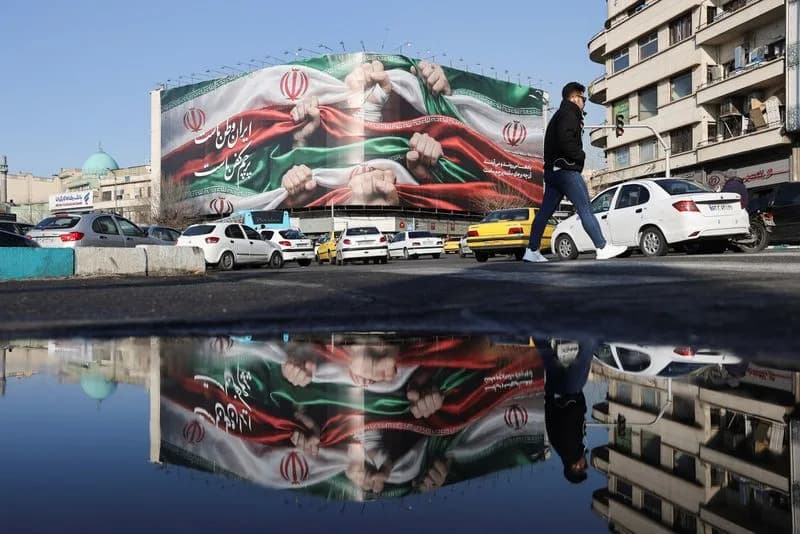
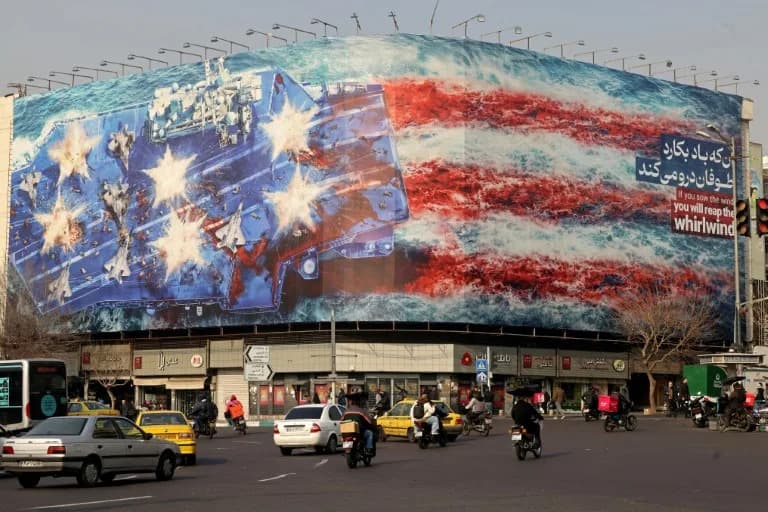
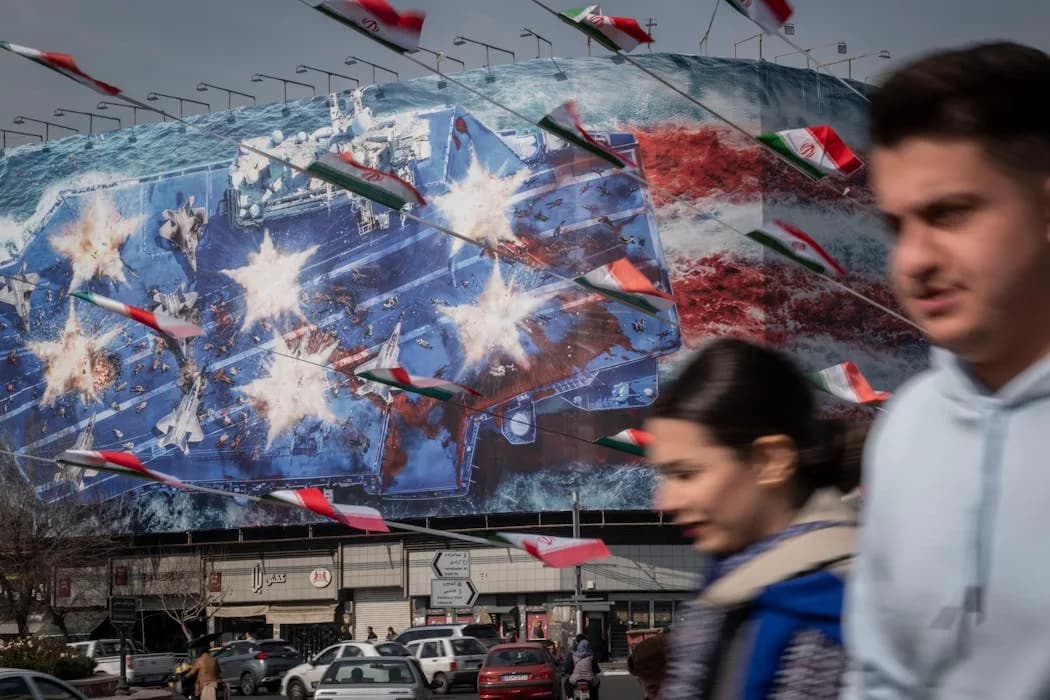
A billboard with a picture of Iran's flag, on a building in Tehran, Iran, January 24, 2026. Majid Asgaripour/WANA (West Asia News Agency) via REUTERS
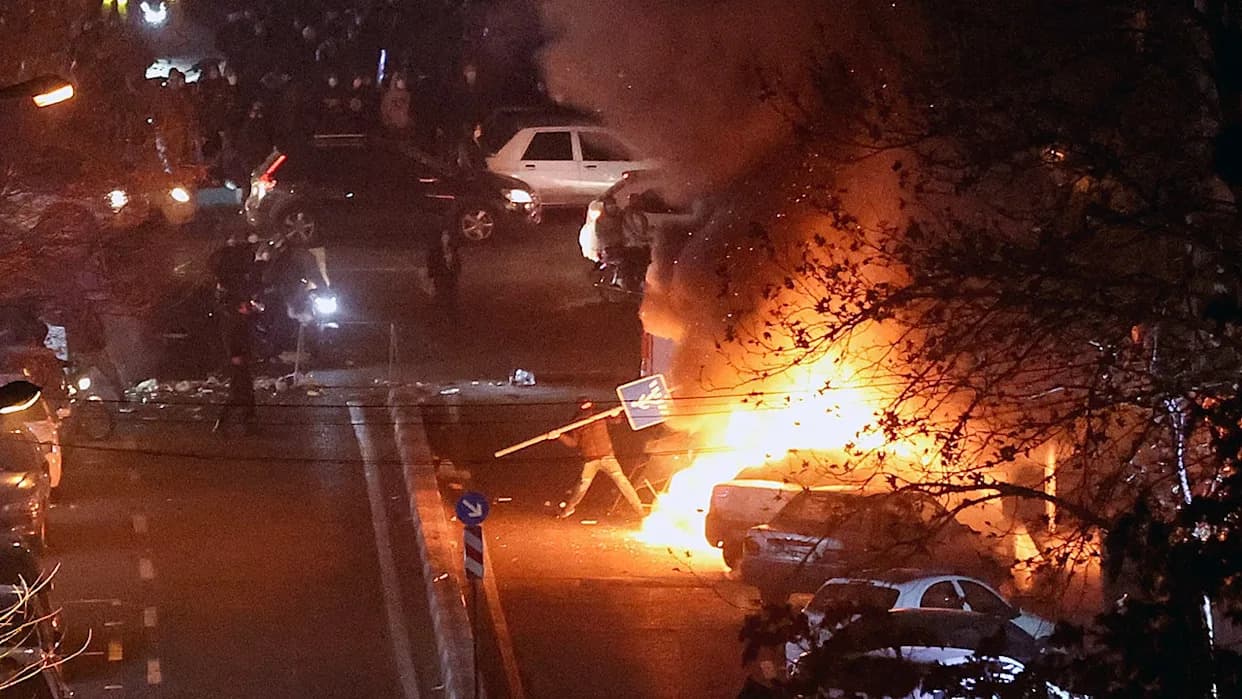
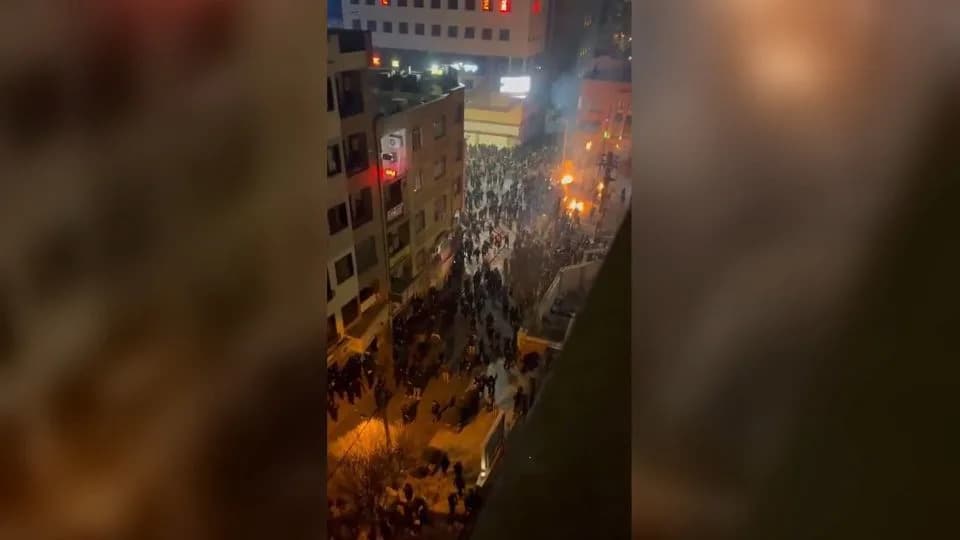
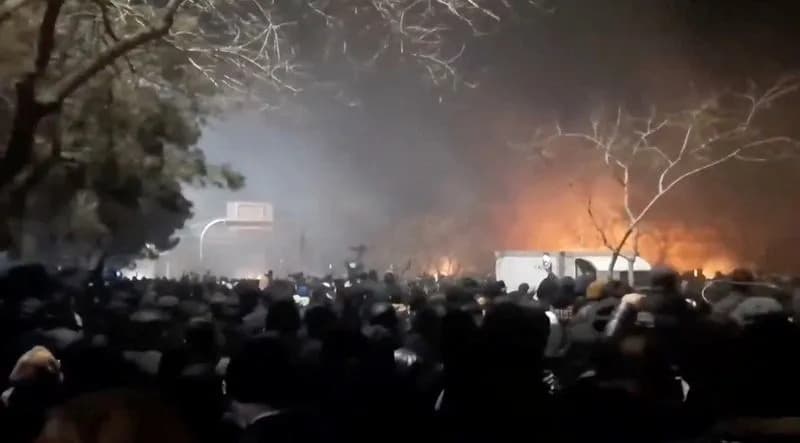
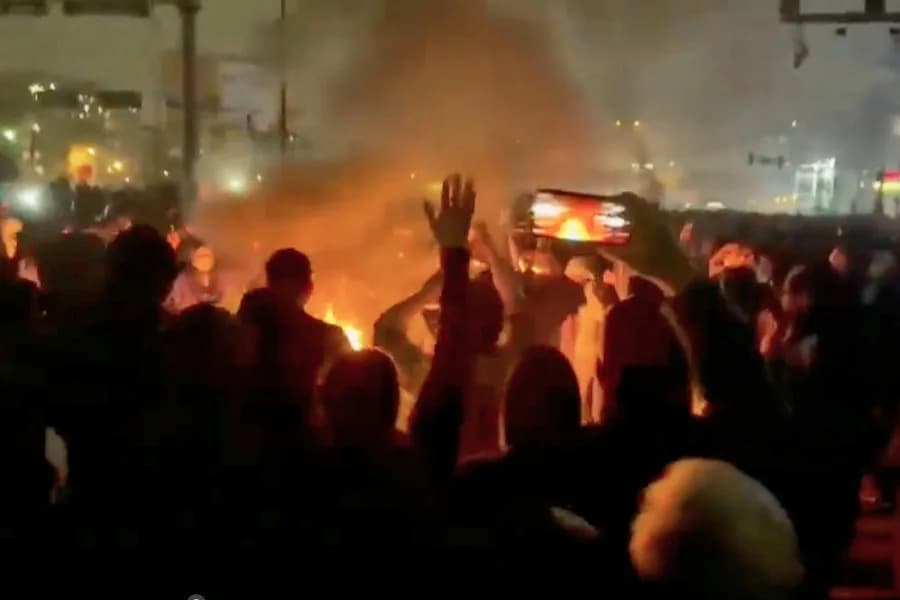
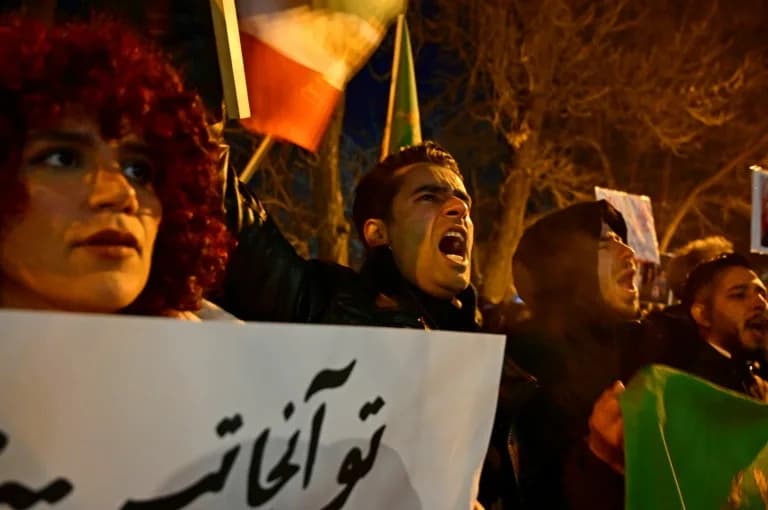
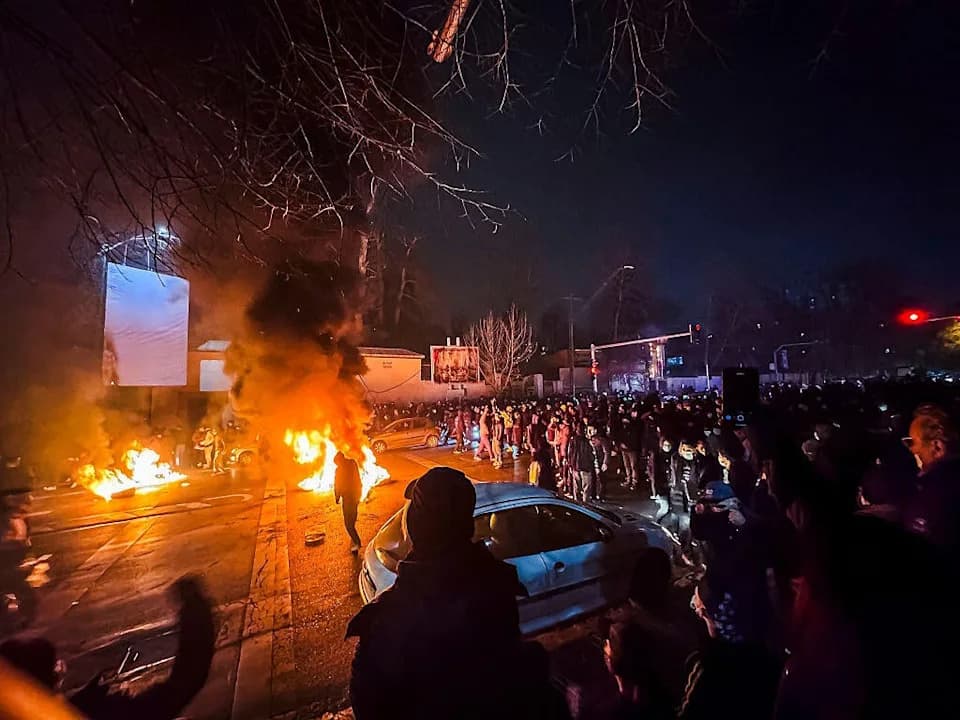
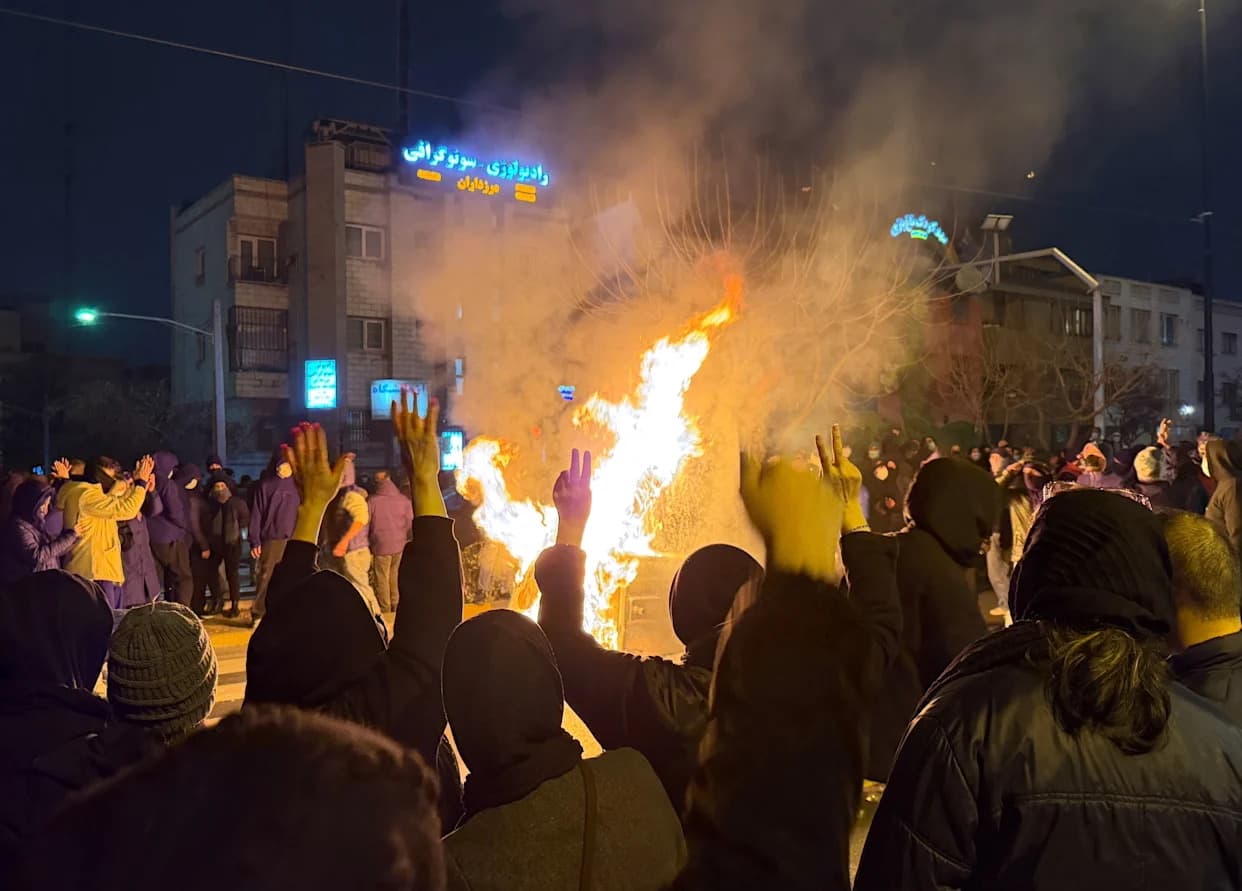
Plainclothes Iranian security forces have detained thousands in a widespread campaign of arrests and intimidation following a violent crackdown on nationwide protests, sources inside Iran told Reuters. Rights groups say the unrest — triggered by economic grievances in Tehran's Grand Bazaar — rapidly widened into the most serious challenge to the clerical leadership since the 1979 Islamic Revolution.
Scope of the Crackdown
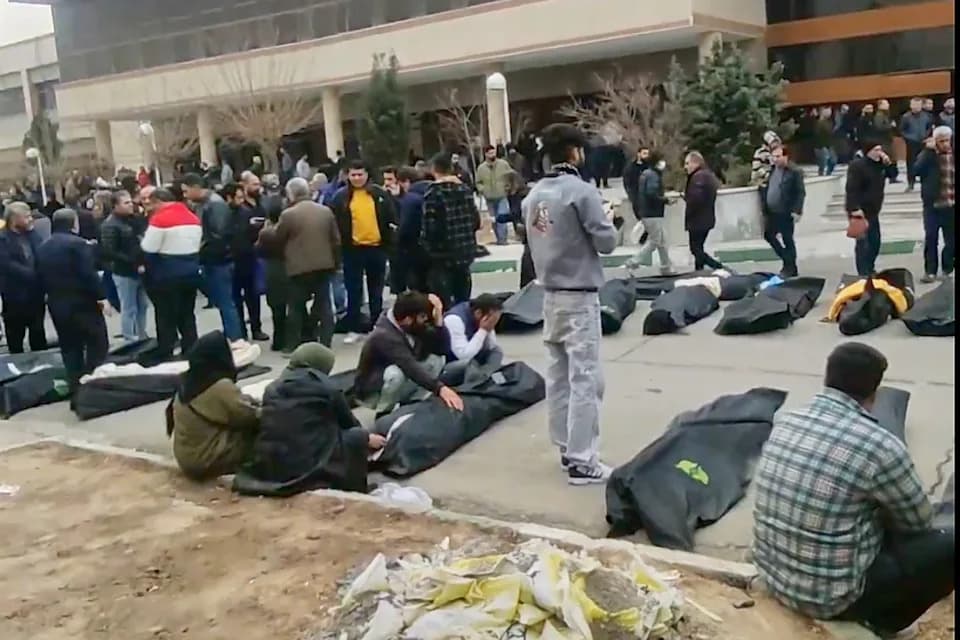
Authorities restricted internet access and used overwhelming force to disperse demonstrations, actions that rights organizations say left thousands dead. The U.S.-based HRANA rights group has compiled a toll of 6,373 deaths and reports some 42,486 arrests linked to the unrest. Iranian officials, however, said on January 21 that 3,117 people were killed.
Mass Arrests and Secret Detention Sites
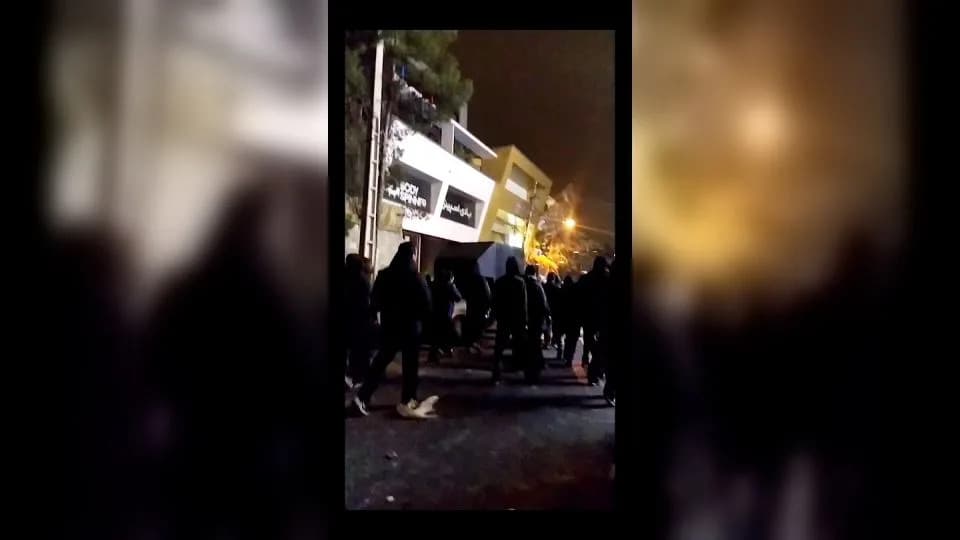
Within days of the protests, plainclothes security personnel intensified sweeps across cities and towns, witnesses, lawyers and activists told Reuters. Many detainees were reportedly taken to undisclosed or improvised facilities — including warehouses and other unofficial holding locations — and held without confirmed access to lawyers or family.
"They are arresting everyone," one activist said. "No one knows where they are being taken or where they are being held. With these arrests and threats, they are trying to inject fear into society."
Impact On Families, Medical Staff And Legal Rights
Families searching for missing relatives have reported raids, confiscations of phones and laptops, and threats if they speak out. Human rights groups and the U.N. have warned that detainees face risks of torture, enforced disappearance and unfair trials. Mai Soto, the U.N. Special Rapporteur on Iran, said the detainees include doctors and other healthcare workers, many of whom have been warned not to treat injured protesters.
Legal Threats And International Pressure
Judiciary officials have warned that those accused of "sabotage, burning public property and involvement in armed clashes with security forces" could face the death penalty. Meanwhile, international tensions have risen after U.S. statements about possible military pressure on Iran, with some Western and regional sources saying targeted strikes are among options reportedly being weighed.
Ongoing Situation
Witnesses and activists say arrests continue across the country. Lawyers report many families seeking legal help to locate detained relatives, including minors. Amnesty International and other advocacy groups have documented sweeping arbitrary detentions, enforced disappearances and measures aimed at silencing victims' families in the aftermath of the protests.
Reporting: This report synthesizes accounts from activists, lawyers, medics, witnesses and anonymous Iranian officials who spoke to Reuters, along with data from HRANA, Amnesty International and U.N. officials. (Writing by Parisa Hafezi; additional reporting by Olivia Le Poidevin in Geneva; editing by Mark Heinrich.)
Help us improve.