A global synthesis of 218 studies from 65 countries found that 53 zoonotic diseases respond to temperature, rainfall and humidity in varied and often unpredictable ways. Temperature was the most consistent factor—frequently increasing risk for mosquito- and tick-borne illnesses—while rainfall and humidity produced mixed, location-dependent effects. The authors urge more species- and region-specific models and strengthened surveillance; practical steps like early detection, community education and reducing standing water remain key defenses.
New Global Review Finds Climate Change Makes Zoonotic Disease Spread Highly Unpredictable

Photo Credit: iStock
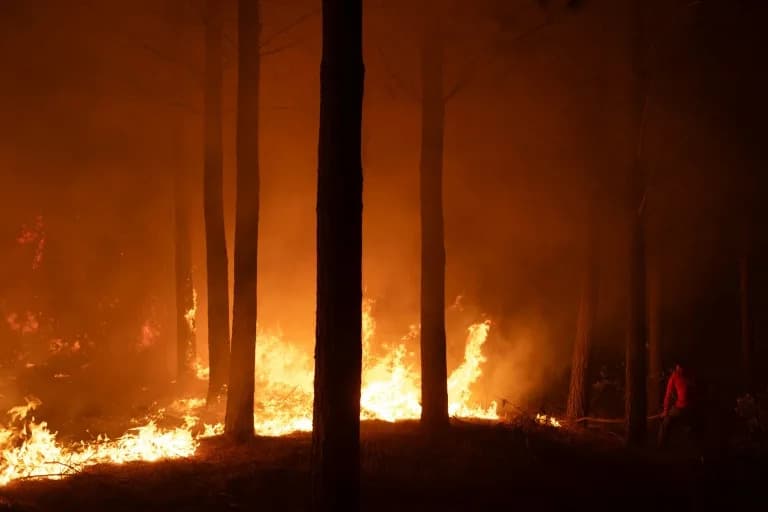
Rising temperatures and shifting weather patterns are already changing how diseases move between animals and people — but a new global review shows those changes are far less predictable than previously thought.
What the Study Examined
The analysis, published in the Proceedings of the National Academy of Sciences, synthesized 218 studies from 65 countries and evaluated how temperature, rainfall and humidity influence 53 zoonotic (animal-to-human) diseases.
Key Findings
Most diseases are sensitive to environmental changes, but the direction and magnitude of climate effects vary widely by pathogen, region and season.
- Temperature was the most consistent driver: warmer conditions were frequently linked to higher risk, especially for mosquito- and tick-borne illnesses.
- Rainfall and humidity produced mixed outcomes: in some places and for some pathogens higher rainfall or humidity increased risk, while in others it decreased it.
“We see so much variation, even within the same disease, so we need much more nuance in how we summarize the future health impacts of climate change,”
said lead researcher Artur Trebski in a Natural History Museum press release.
Why This Matters
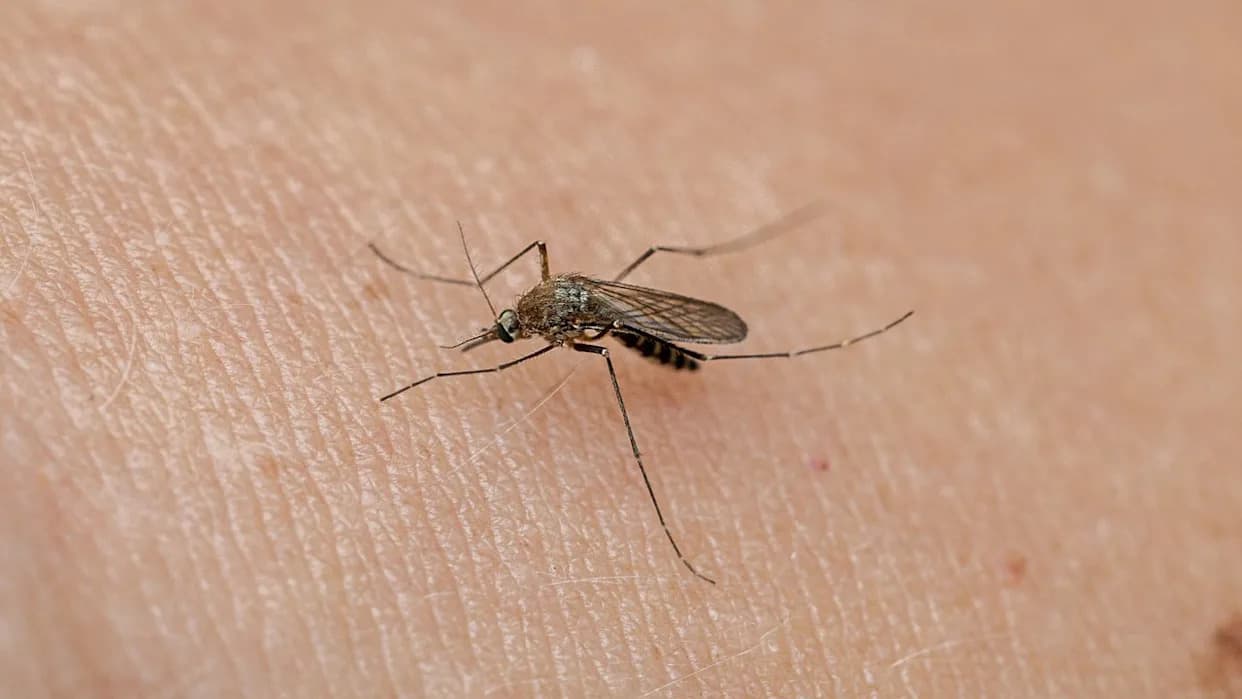
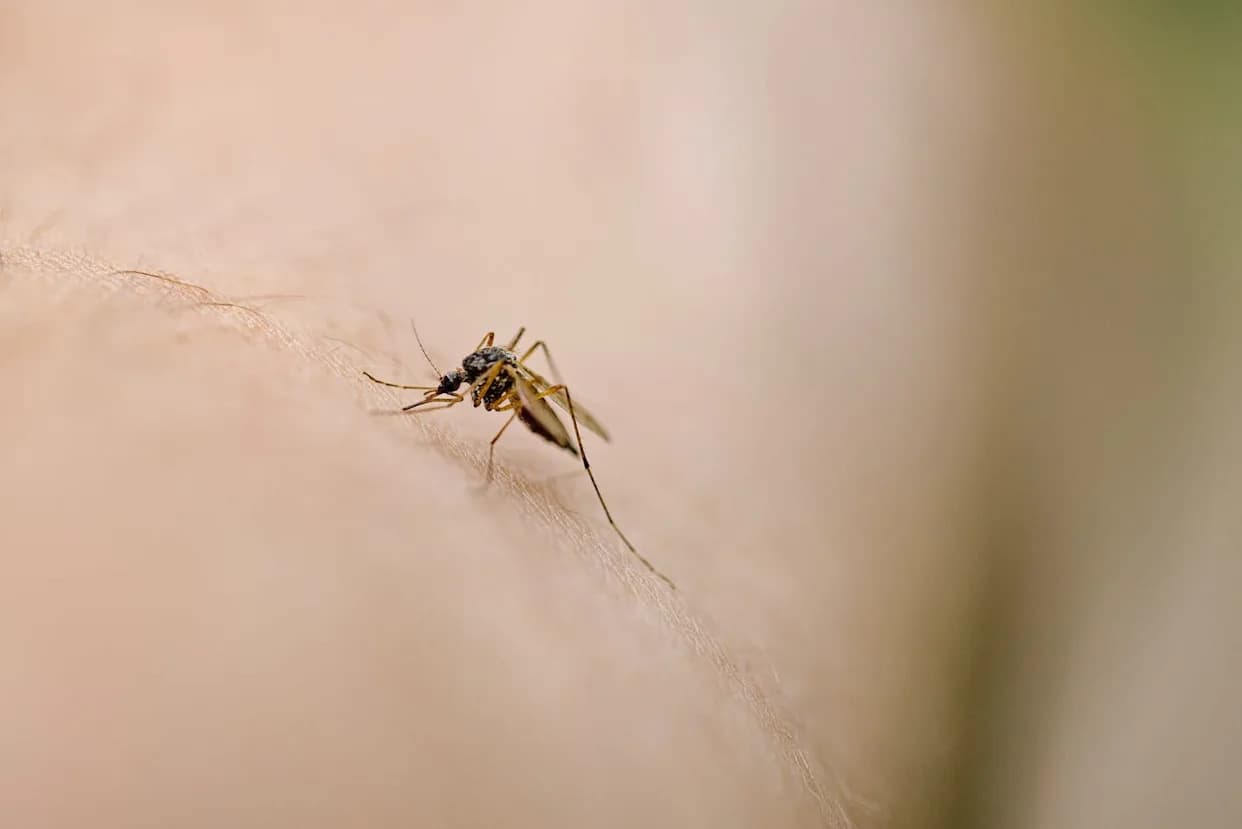
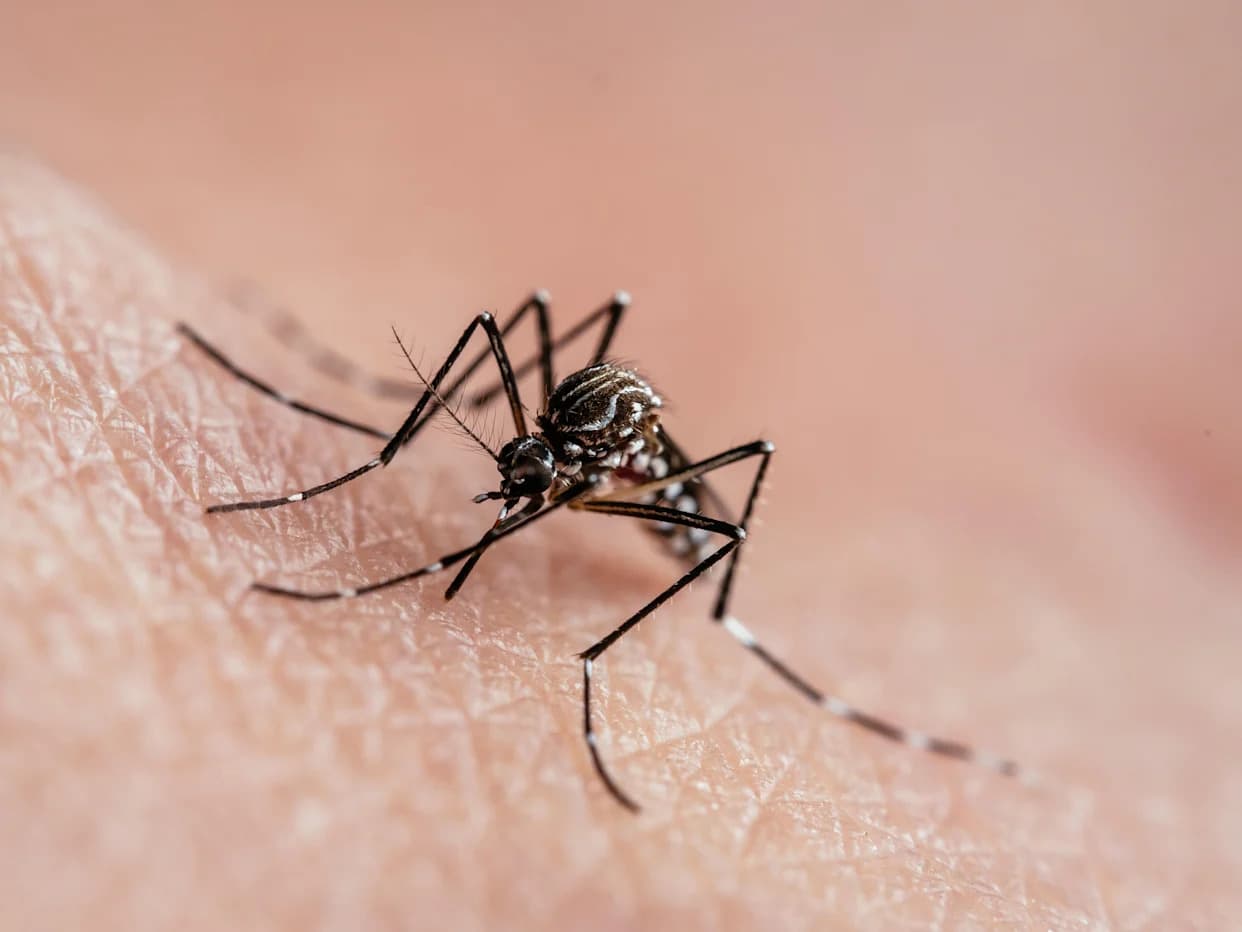
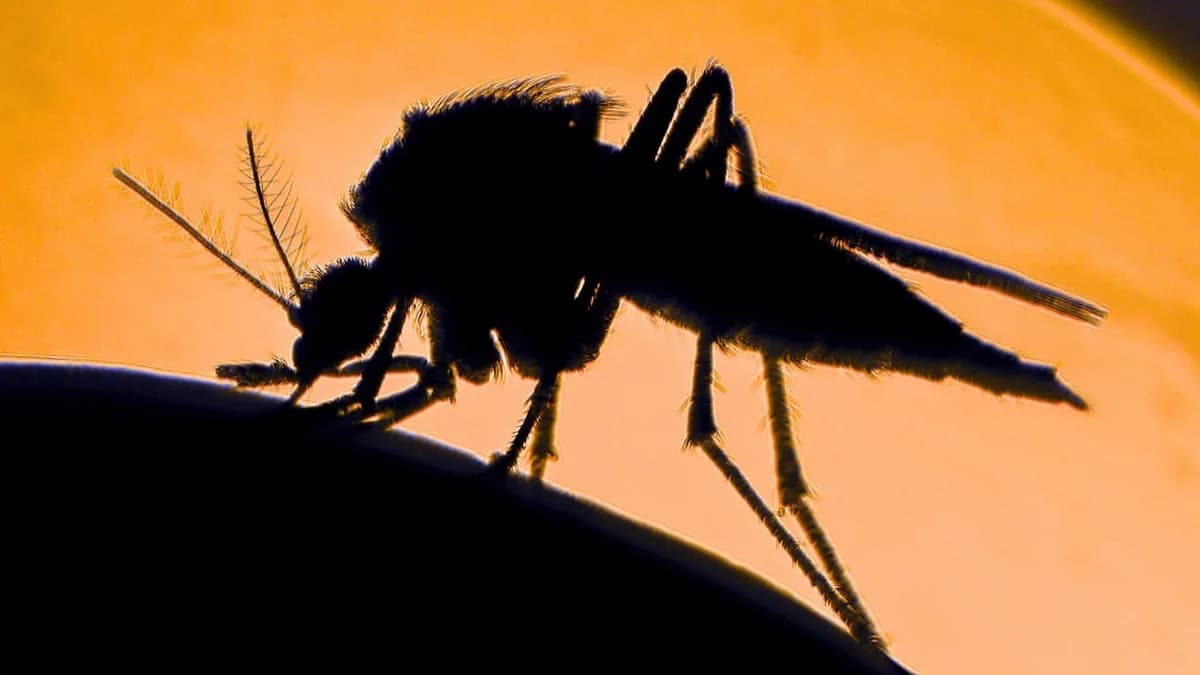
Warming temperatures are already enabling vectors such as mosquitoes to survive in new areas and remain active for longer periods of the year. NASA has reported that heat waves are becoming more frequent, intense and longer-lasting — conditions that can favor disease-carrying insects and extend transmission windows.
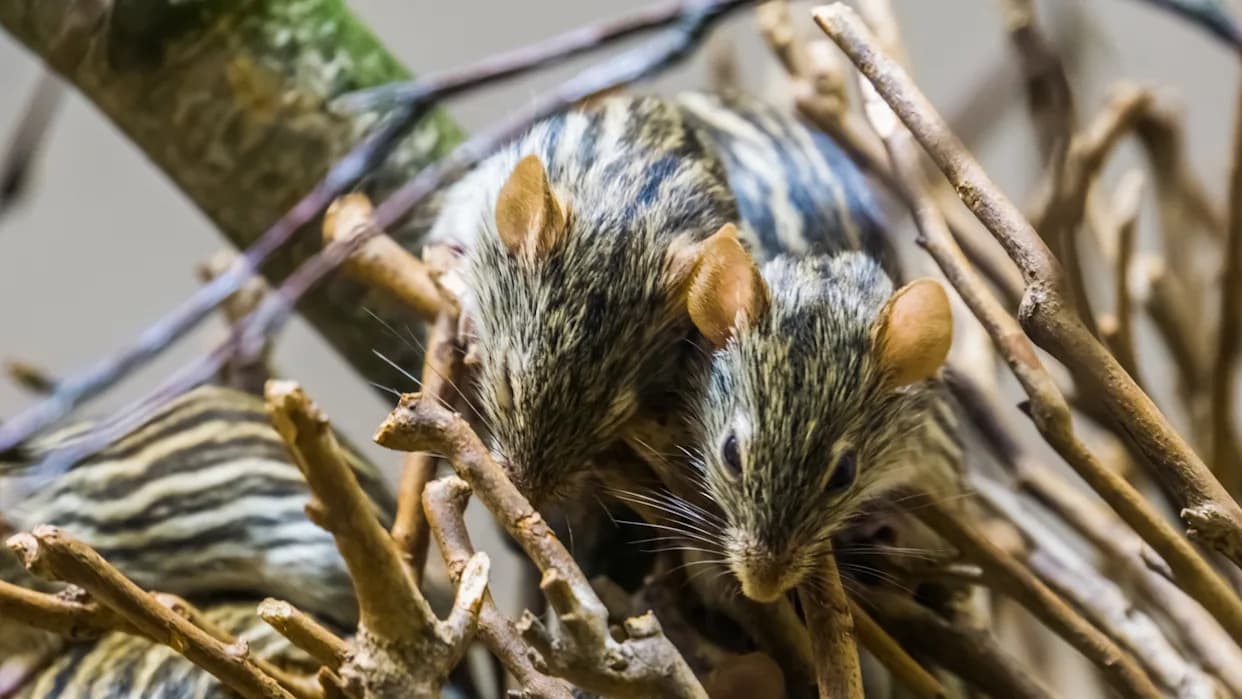
As a result, illnesses including dengue, malaria and leptospirosis have increased in some regions, driven in part by extended periods during which rodents and mosquitoes can transmit infections.
Implications For Public Health
The study cautions that uneven climate effects across locations and pathogens complicate surveillance, outbreak forecasting and healthcare planning. Researchers call for more detailed, species- and region-specific models that capture how different disease systems respond to temperature, rainfall and humidity — rather than relying on broad, one-size-fits-all projections.
Even amid uncertainty, established public-health tools remain important: early detection programs, community education and practical prevention measures such as using insect repellent, wearing protective clothing and eliminating standing water can reduce risk.
Practical Takeaways
- Invest in local surveillance and early-warning systems tailored to the diseases and vectors present in each region.
- Prioritize community outreach and simple vector-control measures that reduce immediate risk.
- Support research and modeling that account for species-specific biology, local climate patterns and seasonal timing.
With climate change altering the ecology of disease in complex ways, coordinated local and global responses will be essential to reduce future health impacts.
Help us improve.