Climate change is making heatwaves, floods, wildfires and storms more frequent and intense, but the link to deaths is complex. Overall weather‑related fatalities have declined in recent decades thanks to early warnings and stronger infrastructure, while heat‑related deaths are rising and remain undercounted. More than 2.3 million weather‑related deaths were recorded from 1970–2025, and experts warn repeated disasters could overwhelm current protections.
Climate Change Intensifies Extreme Weather — But The Death Toll Tells a Complex Story
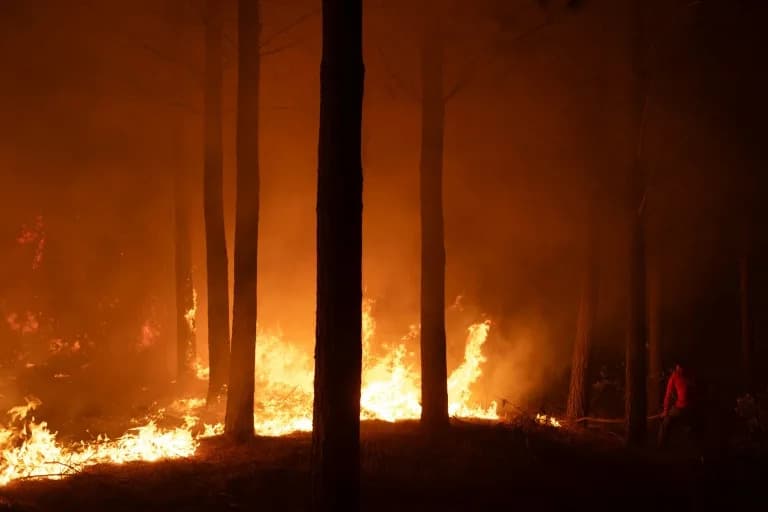
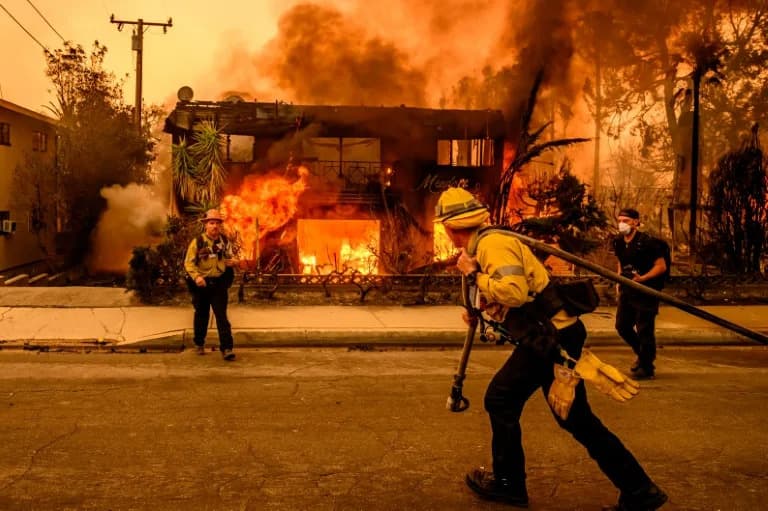
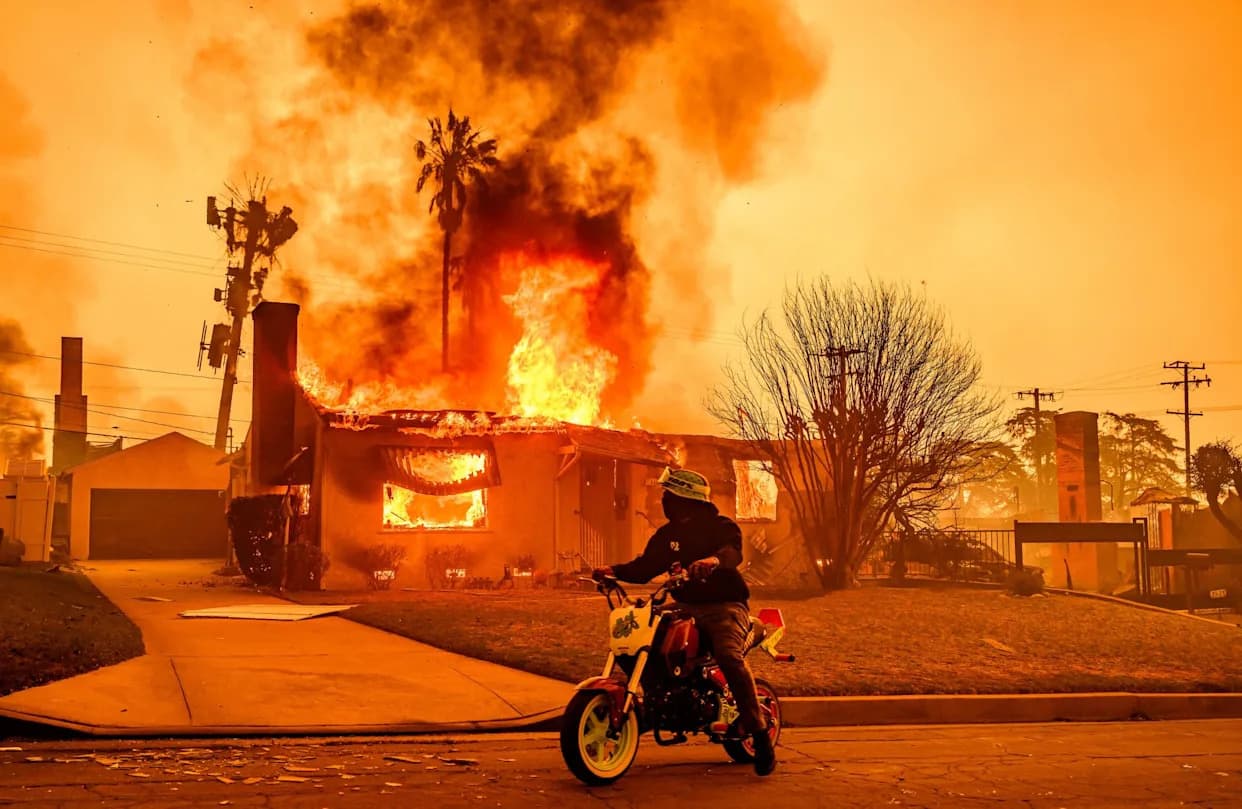
Climate scientists say that human-driven global warming is bringing hotter summers, worse droughts, fiercer wildfires and other destructive weather events (Raul BRAVO)(Raul BRAVO/AFP/AFP)
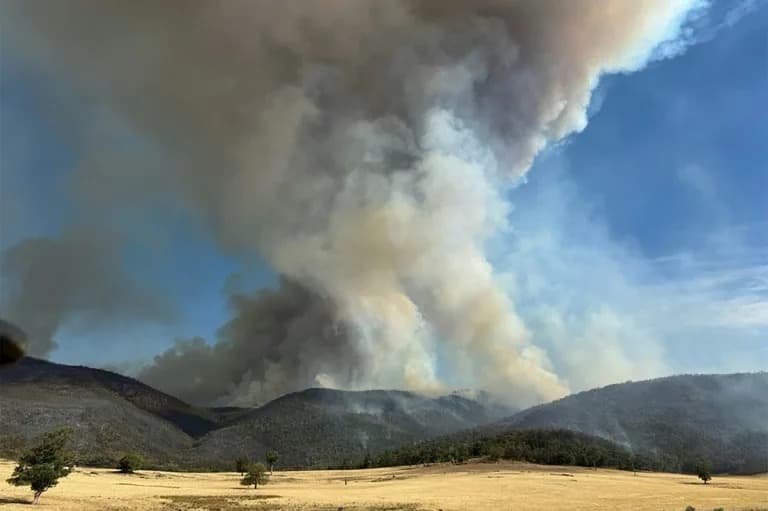
Climate change is amplifying heatwaves, wildfires, floods and tropical storms — yet the relationship between rising hazards and human fatalities is not straightforward. Recent climate assessments show the past three years are the hottest since the pre‑industrial era, and scientists warn that warming will continue to increase the frequency and intensity of many extreme events.
A Complex Picture of Mortality
On aggregate, deaths from weather‑related disasters have fallen over recent decades, largely because early warning systems, improved infrastructure and preparedness have reduced fatalities from floods, storms and some other hazards. Still, trends differ sharply by hazard, region and data quality: heatwave deaths are rising, and low‑income countries remain disproportionately vulnerable.
What the Data Show
AFP's review of EM‑DAT, the global disaster database maintained by the Centre for Research on the Epidemiology of Disasters (CRED), finds more than 2.3 million weather‑related deaths between 1970 and 2025. The death toll for 2015–2025 was 305,156, down from 354,428 in the previous decade.
Heatwaves: A "Silent Killer"
Heat is often described as a "silent killer" because fatalities can be indirect and take weeks or months to be counted. Last year, half the world experienced more days than average with at least strong heat stress (a "feels‑like" temperature of 32°C or above), according to the EU Copernicus Climate Change Service.
EM‑DAT records show nearly 61,800 heatwave deaths in 2022, roughly 48,000 in 2023, and 66,825 in 2024. Those recent figures are higher in part because reporting has improved since the Covid‑19 pandemic and because CRED still faces about a year‑long delay in incorporating heatwave deaths into its database. The Lancet Countdown estimates average annual global heat‑related mortality reached 546,000 per year between 2012–2021 — a 63% increase from 1990–1999 — underscoring that heat‑related risk is rising worldwide even when some disaster categories show declining death totals.
Better Prepared — But Not Invulnerable
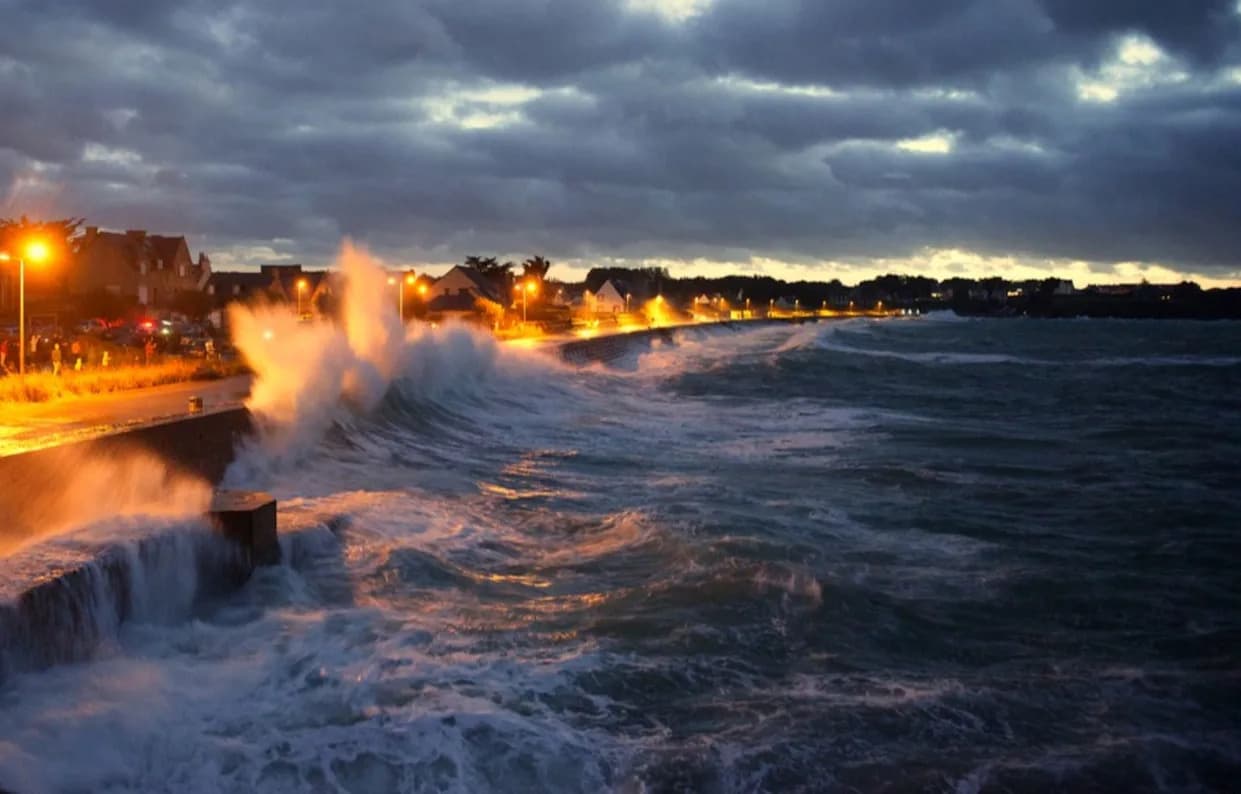
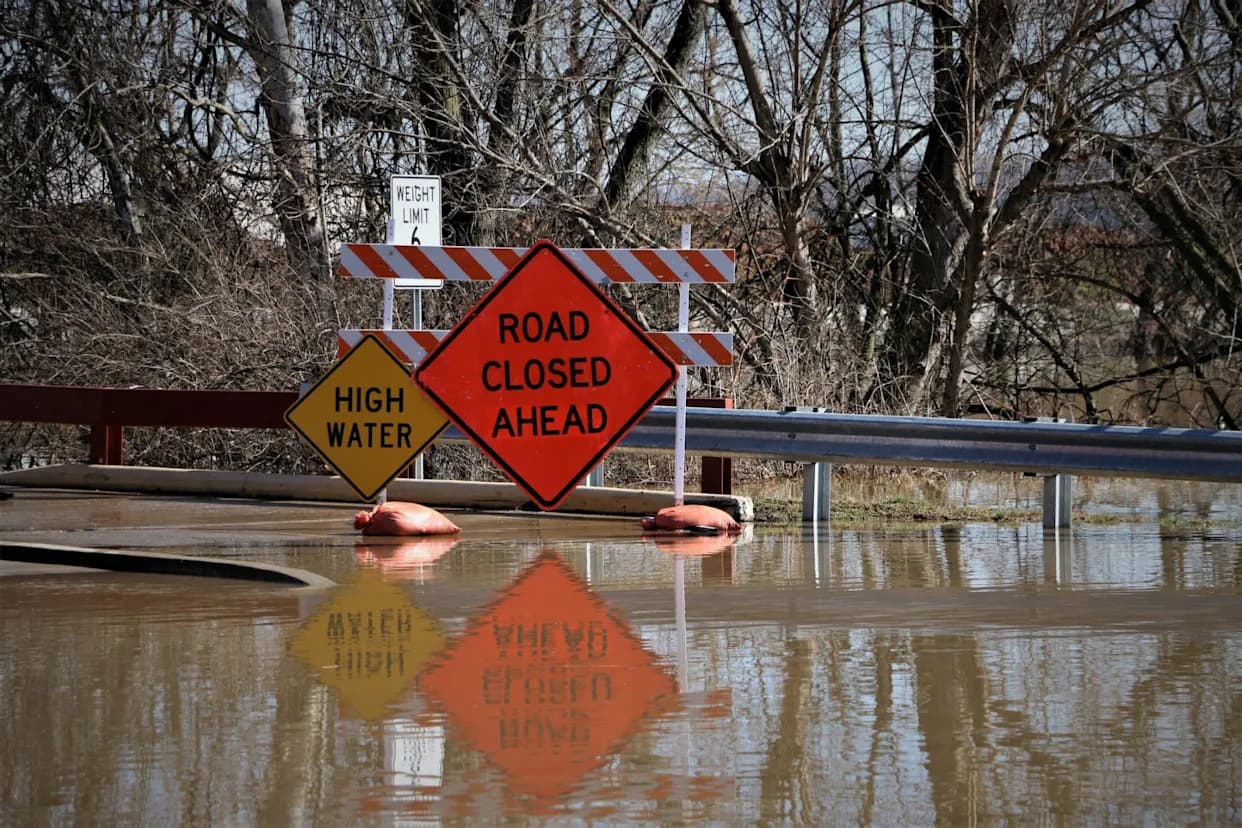
Improved early warning systems, storm defences and building regulations have helped reduce fatalities from storms and floods in many places. EM‑DAT reports 55,423 flood deaths in 2015–2025 (down from 66,043 the previous decade) and 36,652 storm deaths in 2015–2025 (down from 184,237 earlier).
Still, single catastrophic events — including major earthquakes and large storms — can cause sharp year‑to‑year spikes in deaths. Munich Re reported 17,200 fatalities from floods, storms, wildfires and earthquakes last year (higher than 11,000 in 2024), yet below the 10‑year average. Experts stress there is no simple, uniform trend for disaster deaths: while some risks have been mitigated, others are growing and reporting gaps persist.
Data Challenges And Unequal Risks
Differences in reporting, delays in adding heatwave fatalities to databases, and undercounting in low‑income countries make it difficult to draw precise comparisons. Vulnerability is uneven: poorer countries and marginalised communities face far greater exposure and have fewer resources for recovery.
What This Means Going Forward
Reducing mortality will require continued investment in early warning systems, resilient infrastructure, health systems and targeted protection for the most vulnerable. Experts warn that repeated, successive events — leaving little time to recover between disasters — could overwhelm existing coping mechanisms and reverse recent gains in reducing fatalities.
Sources: EM‑DAT (CRED), Lancet Countdown, EU Copernicus Climate Change Service, Munich Re, AFP reporting.
Help us improve.