Extreme cold in parts of the United States and record heat in southern Australia this week highlight how climate change is influencing weather extremes. Scientists say one event cannot usually be entirely blamed on global warming, yet attribution studies show human-driven warming often makes extremes more likely or intense. Warmer oceans and a more moisture-rich atmosphere help fuel stronger storms, heavier precipitation and more powerful heat waves. The WMO predicts global temperatures will likely remain near record highs through 2025–2029.
From Snow to Scorching Heat: How Climate Change Is Shifting Extreme Weather Worldwide
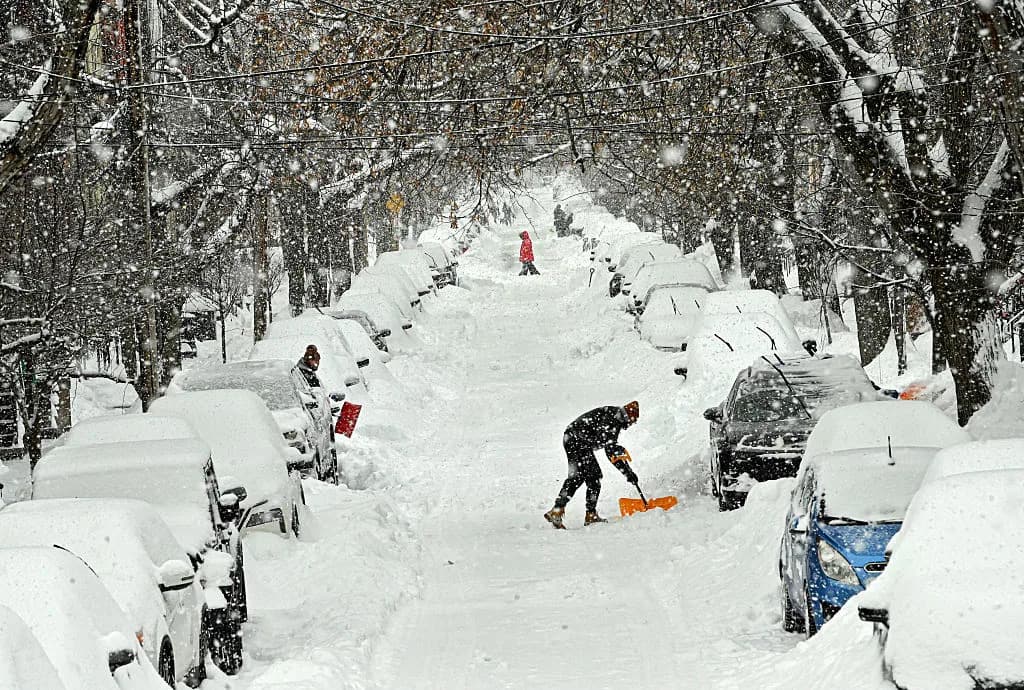
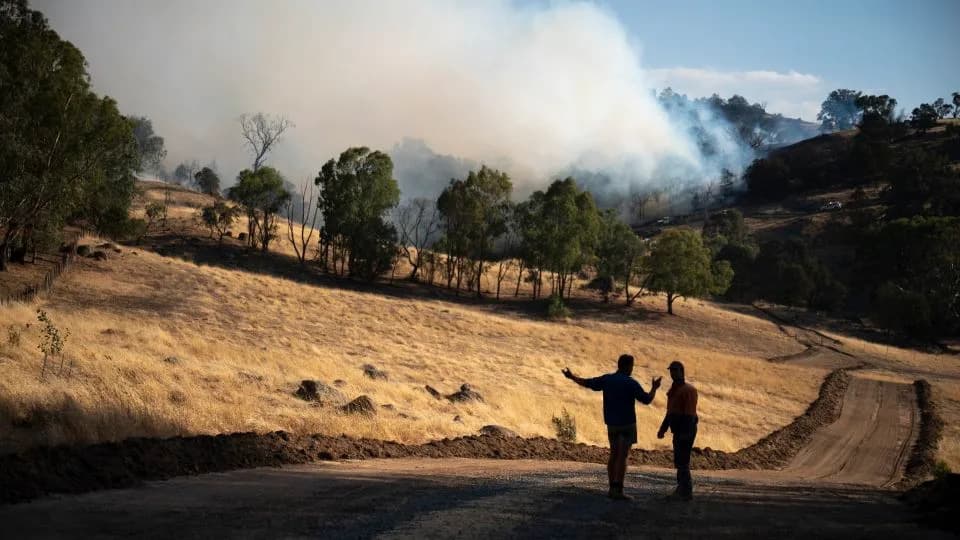
Extreme weather is striking opposite ends of the globe this week. In the United States, Winter Storm Fern set new snowfall records in parts of the country and was followed by one of the longest cold-air outbreaks in decades; forecasters also warned that a bomb cyclone could move into the Southeast over the weekend. At the same time, southern Australia is trapped under a heat dome that pushed temperatures toward 120°F — the most severe heat wave the country has seen in 16 years.
Can One Event Be Blamed On Climate Change?
It’s difficult to attribute any single weather event entirely to climate change. "You can't really attribute any specific single weather event to climate change," says Gary Lackmann, professor of Marine, Earth and Atmospheric Sciences at NC State University. Still, scientists increasingly can quantify how human-driven warming raises the odds or intensity of extreme events.
What Attribution Studies Show
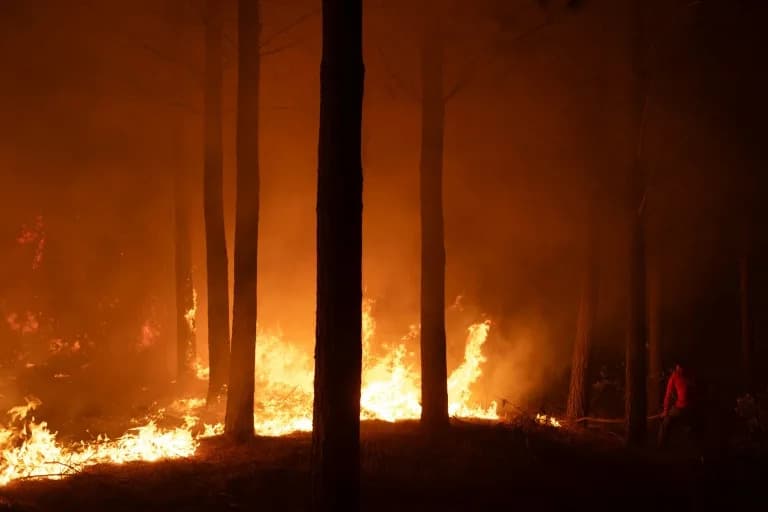
Attribution science has improved significantly. For example, World Weather Attribution estimated that global warming made the January 2025 fires in the Los Angeles area about 35% more likely. Copernicus reported that the Pacific Northwest heat wave in summer 2021 — when temperatures soared to around 120°F in some places — would have been "virtually impossible" without human-caused climate change. World Weather Attribution also found that Australia’s extreme temperatures from February 5–10 were about 1.6°C hotter because of climate change.
"[Climate change] loads the dice a little bit towards more extreme events," Lackmann says.
Why A Warmer Planet Supercharges Extremes
Greenhouse gases trap heat in the atmosphere, warming air and ocean temperatures and altering weather patterns. Warmer oceans provide extra energy for storms. "When you have really warm water adjacent to really cold land, there's a really big temperature gradient," Lackmann explains. Storms feed off that contrast.
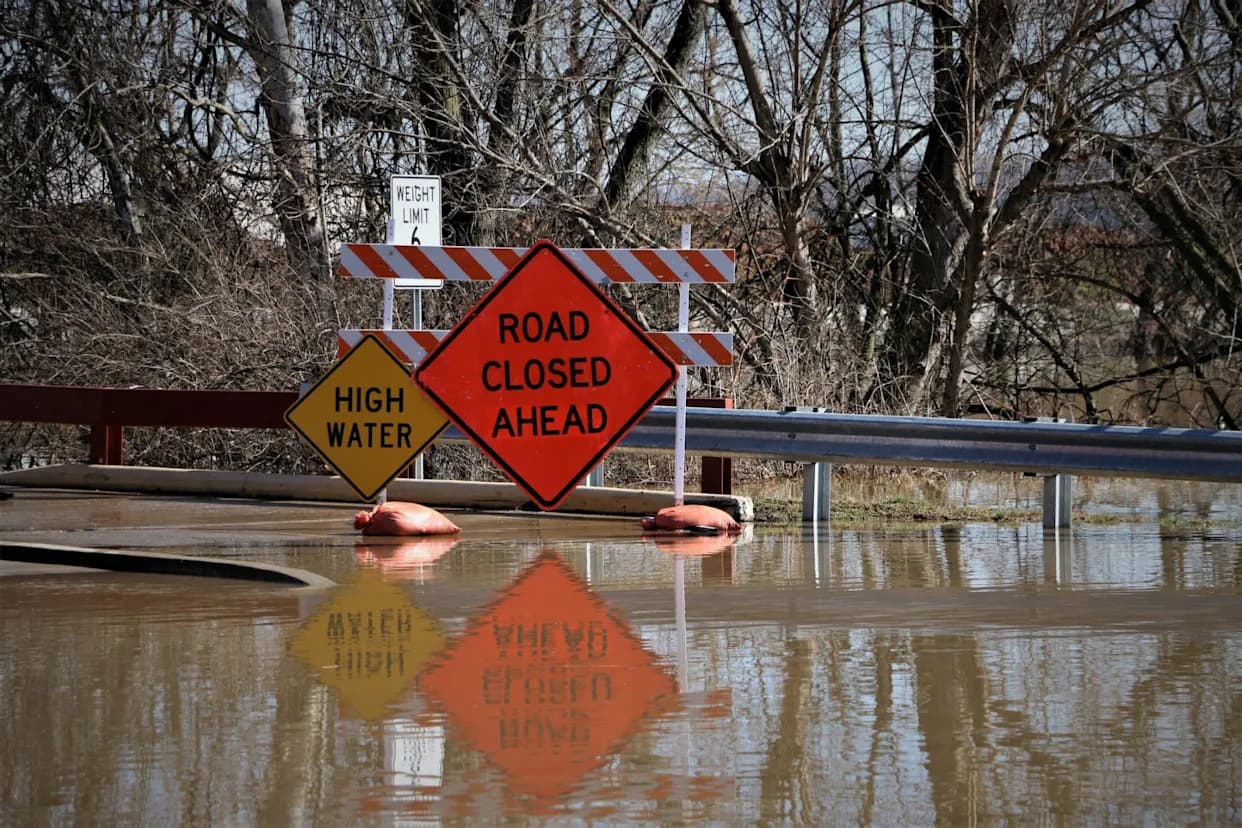
A warmer atmosphere can also hold more moisture, which intensifies heavy rainfall and flooding — and under the right conditions, can amplify snowfall. Rising average winter temperatures mean some precipitation that once fell as snow may increasingly fall as rain, while other mechanisms can still produce intense snow events.
Rising Costs and A Hotter Future
Research shows extreme events are becoming more frequent and intense. In the U.S., the number of billion-dollar disasters rose from roughly three per year in the 1980s to about 20 per year over the last decade. The World Meteorological Organization's Global Annual to Decadal Climate Update forecasts that global temperatures are likely to remain at or near record levels through 2025–2029.
"Storms are a natural part of Earth's system and are not going away," William Ripple, co-lead author of the 2025 State of the Climate report, told TIME. "We are not losing storms; we are getting storms that are supercharged with extra water and energy." Marshall Shepherd, director of the Atmospheric Sciences Program at the University of Georgia, adds: "Yes, you probably can get a heat wave naturally, but in this climate change era, they're on steroids."
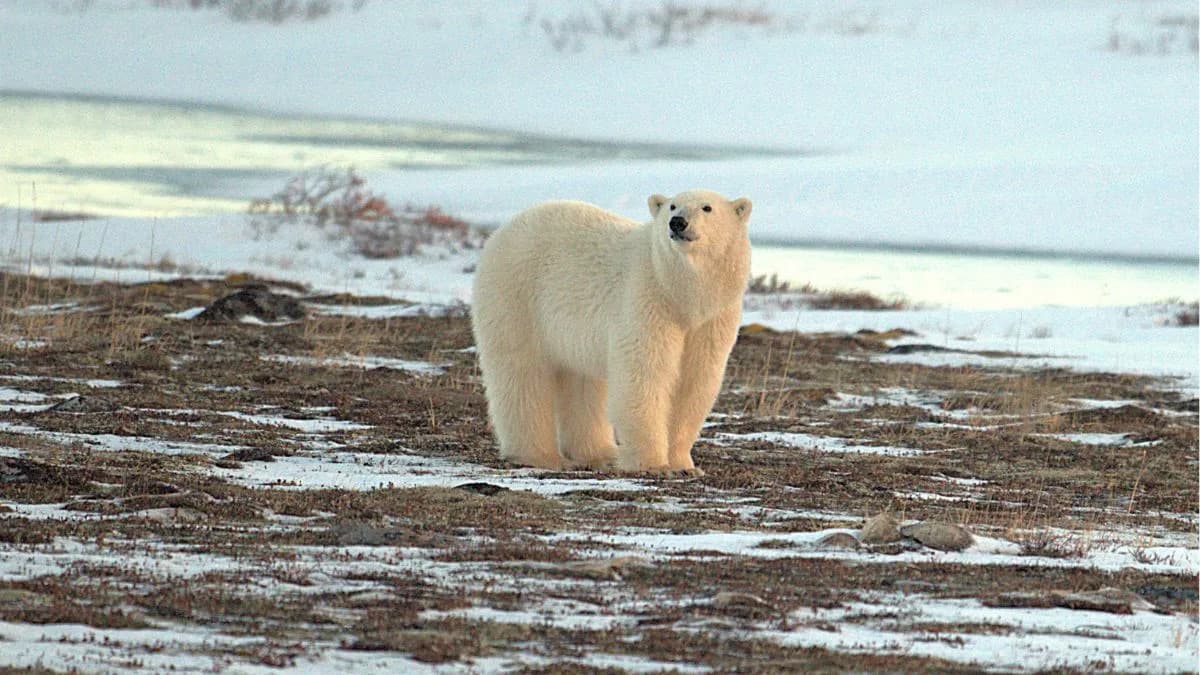
The coexistence of deep cold in one region and extreme heat in another does not disprove global warming. Local weather remains influenced by seasonal cycles and short-term variability even as the background climate trend shifts toward more frequent and severe extremes.
Write to Simmone Shah at simmone.shah@time.com.
Help us improve.