A 12-year study in the Journal of Experimental Biology found African striped mice in South Africa's Succulent Karoo experienced a 2–3% rise in blood serum osmolality during the dry season, indicating increased dehydration and physiological stress. Researchers used osmolality as a quantitative indicator of environmental harshness, showing internal biological impacts of warming. The findings add physiological evidence that rising temperatures are harming wildlife and underscore the need for policy measures and continued individual efforts to reduce emissions.
Researchers Warn Heat Is Raising Physiological Stress In African Striped Mice
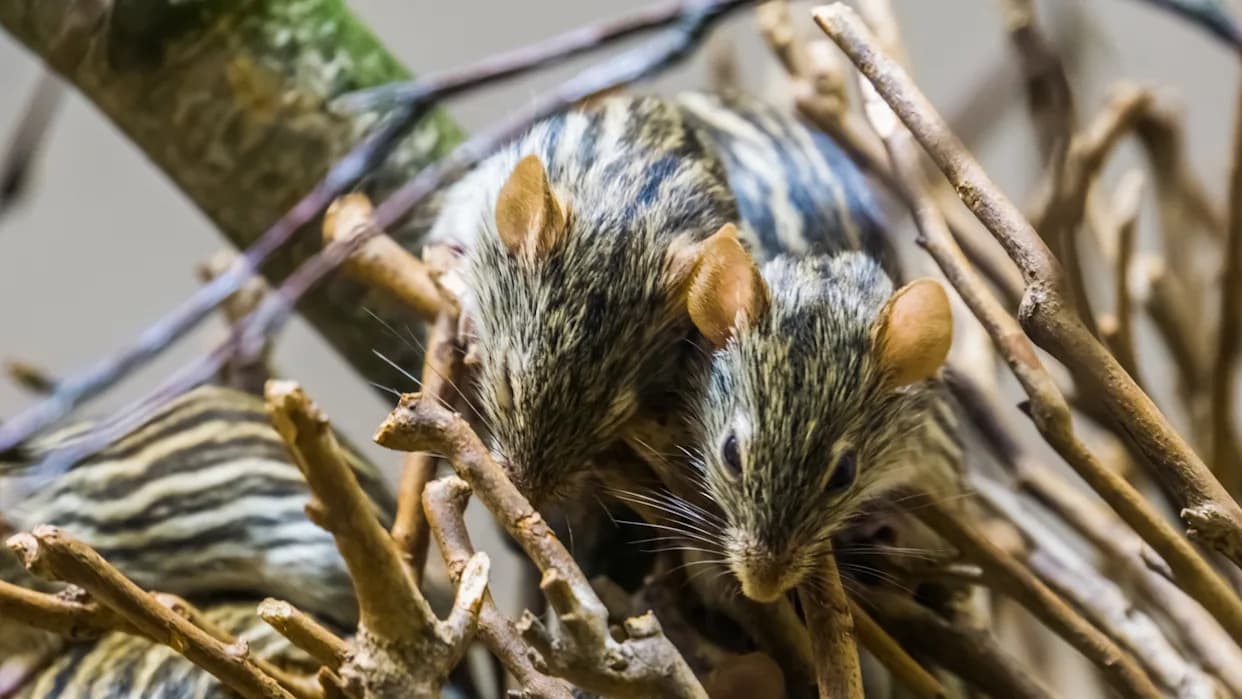
Photo Credit: iStock
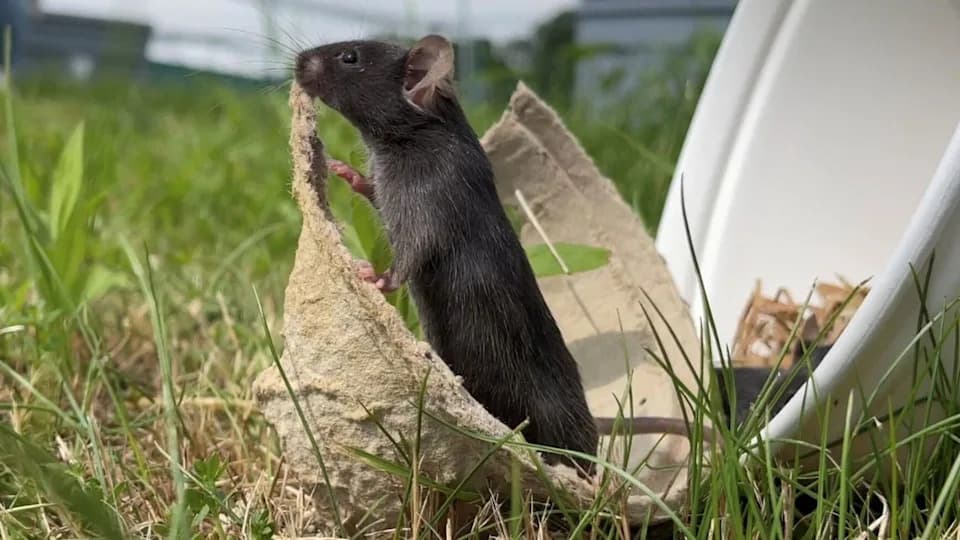
A team of eco-physiologists used African striped mice as a model species to quantify the biological effects of hotter, drier conditions in South Africa's Succulent Karoo.
The study, published in the Journal of Experimental Biology, found that these rodents show measurable signs of increased physiological strain in blood tests collected over a 12-year period.
What Researchers Measured
Scientists assessed blood serum osmolality — a measure of the concentration of dissolved substances in the blood — which serves as an indicator of dehydration and overall environmental harshness. As water availability falls and temperatures rise, non-water components such as red blood cells, sugars, and proteins become more concentrated, increasing osmolality and physiological burden.
Key Findings
Analysis of samples taken across 12 years showed a roughly 2–3% increase in blood serum osmolality during the region's dry season. Although the percentage change may seem small, the shift is consistent and biologically meaningful for animals adapted to already arid environments, signaling greater dehydration and stress as conditions warm.
Broader Implications
These physiological measurements add to mounting evidence that rising temperatures and more extreme weather are intensifying stress on wildlife. The study complements ecological observations—such as reduced food and water availability, habitat shifts, and population declines—by documenting internal biological effects that can precede visible declines.
Measuring osmolality provides a direct, quantitative window into how heat and dryness affect animal physiology, even in species evolved for arid life.
Policy And Individual Action
The paper also underscores policy challenges: high-emission activities such as private jet travel produce large amounts of carbon in short periods (an hour on a private jet can emit up to ~2 metric tons of CO2). Such disparities highlight the need for policy measures to limit high-emission practices.
At the same time, everyday choices—improving home efficiency, reducing waste, adopting low-carbon transport—remain important contributions to slowing warming and reducing stress on ecosystems.
Bottom line: A long-term physiological study shows that even dry-adapted small mammals are experiencing measurable increases in dehydration-related stress as the climate warms, emphasizing the need for both policy action and continued emissions reductions.
Help us improve.