President Trump signed an executive order to impose tariffs on goods from countries that sell or supply oil to Cuba, a strategy likely aimed at pressuring Mexico, a major fuel provider to Havana. Pemex reported nearly 20,000 barrels per day to Cuba from January through Sept. 30, 2025, though independent tracking indicates shipments fell to about 7,000 barrels after a U.S. visit. Mexican President Claudia Sheinbaum has given evasive answers, calling pauses "sovereign decisions" and pointing to contractual limits. The practical impact on Cuba — already struggling with shortages and long gasoline lines — remains uncertain.
Trump Signs Order Threatening Tariffs on Countries That Sell Oil to Cuba — Mexico Targeted
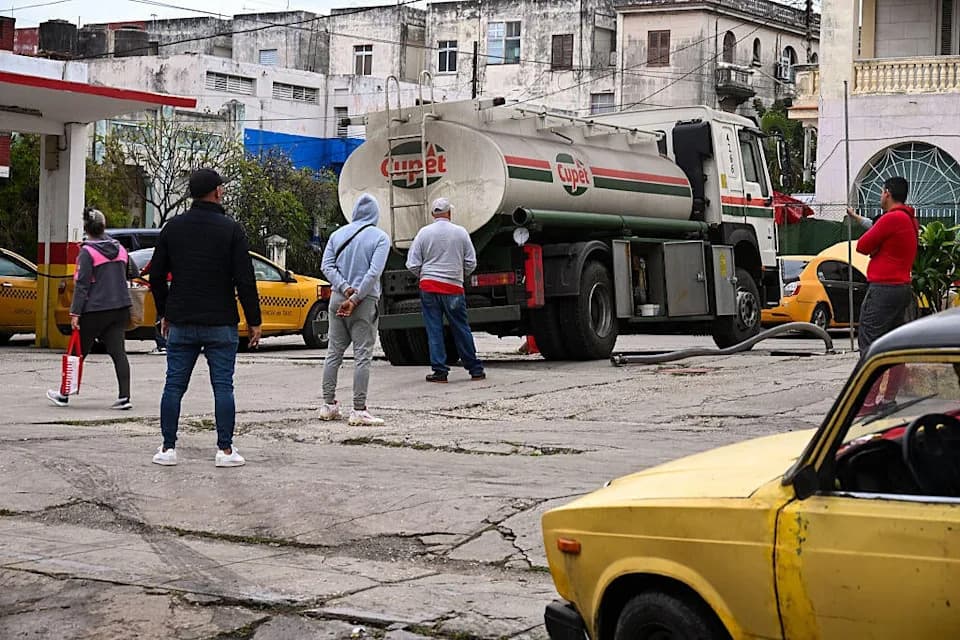
A tanker truck belonging to the state-owned company Cupet unloads fuel at a gas station in Havana, Cuba, on Jan. 28, 2026. / Credit: YAMIL LAGE /AFP via Getty Images(YAMIL LAGE /AFP via Getty Images)
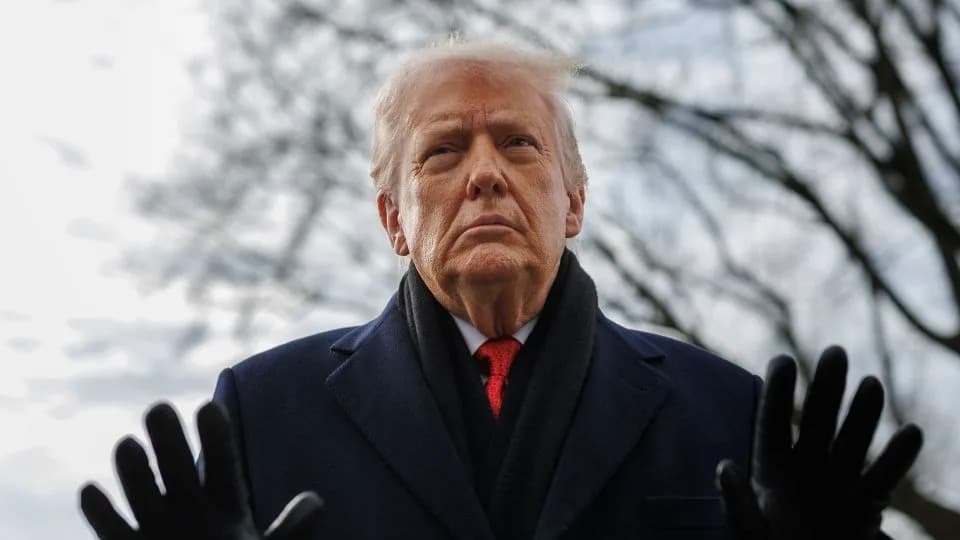
President Trump on Thursday signed an executive order that would impose tariffs on goods imported from any country that sells or supplies oil to Cuba. The move is intended to discourage third-party support for Havana and could deepen an already severe energy crisis on the island.
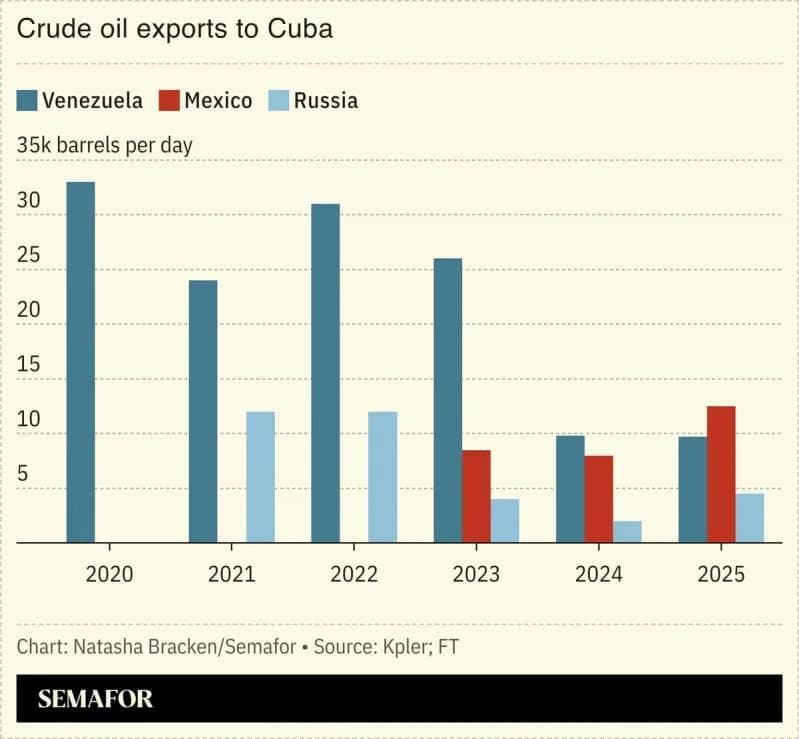
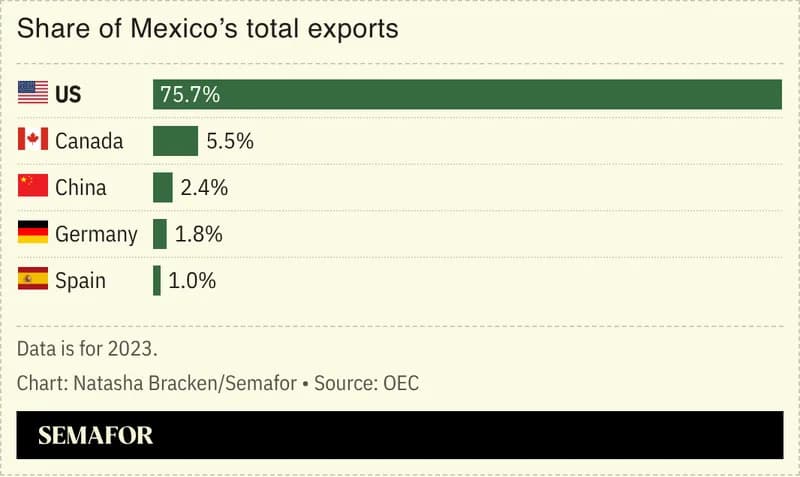
Who Is Affected? Analysts say the measure is likely to place the most immediate pressure on Mexico, which has functioned as a significant oil lifeline to Cuba. Mexico's state oil company, Pemex, reported nearly 20,000 barrels per day shipped to Cuba from January through Sept. 30, 2025, though independent tracking suggests flows fell to roughly 7,000 barrels per day after a high-level U.S. visit.
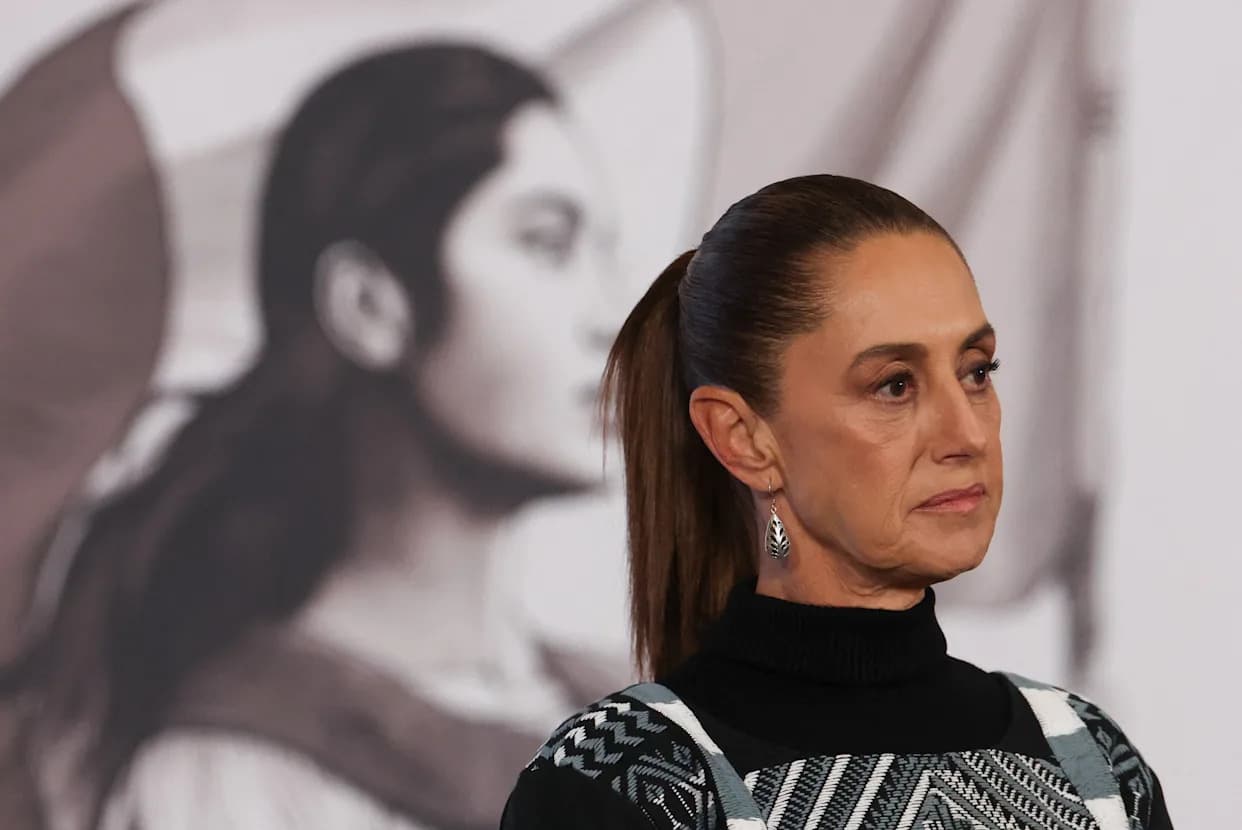
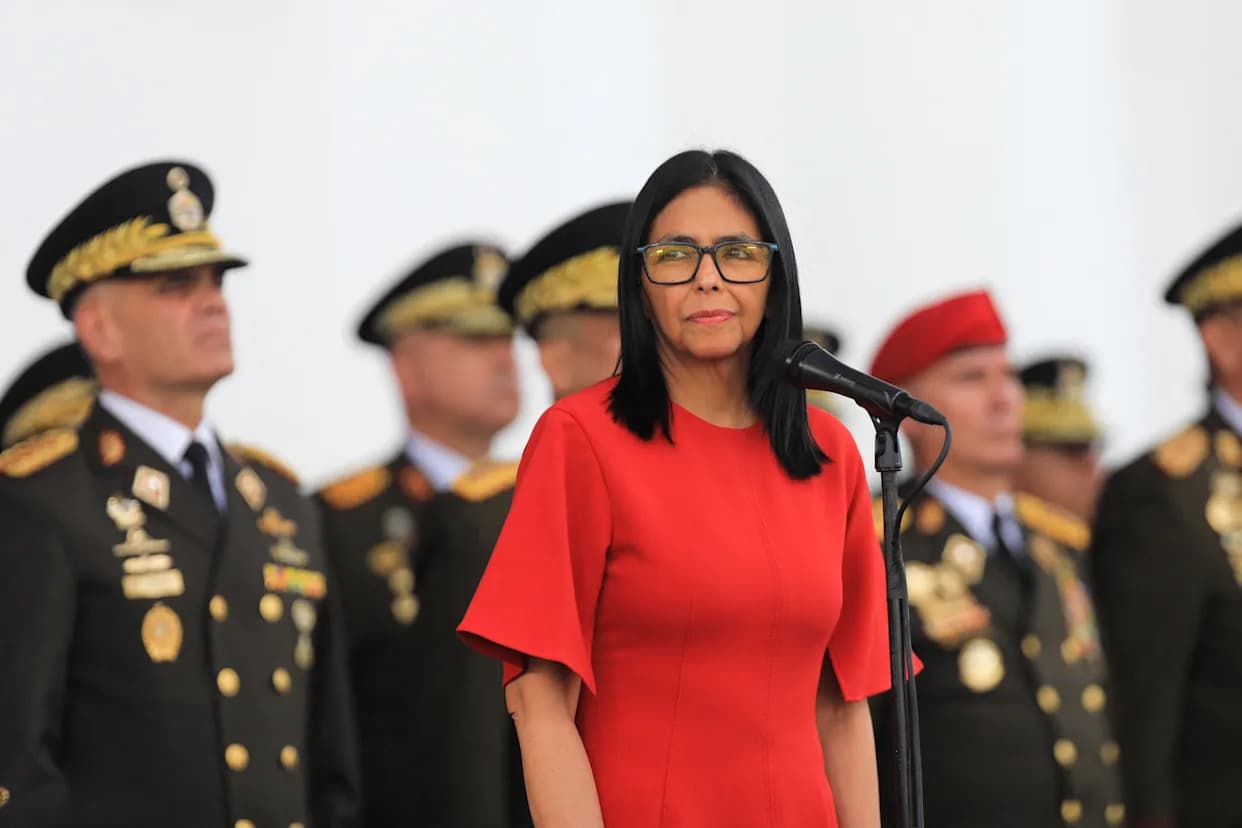
In recent days, Mexican President Claudia Sheinbaum has been notably evasive about her country's stance. She said Pemex had at least temporarily paused some shipments but characterized the interruption as part of ordinary supply fluctuations and a "sovereign decision" rather than a response to U.S. pressure. She also emphasized that deliveries are governed by Pemex contracts and reiterated that "humanitarian aid" would continue.
The announcement follows a U.S. military operation in Venezuela and subsequent statements from Mr. Trump that no more Venezuelan oil would be sent to Cuba. On Jan. 11, Mr. Trump posted on social media: "there will be no more oil or money going to Cuba — zero." A U.S. official later told CBS News the administration’s objective is not to force an immediate collapse of the Cuban government but to negotiate a transition away from its authoritarian system.
"So the contract determines when shipments are sent and when they are not sent," Sheinbaum said, underscoring that commercial and contractual factors, she says, drive Pemex’s decisions.
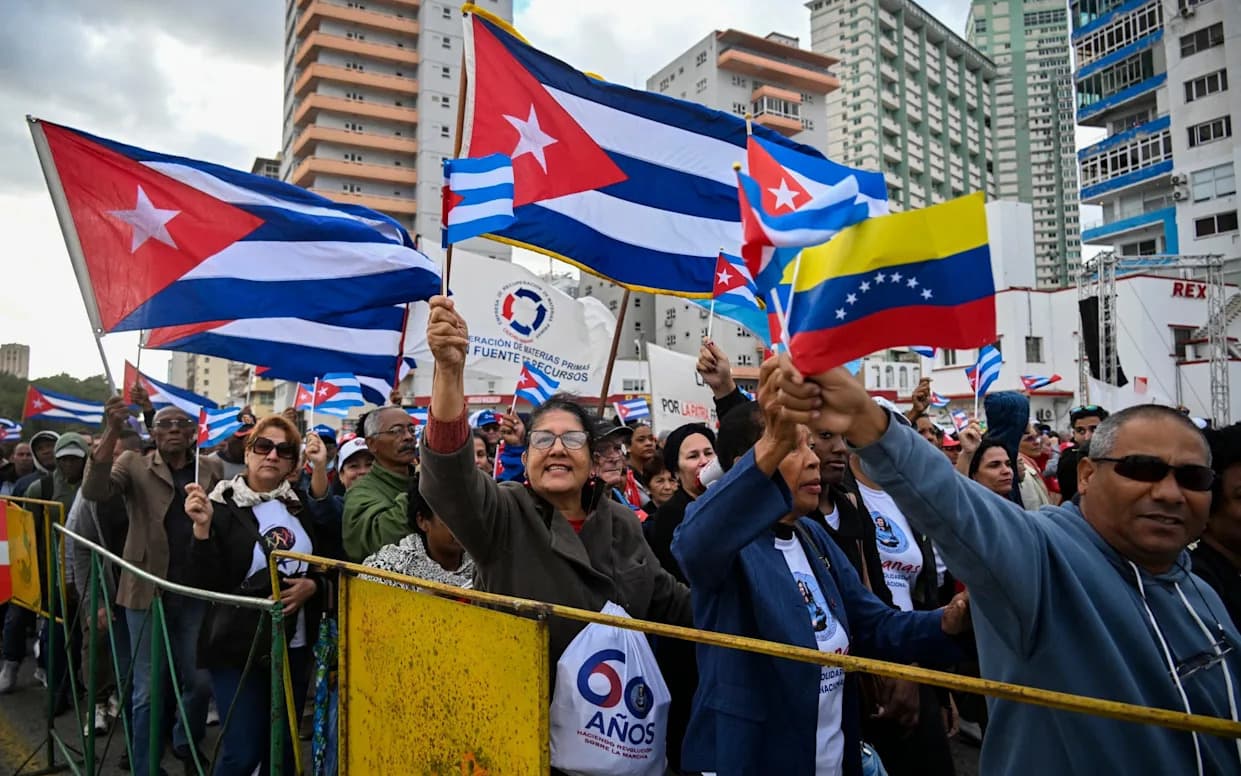
It remains unclear how far-reaching the tariffs will be in practice. Cuba has long struggled under a U.S. embargo and recent sanctions, and its energy shortages have produced long gasoline lines and mounting public anxiety. The new U.S. order could further restrict Cuba’s access to fuel if key suppliers curb shipments to avoid tariff exposure.
What To Watch Next
Observers will be watching for: whether Mexico or other suppliers formally reduce deliveries; how Pemex, private buyers, and international partners respond; and whether the White House provides clarifying guidance or exemptions for humanitarian shipments.
Help us improve.