Syria's olive harvest has collapsed in many areas after years of conflict and the country's worst drought in over 40 years, with Daraa's 2025 output falling to roughly 10,000 tonnes. Historically, Syria had more than 79 million olive trees producing about 1.1 million tonnes nationally, and Daraa produced around 75,800 tonnes at the start of the war. This season farmers report per-tree yields have halved, underscoring serious threats to food security and local incomes. Experts say scaling climate-resilient farming and water-efficient irrigation is essential to protect future harvests.
Syria's Olive Harvest Collapses: Daraa Yields Plummet as Per-Tree Output Halves
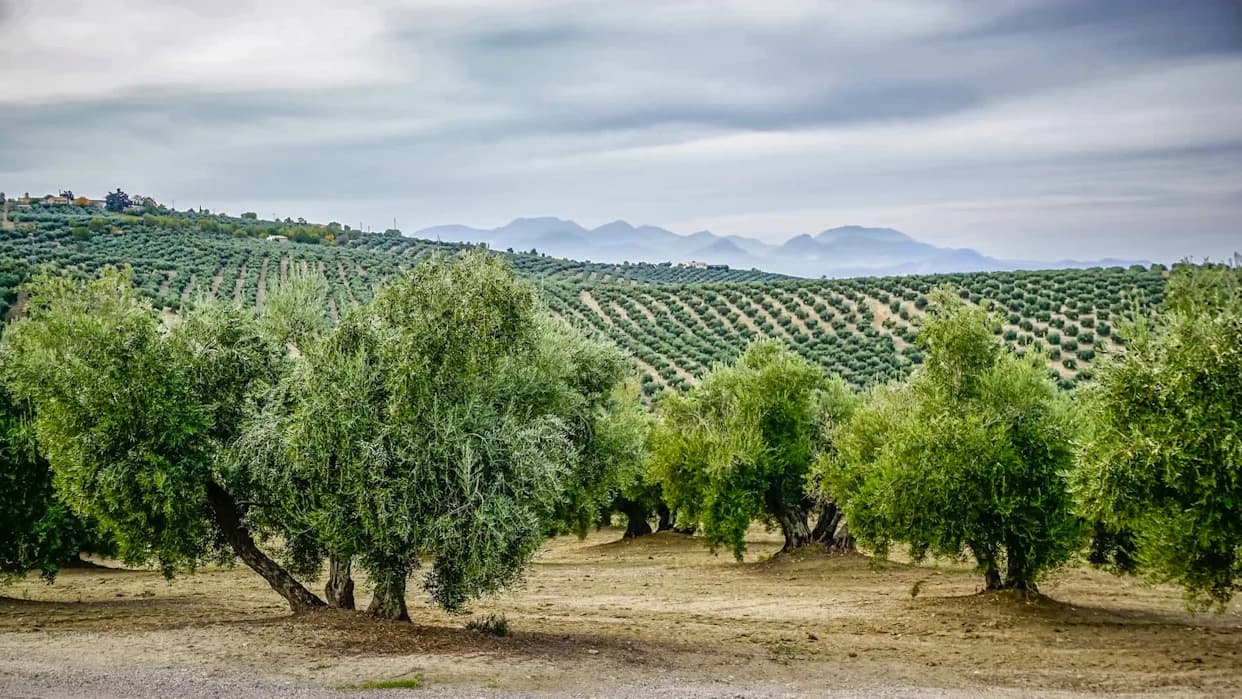
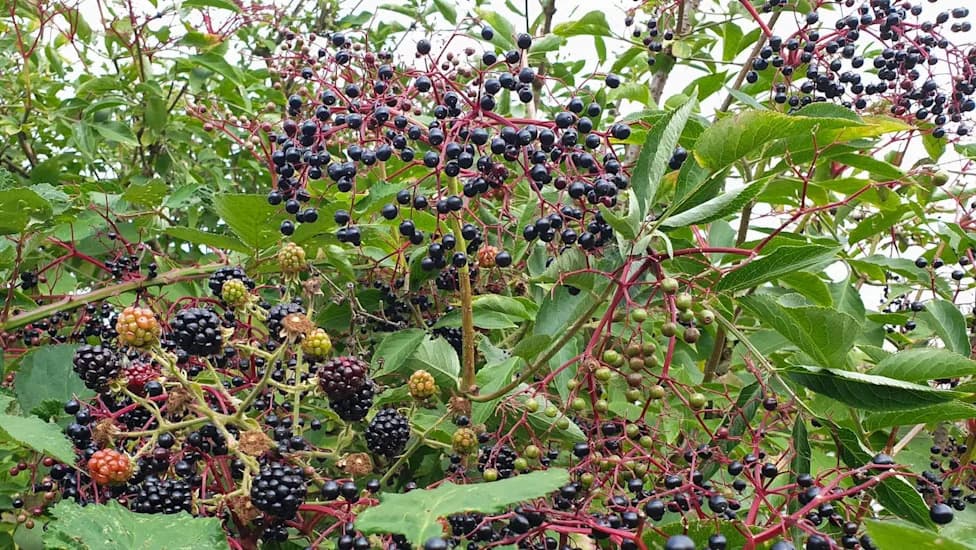
Photo Credit: iStock
Olive farmers across Syria are confronting one of the worst harvests in recent memory. Years of conflict combined with the country's most severe drought in over four decades have sharply reduced yields in key producing areas, worsening food security and pushing up local prices.
Historic Scale and Recent Declines
Before the civil war that began in 2011, Syria was a major olive producer. Research cited by the Arab Reform Initiative estimated more than 79 million olive trees in Syria producing roughly 1.1 million tonnes of olives nationwide. Daraa province alone hosted an estimated 6.5 million trees across as much as 30,000 hectares, according to The Syrian Observer.
At the war's outset Daraa produced around 75,800 tonnes annually (Syria Direct). Fighting forced many growers to abandon groves and land; by 2022 output in the province fell to about 22,300 tonnes — a decline of roughly 70% from pre-war levels.
2025 Season: A New Low
Although production had started to recover after 2022, the 2025 season — hit by the most extreme drought in decades — produced the lowest yields on record. Daraa's 2025 harvest was approximately 10,000 tonnes, a 68% reduction compared with 2024 figures. Farmers report that per-tree yields have fallen by half this season.
The current season is one of the worst in more than 20 years. The yield per olive tree has dropped by half compared to last year.
Why Even Native Trees Struggled
Olive trees are native to the region and typically resilient: their deep root systems allow them to tap water and nutrients from lower soil layers, making them relatively drought tolerant. This year’s prolonged and severe dry spell across Syria and neighboring countries was so extreme that it overwhelmed those natural defenses, significantly reducing fruit set and harvests.
Wider Context and Consequences
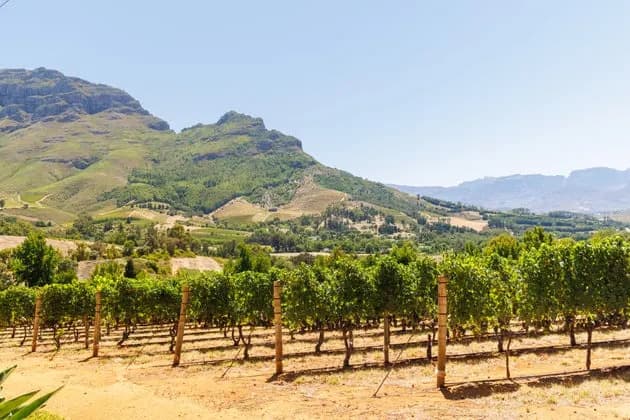
Droughts and extreme weather events are damaging crops worldwide, from heavy rains that decimated almond yields in Portugal to historic droughts that cut corn output in parts of the United States and a record monsoon failure that hurt grapes in India. Locally, crop losses threaten food availability and raise production costs for farmers, costs that are ultimately passed on to consumers through higher grocery prices.
Adaptation: Technology and Climate-Resilient Practices
Adopting climate-resilient farming and smarter water management is becoming essential. For example, automated irrigation in Florida has conserved substantial volumes of water — more than 165 million gallons across roughly 1,883 acres compared with older methods. In Kenya, mobile solar-driven irrigation systems have been developed to give farmers water access in dry areas without large infrastructure investments.
While such technologies are not a panacea, they illustrate practical approaches that can reduce water waste and help sustain yields under more frequent extreme weather conditions.
Looking Ahead
Recovery in Syria's olive sector will depend on a mix of factors: improved security and access to land, investment in water-efficient irrigation and soil management, replanting where trees were lost, and international support for farmers facing climate shocks. Without such measures, communities that rely on olives for income and food will remain vulnerable to further climate-related and conflict-driven disruptions.
Help us improve.