Pepper growers in Karnataka experienced months of relentless rain from May to mid-November, leaving many vines waterlogged and disease-prone. Last year’s yield dropped to 47,891 tonnes, a 44% fall from 86,000 tonnes, and farmers expect similar or worse losses for the 2026 harvest beginning in February. Continuous wetness has caused root rot, smaller berries and an estimated 20–33% income shortfall for affected growers. Experts call for improved drainage, flood-tolerant varieties and government-backed research to protect farms and global spice supplies.
Karnataka Pepper Growers Face Heavy Losses After Months of Relentless Rains; Poor 2026 Harvest Expected
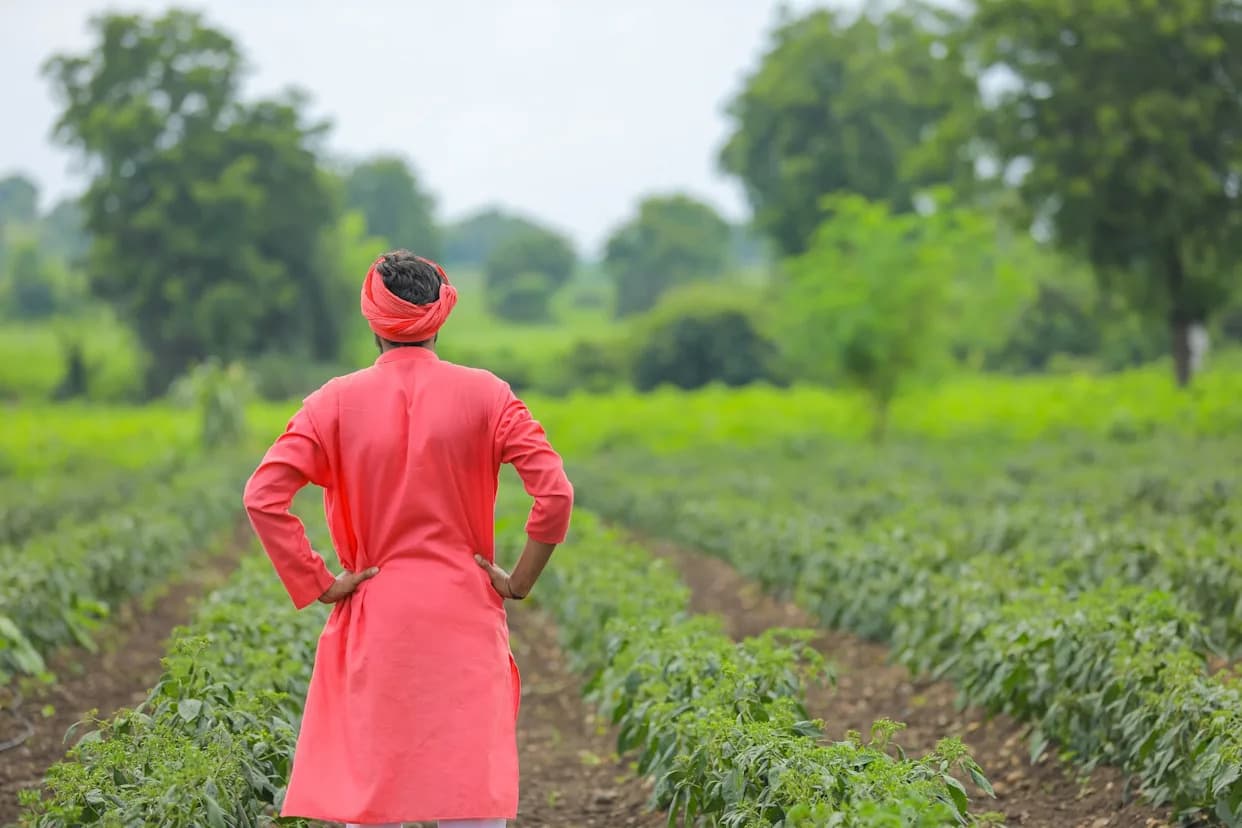
Photo Credit: iStock
Pepper growers across Karnataka — India's largest pepper-producing state — are bracing for another poor harvest after months of unusually persistent rain left many vines waterlogged, disease-prone and in some cases dead ahead of the 2026 season.
What Happened
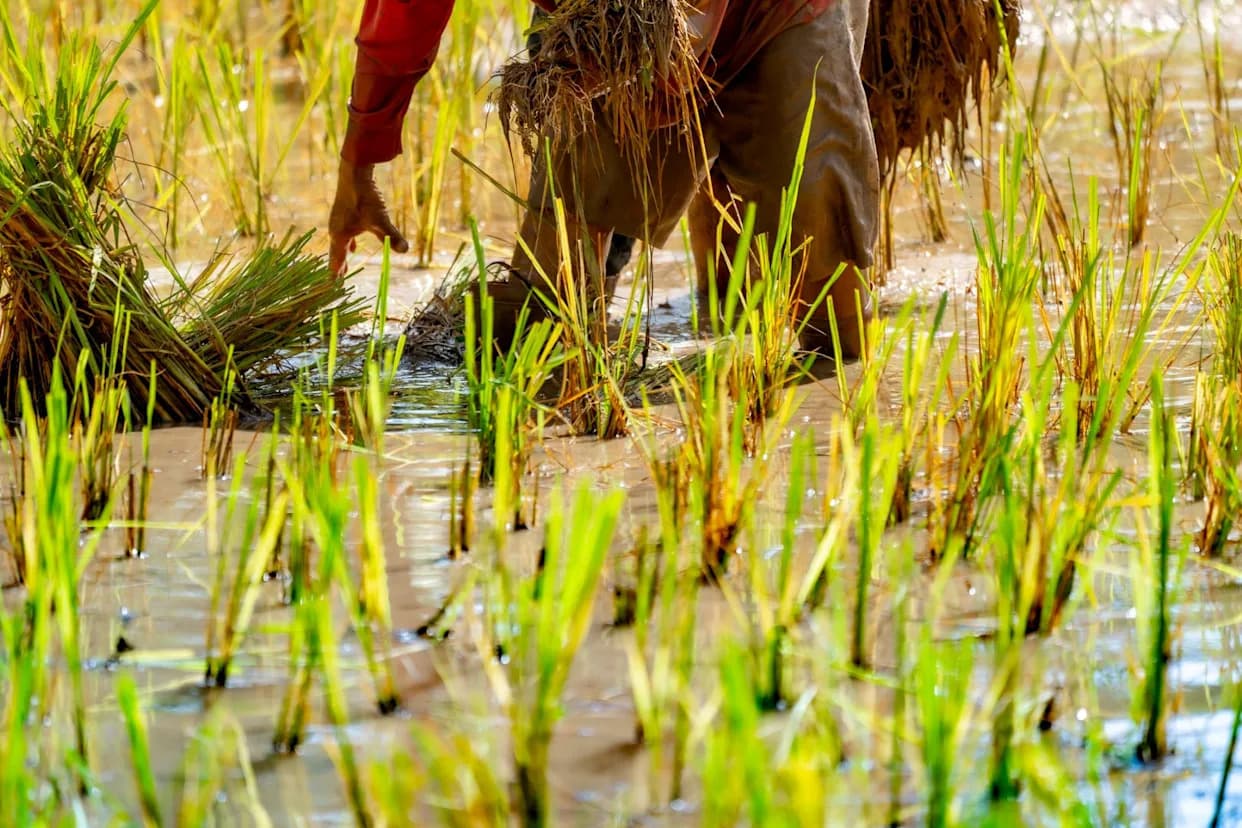
Farmers report continuous downpours from May through mid-November instead of the usual monsoon pattern of intermittent showers and sunny breaks. Some estates recorded nearly two-thirds of their typical annual rainfall in a single three-week period in July, leaving soil saturated and roots oxygen-starved.
“Due to a long spell of rain, lack of sunlight and low temperature, fruiting spikes didn't set well resulting in small berries,” said Bose Mandanna, who grows coffee and pepper in Kodagu. “Overall, we are disappointed and are expecting a poor crop this year.”
Crop And Economic Impact
According to reporting in The Hindu, Karnataka’s pepper output fell to 47,891 tonnes last year — a 44% decline from the previous year’s 86,000 tonnes. Growers now expect equal or larger losses when they begin harvesting in February 2026. Persistent wet conditions have encouraged fungal and other diseases; standing water around roots for only a few hours can kill plants, and some farms report losing entire pepper vines.
The state cultivates pepper on about 211,497 hectares, commonly intercropped with coffee. Where vines were destroyed outright, farmers may earn only one-fifth to one-third of normal income this season. Surviving plants are producing smaller, lower-quality berries that fetch weaker prices on the market, compounding financial stress in rural communities that depend on multiple annual crop sales.
Broader Consequences And Solutions
Because India is a major global pepper supplier, consecutive harvest shortfalls in Karnataka can push up international spice prices and translate into higher costs for consumers. Experts link the failures to shifting monsoon behavior driven by climate change, which compresses heavy rain into intense bursts rather than steady seasonal rainfall that crops evolved to tolerate.
Immediate actions growers can take include improving drainage, raising beds, using soil amendments that improve aeration, and adopting early disease-detection and treatment protocols. Governments and agricultural institutions should support trials of flood-tolerant and disease-resistant pepper varieties, invest in breeding programs, and fund extension services to help farms adapt agronomic practices to more erratic weather.
Home gardeners can reduce risk by improving drainage, choosing varieties with better tolerance to moisture and cooler temperatures, and avoiding prolonged soil saturation. Longer term, coordinated investment in research, crop insurance, and resilient infrastructure will be essential to protect livelihoods in pepper-growing communities if such extreme weather becomes more frequent.
Help us improve.