A study in Discover Agriculture warns that rising heat and humidity are causing heat stress in Sri Lankan cattle, sharply reducing milk yields and threatening rural livelihoods. A 1°C increase was associated with a 54% drop in milk collection and an estimated $2 million in annual losses for the region. Even tiny monthly temperature rises (0.01°C) can lower production over time. Researchers urge investments in cooling, shade, heat-tolerant breeds and better husbandry to protect food security and local dairy markets.
Heat Stress Threatens Sri Lanka’s Dairy Sector — 1°C Rise Linked to 54% Drop in Milk, Study Warns
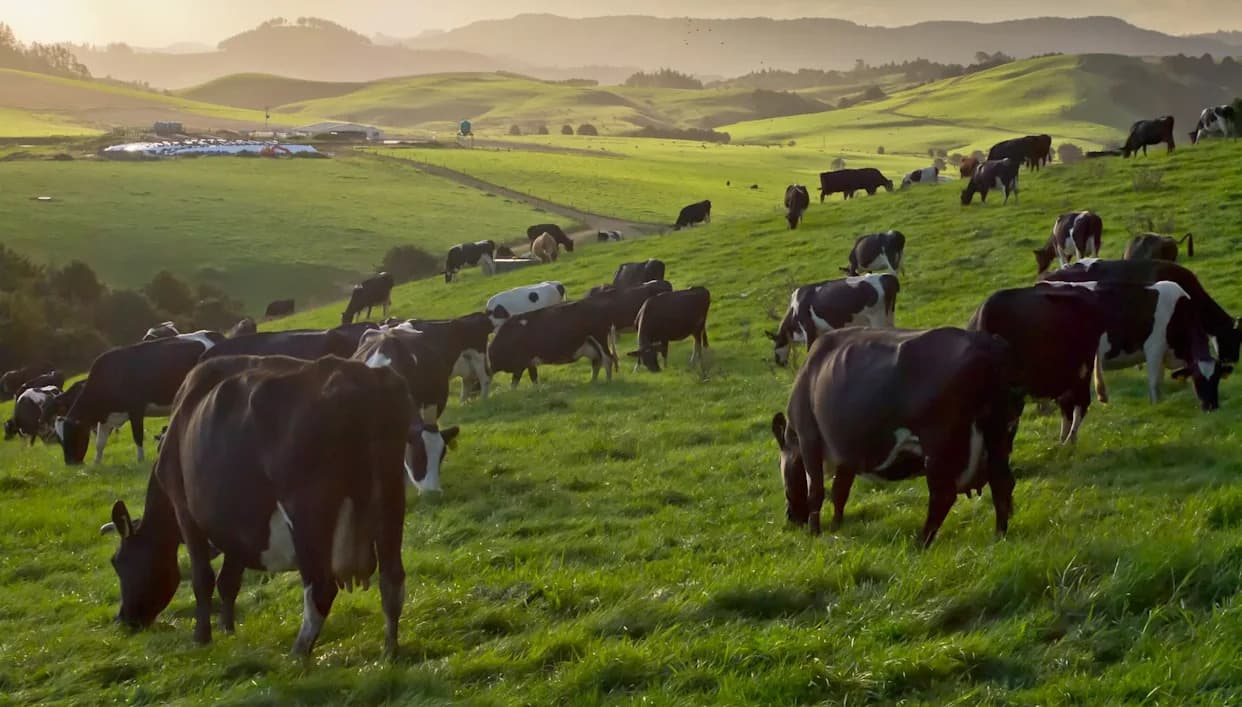
Photo Credit: iStock
A warming climate is already changing life for dairy farmers across Sri Lanka, and new research suggests the problem could intensify rapidly.
A study published in Discover Agriculture identifies heat stress as an emerging threat that undermines cattle health, reduces milk production and puts rural livelihoods at risk.
How Heat Affects Cattle
Under conditions of high heat and humidity, cows struggle to regulate body temperature. Like people who become lethargic on a hot afternoon, cattle eat less, drink more water and shift metabolic priorities from production to survival. These physiological changes directly reduce milk yields and overall productivity.
Researchers use the Temperature-Humidity Index (THI) to measure when environmental conditions become dangerous for livestock. THI combines air temperature and humidity into a single value that helps farmers and veterinarians recognize and respond to heat stress.
Key Findings
The study found that a 1°C (1.8°F) increase in average temperature in Sri Lanka was associated with a 54% decline in milk collection for the affected region. The authors estimate this decline translates to roughly $2 million in annual economic losses.
Researchers also warn that even very small monthly increases — as little as 0.01°C — can depress milk production over time, reducing farmer income and driving up consumer prices.
Researchers describe the economic and agricultural impacts in dry-zone areas as "particularly critical."
Risks to Food Security and Local Economies
Cattle farming is a vital source of food and income for many rural communities. Temperature-driven drops in productivity can therefore erode local nutrition, reduce household earnings and destabilize dairy markets.
Practical Responses
Addressing heat stress requires upfront investment in infrastructure and management, but the long-term cost of inaction is likely higher. Practical measures include:
- Improving shade, ventilation and cooling in animal housing
- Shifting toward heat-tolerant breeds and genetics
- Adopting improved husbandry and feeding practices to reduce stress
- Combining traditional knowledge with modern science to build resilient systems
The study notes farmers are already reallocating resources in some areas—choosing heat-tolerant animals and testing cooling solutions such as purpose-built housing.
Takeaway
Rising temperatures pose a serious and measurable threat to Sri Lanka’s dairy sector. Targeted investments in cooling, management and breeding strategies can protect animals, secure farmer incomes and help sustain local food systems.
Help us improve.